Choosing between a stainless round bar and an SS sheet plate is essential when evaluating structural performance, durability, and cost efficiency in engineering projects. As a leading structural steel manufacturer and exporter from China, Hongteng Fengda offers high-quality stainless solutions including stainless steel corrugated sheet, mirror stainless sheet, and ss sheet 304. Whether you’re comparing ss sheets price, stainless steel 1 inch pipe price, or ss 304 tube price, understanding material differences ensures better outcomes for construction and industrial applications. The selection between these materials can affect load capacity, corrosion resistance, and fabrication efficiency, which are all critical for global construction standards and long-term reliability.
Definition and Material Overview
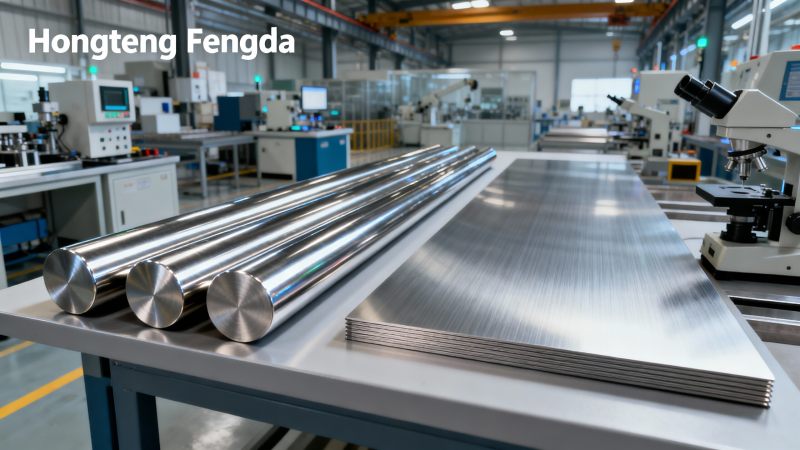
Stainless round bar and SS sheet plate represent two fundamental forms of stainless steel products commonly used across industrial projects. A stainless round bar is typically produced in hot-rolled or cold-drawn form and offers high tensile strength and resistance to torsional loads. It is ideal for applications such as shafts, fasteners, and support components under heavy mechanical stress. Meanwhile, the SS sheet plate—available in variants such as stainless steel embossed plate and stainless steel corrugated sheet—is widely employed for structural cladding, surface finishing, and fabrication of pressure-resistant elements. Their differences stem from geometrical design and metallurgical behavior under service conditions. For example, SS sheet 304 is known for its balance between workability and corrosion resistance, commonly used in both architectural and process environments. On the pricing aspect, parameters like stainless steel 1 inch pipe price or ss 304 2 inch pipe price also offer insights into the overall market fluctuations of stainless steel grades. Hongteng Fengda provides both forms in compliance with ASTM, EN, JIS, and GB standards, ensuring consistency and global compatibility for OEM customers. Each batch passes through precise chemical composition analysis and mechanical property testing before shipment, contributing to a high reliability ratio in real-world construction projects.
Market Overview and Industry Applications
In today’s rapidly growing global infrastructure market, stainless steel materials continue to dominate due to their low maintenance requirements and environmental advantages. According to industry research, demand for stainless structural products like ss sheet plate and stainless round bars is increasing particularly in Asia-Pacific and the Middle East. The trend is driven by industrial modernization, public infrastructure expansion, and manufacturing innovation. For engineering projects such as bridges, offshore structures, and chemical plants, the combination of stainless steel’s durability and aesthetic value is unmatched. Stainless steel also shows superior recyclability, enabling companies to meet sustainability and green-building certifications. In addition, products like the H-beam made from stainless or carbon steel grades (e.g., Q235, Q345B, or 304) provide optimized cross-sectional strength distribution for mechanical and manufacturing applications. The H-beam’s technical specifications—ranging from flange thickness 8–64 mm, web width 100–900 mm, and length up to 12 m—make it an essential structural component alongside stainless sheets and bars. Across North America and Europe, procurement teams are focusing on certified suppliers who deliver material traceability and stable ss sheets price. As a professional exporter, Hongteng Fengda leverages large-scale production capacity to support contractors and fabricators with timely delivery, ensuring project continuity even amid complex supply chains.
Comparison Analysis: Strength, Durability, and Fabrication
From a performance standpoint, stainless round bars and SS sheet plates address different mechanical challenges. Round bars, with their solid cross-sections, demonstrate superior resistance to bending and torsional stress. This makes them suitable for shafts, anchor bolts, joints, and components exposed to cyclic loading. In contrast, SS sheet plates deliver flat, uniform stress distribution across wide surfaces—beneficial for decking, wall panels, containers, or welded structures. Their thickness configuration offers flexibility in forming and machining, allowing designers to achieve lightweight yet high-strength assemblies. When examining material behavior, both stainless round bar and ss sheet 304 exhibit excellent resistance to corrosion and oxidation due to the protective chromium oxide film. However, the fabrication technique affects performance; sheets can be easily laser cut or bent, while bars require more robust machining processes. If we consider cost, ss sheets price can be more predictable than the constantly fluctuating stainless steel 1 inch pipe price, giving buyers better procurement planning ability. Hongteng Fengda’s technological control ensures precise dimensional tolerances for both product categories, reducing post-processing waste. To further enhance customers’ structural design flexibility, the company supplies advanced grades including 310 and 316 stainless for aggressive chemical environments. Proper grade selection remains vital—selecting 316L stainless for coastal construction or food machinery avoids potential corrosion fatigue. Ultimately, project engineers often combine both material types in composite assemblies; for example, round bars reinforcing an SS plate structure can add flexural strength while maintaining a clean visual finish.
Technical Performance and Quality Standards
The performance of stainless round bar and SS sheet plate is determined by chemical content, heat treatment, and production technology.
- Mechanical Properties: Stainless round bars offer tensile strength typically exceeding 515 MPa for SS304, while plates maintain similar yield strength within tolerance limits defined by ASTM A240 standards.
- Processing: Sheet plates can be cold rolled to yield mirror stainless sheet finishes, improving surface reflectivity for decorative or hygienic applications. Meanwhile, round bars are often centerless ground for enhanced concentricity.
- Corrosion Resistance: 304 and 316 grades resist pitting under chloride exposure, making both forms suitable for marine and chemical industries.
- Tolerance and Straightness: Using laser straightness detection ensures minimal deviation, critical for load-bearing structural frameworks.
Procurement and Cost Optimization Guide
Procurement managers often face the challenge of balancing performance requirements with pricing dynamics. Market indices for stainless products fluctuate due to raw material costs and global logistics. Comparing components such as stainless steel 1 inch pipe price, ss 304 2 inch pipe price, or ss sheets price allows stakeholders to forecast budgets accurately. Hongteng Fengda simplifies this process through transparent quotation systems, offering both factory-direct pricing and OEM customization. To optimize cost without sacrificing quality, buyers should evaluate parameters including surface finish (e.g., mirror stainless sheet vs. embossed plate), thickness tolerance, and heat-treatment condition. Small differences in mechanical grade—between 304 and 316, for instance—can impact both cost and corrosion performance. Utilizing online consultations helps project leads obtain timely material selection support and reduce supply-chain interruptions. To facilitate global export, Hongteng Fengda upholds compliance with international logistics documentation, packaging integrity, and container optimization to ensure arrival in OEM-ready condition. Procurement teams can also request mill certificates, test reports, and dimensional inspection sheets for each batch. By steadily controlling these variables, the manufacturer minimizes non-conformance risk, helping international clients deliver engineering projects on schedule and within budget.
Case Studies and Real-world Implementations
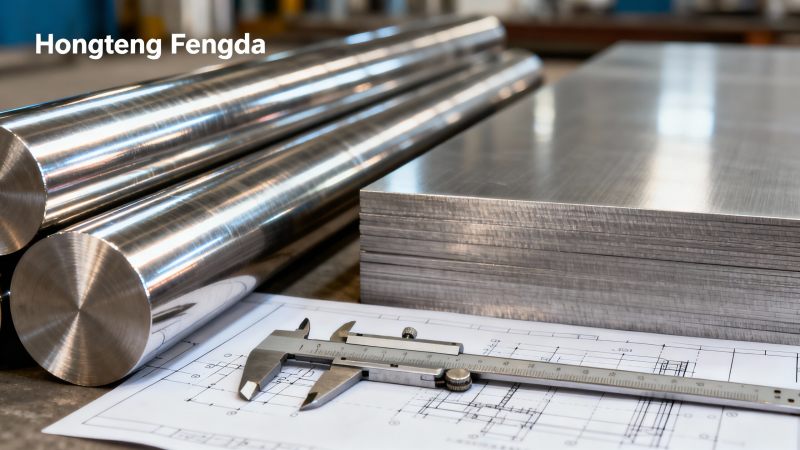
One bridge project in Southeast Asia used a combination of stainless round bars for tension components and SS sheet plates for decking. The result was a lightweight yet durable configuration that reduced material consumption by 12%. Similarly, in a European food processing plant, mirror stainless sheet panels were installed for easy sterilization while stainless round bars reinforced conveyor systems for continuous heavy loads. Industrial designers also rely on grade-specific data for H-beam integration when reinforcing frameworks. The H-beam solutions, known for strong bending resistance and economical section profiles, ensure steady support for both longitudinal and transverse loads. Paired with stainless plates, this product combination enhances stiffness and vibration control in high-rise and manufacturing facilities. These practical implementations highlight how stainless materials deliver long-term resilience, reduced maintenance, and improved ROI. Hongteng Fengda’s engineered components are tailored to demand, with options spanning from hot rolled to cold rolled specifications, suitable for mechanical & manufacture, shipbuilding, bridging, and automotive applications.
Trends and Future Insights
The future of stainless structural materials is leaning toward intelligent processing and sustainability. Global investments in renewable energy, hydrogen projects, and modern infrastructure call for corrosion-resistant, lightweight materials that perform under diverse conditions. Stainless steel innovations—such as advanced alloys with nitrogen strengthening—are expanding design flexibility for round bars and sheet plates alike. Market forecasts indicate steady growth in ss sheet 304 consumption through 2030, with increased substitution for carbon steel in architectural façades and modular housing structures. Digitization in manufacturing, combined with predictive quality control, enables companies like Hongteng Fengda to shorten production cycles and improve accuracy in product customization. Additionally, using lifecycle cost analysis allows procurement professionals to justify premium stainless materials by evaluating long-term maintenance savings. The overall trend suggests that value-driven selection—not only initial price—will define the future of stainless procurement strategies. Environmental considerations are becoming paramount. As part of sustainable development, reusing and recycling stainless waste streams provides financial and ecological benefits. Through advanced smelting and precision rolling technologies, Hongteng Fengda continues to align its processes with carbon reduction goals without compromising quality or structural performance.
Why Choose Hongteng Fengda
For global buyers seeking consistency, technical reliability, and responsive service, Hongteng Fengda stands out as a dependable structural steel manufacturer and exporter from China. With expertise covering angle steel, channel steel, cold formed profiles, steel beams, and custom-tailored stainless solutions, the company provides an integrated supply system compliant with ASTM, EN, JIS, and GB standards. Key reasons to partner with Hongteng Fengda include:
- Comprehensive material solutions covering stainless round, ss sheet plate, and H-beam construction components.
- Strict quality control—chemical analysis, ultrasonic testing, and mechanical verification ensuring international compliance.
- Sustainable manufacturing practices and optimized logistics supporting buyers across North America, Europe, Middle East, and Southeast Asia.
- Professional technical consultation that assists in choosing between ss 304 tube price options or other grades depending on project needs.
- Fast-response OEM capabilities and stable lead times that minimize sourcing risks and enhance project efficiency.
- channel steel
- steel i
- angle steel
- structural steel
- steel beams
- Structural Steel
- Steel Beams
- stainless plate
- ss plate
- ss sheet 304
- ss sheet plate
- stainless round
- ss sheets price
- mirror stainless sheet
- Stainless steel embossed plate
- Stainless steel corrugated sheet
- ss 304 2 inch pipe price
- ss 304 tube price
- stainless steel 1 inch pipe price
- Profile
- H-beam
- Steel Beam
- carbon steel
Related recommendations
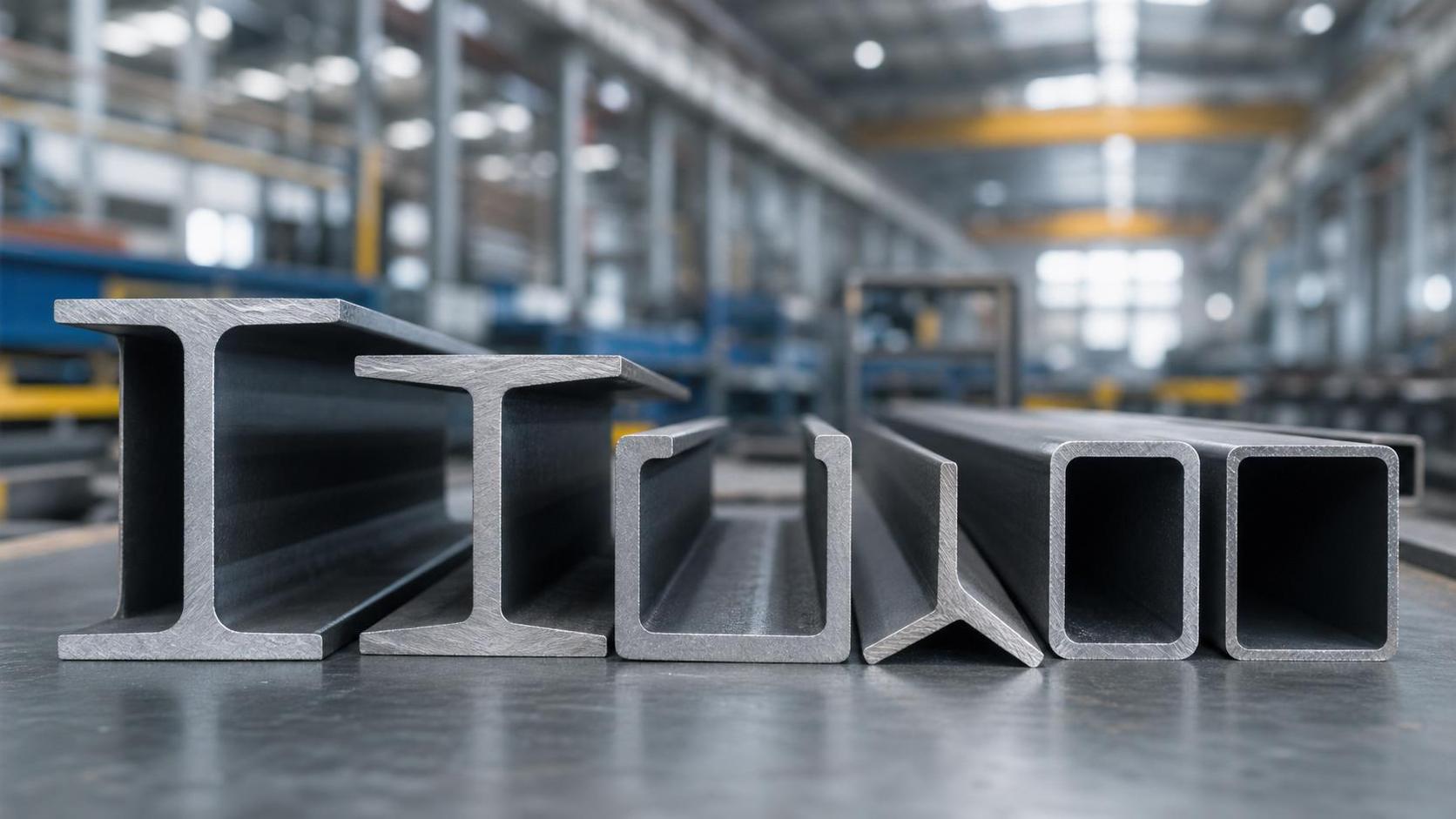
 What Is a Steel Profile? Common Shapes, Uses, and Selection BasicsProfile selection starts with shape, but performance depends on load, fabrication, and standards. Learn common steel profile types, uses, and smart selection basics.
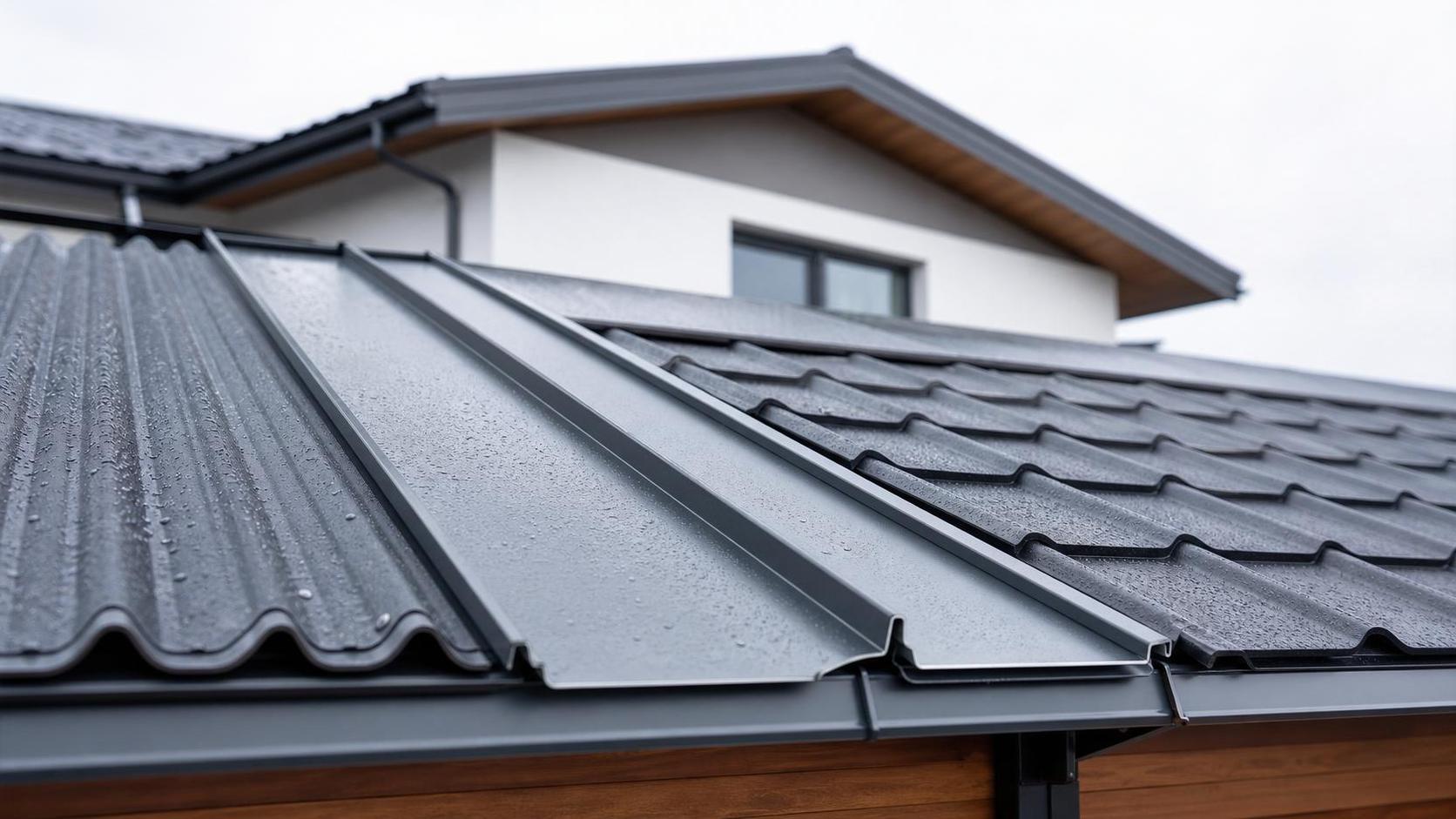
 Steel Roofing Types Explained: Corrugated, Standing Seam, and Metal ShinglesSteel Roofing guide comparing corrugated panels, standing seam, and metal shingles. Discover costs, durability, weather performance, and how to choose the best roof for your home.
 How Hot-Dip Galvanized Coating Thickness Affects Service LifeHot-dip galvanized coating thickness directly affects steel service life. Learn how the right zinc layer improves corrosion protection, controls cost, and supports smarter project decisions.
 Pipe Stainless Grades Explained: 304 vs 316 for Corrosion ResistancePipe stainless grades explained: compare 304 vs 316 for corrosion resistance, cost, and service life. Learn which stainless pipe grade fits marine, chemical, and water system applications.

Please give us a message


Please enter what you want to find