Ensuring ASTM A580 compliance is critical when sourcing 201 stainless steel pipe for food processing lines—where hygiene, corrosion resistance, and regulatory traceability are non-negotiable. As a trusted structural steel manufacturer and exporter from China, Hongteng Fengda delivers certified 201 stainless steel pipe, stainless seamless pipe, and carbon steel pipe for oil and gas—alongside galvanized steel pipe supplier solutions and electrogalvanized wire. Whether you're a procurement professional evaluating material specs or a quality manager verifying mill test reports, this guide walks you through practical, audit-ready steps to validate conformance—without compromising on cost, lead time, or safety.
Why ASTM A580 Matters for Food-Grade Stainless Steel Pipe
ASTM A580 is the standard specification for stainless steel wire—including grades like 201—but its principles directly inform pipe manufacturing quality control for sanitary applications. Though not a pipe-specific standard, A580 defines chemical composition limits (e.g., max 0.15% carbon, min 16.0% chromium, 3.5–5.5% nickel), tensile strength (≥758 MPa), and strict surface finish requirements essential for clean-in-place (CIP) compatibility.
For food processing lines, non-compliant 201 pipe risks micro-pitting, chloride-induced stress corrosion cracking, and biofilm adhesion—especially in high-moisture, acidic, or saline environments. Over 68% of food-grade stainless failures traced to supply chain verification gaps stem from misapplied or unverified chemistry data—not raw material defects.
Hongteng Fengda’s production process includes dual-stage spectrographic analysis (OES + XRF), heat-to-heat traceability logs, and third-party SGS/SGS-accredited mill test reports (MTRs) aligned with ASTM A580 Annex A requirements. Every coil and pipe batch undergoes 100% visual inspection under 500-lux lighting before packaging.
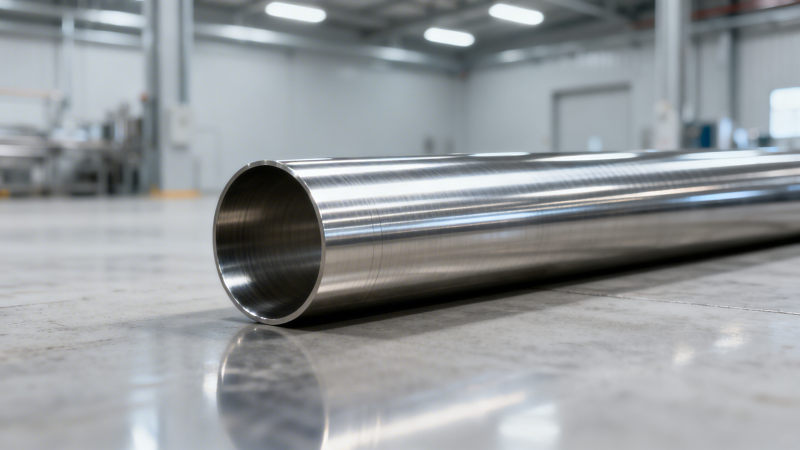
5 Critical Verification Steps Before Accepting 201 Stainless Pipe
Verification isn’t just about reviewing paperwork—it’s a layered, cross-functional process requiring coordination between procurement, QA, and engineering teams. Here’s how to execute it efficiently:
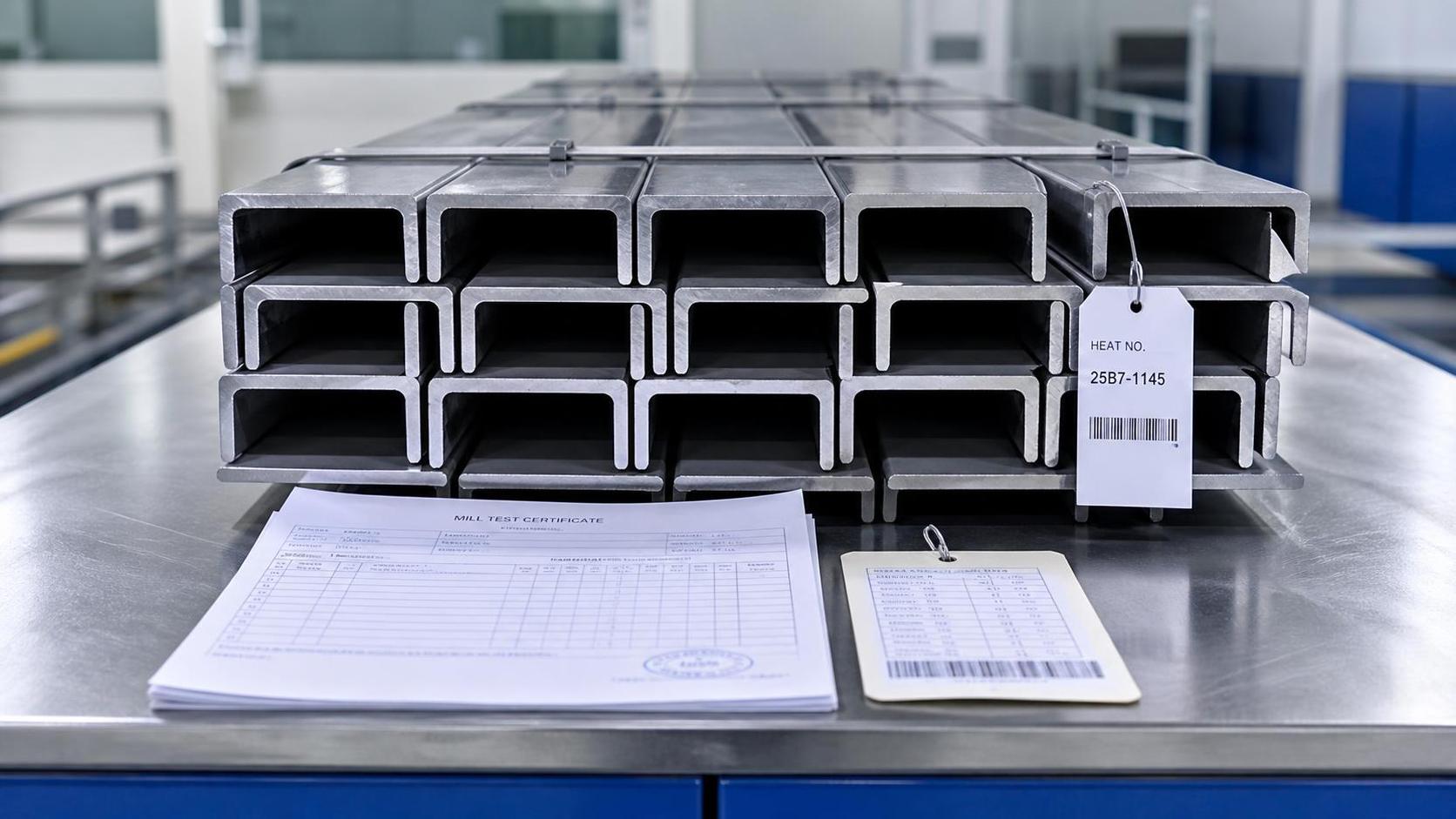
- Confirm Heat Number Traceability: Each pipe bundle must carry legible, permanent heat numbers matching MTRs. Cross-check furnace ID, melt date, and ladle number against your purchase order—no exceptions.
- Validate Chemistry Against ASTM A580 Table 1: Verify Cr, Ni, Mn, and N content fall within tolerances—e.g., Ni must be 3.5–5.5%, not “approx. 4%”. Reject any report listing “typical” or “nominal” values only.
- Inspect Surface Finish & Dimensional Tolerances: For sanitary use, OD tolerance must be ±0.15 mm; surface roughness Ra ≤ 0.8 µm. Use calibrated profilometers—not visual estimates.
- Request Full Mill Test Report (MTR) Format Compliance: Per ASTM A580 Section 13, MTRs require signature of authorized metallurgist, full heat analysis, mechanical test results (tensile, bend), and lot identification—not abbreviated summaries.
- Perform On-Site Positive Material Identification (PMI): Conduct handheld XRF testing on ≥3 random pipes per lot. PMI confirms alloy grade and flags potential substitution (e.g., 202 or 430 passed off as 201).
Skipping even one step increases non-conformance risk by up to 40%. At Hongteng Fengda, every export shipment includes pre-shipment PMI validation and digital MTR access via secure client portal—available within 24 hours of production completion.
How Structural Steel Components Support End-to-End Food Line Integrity
While 201 stainless pipe handles fluid conveyance, structural integrity of the entire line relies on complementary components meeting equivalent standards. For support frames, bracing, and mounting structures, Carbon Steel Angle provides predictable load-bearing performance when hot-rolled to ASTM A6/A6M and galvanized per ASTM A123. Its dimensional stability across temperature swings (−20°C to +60°C) prevents misalignment that could compromise pipe gasket seals.
Our Carbon Steel Angle is available in equal and unequal configurations—from 25×25×3 mm to 250×250×35 mm—with thickness options spanning 0.8–25 mm. All profiles undergo ultrasonic testing (UT) for internal laminations and meet EN 10025-2 S235JR/S355JR yield strength thresholds (235–355 MPa minimum).
Unlike generic angle stock, our food-line-compatible versions feature deburred edges, consistent fillet radii (R ≥ 1.5 mm), and optional zinc-aluminum alloy coating (Galfan®) for extended service life in humid washdown zones—reducing maintenance cycles by 2–3 years versus standard galvanizing.
ASTM A580 vs. Key Alternative Standards: What to Prioritize
Many buyers mistakenly assume ASTM A276 (stainless bars) or ASTM A312 (seamless/welded pipe) replace A580 verification. They don’t—they complement it. Below is how these standards interact in real-world sourcing decisions:
The optimal approach? Require dual certification: ASTM A312 for pipe form factor + ASTM A580-aligned chemistry reporting. Hongteng Fengda issues hybrid MTRs showing both compliance paths—cutting approval time by 3–5 business days versus managing separate documents.
Why Global Food Processors Choose Hongteng Fengda for ASTM-Compliant Sourcing
We eliminate verification friction without sacrificing rigor. Our integrated model delivers:
- Pre-certified inventory: 201 stainless pipe held in stock with full ASTM A580-compliant MTRs—ready for same-week dispatch to North America, EU, or SEA markets.
- Customized documentation: MTRs formatted per FDA 21 CFR Part 117, SQF Code Edition 9, or BRCGS Issue 9 requirements—no reformatting needed.
- On-demand technical support: Metallurgists available for joint review of MTRs, PMI data, or failure root cause analysis—within 4 business hours.
- Logistics-aligned packaging: Pipes shipped in sealed, desiccant-lined crates with humidity indicators—ensuring surface integrity during 30–45 day ocean transit.
Whether you need 201 stainless pipe for a new dairy pasteurization line, replacement tubing for a beverage filler, or structural Carbon Steel Angle for modular skid framing, we align delivery timelines (standard: 15–25 days), budget constraints, and audit readiness—guaranteed.
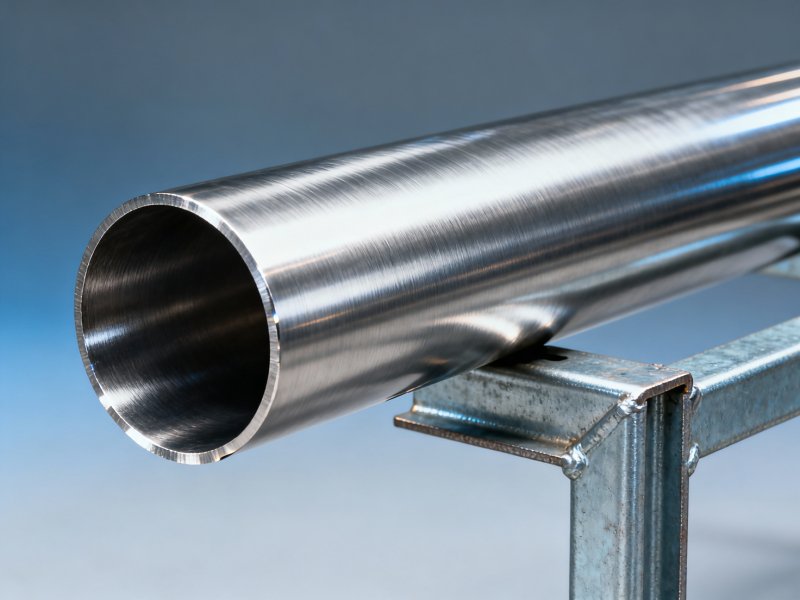
Next Steps: Get Your ASTM A580-Verified Quote in Under 2 Hours
Don’t wait for compliance delays to stall your project timeline. Share your requirements with our technical sales team—and receive:
- A verified quote including ASTM A580-aligned MTR samples and dimensional test reports
- Lead time confirmation with port-of-discharge options (FOB Shanghai, CIF Rotterdam, DAP Chicago)
- Optional third-party inspection scheduling (SGS, BV, Intertek) at no extra cost for orders ≥20 tons
- Free sample kit (1x 6m pipe + 1x 2m angle profile) with full certification package
Contact us today with your pipe schedule (OD, WT, length, end finish), required heat treatment (annealed/tempered), and target delivery window—we’ll respond with a compliant, actionable proposal within 120 minutes.
- carbon steel angle
- l angle
- ss steel wire
- stainless steel wire
- galvanized wire
- carbon steel pipe
- galvanized steel pipe
- seamless pipe
- steel pipe
- galvanized steel
- structural steel
- Structural Steel
- 201 stainless steel pipe
- stainless steel pipe
- stainless pipe
- ss pipe
- 1 stainless steel pipe
- stainless seamless pipe
- 1 stainless pipe
- Profile
- electrogalvanized wire
- galvanized steel pipe supplier
- S355JR
- Galvanized
- Steel Wire
- stainless steel bar
- carbon steel
- steel bar
- steel angle
- carbon steel pipe for oil and gas
Related recommendations
 How to Judge if Steel Sheet for Construction Fits Roofing or Wall CladdingSteel sheet for construction: learn how to judge thickness, coating, profile, and load performance for roofing or wall cladding, and choose a durable, cost-effective fit.
 How to Choose SS Pipe for Water Supply in Corrosion-Prone BuildingsSS pipe for water supply selection guide for corrosion-prone buildings. Compare 304 vs 316 grades, water chemistry, specs, and lifecycle cost to choose a safer, longer-lasting system.
 Steel Wire Rope Manufacturer Standards That Matter in Lifting ApplicationsSteel wire rope manufacturer standards for lifting: learn how to assess traceability, testing, compliance, and real quality control before choosing a safer, more reliable supplier.
 When a Steel Channel Supplier Should Provide Mill Test CertificatesSteel Channel supplier guide on when mill test certificates should be provided for quality control, compliance, and safer procurement.
Please give us a message


Please enter what you want to find