Selecting the right corrosion-resistant plate for offshore platforms is critical to safety, longevity, and regulatory compliance. With demanding marine environments, materials like S235JR steel, SPCE steel, SPCD steel, and certified API 5L pipe, ASTM A106 pipe, and fluid pipe must meet stringent international standards (ASTM, EN, API, GB). As a leading structural steel manufacturer and exporter from China, Hongteng Fengda supplies high-performance corrosion-resistant plate and industrial pipes—fully traceable, third-party certified, and engineered for harsh offshore conditions. Discover key material standards, certification requirements, and how to align selection with project risk, cost, and operational integrity.
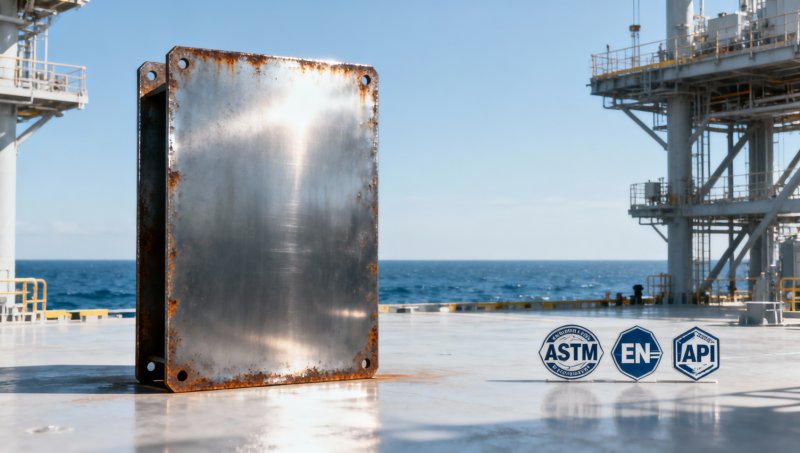
Why Corrosion Resistance Is Non-Negotiable Offshore
Offshore platforms operate in one of the most aggressive service environments on Earth: salt-laden air, constant immersion, cyclic loading, and exposure to H₂S or CO₂ in subsea fluid transport systems. Corrosion-induced failures don’t just increase maintenance costs—they threaten human lives, cause unplanned shutdowns, and trigger regulatory penalties under ISO 19901-6, DNV-OS-F101, and NORSOK M-501.
Unlike onshore infrastructure, offshore structural components rarely allow for easy inspection or retrofitting. Once installed, corrosion-resistant plate must perform reliably for 25–40 years without major intervention. That’s why material selection isn’t about “good enough”—it’s about performance predictability, metallurgical consistency, and full documentation traceability from heat number to mill test report.
Key Material Standards & Certification Requirements
Global offshore projects require multi-tiered compliance—not just to one standard, but to overlapping frameworks governing chemistry, mechanical properties, fabrication behavior, and corrosion testing. Below is a comparative overview of core specifications relevant to corrosion-resistant plate and supporting industrial pipes:
Corrosion-Resistant Plate vs. Industrial Pipes: Functional Alignment Matters
While both corrosion-resistant plate and industrial pipes serve offshore integrity, their functional roles differ fundamentally. Plate forms load-bearing decks, jacket legs, and firewalls—requiring high yield strength, weldability, and through-thickness ductility. In contrast, API 5L pipe and ASTM A106 pipe handle internal pressure, flow dynamics, and chemical aggressiveness—demanding precise wall thickness control, seamless or longitudinally welded integrity, and resistance to internal corrosion mechanisms.
For example, SPCD steel may be suitable for non-structural cladding where formability and surface finish matter more than tensile strength—but it would be inappropriate for primary bracing. Meanwhile, SPCE steel offers better deep-drawing capacity for custom enclosure panels, while S235JR steel remains a go-to for secondary structural framing due to its balanced cost-performance ratio and wide availability in hot-rolled plate form.
Procurement Guide: What Buyers Should Verify Before Ordering
Procurement personnel and project managers often overlook subtle but mission-critical verification points. Beyond checking mill certificates, always request:
- Heat-specific chemical analysis (especially Cu, Ni, Cr, Mo content for enhanced corrosion resistance)
- Third-party witnessed mechanical tests—including transverse tensile and Charpy V-notch at service temperature
- UT (Ultrasonic Testing) reports per EN 10160 S3 class for plates >15mm thick
- Traceable identification marks (heat number, grade, standard, mill name) physically stamped on each plate
Hongteng Fengda provides full digital traceability via QR-coded delivery notes linked to real-time mill test reports, enabling instant verification by end-users, inspectors, or classification societies. This eliminates paperwork delays during commissioning audits.
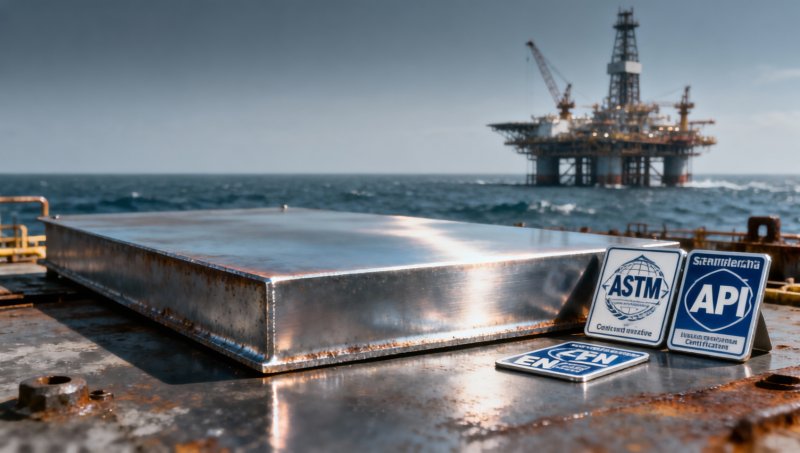
I Shaped Beams: Structural Backbone for Offshore Support Systems
In platform substructures, I Shaped Beams serve as critical vertical and horizontal supports—especially in living quarters, helidecks, and utility corridors. Our hot-rolled I-beams comply with ASTM A36, EN 10025-2 S235J2, and GB/T 11263 Q235B, offering consistent flange-web geometry, tight dimensional tolerances (±1%), and guaranteed impact toughness down to –20°C.
We also supply customized variants—including bent, welded, and punched configurations—for modular integration. Whether reinforcing an existing jacket leg or building a new flare stack support frame, our I Shaped Beams deliver economic section efficiency without compromising structural reliability.
Why Partner With Hongteng Fengda?
As a certified structural steel manufacturer and exporter from China, we combine ISO 9001-certified production, EN/ASTM/GB-compliant rolling lines, and dedicated offshore QA/QC teams. Unlike general commodity suppliers, we offer OEM-grade customization—from dual-certified S235JR steel + API 5L pipe bundles to laser-cut corrosion-resistant plate kits with pre-drilled mounting holes.
Our clients across the North Sea, Gulf of Mexico, and South China Sea rely on us for stable lead times (typically 6–10 weeks), batch-level certification packages, and technical support during fabrication planning. We reduce your sourcing complexity—not add to it.
Ready to specify corrosion-resistant plate that meets DNV, API, and client-specific technical specifications? Contact Hongteng Fengda today for a free material selection consultation, sample test reports, and competitive offshore-ready quotations.
Related recommendations
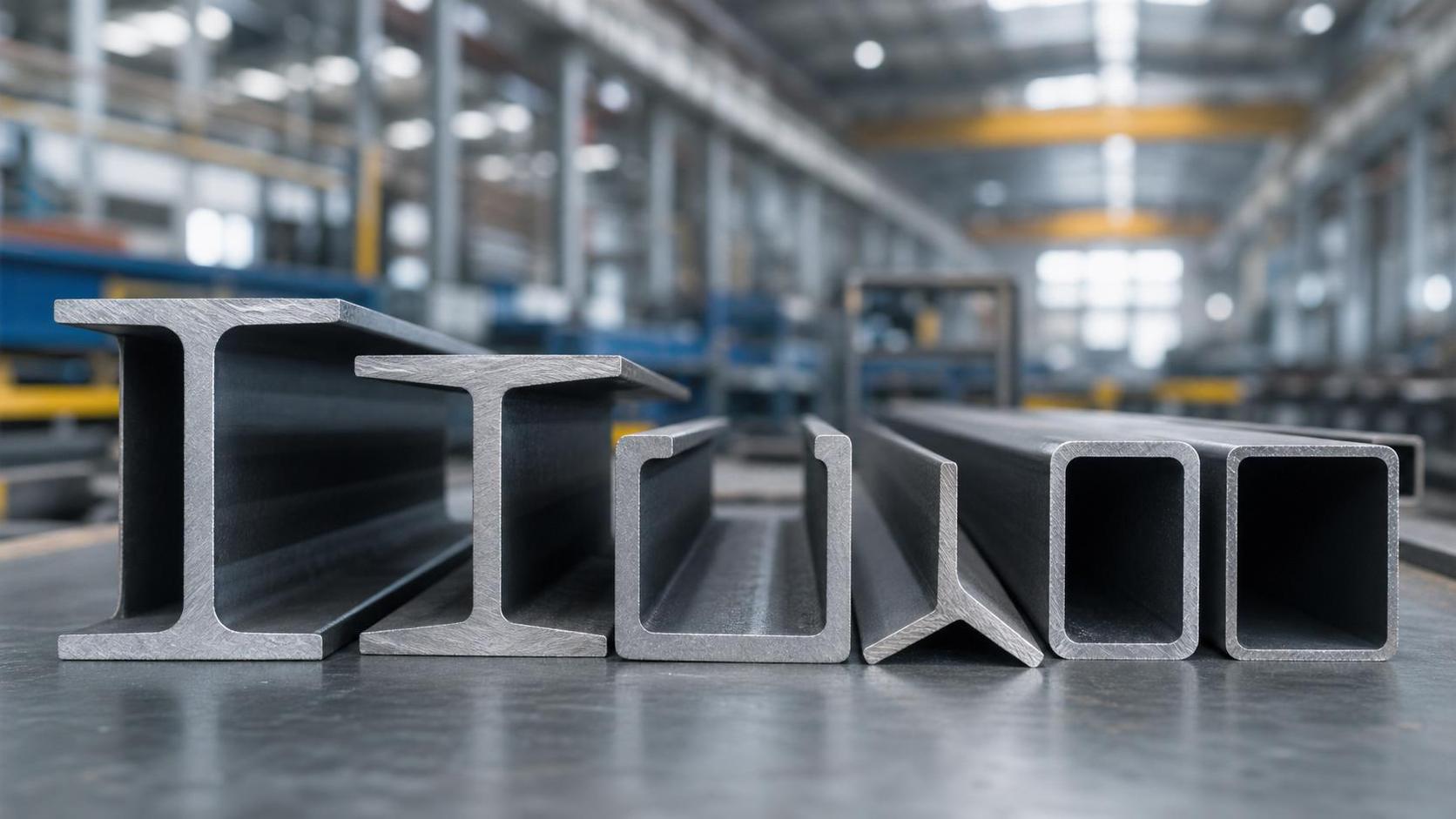
 What Is a Steel Profile? Common Shapes, Uses, and Selection BasicsProfile selection starts with shape, but performance depends on load, fabrication, and standards. Learn common steel profile types, uses, and smart selection basics.
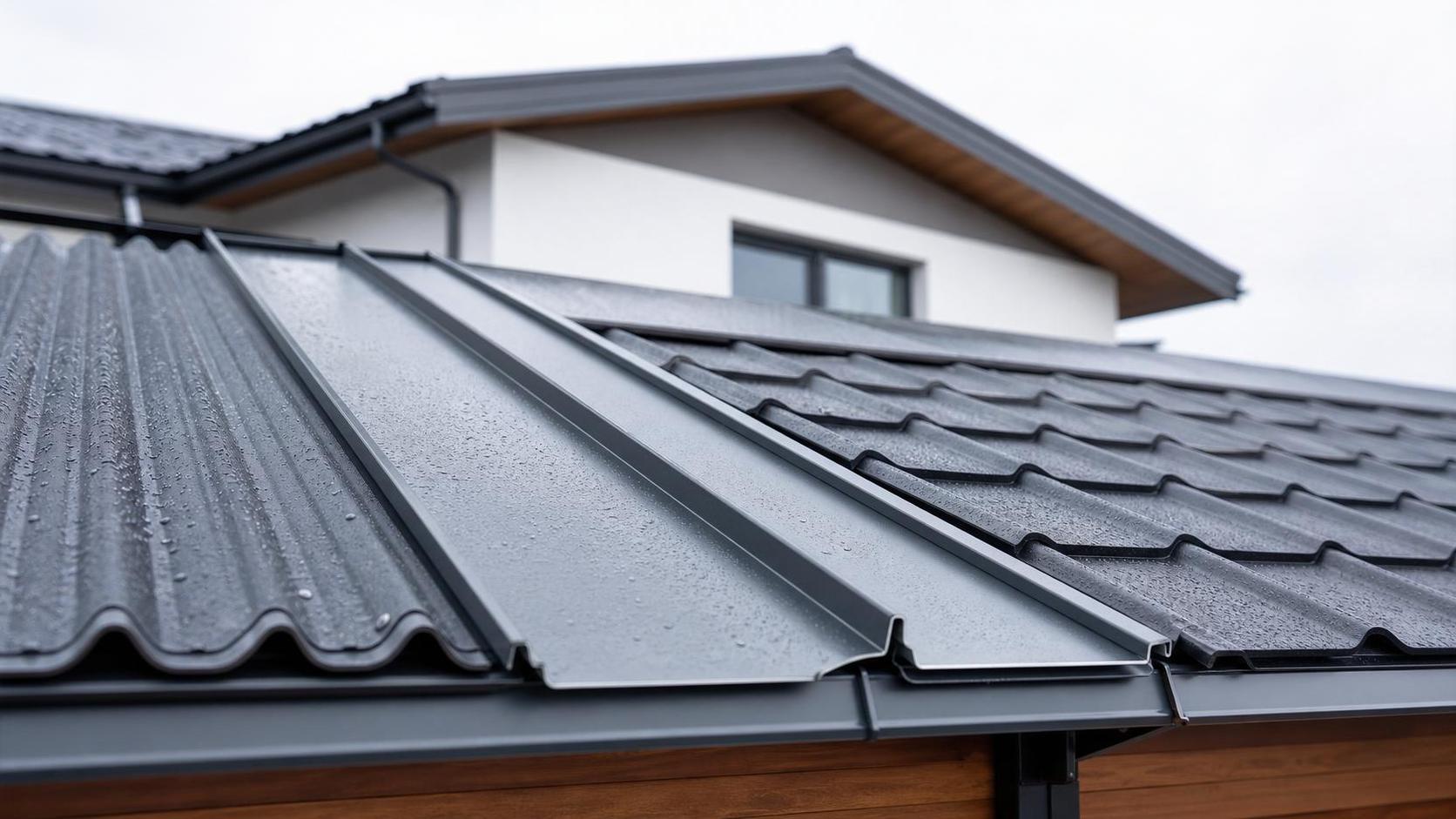
 Steel Roofing Types Explained: Corrugated, Standing Seam, and Metal ShinglesSteel Roofing guide comparing corrugated panels, standing seam, and metal shingles. Discover costs, durability, weather performance, and how to choose the best roof for your home.
 How Hot-Dip Galvanized Coating Thickness Affects Service LifeHot-dip galvanized coating thickness directly affects steel service life. Learn how the right zinc layer improves corrosion protection, controls cost, and supports smarter project decisions.
 Pipe Stainless Grades Explained: 304 vs 316 for Corrosion ResistancePipe stainless grades explained: compare 304 vs 316 for corrosion resistance, cost, and service life. Learn which stainless pipe grade fits marine, chemical, and water system applications.
Please give us a message


Please enter what you want to find