Selecting the right stainless flat plate for offshore platforms demands careful balancing of corrosion resistance and weldability—especially under harsh marine environments. As a trusted stainless flat plate for marine applications supplier, Hongteng Fengda delivers ASTM-compliant flat plate stainless steel for industrial use, including steel round plate for structural applications and sst plate for food processing industry. Whether you're a procurement professional sourcing flat plate stainless steel supplier in Middle East, a project manager evaluating ss sheets price in India, or a quality engineer verifying stainless flat sheet ASTM standard compliance, our certified export solutions support global infrastructure with reliability, traceability, and performance.
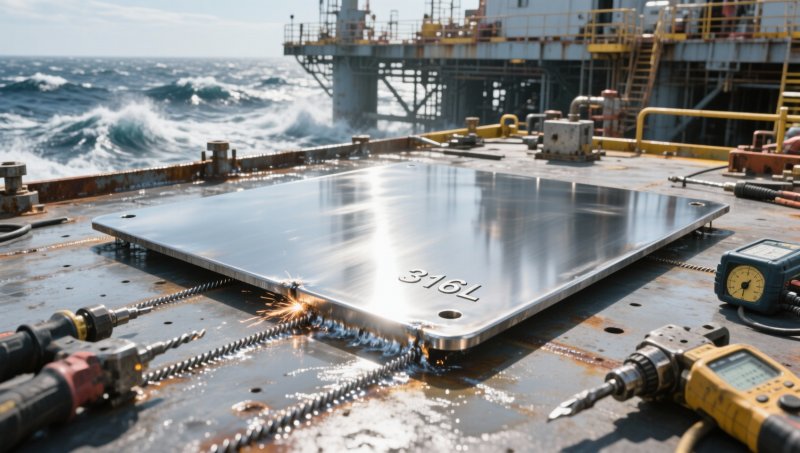
Why Corrosion Resistance and Weldability Can’t Be Optimized Simultaneously
Offshore platform structures operate in one of the most aggressive service environments on Earth—continuous exposure to chloride-laden seawater, cyclic loading, high humidity, and UV radiation. In such conditions, stainless flat plate must resist pitting, crevice corrosion, and stress corrosion cracking (SCC) over design lifespans exceeding 25 years. Yet achieving ultra-high corrosion resistance often requires higher molybdenum (e.g., 316: 2–3% Mo) or nitrogen content, which increases solidification cracking susceptibility during welding.
Conversely, grades optimized for weldability—like 304L (carbon ≤ 0.03%)—sacrifice pitting resistance (PREN ≈ 18–19) compared to 316L (PREN ≈ 24–26) or super duplex 2205 (PREN ≥ 34). Marine architects face a hard trade-off: selecting a grade that passes ISO 21457 corrosion testing but fails ASME Section IX weld procedure qualification—or vice versa.
This tension is amplified by fabrication constraints: field welding of large-format flat plates (>2m × 6m) on floating production units (FPUs) demands high heat input tolerance, low distortion, and minimal post-weld heat treatment (PWHT) requirements—factors directly tied to ferrite content, thermal conductivity, and coefficient of expansion.
The table reveals a clear inverse correlation: as PREN rises, permissible heat input drops—directly impacting field weld speed, labor cost, and rework risk. For example, welding 2205 at >0.7 kJ/mm increases ferrite-to-austenite imbalance, risking sigma phase formation after 10 minutes at 700–900°C. That’s why marine architects specify strict preheat/interpass temperature controls—and why suppliers like Hongteng Fengda validate every coil against ASTM A240/A480 with full traceable mill test reports (MTRs).
How Structural Design Integration Influences Plate Selection
Marine architects don’t select stainless flat plate in isolation—they evaluate it within the broader structural system. Load paths, connection types, and fatigue life calculations dictate not just material grade, but also thickness tolerance, surface finish, and edge condition. A 25mm-thick 316L plate used for a crane pedestal base must meet ±0.8mm thickness tolerance per EN 10029 Class B, while the same grade in a non-structural handrail may accept ±1.5mm.
Weld joint geometry further constrains choice. Fillet welds on stiffener attachments require high ductility and low hot-cracking tendency—favoring stabilized grades like 321 (Ti-stabilized) over 304. But 321 introduces titanium carbide precipitation risks if held between 427–816°C for >1 hour—common during multi-pass welding of thick sections. This is where Hongteng Fengda’s in-house metallurgical lab provides critical support: verifying solution-annealing effectiveness via ASTM A923 Method C (ferrite testing) and intergranular corrosion (IGC) screening per ASTM A262 Practice E.
Moreover, offshore platforms increasingly integrate hybrid structures—combining carbon steel main frames with stainless cladding or H-beam components for localized corrosion control. Here, galvanic compatibility becomes decisive: coupling 316L to Q345B steel without insulation invites accelerated anodic dissolution of the carbon steel. Our engineering team routinely models galvanic current density using ASTM G71 guidelines to recommend optimal insulating gasket materials and cathodic protection spacing.
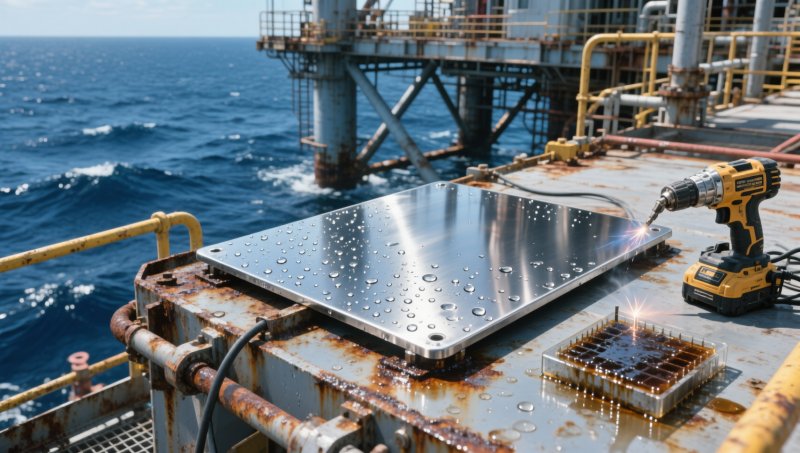
Procurement Criteria Beyond Grade & Thickness
For procurement professionals and project managers, specification goes far beyond “316L, 20mm”. Critical commercial and technical parameters include:
- Mill certification: ASTM A240/A480 with full chemistry, mechanicals, and corrosion test results—not just “conforms to” statements
- Surface finish: No. 1 (hot-rolled annealed & pickled) vs. 2B (cold-rolled) affects paint adhesion and chloride retention—critical for splash zone applications
- Edge condition: Slit edges must be free of micro-cracks (ASTM A480, Section 10.2.3); laser-cut edges require stress-relief annealing for thicknesses >12mm
- Traceability: Batch-level heat numbers linked to MTRs, with full chain-of-custody documentation for API RP 2A-WSD compliance
- Delivery readiness: Pre-cut plates (±1mm dimensional tolerance) reduce offshore labor costs by up to 35% versus raw coils requiring on-site processing
Hongteng Fengda maintains dedicated offshore logistics lanes—including ISO 14644 Class 8 clean packaging for sensitive applications—and offers third-party inspection (SGS/BV/TÜV) at origin. Lead time for ASTM A240 316L flat plate is typically 6–8 weeks from order confirmation, with expedited options available for urgent campaigns.
Real-World Validation: From Specification to Service Life
In 2023, Hongteng Fengda supplied 316L flat plate (12–40mm) for the topside module of a Gulf of Mexico FPSO. The architect specified dual-certified material (ASTM A240 + NORSOK M-650) with enhanced ferrite control (35–55% ferrite) and mandatory ASTM A923 Method A testing. All plates underwent 100% ultrasonic testing (UT) per ASTM A435, with zero indications exceeding 10% of reference amplitude.
Post-installation monitoring showed no pitting after 18 months of service—even in areas with intermittent seawater spray and stagnant condensate. This outcome was enabled not just by material selection, but by integrated process control: controlled cooling rates during hot rolling, precise annealing atmosphere (dew point ≤ –40°C), and rigorous descaling to prevent embedded iron contamination.
These tighter controls translate directly into reduced lifecycle risk: fewer weld repairs, lower inspection frequency, and extended intervals between major maintenance campaigns—critical for operators managing CAPEX budgets across 20+ year asset lives.
Next Steps for Your Offshore Project
Whether you’re finalizing specifications for a newbuild FPU, retrofitting corrosion-prone zones on an aging platform, or benchmarking stainless flat plate pricing across Asia-Pacific suppliers, Hongteng Fengda provides engineered support—not just material supply. Our technical sales engineers collaborate directly with marine architects to review P&IDs, structural drawings, and welding procedure specifications (WPS) before quotation.
We offer free material selection workshops, ASTM/EN/NORSOK cross-reference guides, and digital MTR portals with real-time batch tracking. For projects requiring rapid turnaround, our Guangdong-based facility maintains strategic stock of common offshore grades—including 316L, 2205, and ASTM A572 H-beam —with 7-day dispatch for standard sizes.
Contact our offshore steel solutions team today to request a customized specification checklist, comparative cost analysis for your region, or a sample pack with full certification documentation.
- ASTM A572
- steel supplier
- ASTM standard
- stainless steel supplier
- sst plate
- stainless flat plate
- stainless flat sheet
- steel round plate
- flat plate stainless steel
- ss sheets price
- H-beam
- carbon steel
- flat plate stainless steel for industrial use
- stainless flat sheet ASTM standard
- stainless flat plate for marine applications
- sst plate for food processing industry
- ss sheets price in India
- flat plate stainless steel supplier in Middle East
- steel round plate for structural applications
Related recommendations
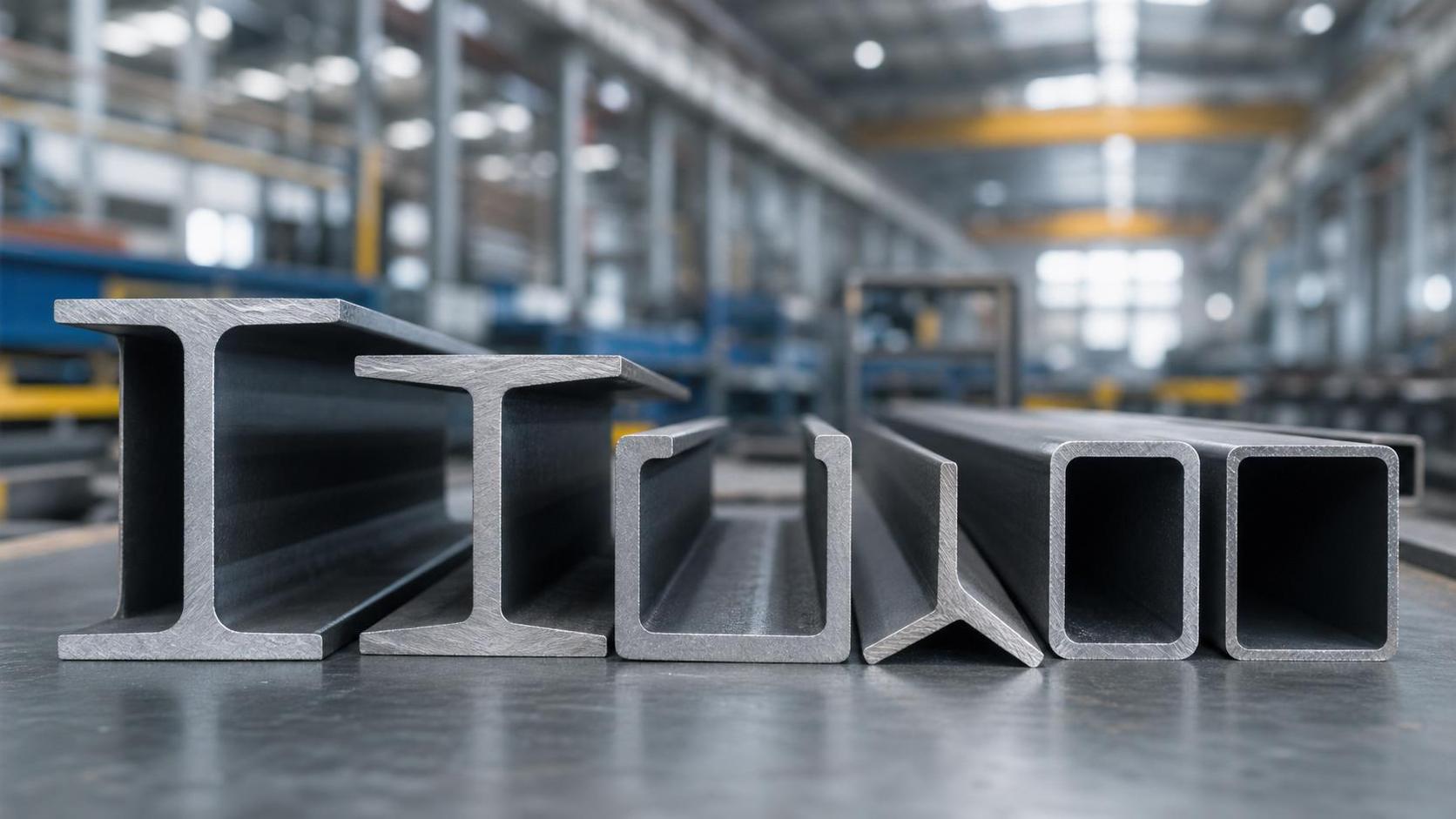
 What Is a Steel Profile? Common Shapes, Uses, and Selection BasicsProfile selection starts with shape, but performance depends on load, fabrication, and standards. Learn common steel profile types, uses, and smart selection basics.
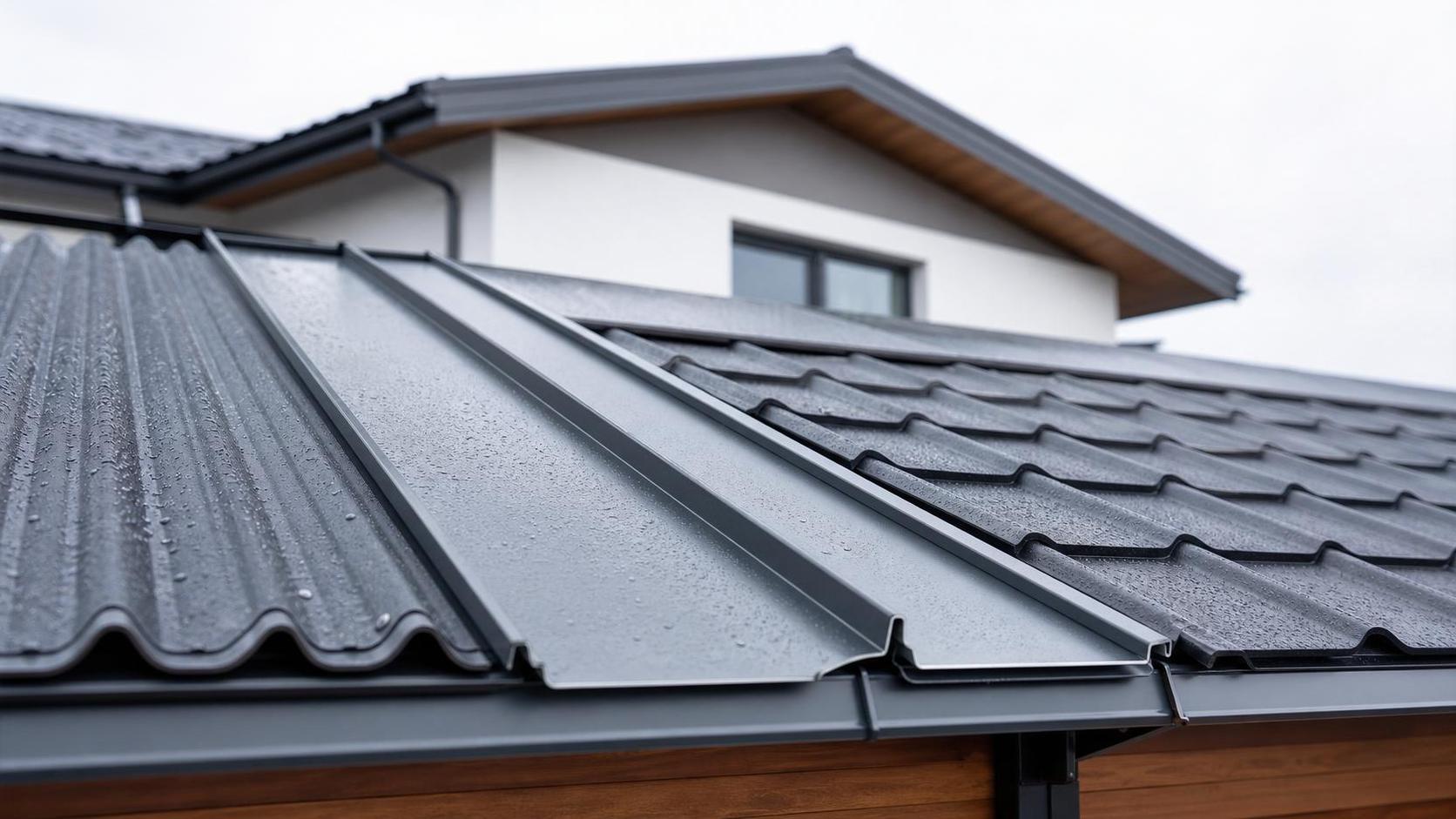
 Steel Roofing Types Explained: Corrugated, Standing Seam, and Metal ShinglesSteel Roofing guide comparing corrugated panels, standing seam, and metal shingles. Discover costs, durability, weather performance, and how to choose the best roof for your home.
 How Hot-Dip Galvanized Coating Thickness Affects Service LifeHot-dip galvanized coating thickness directly affects steel service life. Learn how the right zinc layer improves corrosion protection, controls cost, and supports smarter project decisions.
 Pipe Stainless Grades Explained: 304 vs 316 for Corrosion ResistancePipe stainless grades explained: compare 304 vs 316 for corrosion resistance, cost, and service life. Learn which stainless pipe grade fits marine, chemical, and water system applications.
Please give us a message


Please enter what you want to find