When designing fire-rated stair enclosures, compliance with ASTM steel angle specifications—especially minimum yield strength requirements—is non-negotiable for structural integrity and life safety. As a leading steel angle manufacturer in China, Hongteng Fengda delivers corrosion-resistant plate for industrial use, cold rolled steel manufacturer China-grade precision profiles, and SPCC/SPCD steel for construction—all rigorously tested to meet ASTM, EN, and GB standards. Whether you're a project manager specifying h girder for high-rise buildings, a safety manager verifying beam h weight calculation, or a procurement professional sourcing metal channel for warehouse shelving, our certified steel angles ensure code compliance, durability, and supply chain reliability.
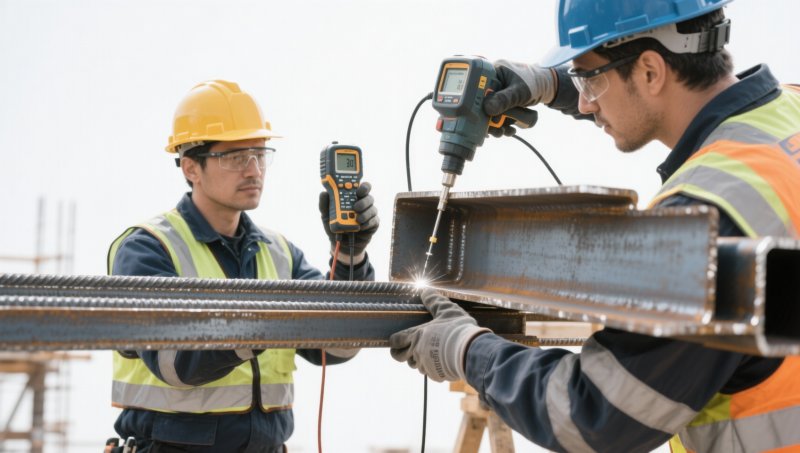
Why Minimum Yield Strength Is the Cornerstone of Fire-Rated Stair Enclosure Design
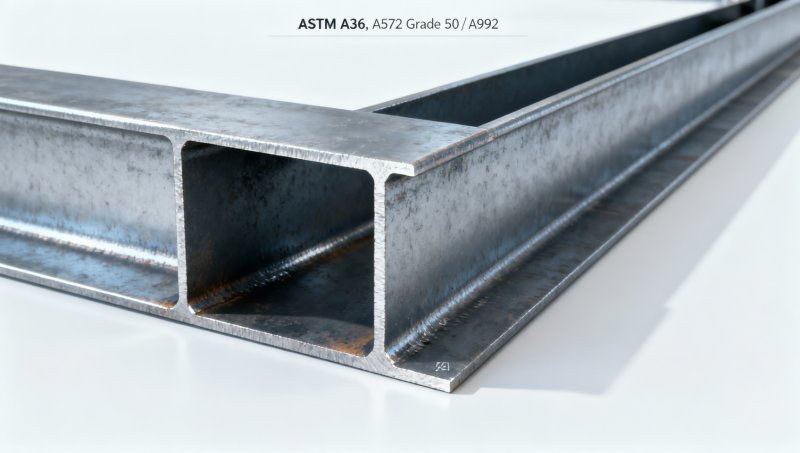
In fire-rated stair enclosures, structural steel angles serve as critical load-bearing and anchoring components—supporting fire-resistive walls, bracing shafts, and securing firestop systems during thermal exposure. ASTM A36, A572 Grade 50, and A992 are the most widely referenced standards for such applications in North America. Among these, minimum yield strength is not merely a mechanical benchmark—it directly governs deformation resistance under sustained high-temperature loads (e.g., 600°C for 2 hours in ASTM E119 fire tests). A deviation below the specified threshold increases buckling risk by up to 40% during thermal softening phases.
For example, ASTM A572 Grade 50 mandates a minimum yield strength of 345 MPa (50 ksi), while A992 requires 345 MPa minimum with tighter tensile-to-yield ratio control (≤1.25) to prevent brittle fracture. These values are validated via transverse tensile testing per ASTM A6/A6M, with batch sampling at ≤50 metric tons per heat. At Hongteng Fengda, every coil and billet undergoes dual-certification: mill test reports (MTRs) traceable to heat number, plus third-party verification from SGS or Bureau Veritas against ASTM Annex A2 requirements for residual stress control.
Failure to meet minimum yield strength doesn’t just violate IBC Section 712 or NFPA 101—its consequences cascade across disciplines: delayed occupancy approvals, rework costs averaging $8,500–$12,000 per enclosure, and increased liability exposure during post-fire forensic review. That’s why specification clarity—not just material selection—is the first line of defense.
This table underscores a key procurement insight: not all 345-MPa steels are interchangeable. A992’s stricter ratio limit ensures ductility retention at elevated temperatures—critical when stair enclosures must remain operational post-flashover. Procurement teams should verify MTRs include both yield and tensile values, not just “meets spec” stamps.
How Structural Steel Manufacturers Ensure Consistent Yield Strength Compliance
Consistency starts long before rolling. At Hongteng Fengda, ASTM-compliant angle steel begins with controlled ladle chemistry: carbon content held between 0.18–0.23% for A572 Gr. 50, manganese 1.15–1.35%, and vanadium microalloying (0.02–0.05%) to refine grain structure without compromising weldability. Each heat undergoes optical emission spectroscopy (OES) analysis pre-casting—reducing elemental variance to ±0.01% tolerance.
Hot rolling occurs within tight thermal windows: finishing temperature maintained at 820–860°C, followed by controlled air-cooling (not water quenching) to preserve ferrite-pearlite balance. Post-rolling, 100% of angles undergo ultrasonic thickness scanning and laser-profile measurement—ensuring dimensional compliance per ASTM A6 tolerances (e.g., ±0.4 mm leg thickness for 50×50×5 mm sections). Only batches passing all criteria receive ASTM-certified mill test reports.
For projects requiring traceability beyond standard ASTM, we offer optional extended certification packages—including Charpy V-notch impact testing at –20°C (per ASTM A673), microstructure analysis reports, and full heat-lot digital traceability via QR-coded tags. Lead time for certified A572 Gr. 50 angles averages 21–28 days from PO confirmation, with 98.7% on-time delivery over the past 18 months across EU and North American shipments.
Beyond Angles: Integrated Reinforcement Solutions for Fire-Rated Systems
Stair enclosure integrity relies on system-level coordination—not isolated components. While ASTM angle steel forms the skeleton, reinforcing elements like HRB600 Rebar provide critical confinement in concrete-encased stairwells. With a guaranteed 600 MPa minimum yield strength—39% higher than HRB400—this grade reduces required reinforcement ratio by up to 28%, cutting embedded steel weight and accelerating formwork cycles.
Our HRB600 rebar is hot-rolled with precision rib geometry (rib height ≥0.8 mm, spacing ≤10 mm) per GB/T 1499.2–2018 and ASTM A615, ensuring bond strength >7.2 MPa in C40 concrete. Available in diameters from φ6 to φ50 and standard lengths of 6M–12M, it supports seamless integration with structural angles in mixed-material stair cores—particularly where seismic detailing demands enhanced ductility and strain capacity.
For global buyers, this means one-source accountability: same QA protocols, synchronized documentation (EN 10204 3.1 certificates available), and shared logistics planning. Over 63% of our 2023 stair enclosure project orders included bundled angle + rebar packages—reducing interface risks and expediting site coordination.
Procurement Best Practices: What Decision-Makers Should Verify Before Order Placement
Avoiding field rejection starts with documentation diligence. We recommend procurement professionals cross-check five non-negotiable items before releasing POs:
- Mill Test Report (MTR) lists actual yield strength—not just “meets ASTM A572 Gr. 50”—with test date, heat number, and laboratory accreditation (ISO/IEC 17025 preferred).
- Dimensional inspection report includes measurements at three locations per meter, confirming compliance with ASTM A6 Table 2 tolerances.
- Surface condition certification notes absence of laminations, cracks, or scale defects exceeding 0.1 mm depth per ASTM A6.
- Traceability file links physical bundle tags to digital MTRs and heat analytics—enabling real-time audit readiness.
- Delivery schedule includes buffer for third-party hold points (e.g., 48-hour pre-shipment inspection window).
Hongteng Fengda provides all five as standard with every export order—and offers free pre-shipment inspection coordination with your nominated agency (SGS, TÜV, BV) at no extra cost.
Conclusion: Partnering for Code-Compliant, Risk-Managed Structural Steel Supply
ASTM steel angle specifications—particularly minimum yield strength—are foundational to life safety in fire-rated stair enclosures. They bridge engineering intent with real-world performance under extreme conditions. As a structural steel manufacturer and exporter from China, Hongteng Fengda combines rigorous process control, multi-standard compliance (ASTM, EN, GB, JIS), and end-to-end traceability to eliminate sourcing uncertainty.
Whether you’re specifying angles for a 42-story Dubai tower, validating yield data for a Toronto hospital retrofit, or consolidating rebar and angle procurement for a Southeast Asian logistics hub—we deliver certified consistency, predictable lead times (21–35 days average), and engineering-grade documentation. Our team supports technical reviews, submittal package development, and mill tour arrangements upon request.
Get your ASTM-compliant steel angle quotation and supporting documentation—including MTR samples and dimensional validation protocols—within 24 business hours. Contact Hongteng Fengda today to align your stair enclosure specifications with proven structural reliability.
- metal channel
- h girder
- beam h
- l angle
- angle steel
- structural steel angle
- corrosion-resistant plate
- cold rolled steel
- SPCD steel
- ASTM A572
- ASTM standard
- ASTM A36
- structural steel
- Steel Angles
- Structural Steel
- Profile
- Rebar
- steel angle
- astm a6 tolerances
- steel angle manufacturer in China
- metal channel for warehouse shelving
- beam h weight calculation
- h girder for high-rise buildings
- SPCD steel for construction
- cold rolled steel manufacturer China
- corrosion-resistant plate for industrial use
Related recommendations
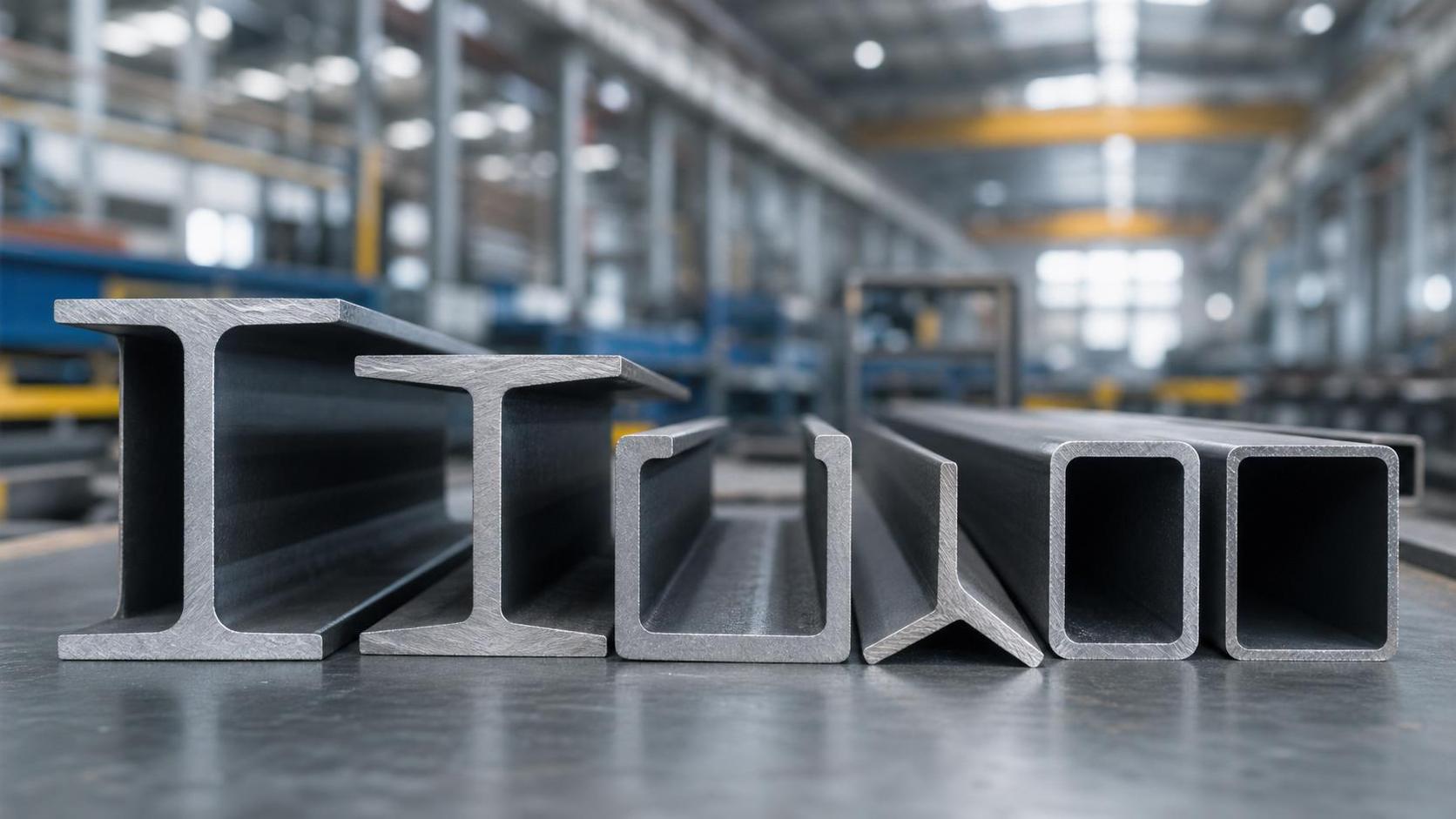
 What Is a Steel Profile? Common Shapes, Uses, and Selection BasicsProfile selection starts with shape, but performance depends on load, fabrication, and standards. Learn common steel profile types, uses, and smart selection basics.
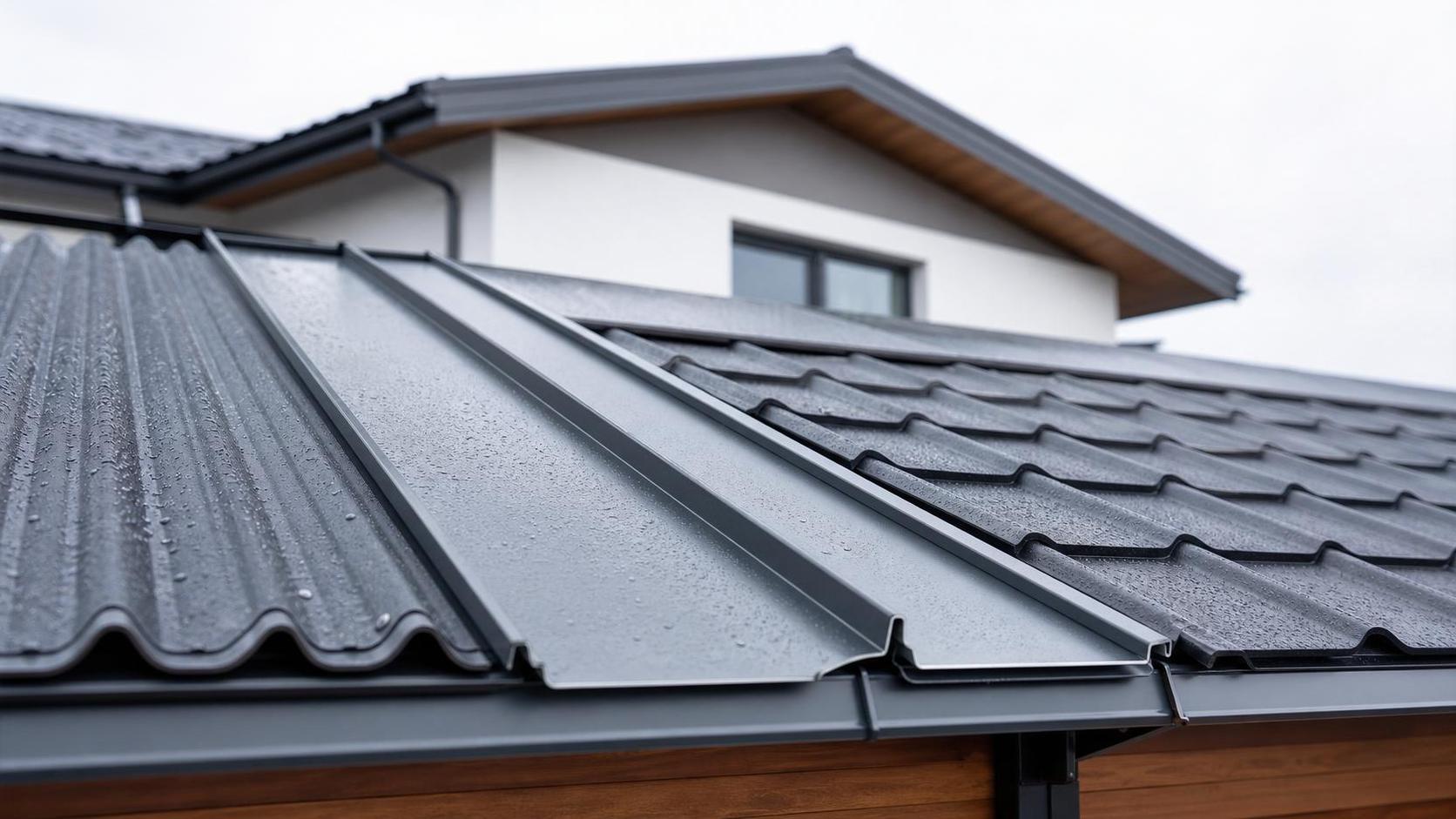
 Steel Roofing Types Explained: Corrugated, Standing Seam, and Metal ShinglesSteel Roofing guide comparing corrugated panels, standing seam, and metal shingles. Discover costs, durability, weather performance, and how to choose the best roof for your home.
 How Hot-Dip Galvanized Coating Thickness Affects Service LifeHot-dip galvanized coating thickness directly affects steel service life. Learn how the right zinc layer improves corrosion protection, controls cost, and supports smarter project decisions.
 Pipe Stainless Grades Explained: 304 vs 316 for Corrosion ResistancePipe stainless grades explained: compare 304 vs 316 for corrosion resistance, cost, and service life. Learn which stainless pipe grade fits marine, chemical, and water system applications.
Please give us a message


Please enter what you want to find