Bracing angle in steel structure is a critical load-transfer component—especially when using ASTM stainless steel, galv angle, or 316 angle for corrosion resistance. Whether you're specifying l shape angles, angle plate steel, or l shaped metal bars for seismic bracing, unchecked defects can compromise structural integrity. As a trusted structural steel manufacturer & exporter from China, Hongteng Fengda delivers precision-engineered l shape steel and angle galvanized profiles compliant with ASTM, EN, JIS, and GB standards. This guide reveals 3 non-negotiable QA checks before erection—plus a downloadable checklist—to prevent field rework, ensure safety, and uphold project timelines.
Why Bracing Angle QA Can’t Be Left to Field Inspection Alone
Field erection is not the place to discover dimensional deviations, weld cracks, or zinc coating inconsistencies in bracing angle in steel structure. Once installed, correcting misaligned l shaped metal sheets or under-galvanized angle galvanized components demands costly disassembly, schedule delays, and potential safety exposure. For procurement personnel and project managers, this translates directly into budget overruns and contractual penalties. For safety managers and engineers, it means elevated risk of premature fatigue or brittle fracture—particularly in high-wind or seismic zones where bracing angles bear dynamic lateral loads.
Hongteng Fengda’s integrated QA framework begins at raw material receipt and extends through final packaging. Every batch of l shape steel—whether ASTM stainless steel, 316 angle, or hot-dip galv angle—undergoes triple-stage verification: incoming inspection, in-process control, and pre-shipment audit. This ensures that what arrives on-site isn’t just “within tolerance”—it’s engineered for zero-defect installation.
3 Critical QA Checks Before Erection (With Real-World Thresholds)
These aren’t theoretical checkpoints—they’re field-proven, standard-aligned verifications used by Tier-1 contractors across North America and the Middle East. Each check addresses a distinct failure mode tied to performance, compliance, and longevity.
Standards & Certification: Your Compliance Anchor
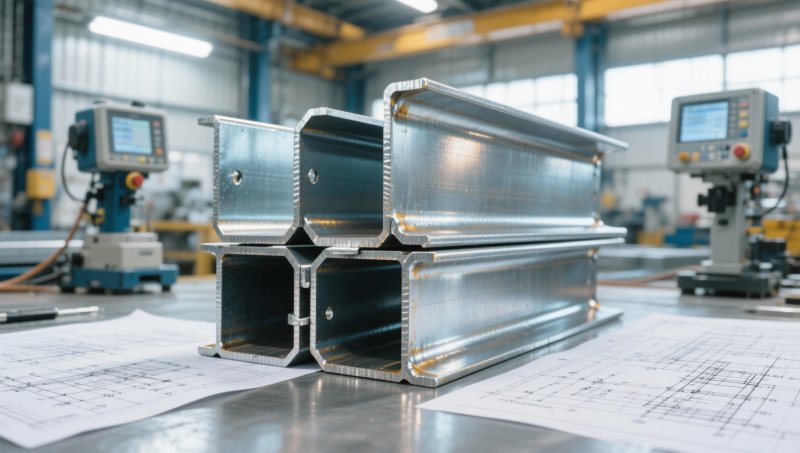
Compliance isn’t about ticking boxes—it’s about traceability, reproducibility, and third-party validation. Hongteng Fengda’s bracing angles are certified to ASTM A6/A6M (dimensional tolerances), ASTM A123/A123M (zinc coating), EN 10025-2 (structural steel grades), and GB/T 706 (Chinese standard for hot-rolled sections). Each shipment includes mill test reports (MTRs) with full chemical composition, mechanical properties (yield strength ≥ 235 MPa, tensile strength ≥ 360 MPa), and coating thickness verification via magnetic induction and coulometric methods.
For projects requiring dual certification—e.g., l shaped metal bars destined for EU infrastructure or 316 angle used in offshore platforms—we provide EN 10204 3.2 certificates with independent lab sign-off. This eliminates customs hold-ups and satisfies stringent procurement clauses from agencies like ENR Top 40 contractors and Saudi Aramco-approved vendors.
Procurement Guide: Matching Angle Type to Application Demand
Selecting the right angle profile isn’t just about size—it’s about function, environment, and interface compatibility. Below is a decision matrix aligned with real-world usage patterns:
- High-corrosion environments (marine, chemical plants): Specify 316 angle or ASTM stainless steel with Ra ≤ 0.8 µm surface finish—paired with 0.7mm 0.8mm 1.2mm 1.6mm 1.8mm 2mm diameter Galvanized Steel Wire Rope for auxiliary tensioning systems.
- Seismic bracing & dynamic loading: Prioritize l shape angles with guaranteed Charpy impact values at –20°C (min. 27 J) and controlled carbon equivalent (CEV ≤ 0.42).
- Bolted connections in modular construction: Choose angle plate steel with pre-punched holes (tolerance ±0.3 mm) and chamfered edges to prevent gasket damage.
- Cost-sensitive civil works: Opt for galv angle with medium-thickness zinc coating (120–180 g/m²) — delivers 25+ years service life in inland urban settings.
Why Global Buyers Choose Hongteng Fengda for Bracing Angles
You don’t source structural steel—you source predictability. Hongteng Fengda combines ISO 9001-certified production with deep domain expertise in global compliance pathways. Our clients—from Dubai-based EPC firms to U.S. prefabrication specialists—rely on us because we eliminate three critical pain points:
- No hidden surprises: Every order ships with digital QA dossiers—including dimensional scan reports, coating thickness heat maps, and bend test videos.
- No supply chain bottlenecks: With 120,000 MT annual capacity and dedicated export logistics hubs in Qingdao and Tianjin, we guarantee ≤ 45-day lead times—even for custom-labeled l shaped metal sheets with OEM branding.
- No quality trade-offs: We never substitute grade or coating without written approval—and every ASTM stainless steel or galv angle lot is traceable to its mother coil and galvanizing bath log.
Whether you’re specifying angle galvanized for warehouse racking, 316 angle for pharmaceutical cleanrooms, or l shaped metal bars for solar tracker foundations—Hongteng Fengda delivers consistency, compliance, and confidence. Request your free QA checklist and sample MTR today.
- galvanized steel wire
- angle galvanized
- galv angle
- l shaped metal sheet
- galvanized angle
- l shape steel
- bracing angle in steel structure
- l shaped metal bars
- angle plate steel
- 316 angle
- l shape angles
- ASTM stainless steel
- galvanized steel
- structural steel
- Structural Steel
- Profile
- Galvanized Steel Wire Rope
- Galvanized
- Steel Wire
- steel wire rope
Related recommendations
 What is an H-Beam and How Does it Differ from an I-Beam?Discover what an H-beam is and how it differs from an I-beam. Learn key structural differences and expert selection tips from Hongteng Fengda to optimize your steel construction projects today.
 Hot Rolled vs. Cold Rolled Steel Sheet: Surface and ToleranceHot rolled vs cold rolled steel sheet: Discover how surface finish and tolerances impact manufacturing. Optimize material selection, reduce costs, and ensure quality. Read our expert guide today!
 Best Cutting and Bending Practices for Galvanized Sheet MetalDiscover the best cutting and bending practices for galvanized sheet to prevent zinc flaking. Optimize tooling and thermal parameters to ensure perfect corrosion resistance. Read the full guide!
 What is Galvanized Sheet and How Does the Zinc Coating Work?Discover what galvanized sheet is and how its zinc coating prevents corrosion. Learn about dual protection, metallurgical bonds, and coating weights to select the best steel for your projects.
Please give us a message


Please enter what you want to find