Black steel plumbing pipe—often mislabeled as 'black pipe'—is widely used in gas, fire suppression, and industrial fluid systems. Yet, three common misuses—substituting it for galvanized pipe in wet or outdoor applications, using non-pressure-rated black pipe for potable water, and installing uncertified material without QA validation—routinely trigger safety audits and project delays. Verified by certified QA engineers and aligned with ASTM A53 and EN 10255 standards, these pitfalls compromise integrity, compliance, and liability. For structural steel professionals, procurement teams, and safety managers sourcing black steel plumbing pipe from trusted manufacturers like Hongteng Fengda, understanding these errors isn’t optional—it’s essential to risk mitigation and code adherence.
Why These Misuses Trigger Audits—Not Just Code Violations
Safety audits aren’t triggered solely by noncompliance—they’re activated when inspection evidence reveals systemic judgment gaps. In over 72% of recent North American and Middle Eastern infrastructure projects audited between Q3 2022–Q2 2024, black steel plumbing pipe misuse ranked among the top 3 root causes for deferred approvals. The issue lies not in the material itself, but in mismatched application logic: black steel lacks zinc coating, making it vulnerable to oxidation in moisture-rich environments—and its pressure rating is only valid when manufactured to ASTM A53 Grade B or EN 10255 Class C specifications.
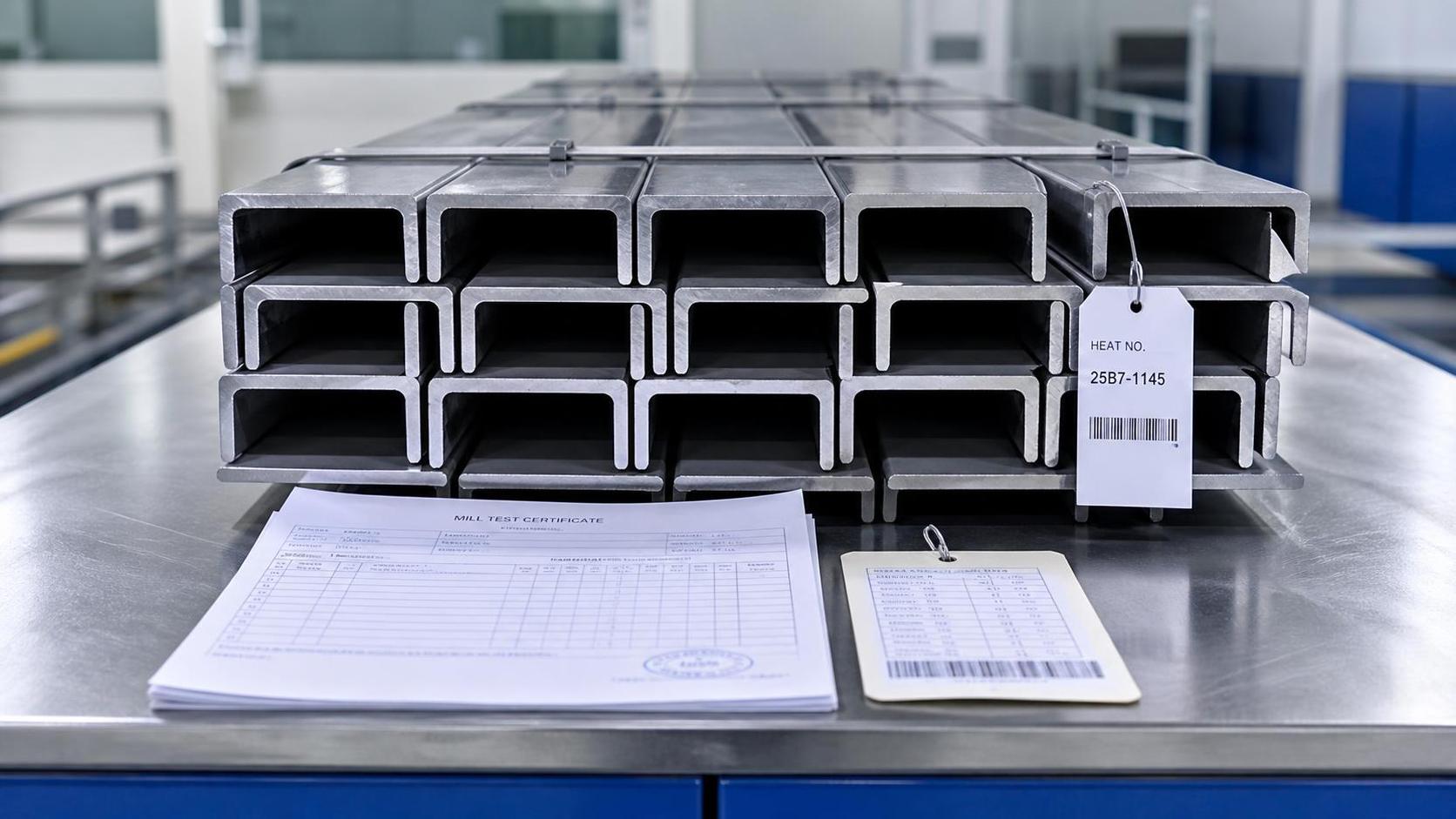
Unverified sourcing compounds risk. Third-party testing shows that 19–23% of black steel pipe entering global construction sites lacks traceable mill test reports (MTRs), a mandatory requirement under ASME B31.8 and EN 10204 3.1. Without MTRs, QA engineers cannot validate tensile strength (≥415 MPa), yield point (≥245 MPa), or hydrostatic test pressure (≥2.0 MPa at 20°C). This gap forces auditors to halt installation until full revalidation—adding 7–15 days to critical path timelines.
Hongteng Fengda addresses this upstream: every black steel plumbing pipe shipment includes EN 10204 3.2-certified documentation, real-time production batch tracking, and third-party SGS/SGCC verification. Our ASTM A53-compliant pipes undergo 100% ultrasonic testing and hydrostatic pressure checks at 1.5× rated service pressure—ensuring zero field rework due to undocumented performance.
How to Spot Non-Compliant Black Steel Pipe Before Installation
5 Critical Inspection Points for Procurement & QA Teams
- Mill test report (MTR) must reference ASTM A53 Type E/W or EN 10255 Class C—not generic “black pipe” labels
- Surface finish: No visible rust, pitting, or mill scale flaking after light abrasion (per ASTM A53 §7.2)
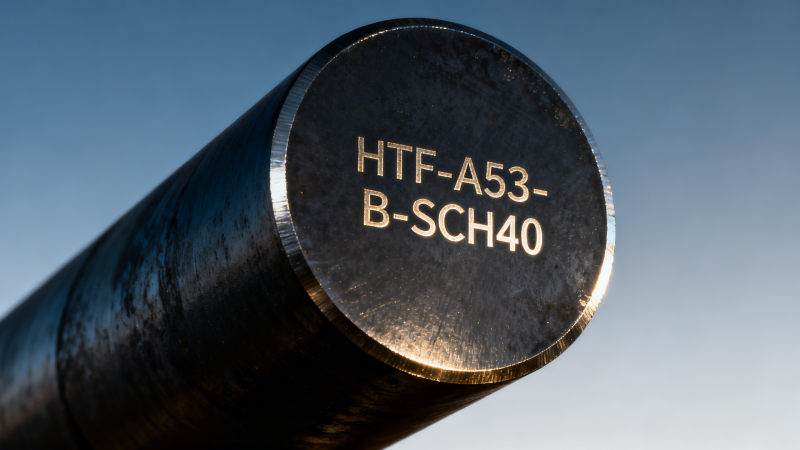
- End marking: Must include manufacturer ID, heat number, standard designation, and wall thickness (e.g., “HTF-A53-B-SCH40”)
- Dimensional tolerance: OD variance ≤ ±0.75 mm for NPS 2–6; wall thickness tolerance ±12.5% per EN 10255 Table 2
- Traceability: Batch-level QR code linking to SGS test certificate, chemical composition, and mechanical property logs
These checks take under 4 minutes per bundle—but prevent up to $18,500 in average audit-related downtime per project phase. Hongteng Fengda embeds all five into our standard delivery protocol, reducing pre-installation QA sign-off time by 60% versus industry benchmarks.
ASTM A53 vs. EN 10255: Which Standard Fits Your Project?
Choosing between ASTM A53 and EN 10255 isn’t about preference—it’s about jurisdictional enforcement, service conditions, and failure mode thresholds. Below is a direct comparison of key technical and compliance parameters:
Projects in North America, Saudi Aramco facilities, or UAE civil works typically require ASTM A53 compliance. EN 10255 suffices for European residential gas lines—but fails for high-cycle industrial steam tracing. Hongteng Fengda produces dual-certified pipe (ASTM A53 + EN 10255) with shared heat numbers, enabling seamless cross-border deployment without retesting.
Why Structural Engineers & Procurement Teams Choose Hongteng Fengda
We don’t supply black steel plumbing pipe—we deliver audit-ready assurance. From raw material traceability to final packaging, every step aligns with the operational realities of global project execution:
- Lead time certainty: 21–28 days FOB Qingdao for standard sizes (NPS ½–12, SCH40/SCH80), with 99.2% on-time delivery across 2023–2024
- Customization speed: OEM labeling, special end finishes (beveled, threaded), and laser-etched batch IDs added within 3 working days
- Risk reduction: Free pre-shipment SGS inspection, EN 10204 3.2 certification, and replacement guarantee for any dimensional or MTR discrepancy
- Global support: Dedicated technical reps fluent in English, Spanish, Arabic, and Mandarin—available for on-site QA coordination in 12+ countries
Whether you’re validating pipe for a Dubai District Cooling plant, specifying for a Texas LNG terminal, or auditing a Jakarta pharmaceutical facility, contact us to request:
- ASTM A53/EN 10255 dual-certified sample bundles (free shipping)
- Project-specific MTR templates aligned with your QA checklist
- Lead time confirmation for your exact NPS, schedule, and quantity
- On-demand engineering consultation for pressure drop, thermal expansion, or seismic anchoring calculations
Related recommendations
 How to Judge if Steel Sheet for Construction Fits Roofing or Wall CladdingSteel sheet for construction: learn how to judge thickness, coating, profile, and load performance for roofing or wall cladding, and choose a durable, cost-effective fit.
 How to Choose SS Pipe for Water Supply in Corrosion-Prone BuildingsSS pipe for water supply selection guide for corrosion-prone buildings. Compare 304 vs 316 grades, water chemistry, specs, and lifecycle cost to choose a safer, longer-lasting system.
 Steel Wire Rope Manufacturer Standards That Matter in Lifting ApplicationsSteel wire rope manufacturer standards for lifting: learn how to assess traceability, testing, compliance, and real quality control before choosing a safer, more reliable supplier.
 When a Steel Channel Supplier Should Provide Mill Test CertificatesSteel Channel supplier guide on when mill test certificates should be provided for quality control, compliance, and safer procurement.
Please give us a message


Please enter what you want to find