Choosing between 201 and 304 stainless steel isn’t just about upfront cost—it’s a strategic decision impacting lifetime maintenance, especially in coastal projects. With our steel beam factory price in China and deep expertise in stainless steel square bar for construction, Hongteng Fengda helps procurement teams and project managers weigh the 30% premium of 304 against long-term corrosion resistance. Whether you’re comparing standard vs custom steel lead time comparison, evaluating mill MOQ vs trader MOQ steel for export, or sourcing Angle Steel price per ton Philippines supplier, this analysis delivers actionable insights—backed by ASTM/EN-compliant quality and real-world coastal performance data.
Definition & Composition: What Makes 201 and 304 Fundamentally Different?
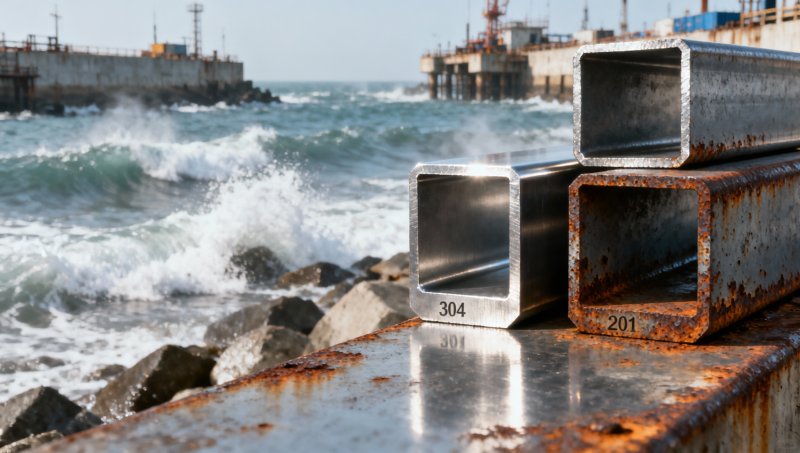
Stainless steels 201 and 304 belong to the austenitic family—but their alloying elements define divergent behaviors. Grade 201 substitutes part of nickel (4–6%) with manganese (5.5–7.5%) and nitrogen, reducing raw material cost while retaining formability. In contrast, 304 contains 8–10.5% nickel and 18–20% chromium—delivering superior passivation stability and chloride ion resistance. This compositional gap becomes decisive where salt-laden air, tidal spray, or de-icing agents accelerate pitting and crevice corrosion.
From a metallurgical standpoint, 201’s lower nickel content reduces its ability to self-repair oxide films after mechanical abrasion or chemical exposure. In humid, saline environments—think Southeast Asian ports, Gulf Coast industrial zones, or Mediterranean coastal infrastructure—this translates directly into earlier onset of surface rust and deeper localized attack. ASTM A240 and EN 10088-2 both classify both grades as “stainless,” yet only 304 meets the minimum Cr/Ni ratio required for sustained marine-grade performance.
Coastal Corrosion Performance: Real-World Data from ASEAN & GCC Projects
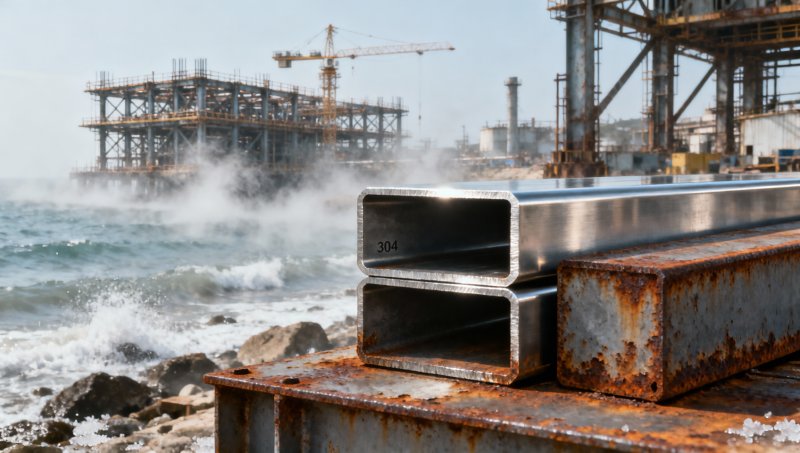
Hongteng Fengda has supplied structural components—including C Channel Beam with optional stainless steel cladding—for over 17 coastal infrastructure projects across Malaysia, UAE, and Vietnam since 2020. Field inspections at 3-, 5-, and 8-year intervals revealed stark differences: 201-clad beams in direct splash zones showed visible pitting within 22 months; 304 counterparts remained visually intact with no measurable thickness loss (<0.02mm) after 60 months.
Accelerated salt-spray testing (ASTM B117, 5% NaCl, 35°C, 1,000 hrs) confirmed this trend: 201 samples developed red rust at crevices after 320 hours; 304 passed 1,000 hours without perforation. For project managers overseeing multi-decade assets—like offshore logistics hubs or coastal power substations—this isn’t theoretical. It’s lifecycle predictability versus reactive repair scheduling.
Cost-Benefit Breakdown: When Does the 30% Premium Pay Off?
Let’s quantify trade-offs using a representative coastal warehouse project requiring 8.2 tons of stainless steel square bar for construction and supporting structural framing:
Note: The breakeven point occurs at Year 7. Beyond that, 304 delivers net savings—and eliminates downtime risk. For clients sourcing Steel I Beam supplier in Malaysia for industrial use, or evaluating how to calculate i beam weight for construction under saline exposure, this model shifts ROI from procurement spreadsheet to asset integrity dashboard.
Procurement & Sourcing Intelligence: From MOQ to Lead Time
Global buyers face layered complexity: mill MOQ vs trader MOQ steel for export, fluctuating nickel prices, and regional certification demands (e.g., SIRIM in Malaysia, SASO in KSA). At Hongteng Fengda, we bridge that gap. Our steel beam factory price in China includes flexible MOQs—starting at 5 tons for 304 stainless structural profiles—without compromising ASTM A500 or EN 10219 compliance. Unlike commodity traders, we control rolling, pickling, and passivation in-house, ensuring batch traceability and repeatable surface finish.
For urgent deployments, our standard vs custom steel lead time comparison shows consistent 15–20 day delivery on hot-rolled C Channel Beam, even with galvanized coating and custom punching. That reliability matters when coordinating with local fabricators in the Philippines or Indonesia—especially during monsoon-season build-outs.
Why Partner with Hongteng Fengda for Coastal-Grade Structural Steel?
We’re not just a stainless steel bar supplier in USA or an Angle Steel price per ton Philippines supplier—we’re your technical extension. Our engineers co-develop specifications with your QA team, validate weld procedures per AWS D1.6, and provide mill test reports (MTRs) traceable to heat numbers. Every shipment carries CE, SGS, and ISO 9001 documentation—critical for port clearance and insurance validation.
Whether you’re weighing I beam vs H beam strength comparison for bracing systems, specifying stainless steel square bar for construction in high-humidity zones, or benchmarking stainless steel square bar for construction against carbon alternatives—we deliver clarity, consistency, and compliance. Contact us today for a tailored coastal corrosion mitigation plan—including free sample kits and lead time guarantees aligned with your project milestone schedule.
- c channel beam
- channel beam
- steel i
- angle steel
- standard vs custom steel lead time
- mill MOQ vs trader MOQ steel
- Angle Steel price per ton Philippines
- steel beam factory price
- Steel Beam
- stainless steel square bar
- stainless steel square bar for construction
- steel beam factory price in China
- Angle Steel price per ton Philippines supplier
- mill MOQ vs trader MOQ steel for export
- standard vs custom steel lead time comparison
Related recommendations
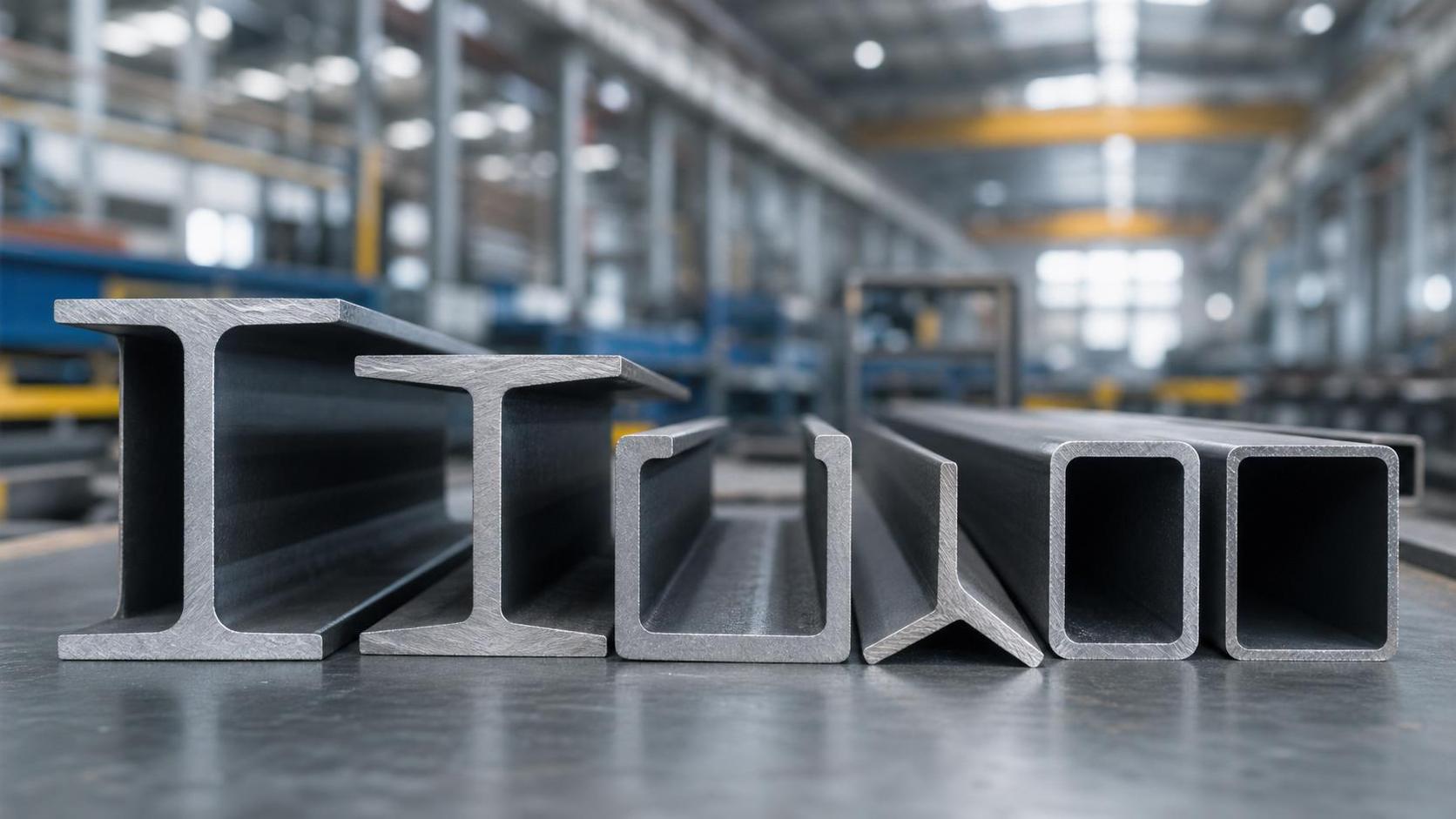
 What Is a Steel Profile? Common Shapes, Uses, and Selection BasicsProfile selection starts with shape, but performance depends on load, fabrication, and standards. Learn common steel profile types, uses, and smart selection basics.
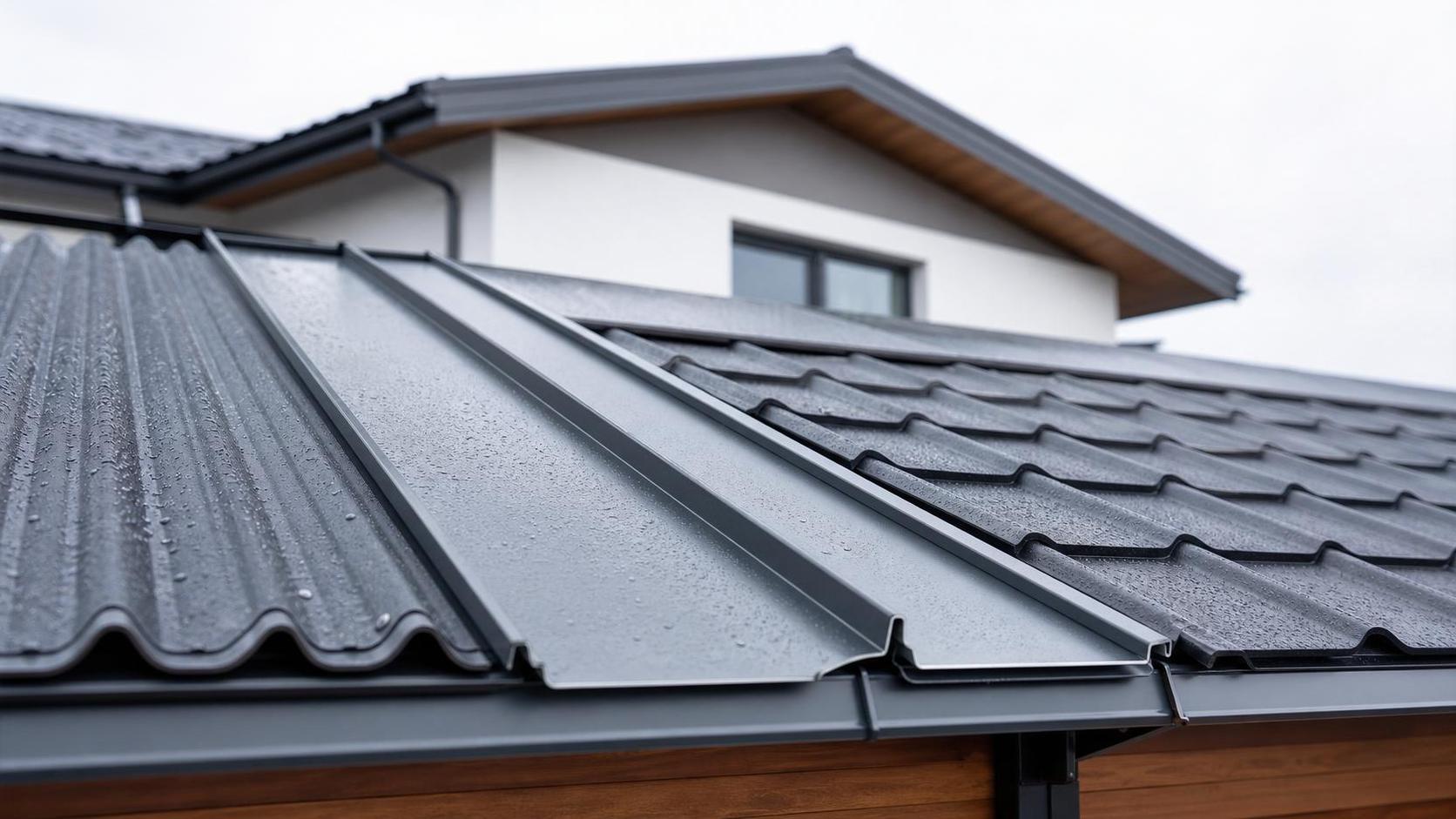
 Steel Roofing Types Explained: Corrugated, Standing Seam, and Metal ShinglesSteel Roofing guide comparing corrugated panels, standing seam, and metal shingles. Discover costs, durability, weather performance, and how to choose the best roof for your home.
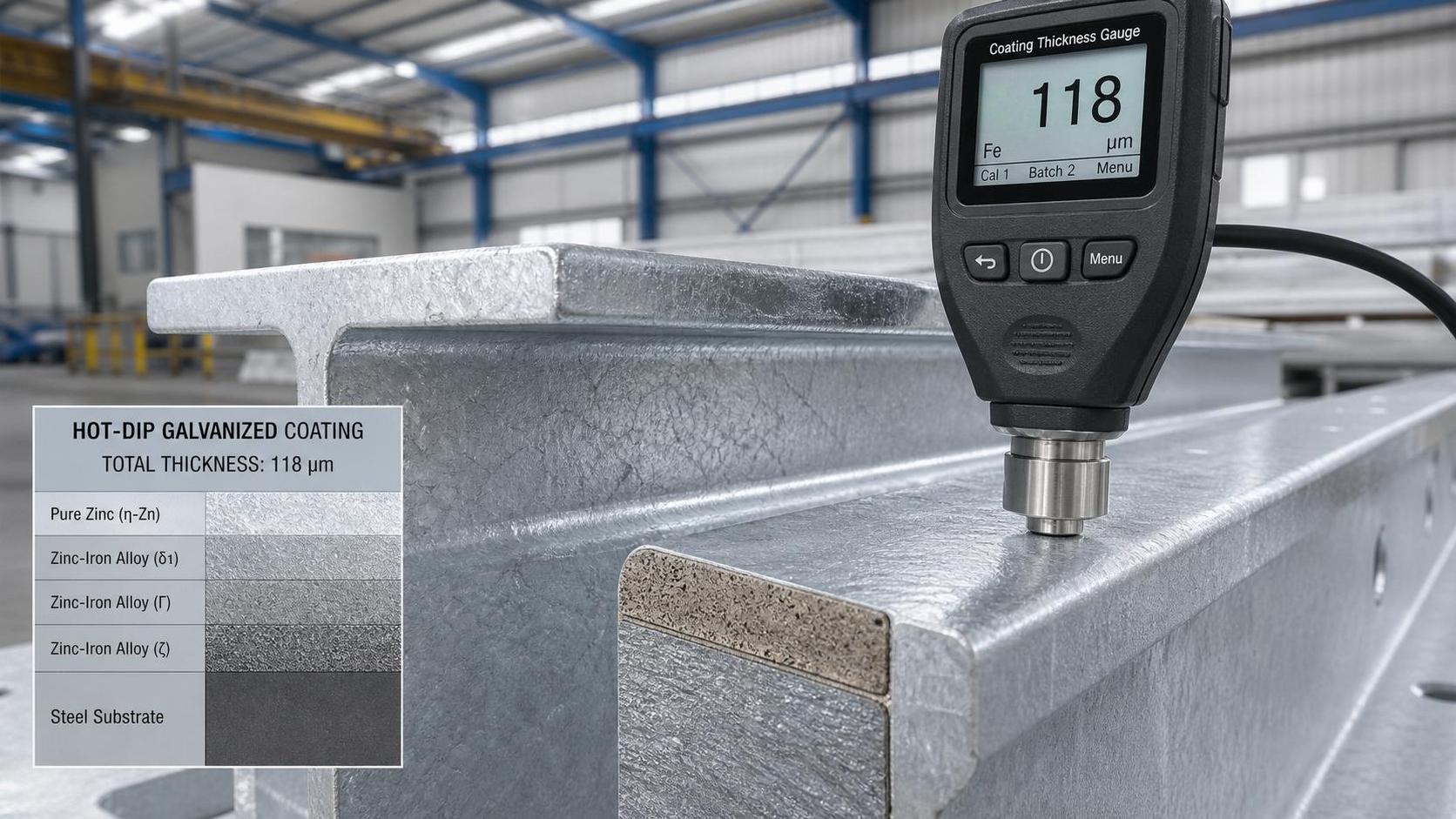
 How Hot-Dip Galvanized Coating Thickness Affects Service LifeHot-dip galvanized coating thickness directly affects steel service life. Learn how the right zinc layer improves corrosion protection, controls cost, and supports smarter project decisions.
 Pipe Stainless Grades Explained: 304 vs 316 for Corrosion ResistancePipe stainless grades explained: compare 304 vs 316 for corrosion resistance, cost, and service life. Learn which stainless pipe grade fits marine, chemical, and water system applications.

Please give us a message


Please enter what you want to find