Navigating lead time and MOQ risks in steel procurement requires strategic planning. This practical guide explores key considerations like mill MOQ vs trader MOQ steel, standard vs custom steel lead time differences, and critical questions procurement managers should ask steel suppliers. Learn how to optimize your steel procurement lead time planning while managing MOQ requirements for steel products, whether sourcing structural components or wire products with specific lead times. Essential reading for buyers balancing project timelines with minimum order quantity for steel rods and other materials.
Understanding Lead Time and MOQ in Steel Procurement
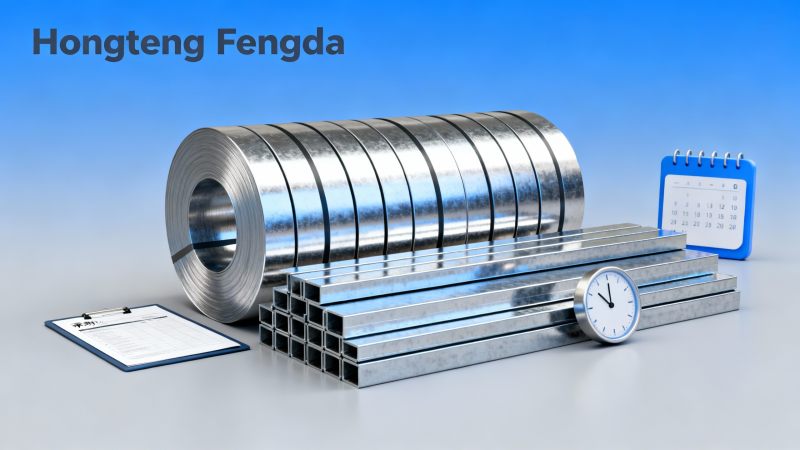
Lead time and Minimum Order Quantity (MOQ) are two critical factors that significantly impact steel procurement decisions. Lead time refers to the duration between placing an order and receiving the goods, while MOQ represents the smallest amount of product a supplier is willing to sell. These factors vary depending on whether you're dealing with mills directly or through traders, and whether you're ordering standard or custom steel products. For instance, 0.7mm 0.8mm 1.2mm 1.6mm 1.8mm 2mm diameter Galvanized Steel Wire Rope might have different lead times and MOQs compared to structural steel beams.
Mill MOQ vs Trader MOQ: Key Differences
When sourcing steel products, understanding the difference between mill MOQ and trader MOQ is crucial for procurement planning. Mills typically have higher MOQs as they operate on large-scale production runs, while traders can offer more flexible quantities by aggregating orders from multiple buyers. This distinction becomes particularly important when dealing with specialized products like galvanized steel wire ropes used in mining, loading, and marine industries. The MOQ requirements for steel products can vary significantly based on the production process and market demand.
Standard vs Custom Steel Lead Time Considerations
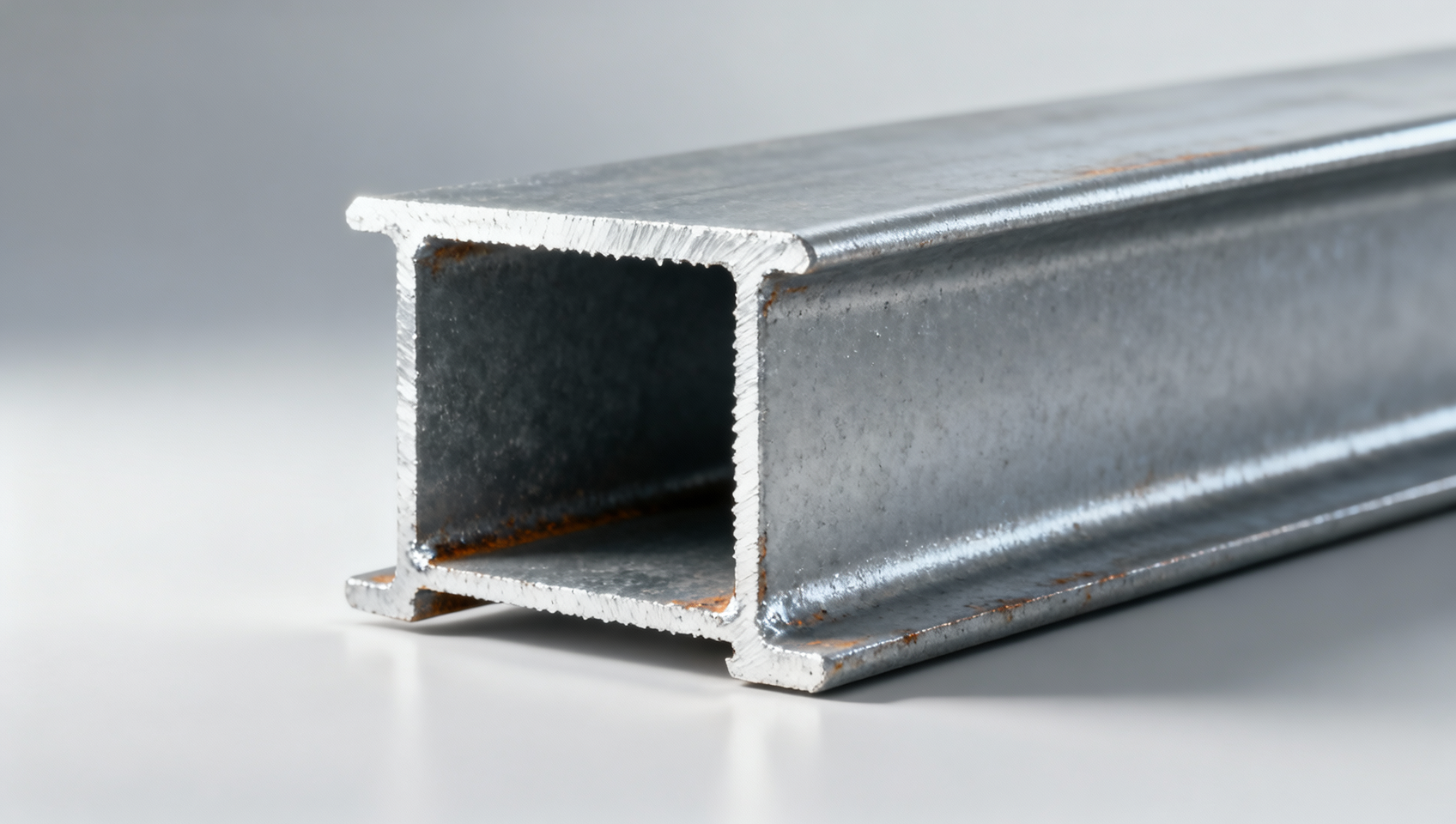
Standard steel products generally have shorter lead times as they're produced in regular production cycles. Custom steel components, however, require additional engineering and manufacturing time, leading to longer steel manufacturing lead times. For example, standard structural steel beams might be available in 4-6 weeks, while customized cold formed steel profiles could take 8-12 weeks. The steel rod lead time similarly varies based on specifications like diameter, coating (electro galvanized or hot dipped), and tensile strength requirements (1470Mpa to 1960Mpa).
Critical Questions for Steel Suppliers
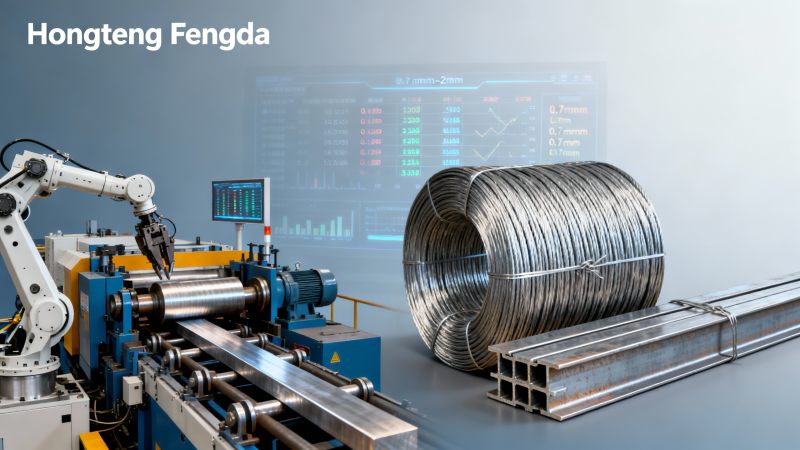
Procurement managers should ask steel suppliers specific questions to mitigate lead time and MOQ risks. These include inquiries about production capacity, quality control processes (such as compliance with ASTM, EN, JIS, and GB standards), and flexibility in order quantities. For wire products, questions should address zinc coating thickness options (15-260 g/m2) and available specifications (6X7+FC to 8x19S+FC). Understanding these factors helps in steel procurement lead time planning and ensures project timelines are met.
Why Choose Hongteng Fengda for Your Steel Procurement Needs
As a professional structural steel manufacturer and exporter, Hongteng Fengda offers reliable solutions with stable production capacity and consistent quality. Our expertise in angle steel, channel steel, and customized structural components, combined with strict quality control and international certifications, makes us a trusted partner for global projects. We understand the challenges of lead time and MOQ risks in steel procurement and work closely with clients to develop optimal sourcing strategies.
- channel steel
- angle steel
- galvanized steel wire
- steel supplier
- steel suppliers
- galvanized steel
- structural steel
- steel beams
- structural steel beams
- steel profiles
- Structural Steel
- Structural Steel Beams
- Steel Beams
- Steel Rod
- Profile
- Wire Products
- Galvanized Steel Wire Rope
- steel rod lead time
- minimum order quantity for steel rods
- wire products lead time
- steel manufacturing lead time
- MOQ requirements for steel products
- lead time and MOQ risks in steel procurement
- steel procurement lead time planning
- questions procurement managers should ask steel suppliers
- standard vs custom steel lead time
- mill MOQ vs trader MOQ steel
Related recommendations
 How long does acero prepintado retain gloss and color stability in direct desert sunlight?Acero prepintado gloss & color stability in desert sun? Discover real-world performance data, PVDF vs. polyester longevity, and spec-critical insights for GCC projects.
 Does acero pregalvanizado maintain coating integrity after cold bending to 90 degrees?Acero pregalvanizado maintains coating integrity after 90° cold bending — when engineered right. Discover how Hongteng Fengda guarantees real-world performance, adhesion & corrosion resistance.
 Do the advantages of galvanized steel include reduced fire risk compared to untreated carbon steel?Advantages of galvanized steel include measurable fire-risk reduction vs. untreated carbon steel—learn how zinc delays ignition, buys critical escape time, and enhances safety without false 'fireproof' claims.
 How much does 2 inch ss pipe price increase when upgrading from Schedule 40 to Schedule 80 for high-pressure systems?2 inch ss pipe price increases 18–35% when upgrading from Sch 40 to Sch 80—discover why, when it’s truly needed, and how to avoid overpaying.
Please give us a message


Please enter what you want to find