Reducing weight without losing strength: optimizing C section steel in 2026 trailer designs
In 2026 trailer engineering, optimizing C section steel for reduced weight and unchanged strength is reshaping efficiency and cost control across the structural steel field. As a leading Structural Steel Manufacturer & Exporter from China, Hongteng Fengda innovates with advanced materials such as Z150 steel sheet for military applications, Hot Rolled I Beam for structural support, and Hanwu Steel for construction scaffolding, providing tailored solutions that meet ASTM steel profile and international standards for superior performance in modern transport and manufacturing industries.
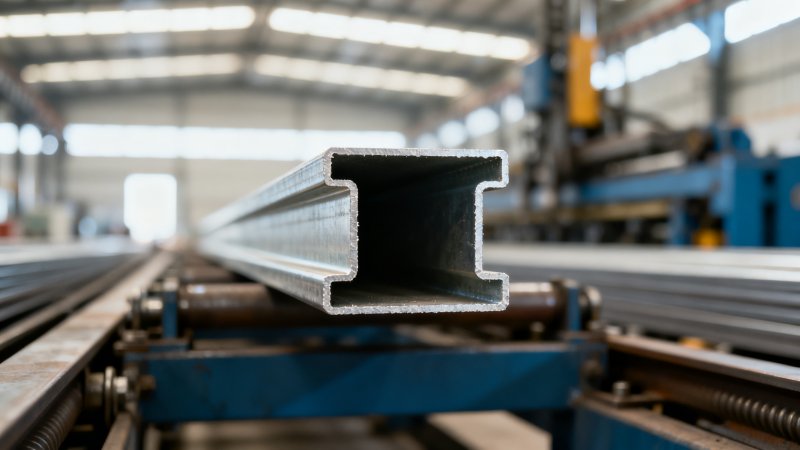
The evolution of trailer design demands a new balance between lightweight structures, load-bearing capacity, and lifecycle costs. C section steel, a common component for trailer chassis and side beams, has become the centerpiece of this transformation. This article explores how manufacturers can optimize section geometry, material composition, and fabrication techniques to achieve superior structural performance while addressing the practical needs of users, purchasers, and project managers across the global steel supply chain.
1. The role of C section steel in trailer structures
C section steel, also known as channel steel, offers a high strength-to-weight ratio that makes it ideal for trailer frames, side rails, and reinforcing beams. Its open cross-section allows for easier integration with welding, bolting, and cold-forming procedures, while maintaining rigidity in bending and torsional stress conditions. In recent years, engineers have refined C section profiles with flange thicknesses between 3 mm and 8 mm, improving stiffness by 12–18% without additional material usage.
The significance of optimizing this component lies in its direct influence on payload capacity and fuel efficiency. Studies show that every 100 kg reduction in trailer self-weight can improve fuel economy by roughly 1.5–2%. Therefore, engineering lighter yet equally strong C sections contributes to a measurable return on investment, particularly for logistics and construction transport fleets that accumulate thousands of operating hours annually.
Hongteng Fengda applies high-precision rolling and cold-forming technology to produce consistent C channel geometries within a tolerance of ±0.3 mm, ensuring stable assembly in automated trailer production lines. The combination of advanced hot rolled base material and Z-type surface coatings extends corrosion resistance up to 15 years, even under heavy road saline environments and temperature variations from −40°C to +60°C.
Common steel grades used in C sections for trailers
Engineers typically choose among structural steels such as Q235B, S355JR, ASTM A36, and high-strength low-alloy variants. The following comparison summarizes their key performance parameters:
The table highlights how material selection influences overall trailer resilience and design flexibility. For global buyers, selecting the right grade ensures compliance with regional standards such as EN10025, JIS G3101, and ASTM A572, minimizing re-certification cost and shortening engineering approval cycles by 20–30%.
2. Weight optimization strategies for 2026 trailer designs
By 2026, the trend toward high-strength light steel trailers involves not only material change but also structural simulation. Modern digital design tools enable optimization of C section geometry through finite element analysis (FEA), allowing engineers to reduce material volume by 10–15% while maintaining equivalent yield strength distribution across key stress zones.
Manufacturers adopt hybrid design frameworks that combine cold-formed C channels with welded reinforcement plates or stiffeners located at joint intersections. The result is a composite structure featuring better vibration fatigue resistance and 25% higher longevity under repetitive cyclic loading. Fine-tuning parameters like lip height, flange width ratio, and hole placement contributes up to 8% in additional weight saving without compromising durability.
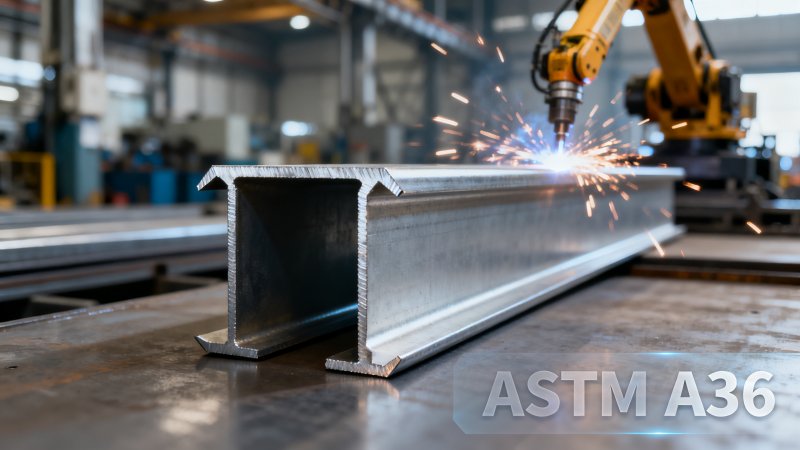
To ensure consistent quality during mass production, Hongteng Fengda integrates laser cutting automation with dimensional scanning technology achieving accuracy within ±0.2 mm. This process control level is vital for large-scale trailer assemblies of 6–12 m length, ensuring straightness tolerance within L/1000 as required by ASTM standards.
Design elements affecting trailer C section optimization
- Flange thickness adjustment to maintain consistent stress distribution along beam length.
- Cold-forming curvature calibration to prevent residual stress and deformation after welding.
- Use of high zinc coating steel sheets for corrosion protection exceeding 500 hours salt spray resistance.
- Integration of lightweight accessories such as Galvanized Steel Wire Rope for lifting and securing components, enhancing total structural flexibility.
Such design control enables trailer manufacturers to meet transport standards in markets where gross vehicle weight limits reach 48 tons while reducing gross chassis mass by 350–500 kg, providing measurable economic and environmental advantages.
3. Material innovation and surface protection
Material advancement is another pillar of C section optimization. High-strength low-alloy steel (HSLA) formulations with microalloying elements—like 0.05% niobium and 0.03% vanadium—offer up to 25% improved tensile performance compared to conventional mild steel. Coating technology further amplifies durability, where hot-dip galvanizing delivers corrosion barrier thickness ranging from 75 to 260 g/m² depending on exposure grade.
For critical marine or heavy-duty trailer operations, Hongteng Fengda applies epoxy primer systems followed by electro-galvanized finishing, achieving a combined protection lifespan exceeding 1,200 hours in standard salt spray testing (ASTM B117). Clients operating in coastal zones or high humidity regions especially benefit from this extended protection performance, reducing maintenance downtime by approximately 40% annually.
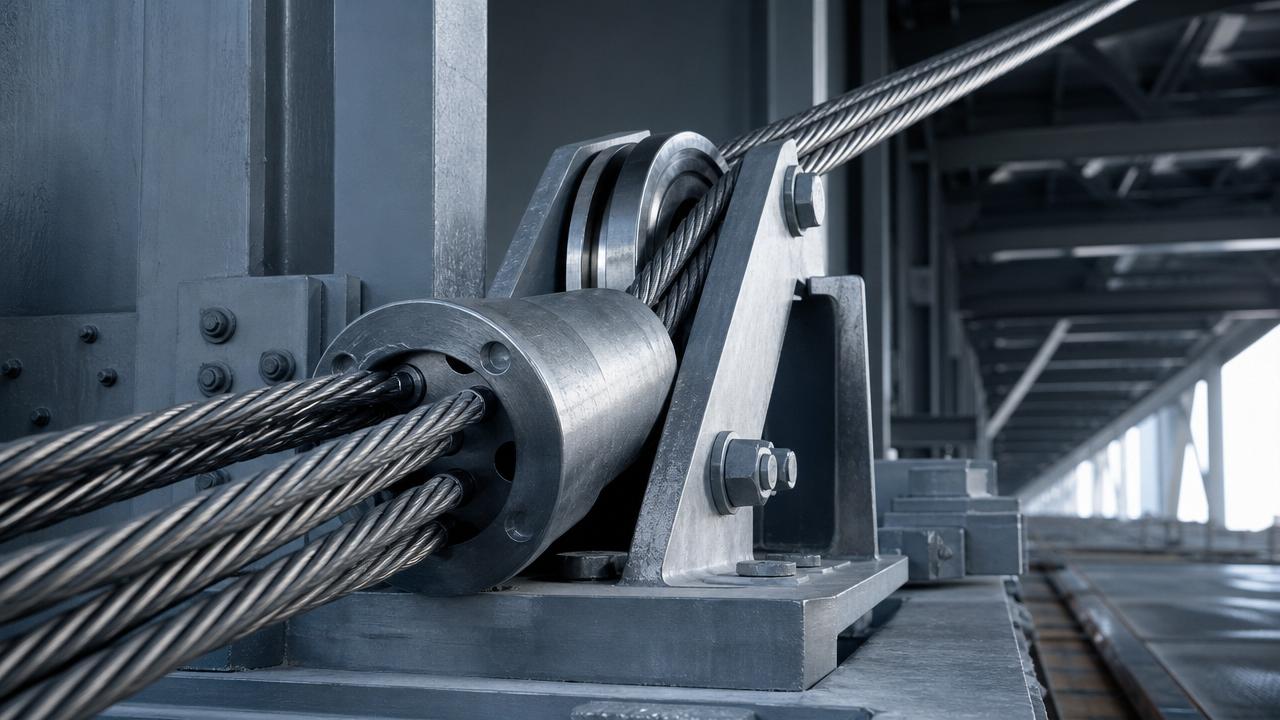
Complementary products such as the robust Galvanized Steel Wire Rope are utilized for connecting and suspension elements in cranes, elevators, and drilling applications. With tensile strength ranging from 1470 MPa to 1960 MPa and zinc coating options of 15–260 g/m², they ensure safety and functional reliability across multiple industrial environments including mining, construction, and rail infrastructure.
This structured coating control policy ensures that every component—from trailer chassis sections to auxiliary steel ropes—remains fit for harsh operational environments with predictable service life exceeding 10 years under continuous exposure.
4. Engineering efficiency and fabrication accuracy
In addition to material enhancement, fabrication accuracy determines structural rationality. Automated measurement systems and closed-loop CNC forming have reduced defect rates by up to 35%. Typical production lines run at speeds of 15–25 m/min depending on section size (100×50 mm to 300×75 mm), balancing productivity and micro-stress uniformity along the bending radius.
Hongteng Fengda's manufacturing process includes ultrasonic flaw detection at every 5-meter interval and full dimensional scan every 30 minutes, ensuring product conformity according to ISO 9001 and GB/T 20116-2008 criteria. This meticulous process reduces client-side rejection rate below 0.5%, improving project throughput and logistics synchronization across multiple site deliveries.
Beyond fabrication control, data-driven tracking systems analyze production batches and trace mechanical properties such as elongation (≥20%) and hardness (HRB 65–85) for warranty documentation. This transparency supports procurement decision-makers and quality supervisors in compliance reporting and safety audits required across construction and transport projects.
Typical fabrication inspection checkpoints
- Visual appearance and surface coating continuity check every 1,000 units.
- Thickness measurement accuracy verification within ±0.2 mm.
- Bend angle tolerance validation for cold-formed C channels below 1.5° deviation.
- Weld penetration analysis based on EN welding class B requirements.
Such process reliability ensures international buyers that Chinese structural steel exports maintain uniformity with North American, European, and Middle Eastern labeling standards, optimizing import clearance times by 10–12% on average.
5. Procurement perspectives and project integration
Procurement managers and project leaders prioritize quality assurance, on-time delivery, and lifecycle performance. To meet these goals, Hongteng Fengda integrates a multi-stage communication cycle consisting of 5 key phases—requirement assessment, design optimization, sample verification, mass production, and continuous after-sales evaluation—typically completed within 25–45 working days depending on order complexity.
From a sourcing risk perspective, collaborating with certified exporters guarantees predictable logistics through stable supply capacity exceeding 50,000 tons per year. Each batch production includes standardized mill test reports (MTR) validated under international classification societies like ABS or equivalent authorities, ensuring full traceability and ease of third-party inspection.
For distributors and agents, maintaining competitive inventory turnover ratios of 3–4 cycles per year on C section products ensures cost efficiency without compromising supply continuity, reinforcing Hongteng Fengda’s commitment to sustainable partnership positioning in the global steel market.
Conclusion and collaboration outlook
The future of trailer engineering in 2026 emphasizes a holistic approach to weight reduction and structural strength preservation. Optimizing C section steel involves synergy between geometry, material science, and advanced manufacturing precision. For businesses seeking to improve transport efficiency, cut maintenance costs, and ensure long-term reliability, choosing a proven structural steel exporter remains essential.
Hongteng Fengda delivers not only high-performance steel components but also comprehensive technical support and supply chain confidence built on international standard compliance. Whether you are a project manager designing new trailers, a procurement officer sourcing large-volume structural steel, or a distributor seeking consistent product quality, our solutions align with your engineering and commercial goals.
Contact Hongteng Fengda today to explore customized C section steel configurations and other structural steel components that drive innovation in trailer design, logistics, construction, and industrial applications worldwide. Get your tailored quotation and technical consultation to start optimizing your steel solutions for 2026 and beyond.
- channel steel
- steel i
- galvanized steel wire
- ASTM A572
- ASTM standards
- ASTM standard
- galvanized steel
- Z150 steel sheet
- Hot Rolled I Beam
- Hanwu Steel
- ASTM A36
- structural steel
- C section steel
- ASTM steel profile
- Structural Steel
- Profile
- Galvanized Steel Wire Rope
- S355JR
- Galvanized
- Steel Wire
- steel sheet
- steel profile
- steel wire rope
- steel wire rope for lifting
- Hanwu Steel for construction scaffolding
- Hot Rolled I Beam for structural support
- Z150 steel sheet for military applications
Related recommendations
 What Affects the Cost of Galvanized Steel in Fabrication Projects?Galvanized steel costs vary far beyond raw material price. Learn how coating, steel grade, fabrication, logistics, and hidden quote items affect project budgets before you buy.
 Steel Wire Strand Applications in Lifting and Support: Key Load and Safety ConsiderationsSteel wire strand selection for lifting and support starts with real load, fatigue, corrosion, and anchoring conditions. Learn how to improve safety, service life, and structural reliability.
 Architectural Steel Angle in Facades, Edges, and Clean LinesArchitectural steel angle improves facade edges, clean lines, and structural precision. Discover how it supports durability, faster installation, and smarter project control.
 Where Cold Formed Steel Angle Works Best in Modern BuildsCold formed steel angle works best in modular builds, secondary framing, and utility supports. Learn where it adds value, what to verify, and how to choose the right profile with confidence.
Please give us a message


Please enter what you want to find