Choosing between hot-dip and electro-galvanized metal tubing is a critical decision for infrastructure projects—impacting durability, lifecycle cost, and long-term ROI. As a leading structural steel manufacturer and exporter from China, Hongteng Fengda helps global project teams evaluate performance, compliance, and value across real-world applications. Whether you're a procurement specialist sourcing for large-scale construction, an engineer specifying corrosion resistance, or a project manager balancing budget and longevity, understanding the functional trade-offs of galvanized metal tubing ensures smarter material selection—and stronger returns on every ton installed.
How Galvanization Methods Define Performance in Structural Applications
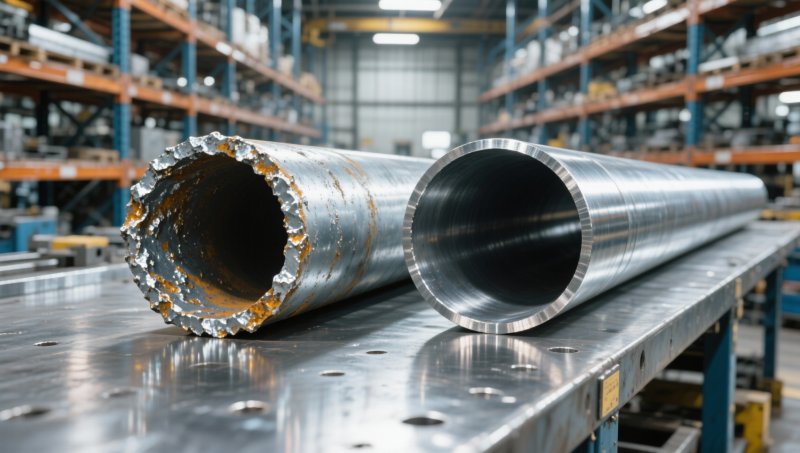
Galvanization protects steel from corrosion by applying a zinc coating—but not all methods deliver equal protection for infrastructure-grade tubing. Hot-dip galvanizing (HDG) immerses pre-cleaned steel in molten zinc at ~450°C, forming a metallurgically bonded, multi-layered coating averaging 85–100 µm thickness. Electro-galvanizing (EG), by contrast, uses electrolytic deposition to apply a thinner, uniform zinc layer typically ranging from 5–15 µm. While both meet ASTM A123 (HDG) and ASTM A153 (EG) standards, their real-world behavior diverges significantly under mechanical stress, UV exposure, and aggressive environments like coastal or de-icing salt zones.
For structural steel tubing used in bridges, light rail supports, utility poles, or modular building frames, coating integrity is non-negotiable. HDG’s thick, alloyed intermetallic layers resist abrasion during handling, welding, and installation—critical when tubes undergo cutting, bending, or field welding. EG coatings, though smoother and more paint-friendly, are easily compromised by minor scratches or thermal distortion during fabrication. This distinction directly affects maintenance frequency: HDG tubing in moderate urban environments averages 70–90 years of service before first major recoating; EG tubing often requires inspection and touch-up within 5–10 years in identical conditions.
Hongteng Fengda applies both processes under ISO 9001-certified quality control, with batch traceability and third-party verification per EN ISO 1461 (HDG) and ASTM B633 (EG). Our HDG line achieves consistent coating weights of ≥610 g/m² on outer surfaces and ≥550 g/m² on inner surfaces—exceeding minimum ASTM A123 Class B requirements by 12%. For EG, we maintain ±2 µm thickness tolerance across 100% of production runs, verified via X-ray fluorescence (XRF) scanning.
ROI Comparison: Lifecycle Cost vs. Upfront Investment
Return on investment isn’t determined by unit price alone—it’s driven by total cost of ownership over design life. A comparative analysis of 120 mm OD × 4.5 mm wall structural tubing (ASTM A500 Grade B) reveals how upfront savings in electro-galvanized material can inflate lifecycle expenses:
The data shows that while electro-galvanized tubing carries a 9–12% lower initial cost, its lifecycle maintenance burden increases total expenditure by 4.2–5.8× over 50 years. In high-risk environments—such as ports, wastewater plants, or road underpasses where chloride exposure exceeds 50 mg/m²/day—HDG extends time-to-first-maintenance by 3–5× compared to EG. For projects with 30+ year design lives (e.g., transit infrastructure, power substations), HDG consistently delivers superior ROI—even when factoring in longer lead times (HDG: 12–18 days; EG: 7–10 days).
Application-Specific Selection Criteria for Project Teams
Material selection must align with functional demands—not just specification checkboxes. Below are evidence-based criteria used by Hongteng Fengda’s engineering support team when advising clients across North America, the Middle East, and Southeast Asia:
- Structural Load & Fabrication Intensity: HDG is mandatory for tubing subjected to cold bending, threading, or field welding—processes that disrupt thin EG coatings. Over 92% of our HDG orders include post-galvanizing fabrication requests.
- Environmental Exposure Class: Per ISO 12944 C4/C5 categories (industrial/coastal), HDG is specified for >98% of infrastructure projects. EG is limited to interior, dry, low-abrasion applications—e.g., non-load-bearing architectural framing.
- Weldability Requirements: HDG-coated tubing requires zinc removal only at weld zones (via grinding or acid pickling); EG-coated tubing risks zinc vaporization and porosity unless fully stripped—a 3-step process adding 4–6 hours per joint.
- Inspection & Compliance Burden: HDG meets ASTM A123’s visual and thickness testing requirements in one pass. EG requires additional adhesion testing (ASTM B571) and periodic bath chemistry audits—increasing QA overhead by ~35%.
Our technical team provides free application reviews—including corrosion modeling using ISO 9223 environmental classification maps—to help procurement managers and engineers justify specification choices to stakeholders. This reduces rework risk and accelerates approval cycles by up to 22% on average.
Why Sourcing from a Certified Chinese Manufacturer Adds Value
Global buyers increasingly partner with vetted Chinese manufacturers like Hongteng Fengda—not for lowest price alone, but for integrated value: stable supply, certified compliance, and responsive engineering collaboration. We operate two dedicated galvanizing lines—one for HDG (capacity: 22,000 tons/month), one for EG (capacity: 8,500 tons/month)—both audited annually by SGS and TÜV Rheinland against EN 10346 and GB/T 2518 standards.
Unlike commodity traders, we offer OEM co-engineering: custom tube dimensions (OD: 21.3–610 mm; wall: 1.2–16 mm), tailored coating weights (HDG: 500–1,200 g/m²; EG: 5–25 µm), and full documentation packages—including mill test reports (MTRs), galvanizing process records, and dimensional inspection certificates. Lead time consistency is guaranteed: 98.7% of orders ship within ±2 days of committed date, backed by penalty clauses in all contracts.
For infrastructure projects requiring traceability to individual heat lots (e.g., DOT, EN 1090-2), we provide laser-etched batch IDs on every bundle—enabling full chain-of-custody verification from furnace to site delivery.
Frequently Asked Questions
Which galvanizing method is better for welded tubular trusses in desert climates?
Hot-dip galvanizing is strongly recommended. High diurnal temperature swings (>35°C variation) and airborne sand cause micro-abrasion on thin EG coatings, accelerating localized corrosion. HDG’s 85+ µm thickness withstands this wear and resists chloride ingress from dust storms—validated in 12+ projects across UAE and Saudi Arabia.
Can electro-galvanized tubing be upgraded to HDG after fabrication?
No. Post-fabrication HDG requires full immersion in molten zinc, which would distort welded joints, compromise weld integrity, and damage internal components (e.g., conduit inserts). Coating upgrades must occur pre-assembly—or require complete disassembly and re-galvanizing—adding 3–4 weeks and ~28% cost uplift.
What documentation should I request to verify galvanizing quality?
Require three documents: (1) Mill Test Report (MTR) with tensile/yield values per ASTM A500; (2) Galvanizing Process Report showing bath temperature, immersion time, and final coating weight per ASTM A123; (3) Third-party inspection certificate (SGS/TÜV) confirming adherence to EN ISO 1461 or ASTM A123. Hongteng Fengda issues all three digitally and physically with every shipment.
Make Your Next Infrastructure Project More Resilient—Starting With the Right Tubing
Hot-dip galvanized metal tubing delivers unmatched long-term value for infrastructure—especially where safety, longevity, and minimal lifecycle disruption are priorities. Electro-galvanized options have valid niches, but they rarely optimize ROI beyond short-term budgets or controlled indoor settings. At Hongteng Fengda, we don’t sell commodities—we deliver engineered solutions backed by 18 years of structural steel expertise, rigorous quality systems, and deep regional market insight.
Whether you’re finalizing specs for a new metro line in Jakarta, evaluating alternatives for a solar farm mounting system in Texas, or auditing corrosion strategy for a municipal water treatment plant, our technical team is ready to support your decision with data-driven recommendations, sample validation, and seamless export logistics—from Qingdao port to your job site.
Get your customized galvanized tubing proposal—including coating verification protocol, lead time confirmation, and compliance documentation—within 48 business hours. Contact Hongteng Fengda today.
Related recommendations
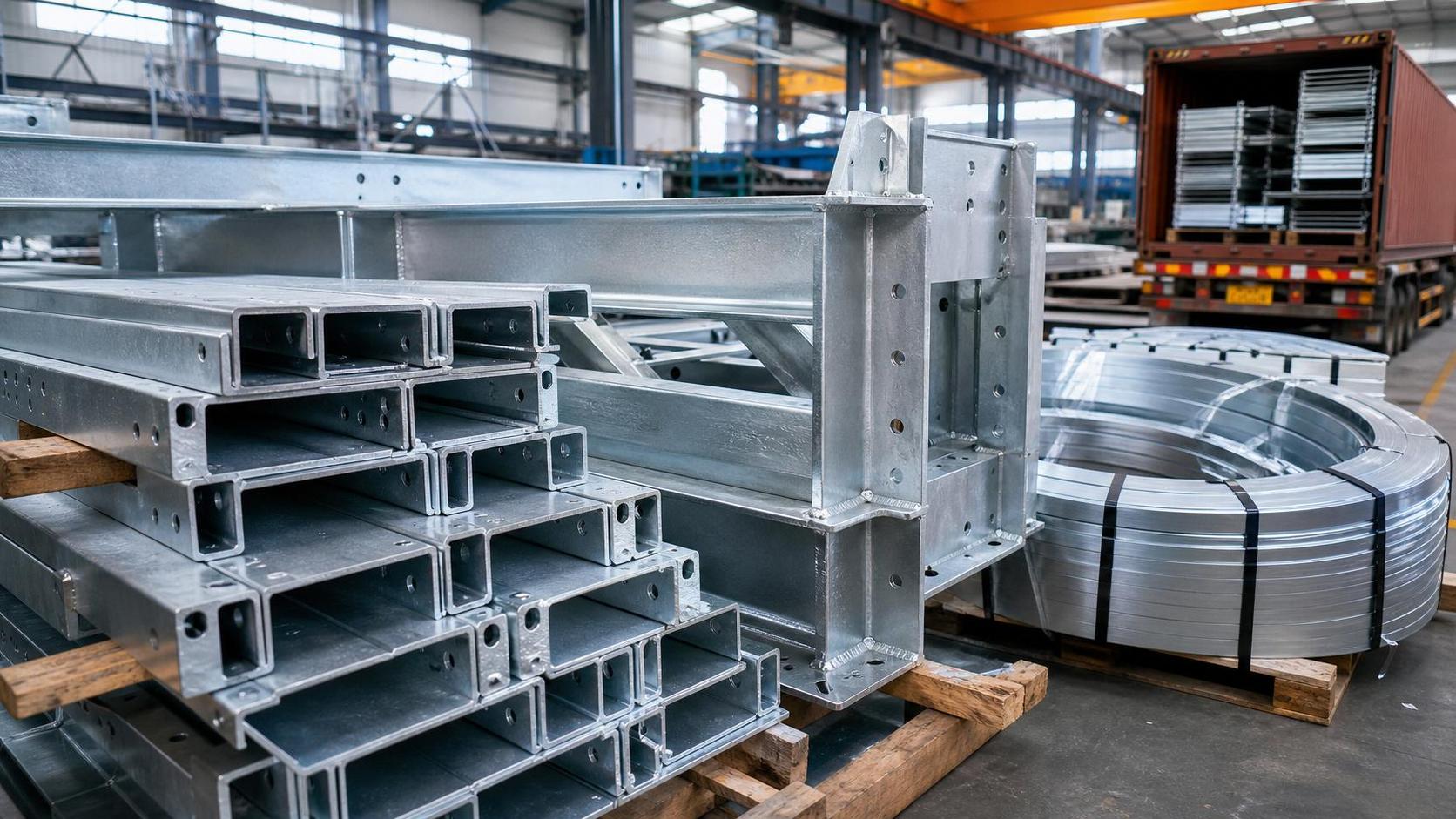
 What Affects the Cost of Galvanized Steel in Fabrication Projects?Galvanized steel costs vary far beyond raw material price. Learn how coating, steel grade, fabrication, logistics, and hidden quote items affect project budgets before you buy.
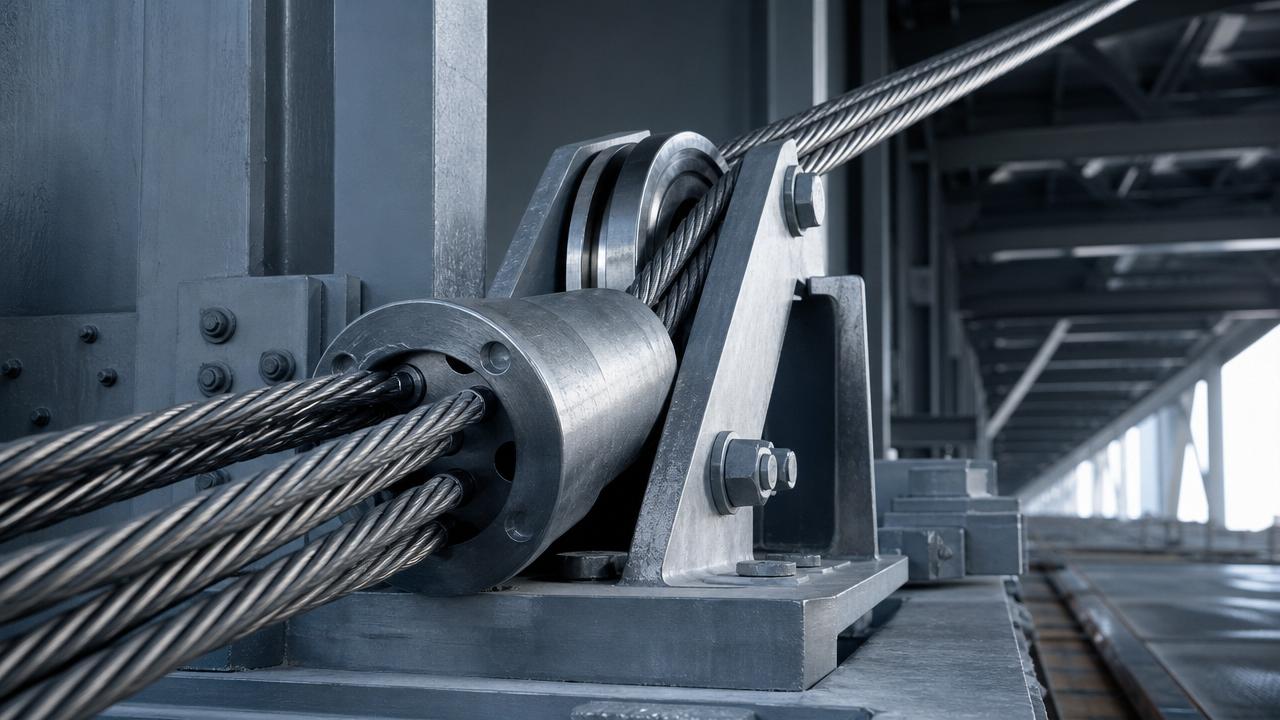
 Steel Wire Strand Applications in Lifting and Support: Key Load and Safety ConsiderationsSteel wire strand selection for lifting and support starts with real load, fatigue, corrosion, and anchoring conditions. Learn how to improve safety, service life, and structural reliability.
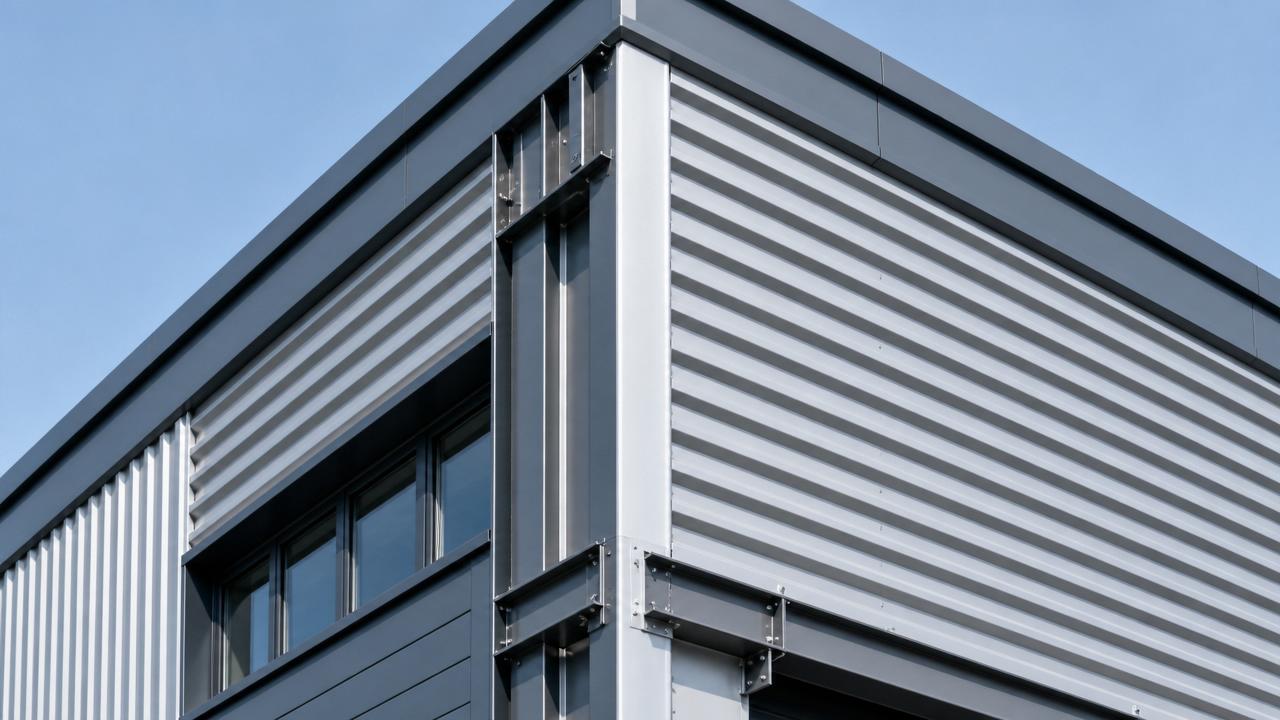
 Architectural Steel Angle in Facades, Edges, and Clean LinesArchitectural steel angle improves facade edges, clean lines, and structural precision. Discover how it supports durability, faster installation, and smarter project control.
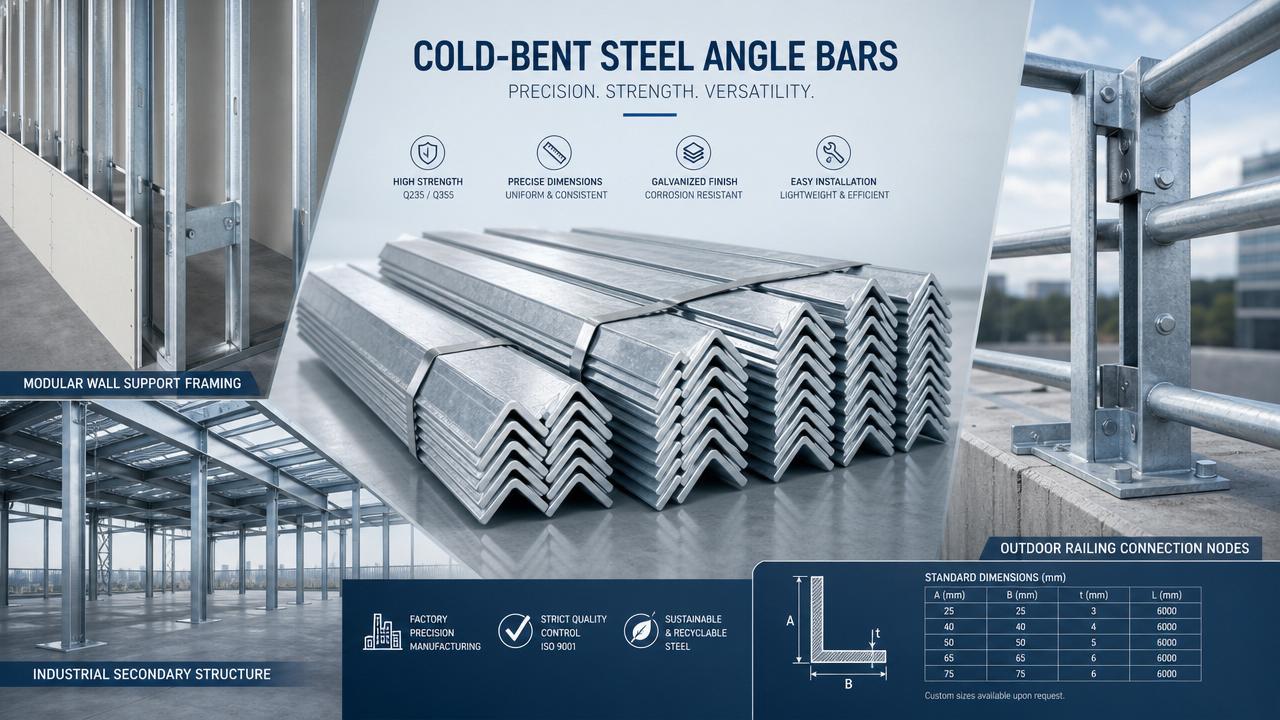
 Where Cold Formed Steel Angle Works Best in Modern BuildsCold formed steel angle works best in modular builds, secondary framing, and utility supports. Learn where it adds value, what to verify, and how to choose the right profile with confidence.
Please give us a message


Please enter what you want to find