Understanding hot rolled steel specifications and dimensions is critical for procurement professionals, project managers, and engineers sourcing structural steel components. This guide covers essential factors including ASTM/EN standards, load-bearing capacities, and price considerations for hot rolled products like steel beams and angle steel. Whether you're comparing I beam vs H beam designs, calculating weight requirements, or seeking reliable suppliers in Malaysia/Philippines, our expertise as a Chinese structural steel manufacturer helps you make informed purchasing decisions.
Key Specifications of Hot Rolled Steel Products
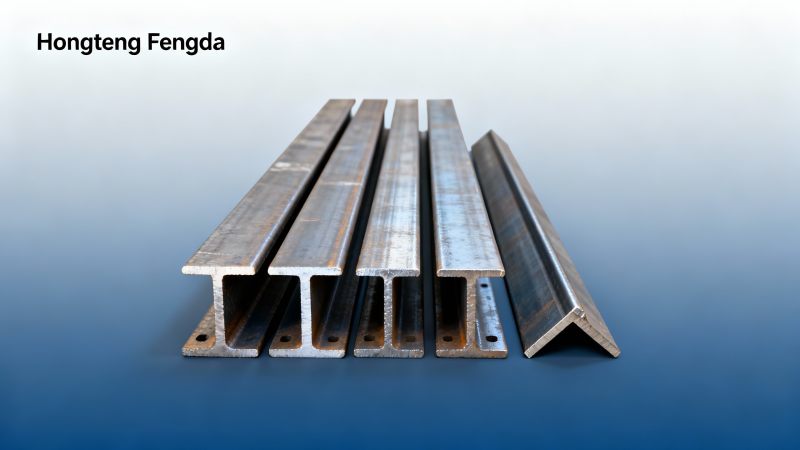
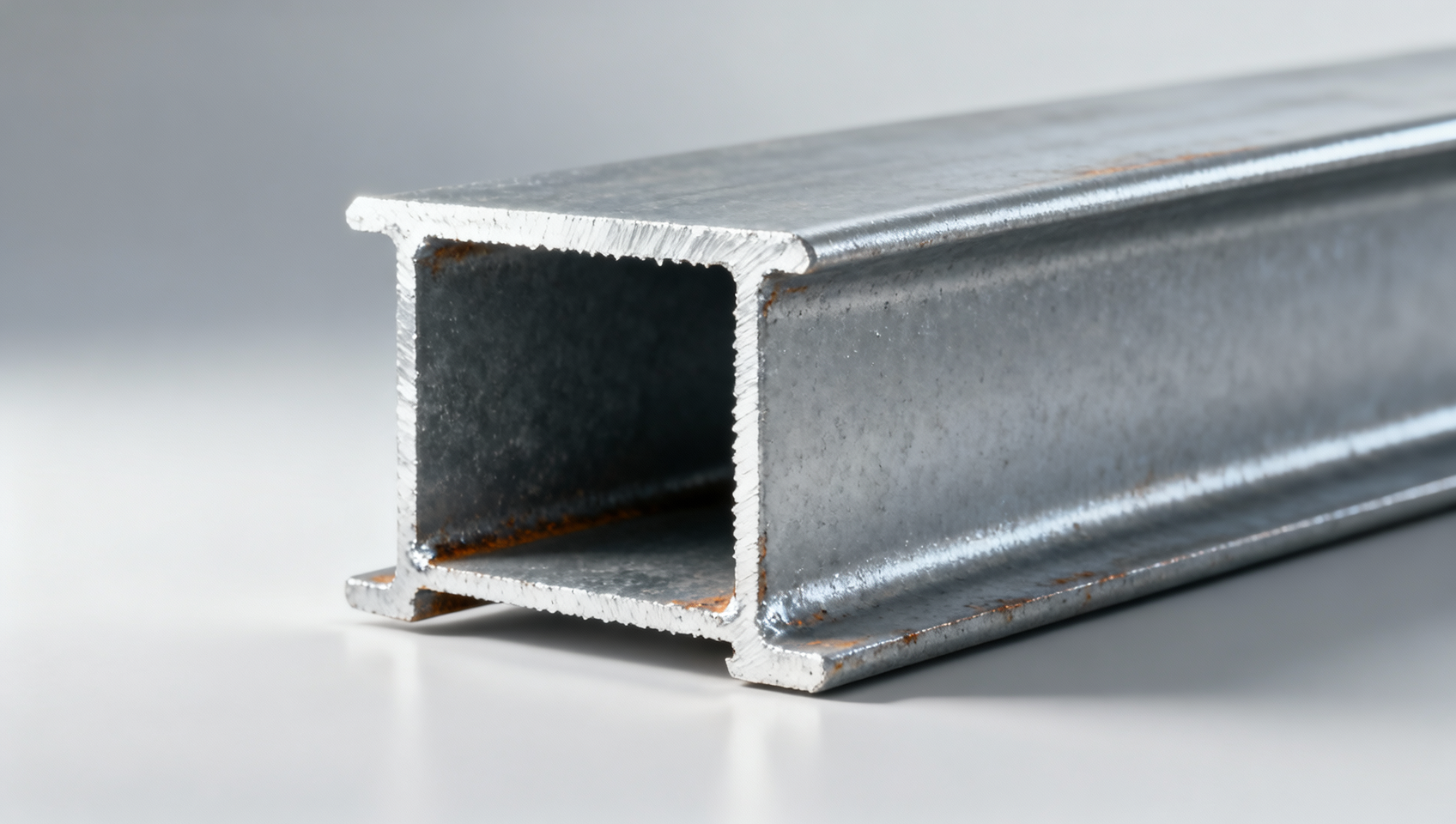
When evaluating hot rolled steel for construction or industrial applications, understanding material specifications is paramount. The most common standards include ASTM A36 (US), EN 10025 (Europe), JIS G3101 (Japan), and GB/T 700 (China). These standards define critical parameters such as yield strength (ranging from 235 MPa to 355 MPa for common grades), tensile strength, and chemical composition. For structural applications, Q235 and Q345 grades offer excellent weldability and formability, while SS400 and A36 provide reliable performance for general construction. Hot rolled I-beams typically feature flange widths from 100mm to 400mm, with web thicknesses varying between 6mm to 28mm depending on load requirements. The dimensional tolerances for hot rolled sections are generally maintained within ±1% to ensure compatibility in assembly.
Dimensional Considerations for Structural Components
Precise dimensions directly impact structural integrity and installation efficiency. Standard hot rolled I-beams are produced in lengths of 6-12 meters, though I Beam Manufacturers can provide custom-cut lengths. The flange width-to-thickness ratio significantly affects load distribution - wider flanges (100-400mm) provide better resistance to bending moments, while thicker webs (6-28mm) enhance shear capacity. For angle steel, leg lengths typically range from 20mm to 200mm with thicknesses of 3mm to 20mm. When calculating I beam weight, remember the formula: Weight (kg/m) = (Web Height x Web Thickness) + 2 x (Flange Width x Flange Thickness) x 0.00785 (steel density factor). This calculation becomes crucial when comparing I beam vs H beam configurations for specific projects.
Performance Comparison: I Beams vs H Beams
Structural engineers often face the choice between I-beams and H-beams for support frameworks. While both are available as hot rolled sections, H-beams feature wider flanges with more uniform thickness, offering approximately 15-20% greater load-bearing capacity per unit weight compared to standard I-beams. However, I-beams (particularly light series) provide economic advantages for projects where weight reduction is prioritized over maximum strength. The tapered flange design of I-beams makes them ideal for applications requiring easier connections to other members. For industrial structures requiring heavy load support, H-beams in grades like Q345 or SS355JR are often specified, while lighter I-beams in Q235 or A36 suffice for many commercial buildings.
Material Selection for Specific Applications
Carbon steel remains the dominant material for hot rolled structural sections due to its optimal balance of strength, ductility, and cost-effectiveness. Grades like S235J2 and St52 offer enhanced weather resistance for outdoor applications, while A36 provides excellent machinability for fabrication-intensive projects. When sourcing angle steel price per ton in Philippines markets or seeking Steel I Beam suppliers in Malaysia, verify that materials meet the required impact test temperatures if used in cold climates. Modern rolling mills produce sections with improved dimensional consistency - our production facility utilizes four-roller universal mills to achieve precise profiles with flange thickness variations within ±0.3mm.
Global Sourcing Considerations
Procurement professionals must balance cost, quality, and lead times when sourcing hot rolled steel internationally. While steel beam factory price remains a primary consideration, factors like certification compliance (including mill test certificates), production capacity stability, and logistics reliability often determine total project costs. Established manufacturers typically maintain inventory of common sections like 150mm and 200mm I-beams, enabling faster delivery for standard specifications. For projects requiring non-standard dimensions or special grades, lead times of 20-30 days are typical for hot rolled production cycles. When comparing suppliers, request detailed technical data sheets including section properties (moment of inertia, section modulus) to ensure structural calculations align with available products.
Quality Assurance and Testing Protocols
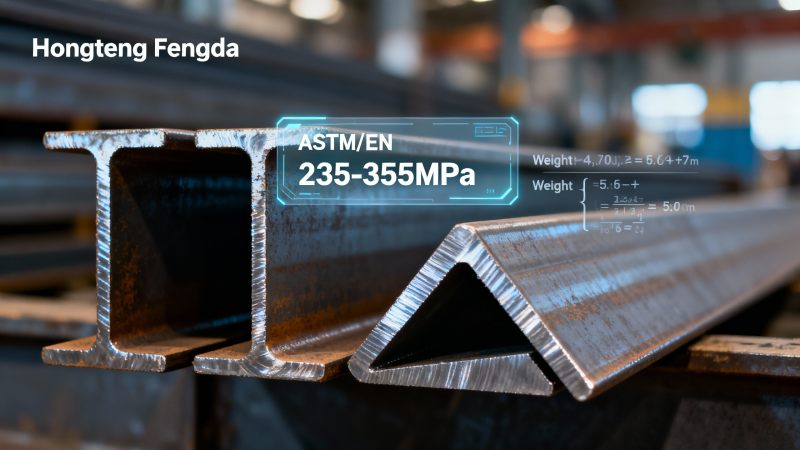
Reputable manufacturers implement rigorous quality control measures throughout the hot rolling process. Standard testing includes ultrasonic inspection for internal defects, dimensional verification using laser measurement systems, and mechanical testing to confirm yield/tensile strength values. Chemical composition analysis via spectrometer ensures material grade compliance. For critical applications, additional Charpy V-notch testing may be specified to verify impact resistance. Documentation packages should include original mill certificates, third-party inspection reports (when applicable), and complete traceability to the production heat number. These measures are particularly important when purchasing structural components for seismic zones or high-rise construction where material reliability directly impacts safety.
Cost Optimization Strategies
Several approaches can help reduce total project costs without compromising quality. Consider bundling multiple product requirements (such as combining I-beams with angle steel orders) to qualify for volume discounts. Standard lengths (typically 12m) generally offer better steel beam factory price points compared to custom-cut lengths. For large-scale projects, explore the possibility of direct mill sourcing through established manufacturers to bypass intermediary markups. When evaluating buy angle steel online offers, confirm whether prices include necessary processing (like drilling or cutting) and factor in potential import duties for accurate cost comparison. Some manufacturers offer value-added services like shot blasting or priming that may reduce onsite preparation costs.
Technical Support and Custom Solutions
Experienced manufacturers provide comprehensive technical support to optimize material selection. This includes load calculation assistance, connection design recommendations, and guidance on welding procedures for different steel grades. For specialized applications, I Beam Manufacturers can develop custom hot rolled sections with modified flange widths or web thicknesses to meet unique structural requirements. Value-added processing like coping, notching, or curved rolling may be available to simplify field installation. When planning just-in-time delivery schedules, confirm the manufacturer's capacity to maintain consistent quality across production batches to ensure material compatibility throughout your project timeline.
Conclusion: Making Informed Procurement Decisions
Selecting the appropriate hot rolled steel products requires careful consideration of specifications, dimensions, and performance characteristics relative to project requirements. By understanding the relationship between material grades, section properties, and cost factors, buyers can make optimized purchasing decisions. Whether you require standard I-beams for commercial construction or specialized sections for industrial applications, partnering with a certified manufacturer ensures access to quality materials that comply with international standards. Our expertise in structural steel production and global supply chain management enables us to deliver reliable solutions tailored to your specific needs and budget parameters.
For detailed quotations or technical consultations regarding your hot rolled steel requirements, contact our engineering team today. We provide comprehensive support from material selection through delivery, helping you streamline procurement processes while maintaining quality assurance standards. Explore our product range and discover how our manufacturing capabilities can enhance your project's structural solutions.
- steel i
- i beam suppliers
- h beams
- i beam manufacturers
- steel i beam supplier
- h beam
- angle steel
- Hot Rolled Steel
- ASTM A36
- structural steel
- steel beams
- Structural Steel
- I-Beam
- Hot Rolled I-Beam
- Steel Beams
- Profile
- H-beam
- S355JR
- I beam vs H beam
- buy angle steel online
- steel beam factory price
- Steel Beam
Related recommendations
 How long does acero prepintado retain gloss and color stability in direct desert sunlight?Acero prepintado gloss & color stability in desert sun? Discover real-world performance data, PVDF vs. polyester longevity, and spec-critical insights for GCC projects.
 Does acero pregalvanizado maintain coating integrity after cold bending to 90 degrees?Acero pregalvanizado maintains coating integrity after 90° cold bending — when engineered right. Discover how Hongteng Fengda guarantees real-world performance, adhesion & corrosion resistance.
 Do the advantages of galvanized steel include reduced fire risk compared to untreated carbon steel?Advantages of galvanized steel include measurable fire-risk reduction vs. untreated carbon steel—learn how zinc delays ignition, buys critical escape time, and enhances safety without false 'fireproof' claims.
 How much does 2 inch ss pipe price increase when upgrading from Schedule 40 to Schedule 80 for high-pressure systems?2 inch ss pipe price increases 18–35% when upgrading from Sch 40 to Sch 80—discover why, when it’s truly needed, and how to avoid overpaying.
Please give us a message


Please enter what you want to find