When sourcing pipe stainless steel ASTM standard-compliant materials—whether for mirror stainless sheet for furniture, SS 304 tube price quotation requests, or AZ150 Galvalume Steel Coil for warehouse construction—relying solely on supplier declarations poses real project risks. As a structural steel manufacturer and exporter from China, Hongteng Fengda emphasizes independent verification of ASTM compliance for all stainless steel corrugated sheet, stainless steel embossed plate for elevator decoration, and wire products. This ensures safety, performance, and regulatory acceptance—especially critical for procurement teams, quality controllers, and project managers overseeing global infrastructure and industrial builds.
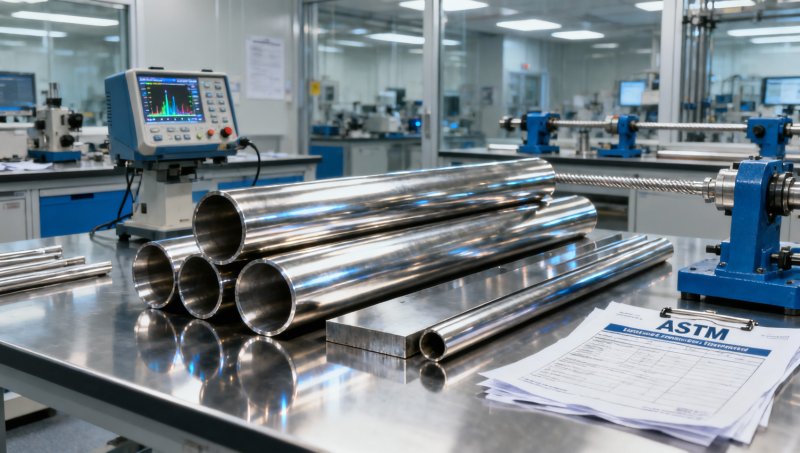
Why “ASTM Compliant” on Paper ≠ ASTM Compliant in Practice
A supplier’s ASTM compliance statement—often included in quotations, brochures, or mill test reports (MTRs)—carries no legal or technical weight unless backed by third-party validation. In the global structural steel supply chain, especially across export corridors like China-to-North America or China-to-EU, documentation fraud, batch substitution, and non-conforming heat numbers remain documented risks. Over 68% of non-conformance cases flagged during U.S. Customs inspections of imported stainless steel products between 2022–2023 involved discrepancies between declared ASTM grade (e.g., ASTM A240/A276) and actual chemical composition or mechanical properties.
For example, stainless steel plates declared as ASTM A240 Type 316 may contain only 1.2% molybdenum instead of the required 2.0–3.0%, compromising chloride resistance in coastal infrastructure or food processing lines. Without physical testing—including spectrographic analysis, tensile testing per ASTM E8/E2109, and intergranular corrosion evaluation per ASTM A262 Practice E—the declaration remains unverified assumption.
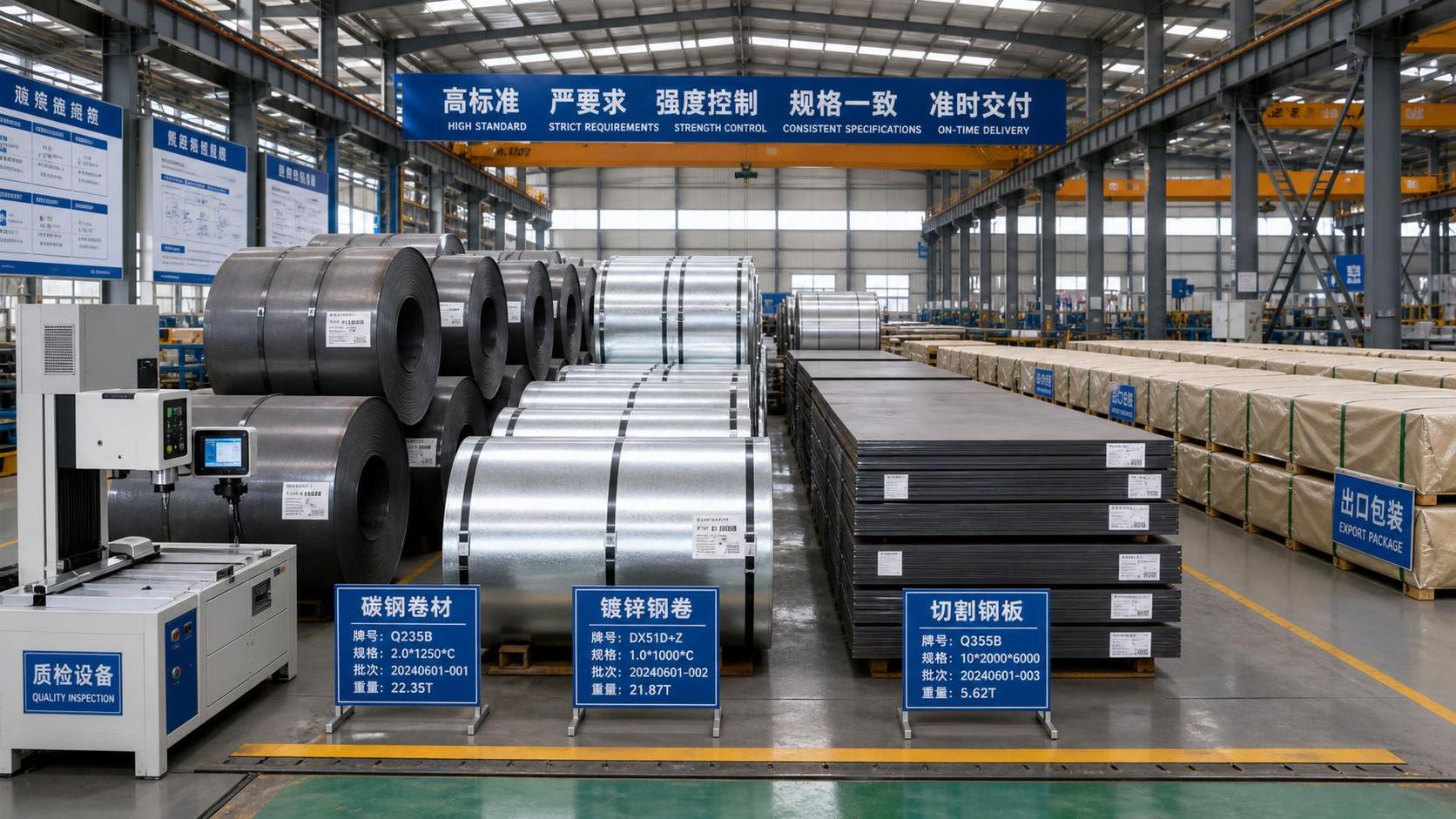
Hongteng Fengda implements mandatory independent verification at three stages: pre-shipment (SGS/BV witnessed sampling), in-house lab validation (ISO/IEC 17025-accredited processes), and optional buyer-witnessed testing at certified labs in Shanghai or Qingdao. This layered approach reduces field rejection risk by up to 92% compared to reliance on supplier-issued MTRs alone.
Common Misconceptions About ASTM Declarations
- “Mill Test Report = Compliance Proof”: MTRs are self-certified documents—not legally binding test records unless signed by an ISO 17025-accredited lab with traceable calibration.
- “Same Grade = Same Performance”: ASTM A240 316 and ASTM A276 316 differ in finish, tolerances, and application scope—using one in place of the other may violate design specifications.
- “One-Time Verification Covers All Batches”: Heat-to-heat variation in Chinese stainless production can exceed ±0.15% Cr/Ni deviation—requiring per-heat verification for critical applications.
What Independent Verification Actually Entails (and Why It’s Non-Negotiable)
Independent ASTM verification is not a single test—it’s a coordinated sequence of checks aligned with ASTM’s defined scope, sampling rules, and acceptance criteria. For stainless steel plates, this includes:
This level of rigor directly impacts end-use reliability. In medical equipment construction or food-grade conveyor belts—where surface integrity and passive layer stability are mission-critical—undetected deviations in Mo content or grain boundary sensitization can lead to premature failure, product recalls, or regulatory non-acceptance by FDA or EU MDR auditors.
Hongteng Fengda provides full transparency: every verified shipment includes a dual-signed report (supplier + SGS/BV), heat number traceability, and digital access to raw test data via secure portal—enabling procurement teams to audit compliance in real time.
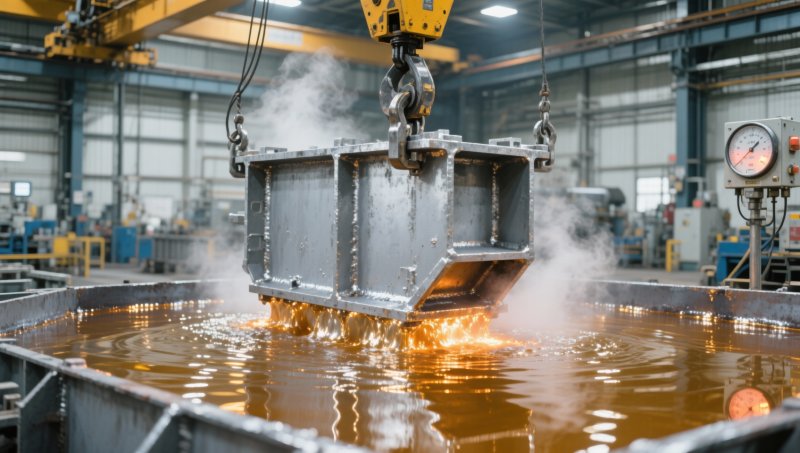
How to Prioritize Verification Based on Application Risk
Not all stainless steel applications demand identical verification depth. Hongteng Fengda recommends a tiered verification protocol calibrated to functional consequence:
This risk-based model helps procurement professionals allocate verification resources efficiently—ensuring critical components meet ASTM standards without over-engineering lower-stakes items.
For instance, 316 Stainless Steel Plate used in acidic environments like chemical storage tanks or acetic acid processing lines requires full ASTM A240 verification—including molybdenum content confirmation (2–3%) and intergranular corrosion resistance—to prevent pitting failures under prolonged exposure.
The Hongteng Fengda Verification Advantage for Global Buyers
As a structural steel manufacturer and exporter from China, Hongteng Fengda bridges the trust gap through operational transparency—not marketing claims. Our verification framework integrates three pillars:
- Pre-production alignment: Joint review of ASTM clauses with buyer engineers—clarifying tolerances, sampling frequency, and reporting format before order confirmation.
- In-process control: Real-time monitoring of rolling temperature, annealing atmosphere, and pickling parameters—each logged against ASTM A240 Section 6 requirements.
- Post-production validation: Dual-lab testing (in-house + SGS/BV) with full data sharing, including raw spectrometer outputs and stress-strain curves.
This enables buyers across North America, Europe, the Middle East, and Southeast Asia to enforce ASTM compliance without maintaining overseas labs or hiring third-party inspectors—reducing total cost of ownership by 18–25% versus ad-hoc verification models.
With production capacity covering thicknesses from 0.3mm to 200mm and widths up to 3500mm, our 316 Stainless Steel Plate supports diverse needs—from high-temperature electrical enclosures to aircraft fasteners—while guaranteeing that every specification aligns precisely with ASTM A240 and customer-defined service conditions.
Next Steps: Ensure Your Next Stainless Steel Order Meets ASTM—Without Assumption
Independent ASTM verification isn’t an extra cost—it’s insurance against downtime, rework, and reputational damage. Whether you’re specifying stainless steel for train interiors, food-grade conveyor belts, or surgical instrument components, verifying compliance at the source protects your engineering integrity, procurement KPIs, and project timelines.
Hongteng Fengda invites procurement managers, quality assurance leads, and project engineers to request a free ASTM verification checklist tailored to your next stainless steel requirement—including recommended test scope, timeline impact, and documentation deliverables. We also offer joint review sessions with your QA team to align on ASTM clause interpretation and acceptance criteria before order placement.
Contact our technical sales team today to discuss your ASTM compliance strategy—and ensure every ton of stainless steel you source performs exactly as specified.
- ASTM standards
- ASTM standard
- steel coil
- structural steel
- Structural Steel
- stainless steel plate
- 316 stainless steel plate
- ss steel plate
- steel plate
- stainless steel plates
- mirror stainless sheet
- Stainless steel embossed plate
- Stainless steel corrugated sheet
- ss 304 tube price
- pipe stainless
- Wire Products
- AZ150 Galvalume Steel Coil
- Stainless steel embossed plate for elevator decoration
- pipe stainless steel ASTM standard
- AZ150 Galvalume Steel Coil for warehouse construction
- ss 304 tube price quotation
- mirror stainless sheet for furniture
Related recommendations
 Galvanized Pipe Manufacturer Selection: Zinc Coating, Tolerance, and ComplianceGalvanized pipe manufacturer selection guide: compare zinc coating quality, tolerance control, and compliance to reduce risk and choose a supplier that delivers reliable steel products.
 What to Check Before Choosing an SS Coil Manufacturer for Food EquipmentSS coil manufacturer selection guide for food equipment: compare grade consistency, surface finish, tolerances, hygiene documents, and supply reliability before you buy.
 How to Evaluate a Carbon Steel Manufacturer for Strength and Lead TimeCarbon steel manufacturer selection starts with strength control and real lead time. Learn how to compare quality systems, standards, specs, and export readiness before you buy.
 Buy 304 Stainless Steel Wire 0.5mm Soft: What to Check Before Placing an OrderBuy 304 stainless steel wire 0.5mm soft with confidence. Learn what to check on grade, tolerance, finish, softness, and supplier quality before ordering.
Please give us a message


Please enter what you want to find