As global infrastructure projects ramp up in 2026, selecting the right Hot Rolled I Beam for heavy equipment—whether with yield strength ≥345 MPa or ≥460 MPa—is critical for safety, cost-efficiency, and compliance. For demanding applications like construction machinery and shipbuilding, material choices directly impact structural integrity and service life. Hongteng Fengda, a leading Chinese structural steel manufacturer, supplies high-performance beams alongside Z150 steel sheet for shipbuilding and Hanwu Steel for construction machinery—ensuring ASTM/EN/GB-compliant solutions tailored to project-specific load, fatigue, and environmental requirements.
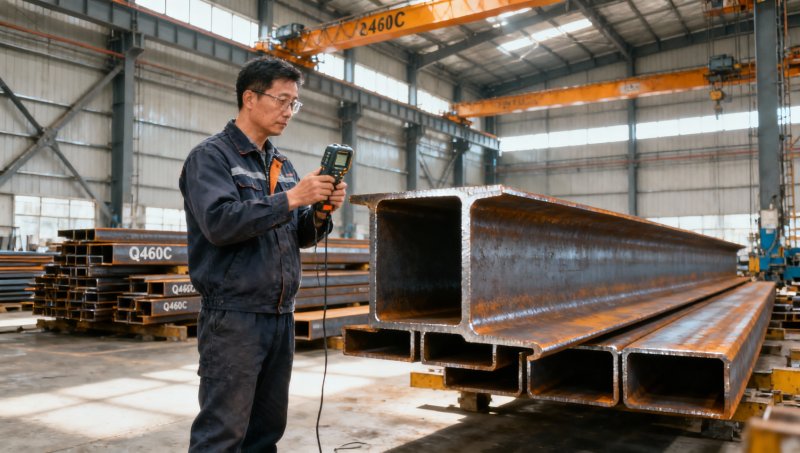
When Does Yield Strength ≥460 MPa Justify the Premium?
Yield strength isn’t just a number—it’s a design boundary. Beams rated ≥460 MPa (e.g., Q460C, S355JR, A572 Grade 50) deliver 34% higher minimum yield than standard ≥345 MPa grades (e.g., Q345B, S275JR, A36). This matters most where static load capacity, dynamic fatigue resistance, or weight-to-strength ratio is non-negotiable—such as crane booms, offshore platform legs, or mobile excavator chassis frames.
But higher strength doesn’t always mean better value. Over-specifying can trigger unnecessary costs: raw material premiums of 8–12%, stricter welding preheat requirements (≥150°C vs. ≤100°C), and tighter NDT inspection frequency (100% UT instead of spot checks). The decision hinges on actual stress distribution—not just peak load.
For 2026 infrastructure, three application thresholds reliably justify ≥460 MPa:
- Dynamic cyclic loading exceeding 2 million cycles (e.g., bridge lifting mechanisms, rail-mounted cranes)
- Structural members where section reduction is constrained by spatial limits—requiring flange thickness >45 mm or web thickness >28 mm
- Environments with combined corrosion + mechanical stress (e.g., coastal port cranes), where higher-grade steels enable thinner protective coatings without compromising ductility reserve
How Application Context Drives Material Selection
A construction machinery OEM building 35-ton hydraulic excavators will prioritize Q460C over Q345B not for ultimate tensile strength alone—but because its guaranteed elongation at break (≥17%) remains stable even after cold bending to radii ≤3× flange width. That enables tighter frame geometries without microcrack risk during fabrication.
Conversely, for static bridge girders under predictable dead/live loads, Q345B delivers optimal balance: full compliance with EN10025-2 S355JR, proven weldability with E7018 electrodes, and 20–25% lower procurement cost per ton versus Q460C equivalents. Its flange thickness range (8–64 mm) and web width (100–900 mm) cover 92% of standard highway bridge span configurations.
This table reflects real-world selection logic—not theoretical superiority. Note that “recommended grade” assumes standard hot-rolled production (not quenched & tempered). All listed options are available from Hongteng Fengda with mill test reports traceable to ASTM A6/A6M, EN10025, or GB/T 706.
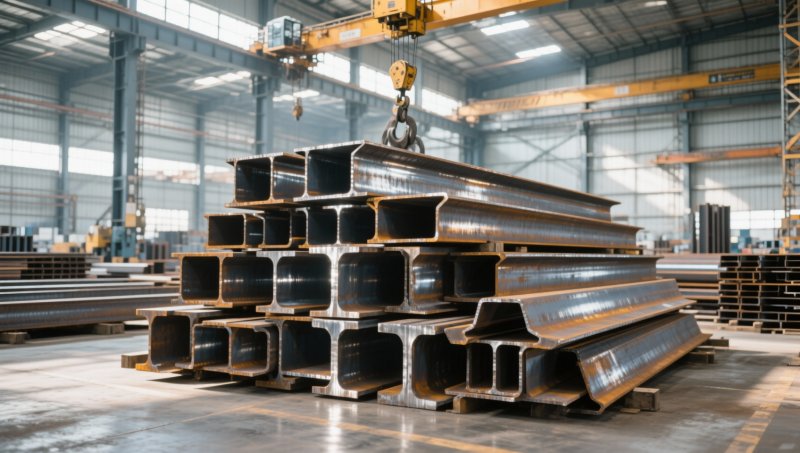
Procurement Checklist: 5 Non-Negotiable Verification Points
Before finalizing orders for ≥345 MPa or ≥460 MPa beams, verify these five elements—each tied to measurable project outcomes:
- Mill Test Report (MTR) alignment: Confirm yield strength is measured at room temperature per ASTM E8/EN ISO 6892-1—not extrapolated or calculated. Tolerance must be ±5 MPa for ≥460 MPa grades.
- Welding Procedure Specification (WPS) compatibility: Request documented WPS validation using your exact electrode type (e.g., E8018-B2 for Q460C), including preheat/interpass temperature logs.
- Dimensional tolerance compliance: Check flange thickness deviation: ±0.5 mm for ≤20 mm; ±0.8 mm for 20–40 mm; ±1.2 mm for >40 mm (per EN10034).
- Z-direction testing: Mandatory for plates >25 mm thick used in tension-critical connections—verify Z15, Z25, or Z35 certification per EN10164.
- Traceability batch numbering: Each bundle must carry laser-etched heat numbers matching MTRs—critical for post-installation audits in nuclear or rail infrastructure.
Hongteng Fengda provides all five verifications as standard with every shipment. Lead time for certified Q460C H Section Beam is 25–35 days from order confirmation, including third-party inspection (SGS/BV/TÜV optional).
Why Global Buyers Choose Hongteng Fengda for Critical Structural Steel
We eliminate sourcing friction through three operational pillars: First, dual-certification capability—every Q345B and Q460C beam meets both GB/T 1591 and EN10025-2, avoiding retesting delays at destination ports. Second, modular inventory: 87% of standard H Section Beam sizes (flange width 100–300 mm, web height 150–600 mm) are held in stock for 7-day dispatch. Third, engineering support: Our technical team co-develops cutting/welding sequences with your fabrication shop—reducing rework by up to 30% in first-article builds.
Whether you’re specifying for a $2.1B metro expansion in Riyadh or retrofitting mining shovels in Western Australia, our solution includes:
- Free dimensional feasibility review within 48 hours of receiving your CAD cross-section
- Pre-shipment ultrasonic testing (UT Level B per EN10160) at no extra charge
- Custom packaging for containerized shipping—optimized for 12m lengths with zero surface damage
- Documentation package compliant with U.S. FAR Part 252.211-7003 and EU Regulation (EU) 2019/1020
Contact us today to request: (1) a comparative quote for Q345B vs. Q460C in your required dimensions, (2) certified mill test report samples, or (3) lead time confirmation for your Q460C order with Z25 certification.
Related recommendations
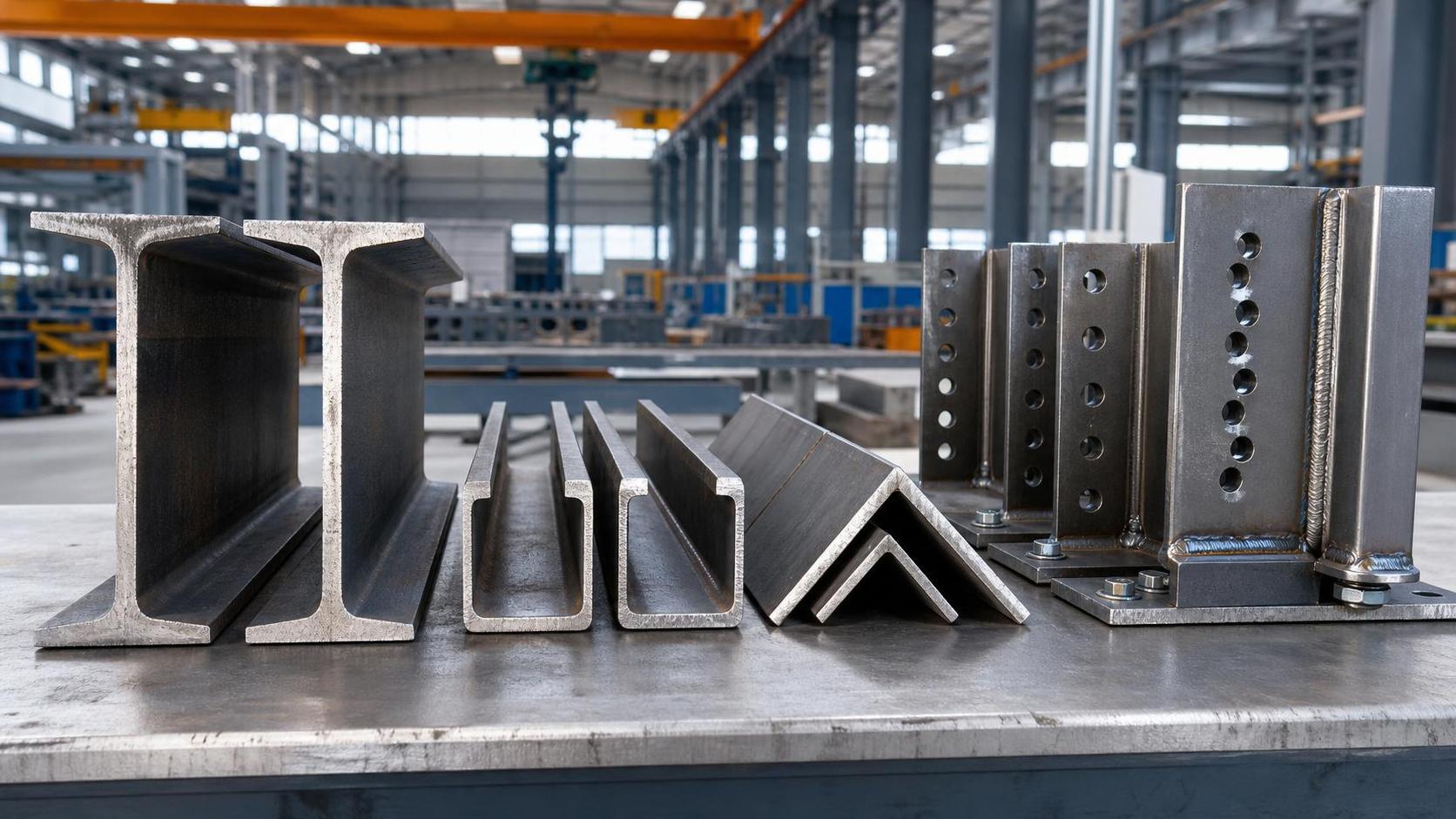
 How to Select a Steel Profile Based on Load, Span, and Fabrication NeedsProfile selection starts with load, span, and fabrication needs. Learn how to compare steel sections for strength, cost, workability, and sourcing efficiency.
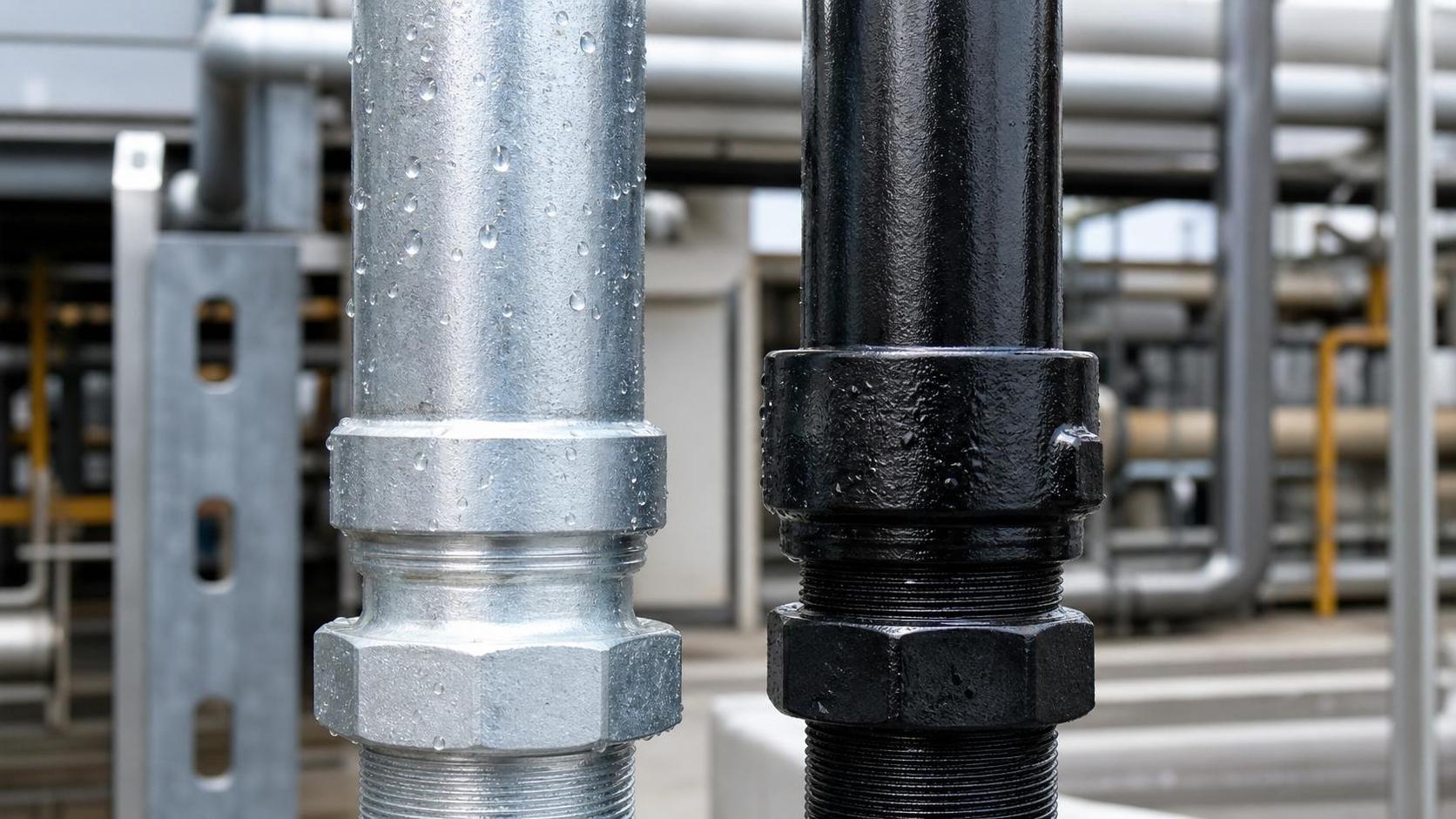
 Galvanized Pipe vs Black Pipe: Which One Fits Water, Gas, or Outdoor Lines?Galvanized pipe or black pipe? Compare the best choice for water, gas, and outdoor lines, with key insights on corrosion, codes, cost, and long-term performance.
 How to Choose Steel Roofing for Warehouses, Farms, and Residential BuildingsSteel Roofing selection depends on building type. Learn how warehouses, farms, and homes differ in corrosion, insulation, drainage, and cost for smarter roofing decisions.
 Hot-Dip Galvanized vs Pre-Galvanized Steel: Which Should You Specify?Hot-dip galvanized vs pre-galvanized steel: compare corrosion resistance, fabrication impact, cost, and standards to specify the right steel solution for durable, compliant projects.
Please give us a message


Please enter what you want to find