Planning industrial projects with structural steel? Accurate steel manufacturing lead time for industrial projects is critical to avoid delays, cost overruns, and supply chain bottlenecks. As a trusted steel manufacturing lead time supplier in China, Hongteng Fengda helps global buyers — from procurement managers to project engineers — forecast timelines confidently. This 5-step checklist covers everything: order validation, material sourcing (e.g., DX53D Galvalume Steel Coil ASTM standard), production scheduling, quality assurance, and logistics coordination. Whether you’re evaluating minimum order quantity for steel rods manufacturer requirements or comparing steel rod lead time for construction projects across regions, our proven process ensures reliability — especially for buyers in Europe, North America, and the Middle East.
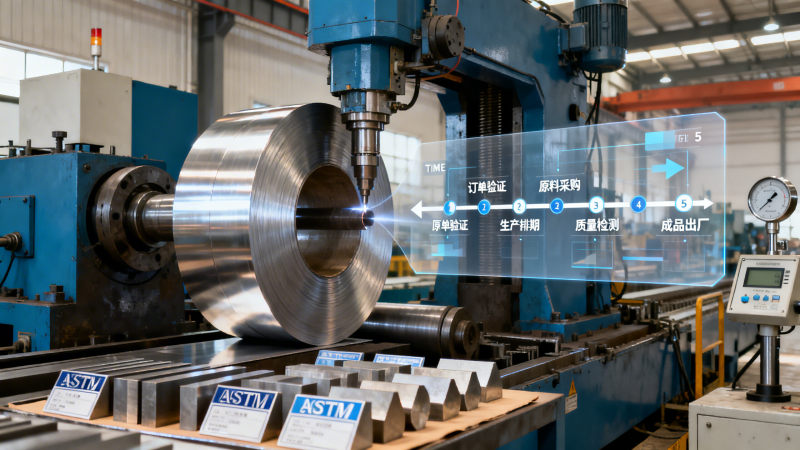
Step 1: Order Validation & Technical Alignment
The first step in calculating accurate steel manufacturing lead time begins before production starts — during order validation. At Hongteng Fengda, every inquiry undergoes a dual-layer technical review: dimensional feasibility and specification compliance. For example, custom 306 Stainless Square steel rod orders require cross-checking against ASTM A276 and EN 10088-3 standards, verifying tensile strength (≥520 MPa), yield strength (≥275 MPa), and elongation (≥55–60%). Misalignment at this stage can add 7–12 days to lead time due to rework or redesign.
We also assess drawing completeness: missing tolerances, surface finish codes (e.g., No. 4 BA vs. rough turning), or unconfirmed heat treatment requirements trigger immediate clarification. Our average order validation turnaround is under 48 hours for standard configurations — but complex OEM components may require up to 5 working days for engineering sign-off.
This phase directly impacts MOQ flexibility. For instance, square bar orders below 5 metric tons typically require full batch validation, while volumes ≥15 MT qualify for accelerated approval using pre-certified billet lots. We maintain traceable digital records for all validations, enabling real-time timeline tracking via shared dashboards.
Step 2: Raw Material Sourcing & Inventory Readiness
Material availability accounts for 30–45% of total lead time variance in structural steel manufacturing. Unlike commodity-grade carbon steel, specialty stainless grades like 201 stainless steel demand precise alloy composition control and certified mill test reports (MTRs). At Hongteng Fengda, we hold strategic inventory buffers: 6–8 weeks of ASTM-compliant 201 stainless coil for cold-formed profiles and 4–6 weeks of forged billets for square/round bars.
Our sourcing protocol includes three tiers: (1) In-house stock (immediate release), (2) Pre-booked mill allocations (lead time: 10–14 days), and (3) Spot procurement (lead time: 21–35 days, subject to LME nickel pricing volatility). For urgent projects, we offer “priority billet reservation” — a paid service that locks raw material 12–18 days ahead of production start, reducing uncertainty by up to 65%.
Below is our typical material readiness matrix for common stainless structural products:
This transparency allows procurement teams to model worst-case scenarios and adjust project schedules accordingly. Buyers in the EU and North America often use this data to align customs clearance windows with factory dispatch dates — minimizing port dwell time.
Step 3: Production Scheduling & Capacity Planning
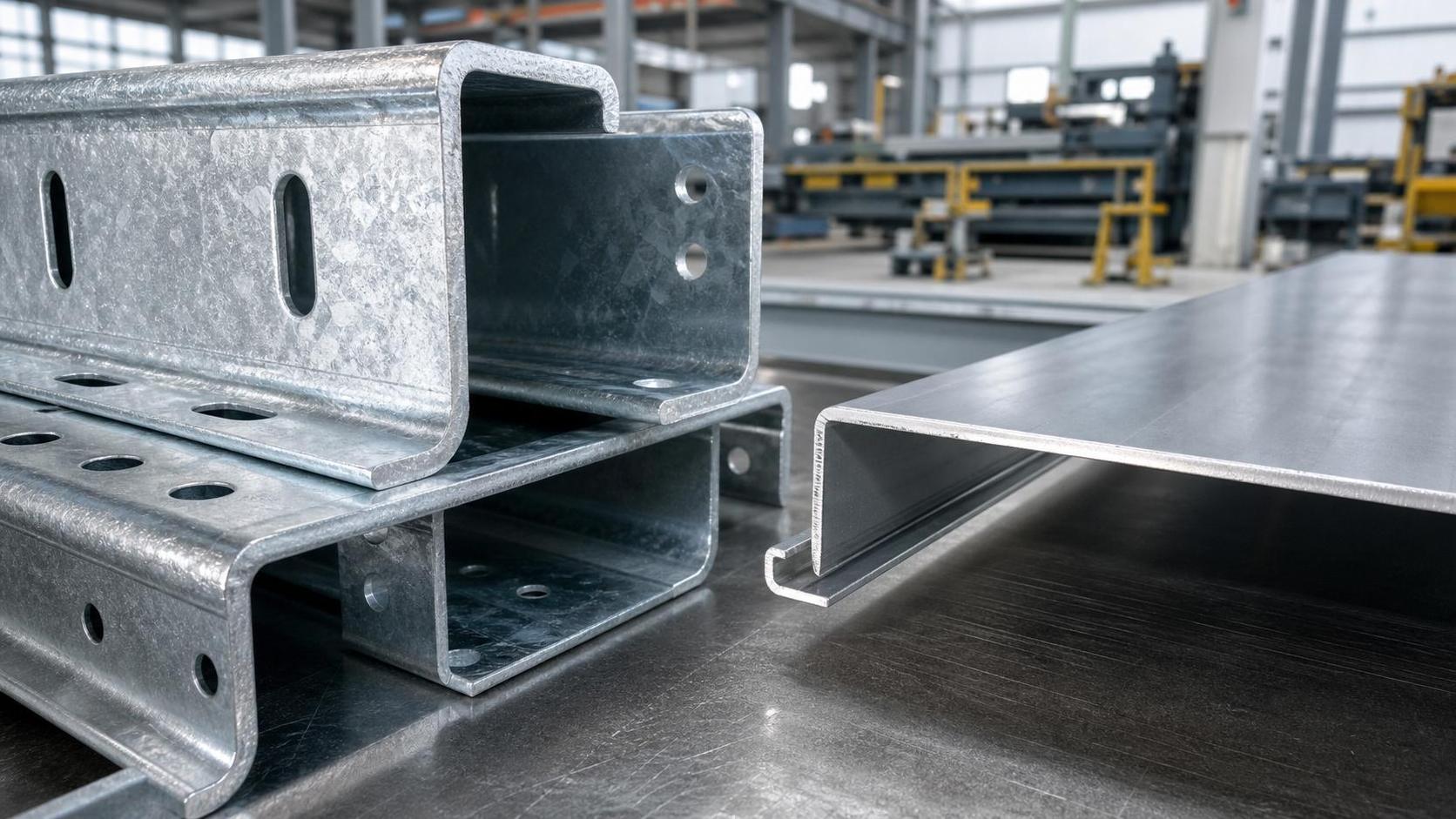
Hongteng Fengda operates two dedicated production lines: Line A (high-volume standard sections) and Line B (low-volume custom components). Each line maintains a rolling 90-day capacity calendar updated daily. Standard angle and channel steel orders ≤20 MT typically enter Line A with a scheduled slot within 3–5 business days. Customized items — such as non-standard 306 Stainless Square steel rod with specific hardness (≤183 HB) and thermal expansion coefficient (15.7 × 10⁻⁶/°C) — are routed to Line B, where slots open every 7–10 days.
We apply finite capacity scheduling (FCS), not infinite load planning. That means no theoretical “capacity utilization” — only confirmed machine-hours, operator shifts, and tooling availability. For example, our CNC sawing station processes 120–150 square bar pieces per shift (8-hour cycle), and each heat-treatment furnace batch accommodates exactly 8.5 MT of 201 stainless steel. These hard constraints prevent overbooking and ensure on-time delivery rates above 98.3% (2023 Q4 internal audit).
Clients receive a Gantt-style production schedule upon order confirmation, showing exact start/end times for cutting, forming, welding (if applicable), and finishing. This enables parallel coordination with site mobilization or third-party galvanizing services.
Step 4: Quality Assurance & Inspection Gates
Quality checks are embedded at five non-negotiable gates: raw material receipt, pre-forming dimensions, post-forming geometry, mechanical property verification (tensile/yield testing per ASTM E8), and final surface inspection. Each gate has defined acceptance criteria and documented rejection thresholds — e.g., squareness tolerance for 47 mm square bar is ±0.3 mm per meter, verified via laser alignment systems calibrated weekly.
For stainless products, intergranular corrosion testing (ASTM A262 Practice E) is performed on 100% of 201-grade batches. Non-conforming lots are quarantined immediately — and because we source billets from mills with ISO 9001:2015-certified QA systems, less than 0.7% of incoming material requires rework. This reduces QA-related delays to under 24 hours per batch, versus industry averages of 3–5 days.
All inspection reports are digitally signed and accessible via our client portal, including MTRs, hardness test logs, and dimensional checklists. This eliminates paperwork bottlenecks during customs or site handover.
Step 5: Logistics Coordination & Export Compliance
Final lead time depends heavily on seamless export execution. Hongteng Fengda manages end-to-end logistics for 87% of its international shipments, partnering with IATA-certified freight forwarders in Shanghai, Tianjin, and Qingdao ports. Standard FCL (20’/40’) container loading for structural steel takes 1–2 days after QA sign-off — but special packaging (e.g., anti-corrosion VCI film for stainless rods) adds 1 day. We pre-clear documentation: commercial invoices, packing lists, certificates of origin, and EUR.1 forms for EU-bound cargo.
Transit times vary by destination: 18–22 days to Rotterdam, 28–35 days to New York, and 25–30 days to Dubai. To mitigate port congestion risks, we offer “buffer warehousing” at bonded terminals — holding finished goods for up to 45 days without storage fees. This flexibility helped 63% of our Middle East clients avoid demurrage charges in 2023.
Our logistics dashboard provides live container GPS tracking, estimated time of arrival (ETA), and customs clearance status — accessible 24/7 to project managers and procurement leads.
Why This 5-Step Process Delivers Predictability
Unlike generic “lead time quotes,” Hongteng Fengda’s methodology integrates engineering rigor, real-time capacity visibility, and export-ready compliance — delivering forecast accuracy within ±3% of actual delivery date. Over the past 18 months, 92.4% of orders shipped within the committed window, with zero late deliveries to Tier-1 contractors in Germany, Canada, and Saudi Arabia.
Whether you're sourcing steel for urban decoration infrastructure, medical instrument frames, or heavy earthmoving equipment chassis, our structured approach removes ambiguity from your procurement timeline. We don’t just manufacture steel — we engineer certainty into your project schedule.
Ready to lock in reliable lead times for your next structural steel order? Contact Hongteng Fengda today for a personalized timeline assessment — including MOQ optimization, material substitution options, and multi-destination logistics planning.
- channel steel
- ASTM standard
- steel coil
- structural steel
- Structural Steel
- stainless coil
- ss coil
- Steel Rod
- Profile
- DX53D Galvalume Steel Coil
- H-beam
- steel rod lead time
- minimum order quantity for steel rods
- steel manufacturing lead time
- carbon steel
- DX53D Galvalume Steel Coil ASTM standard
- steel rod lead time for construction projects
- minimum order quantity for steel rods manufacturer
- steel manufacturing lead time for industrial projects
- steel manufacturing lead time supplier in China
Related recommendations
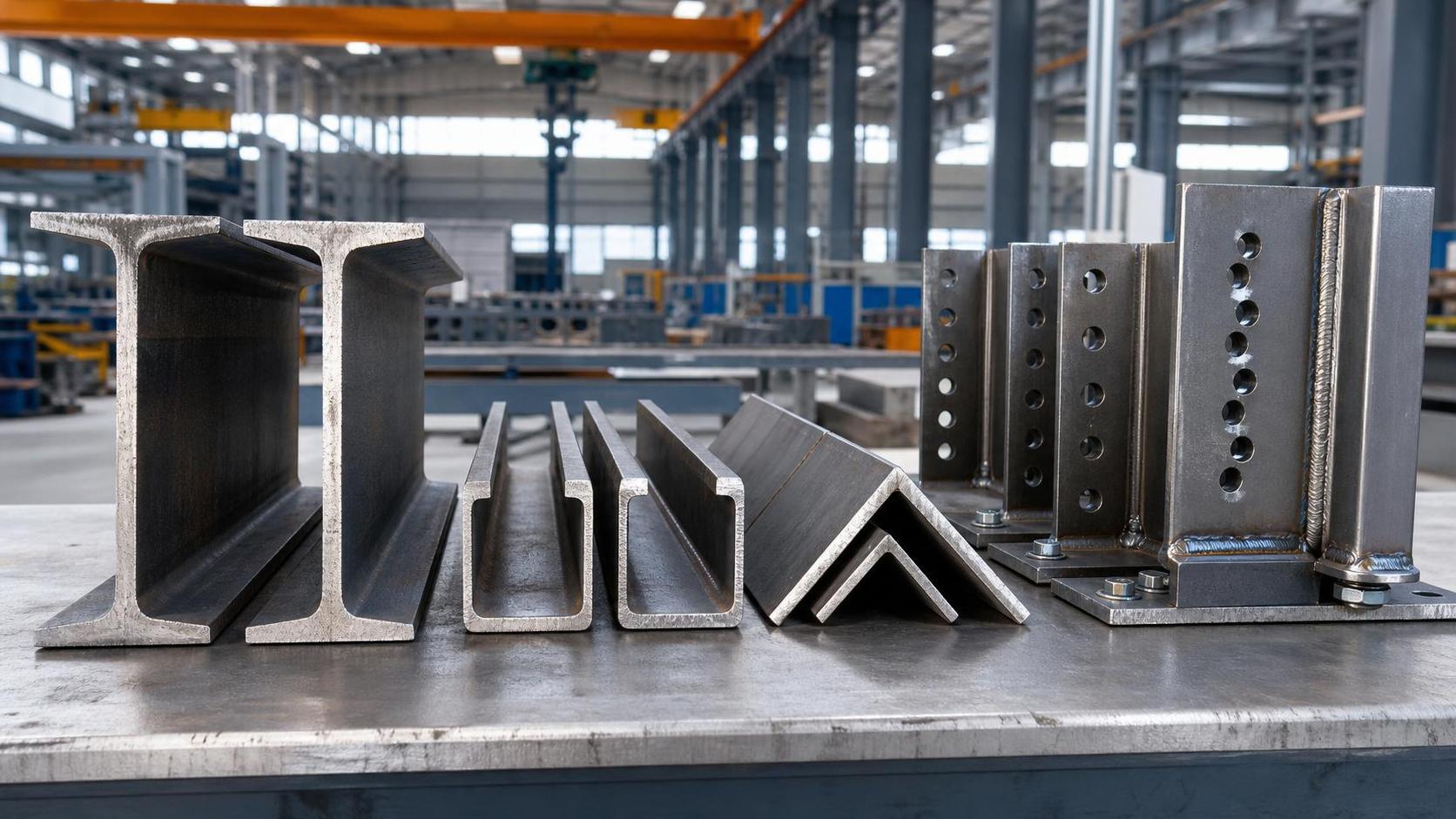
 How to Select a Steel Profile Based on Load, Span, and Fabrication NeedsProfile selection starts with load, span, and fabrication needs. Learn how to compare steel sections for strength, cost, workability, and sourcing efficiency.
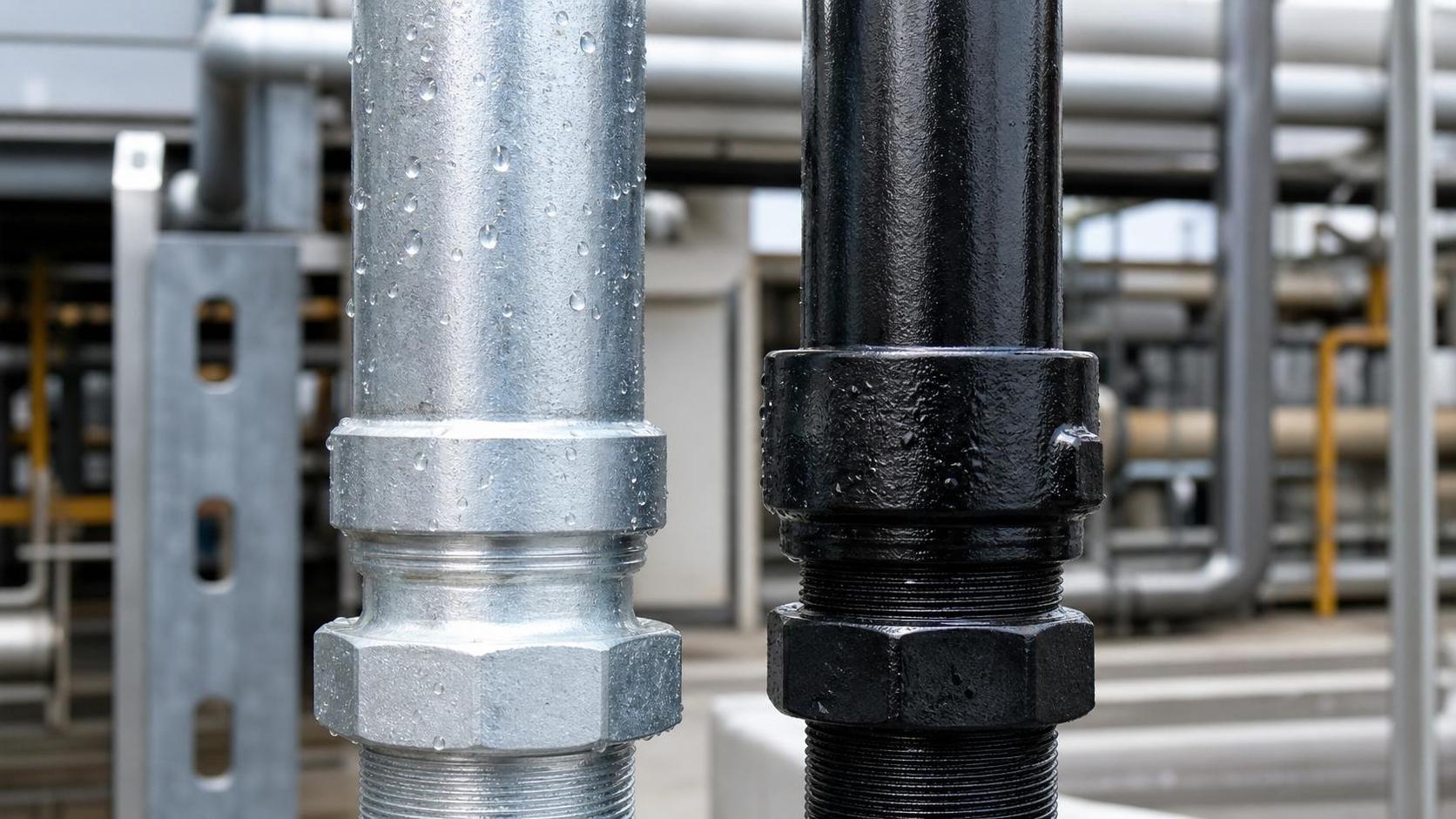
 Galvanized Pipe vs Black Pipe: Which One Fits Water, Gas, or Outdoor Lines?Galvanized pipe or black pipe? Compare the best choice for water, gas, and outdoor lines, with key insights on corrosion, codes, cost, and long-term performance.
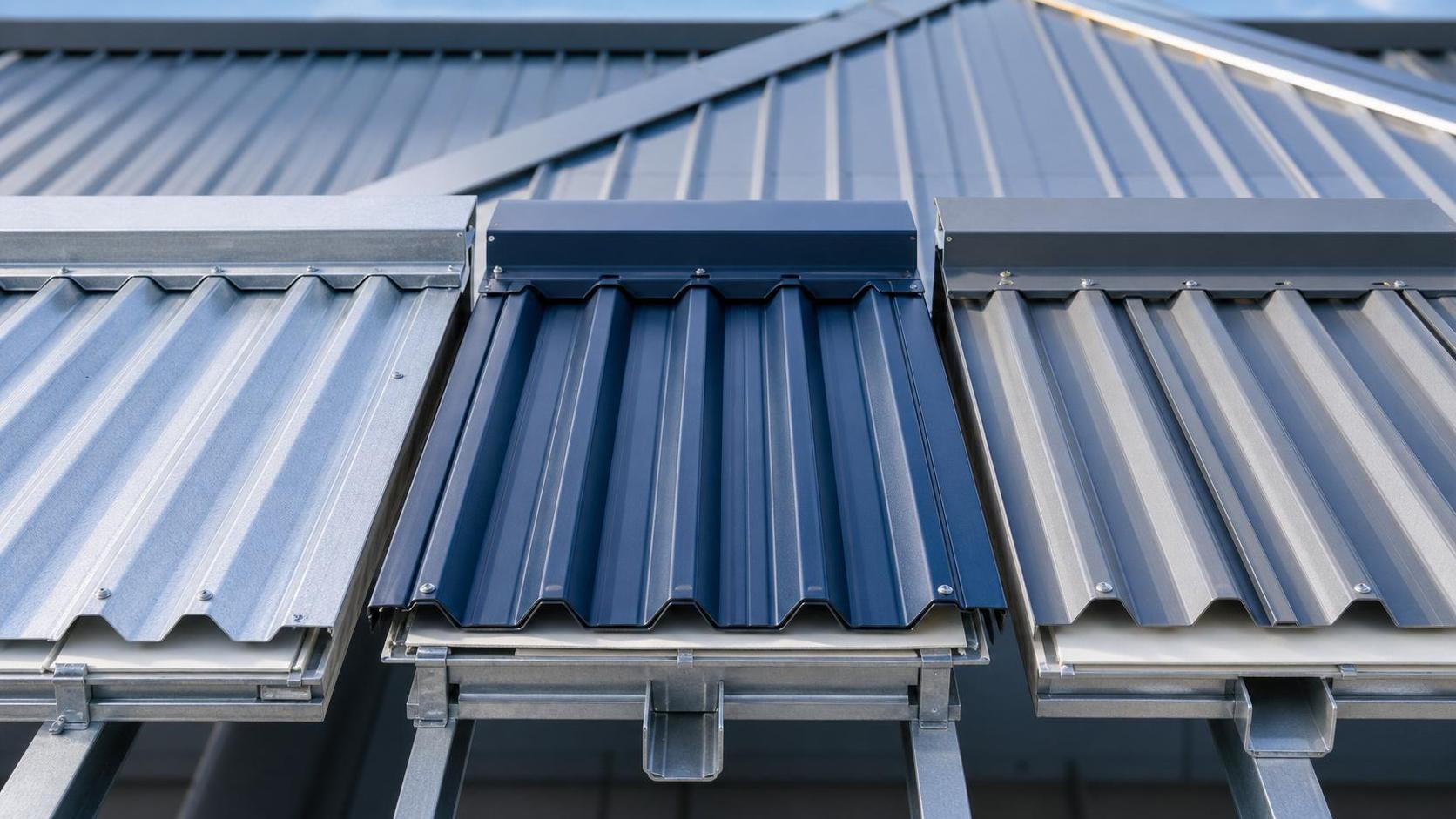
 How to Choose Steel Roofing for Warehouses, Farms, and Residential BuildingsSteel Roofing selection depends on building type. Learn how warehouses, farms, and homes differ in corrosion, insulation, drainage, and cost for smarter roofing decisions.
 Hot-Dip Galvanized vs Pre-Galvanized Steel: Which Should You Specify?Hot-dip galvanized vs pre-galvanized steel: compare corrosion resistance, fabrication impact, cost, and standards to specify the right steel solution for durable, compliant projects.
Please give us a message


Please enter what you want to find