Selecting Durable Steel Piles for Marine and Coastal Construction
Choosing the right steel pile for coastal construction projects in 2026 requires a precise understanding of material performance, corrosion resistance, and load-bearing capacity. As a leading structural steel manufacturer and exporter from China, Hongteng Fengda provides high-quality steel pile, steel rebar, and carbon steel solutions designed to meet international standards. This guide explores how to select the most suitable steel structures to ensure long-term stability, safety, and efficiency for demanding marine environments. For engineers, project managers, and procurement teams, the criteria for selection go beyond price — longevity, compliance, and structural adaptability define the success of a coastal project. With developments in steel manufacturing and surface treatment technologies, today's solutions enable builders to minimize lifetime maintenance and maximize return on investment in both nearshore and offshore constructions.
Understanding Coastal Construction Requirements and Steel Properties
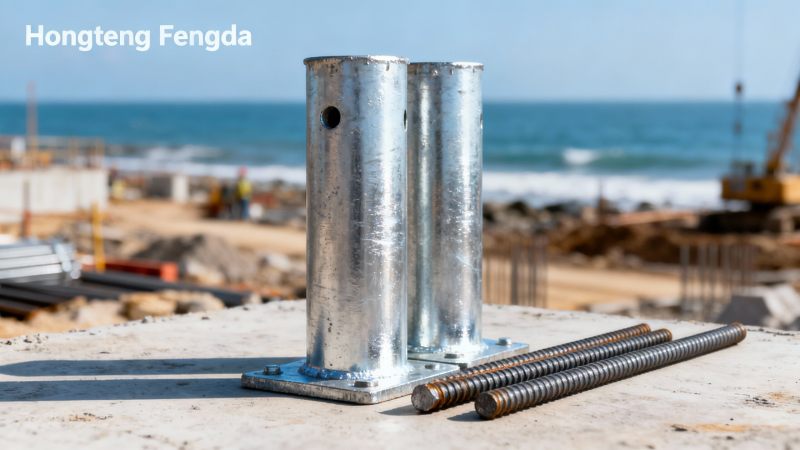
Coastal zones expose materials to one of the most aggressive natural environments, where moisture, chloride ions, and cyclical loading act concurrently. Steel pile foundations must withstand not only static weight and soil pressure but also dynamic marine forces such as waves and tidal movements. For this reason, engineers typically rely on carbon steel and alloyed materials with superior mechanical strength and good weldability. When determining the right type of steel pile, corrosion resistance remains one of the leading performance indicators. Techniques such as galvanizing, epoxy coating, or cathodic protection can greatly enhance the lifecycle of a pile in saline environments. Structural integrity is also influenced by the choice of steel grade—Q235B, Q345B, or ASTM A572, for instance—each offering varying levels of yield strength suitable for different soil conditions and load expectations.
Equally essential is the environmental adaptability of the steel rebar integrated within the structure. By carefully selecting high-quality carbon steel, project teams can ensure that embedded reinforcement maintains its mechanical strength over decades of exposure. The combination of steel pile and steel rebar manufactured under international standards like ASTM or EN ensures not only compliance but predictable long-term performance. Hongteng Fengda employs advanced rolling and heat treatment processes that deliver uniform grain structures, lowering the risk of fatigue and failure. Coastal projects, from breakwaters to harbor decks, rely heavily on such consistency to minimize variability in mechanical behavior. Proper steel choice therefore directly translates into safety and reduced lifecycle costs for complex coastal infrastructure.
Key Factors When Selecting Steel Pile Systems in 2026
When determining which steel pile system is most appropriate for coastal engineering, several key factors warrant thorough analysis. First is the geotechnical profile, which influences the type of pile—H-pile, pipe pile, or sheet pile—best suited to transfer loads to stable strata. In soft marine sediments, designers often specify longer piles with superior bending strength derived from high-grade carbon steel to prevent buckling. Second, corrosion protection techniques must align with local environmental exposure. Galvanized or epoxy-based coatings remain widely applied, but hot-dip zinc coatings continue to dominate for long-term marine durability. Third, fabrication tolerances and certification are critical. Hongteng Fengda’s facilities produce steel components under ISO and CE standards, employing ±1% tolerance accuracy to ensure seamless fit-up on site. This precision reduces on-site modification and ensures predictable performance under high stress. Finally, supply continuity and cost predictability play an essential role for project managers balancing global sourcing with tight construction schedules.
To meet these standards, Hongteng Fengda delivers engineered solutions, combining steel piles with complementary structural supports like the Z-beam. This Z-shaped steel profile, available in grades such as Q235B, Q345B, and ASTM A572, offers flexibility in applications ranging from lightweight roofs to marine bracket assemblies and manufacturing columns. Available in 6–25 mm thickness and custom lengths from 2 to 12 m, the material provides both strength and form adaptability. Its galvanized coating and perforated variants enable enhanced corrosion resistance and ease of installation, particularly useful in offshore platform structures. By integrating such components into the overall design, the structural system achieves a consistent quality level while simplifying procurement and inventory management.
Material Innovations and Corrosion Protection Trends
Recent years have seen significant innovations in steel manufacturing aimed at overcoming marine corrosion challenges. High-performance coatings and surface finishing techniques such as metallization, duplex coatings, and ceramic-infused barrier layers now extend the service life of steel piles and structural reinforcements. These protective methods allow carbon steel—traditionally susceptible to oxidation—to perform exceptionally well in environments with fluctuating salinity and oxygen concentration. Additionally, the advent of composite steel piles incorporating fiberglass wraps introduces yet another layer of resilience against seawater attack. The advancement of computational modeling has also allowed engineers to simulate corrosion progression, optimizing coating thickness and pile geometry for cost efficiency. Meanwhile, green initiatives encourage the use of low-alloy carbon steel, which balances durability with recyclability, thereby supporting sustainable construction standards without compromising strength.
For end users and quality control managers, it’s equally essential to track documentation such as SGS, BV, and ISO certifications to ensure conformity with international projects. In 2026, developers are increasingly emphasizing lifecycle management—evaluating not only initial installation cost but also maintenance patterns across decades. A pile system with smart corrosion monitoring sensors can record chemical variations in real time, allowing predictive maintenance before any visible degradation. As a company with global supply experience across North America, Europe, and the Middle East, Hongteng Fengda continues to implement data-driven manufacturing control systems. These systems maintain consistent coating thickness and traceability, ensuring that each steel pile or Z-beam meets the highest quality expectation under ASTM, EN, and JIS frameworks. This approach offers confidence for project management teams striving for zero failure rates in coastally exposed installations.
Case Study: Coastal Pier Construction and Load-Bearing Optimization
A recent example of efficient steel pile selection occurred in a coastal pier reconstruction project in Southeast Asia. Situated in a high-salinity bay with alternating wet and dry cycles, the client required a cost-effective yet durable piling solution. By using hot-rolled carbon steel pipe piles coated with a dual-layer zinc and epoxy finish, the structural team achieved a projected service life exceeding 50 years with minimal maintenance. Complementary structural supports were fabricated utilizing Z-shaped beams and cold-formed steel channels to distribute surface load efficiently across the pier decking. The design process integrated digital modeling to simulate load transfer between piles and superstructure, verifying compliance with EN and GB codes. Quality control engineers validated each steel rebar batch for tensile strength uniformity and monitored weld seams through ultrasonic inspection.
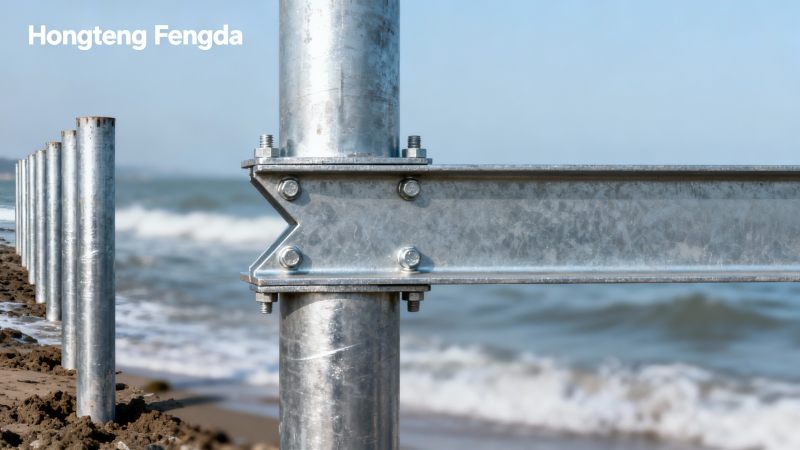
The result was a pier system capable of withstanding frequent tidal surges and medium seismic activity. Thanks to Hongteng Fengda’s manufacturing consistency and just-in-time export logistics, the client avoided costly downtime and achieved installation ahead of schedule. The collaborative engineering model—linking procurement officers, design consultants, and factory technicians—exemplified how international partnerships enhance construction reliability. Such real-world case studies confirm that robust steel pile selection enhances project resilience, optimizing both construction safety and environmental conformity. Standardizing on verified materials such as carbon steel and certified accessories simplifies maintenance planning over the structure’s operational life, which ultimately reduces total ownership cost while ensuring compliance with modern sustainability benchmarks.
Market Outlook and Future Opportunities in Marine Steel Structures
As global coastal developments expand, the demand for reliable steel pile systems continues to grow. Infrastructure investments in ports, renewable energy, and coastal protection necessitate structurally superior carbon steel and steel rebar solutions manufactured under precise quality frameworks. In 2026 and beyond, digitalization and modularization are reshaping the marine construction supply chain. Manufacturers who can deliver customized pile dimensions, pre-coating options, and pre-drilled attachments stand to gain a competitive advantage. Hongteng Fengda’s integrated production facilities allow engineers to request OEM configurations with minimal lead time, enabling direct alignment with design specifications. For distributors and agents, this adaptability strengthens their capacity to support diverse project portfolios spanning industrial, residential, and public sector clients. Procurement teams value not only the mechanical reliability but also the traceability and environmental transparency tied to each production batch, ensuring compliance with international sustainability requirements.
Another emerging trend involves hybrid frameworks where steel piles coexist with concrete jackets or fiber-reinforced shells to form composite systems. These designs offer designers the ability to reduce steel weight without compromising strength, achieving a balanced cost-performance ratio. At the same time, structural steel components such as galvanized Z-shaped and H-shaped beams are being integrated within modular housing and shipyard applications, broadening revenue opportunities for manufacturers. Enhanced data analytics now predict service life more accurately, driving evidence-based specifications in tender processes. For safety managers, continuous corrosion monitoring, non-destructive testing, and digital twin platforms provide the transparency needed to comply with modern regulatory audits. Such innovation confirms the central role of high-quality steel in ensuring the resilience of coastal engineering worldwide.
Conclusion and Collaboration Call
Selecting the appropriate steel pile, steel rebar, and carbon steel materials for coastal construction is not merely a matter of specification but a strategic decision affecting safety, efficiency, and long-term project value. Hongteng Fengda’s integrated approach—spanning manufacturing, export logistics, and technical consultation—helps international partners mitigate sourcing risks while achieving consistent performance across projects. Supported by CE, SGS, BV, and ISO certifications, each structural component, from heavy-duty piles to cold-formed profiles, is designed to deliver strength, corrosion protection, and ease of assembly. Whether applied to bridge foundations, harbor walls, or offshore platforms, these steel solutions align with the current engineering emphasis on sustainability and lifecycle optimization. For decision-makers seeking proven materials backed by dependable delivery, Hongteng Fengda stands as a trusted global partner. Contact our team today to learn how we can support your upcoming coastal construction initiatives with tailored steel solutions engineered for 2026 and beyond.
Related recommendations
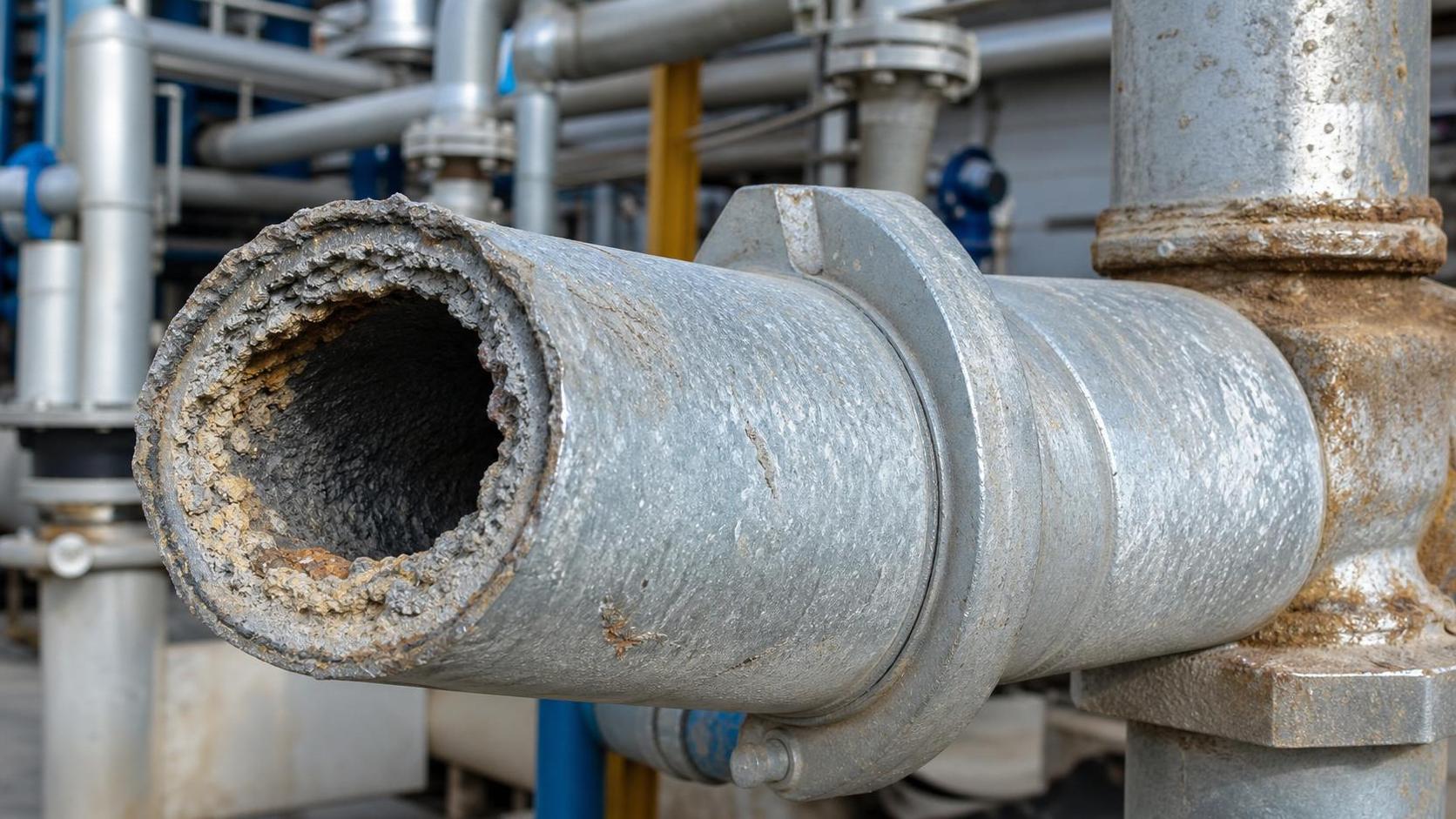
 Why Does Galvanized Pipe Corrode Over Time and When Should It Be Replaced?Galvanized pipe corrodes as its zinc coating wears away from moisture, chemicals, and age. Learn the warning signs, repair limits, and the right time to replace it.
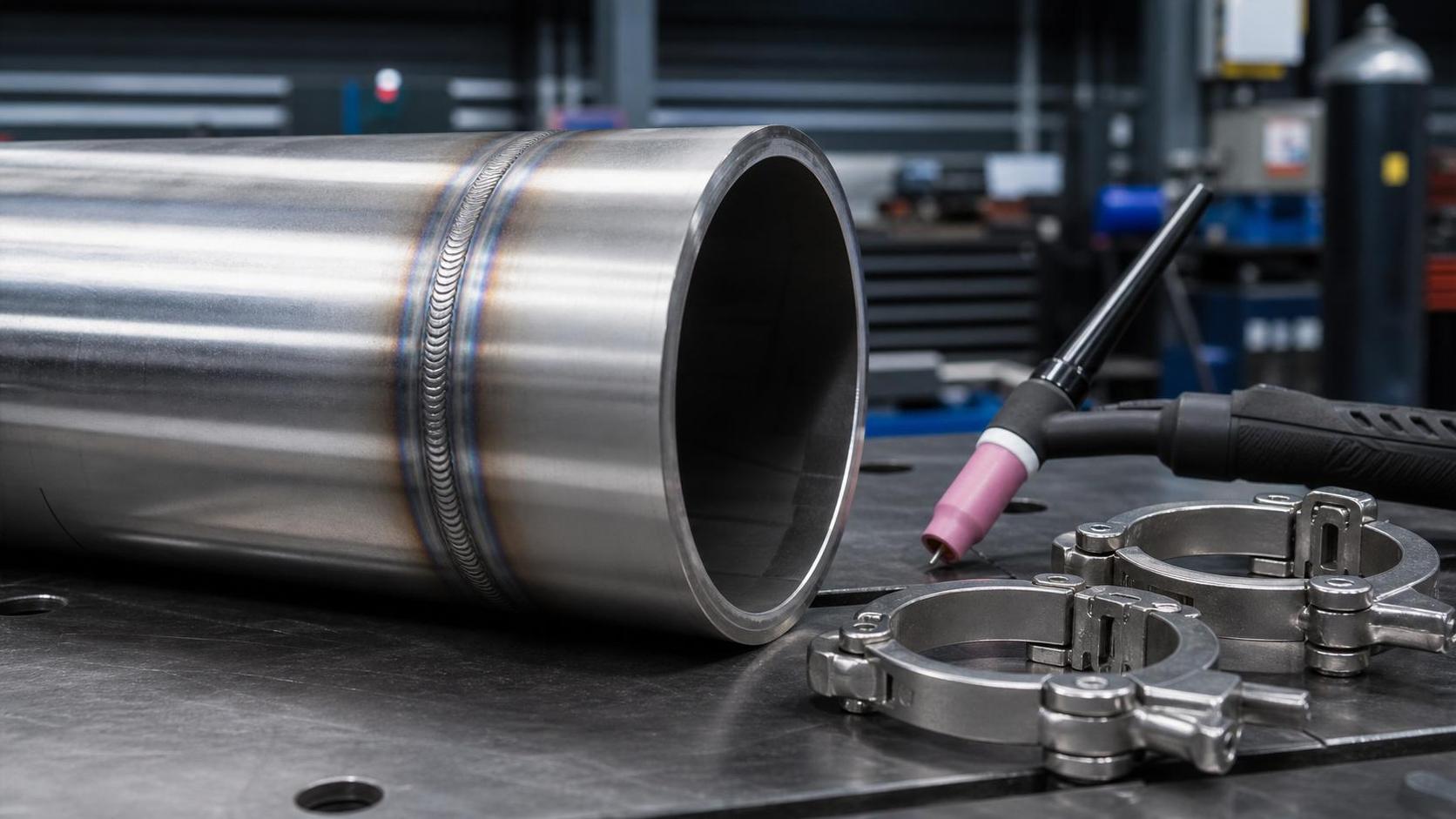
 Common SS Pipe Welding Problems and How to Prevent ThemSS pipe welding problems can lead to leaks, corrosion, and costly repairs. Learn the main defects, warning signs, and practical prevention tips to improve weld quality and service life.
 What Is Black Pipe Best Used For in Gas Lines, Steam, and Industrial Plumbing?Black pipe is ideal for gas lines, steam, and industrial plumbing where strength and heat resistance matter. Learn when it fits best, where it fails, and how to choose wisely.
 Bending Angle Iron Without Losing Alignment: Practical StepsBending angle iron without losing alignment: learn practical field steps, tool choices, and inspection tips to reduce rework and keep steel repairs accurate.
Please give us a message


Please enter what you want to find