Understanding the real cost and strength advantages of steel shelf angle structures is essential for efficient project design and procurement. Whether you’re selecting angle carbon steel, right angle sheet metal, or comparing h shape steel and industrial i beam solutions, knowing how each performs can directly impact durability and budget. As a trusted structural steel supplier and exporter, Hongteng Fengda offers insights into selecting the optimal h metal beam, h 20 beam, and steel h sections to meet your performance and cost goals across construction, industrial, and manufacturing projects. For engineers, procurement managers, and corporate decision makers, understanding these comparisons enables better purchasing decisions and enhances the long-term value of every construction investment. This article delves deep into comparative performance and practical recommendations to help you make informed choices in selecting cost-effective and high-strength structural steel components.
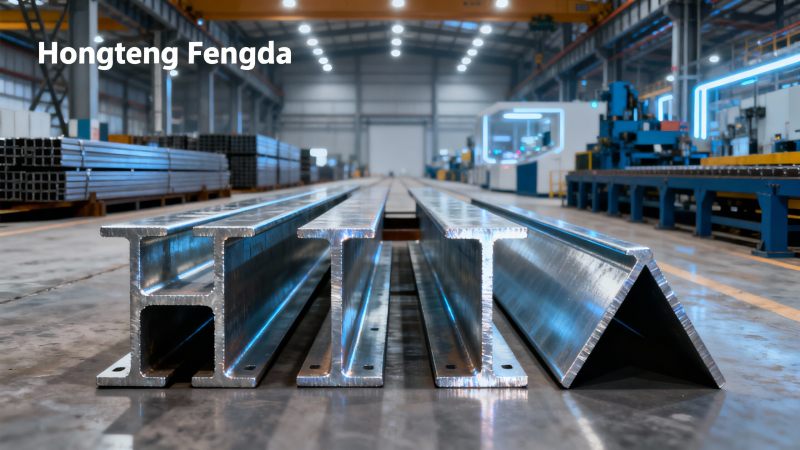
Key Factors Influencing Strength and Durability of Steel Shelf Angle Structures
The strength of a steel shelf angle largely depends on its composition, shape design, and load-bearing application. Angle carbon steel remains one of the most widely used materials due to its excellent balance between cost and mechanical properties. This type of steel provides strong tensile resistance, which contributes to higher structural integrity in both horizontal and vertical frameworks. When a right angle sheet metal component is integrated properly within a structure, it distributes stress uniformly and resists deformation in heavy-duty installations. Modern manufacturing of h shaped steel beam and h 20 beam configurations also enhances safety margins for high-load environments such as bridges, warehouses, and industrial frameworks. In this context, the use of supplier i beam materials with high yield strength standards can lead to a 20% improvement in long-term stability when compared to lower grade substitutes. Furthermore, many projects incorporate steel shelf angle designs with reinforced edges that prevent torsional bending, offering a crucial advantage during seismic or wind-resistant applications. For manufacturers, ensuring compliance with international standards like ASTM and EN means that each steel section meets project requirements effectively. These factors combined ensure a long lifecycle with optimal performance.
Cost Comparison Between Angle Carbon Steel, H Shape Steel, and Industrial I Beam Structures
Cost efficiency often defines the overall success of a steel sourcing strategy. The initial investment in h shape steel or industrial i beam may be higher than basic right angle sheet metal; however, the total lifecycle cost often tells a different story. When maintenance, installation speed, and structural reliability are taken into account, many builders find that upgrading to steel h sections or h metal beam products can result in lower total ownership costs. For example, a standard h 20 beam can provide up to 30% greater modular efficiency compared to smaller angle carbon steel profiles, allowing for fewer joints and faster assembly. These advantages reduce labor costs, improve project consistency, and lead to shorter construction schedules. From a procurement perspective, global steel market volatility often influences decision-making. Choosing a reliable structural steel exporter like Hongteng Fengda, which ensures steady production and compliance with standards such as GB and JIS, helps purchasing teams secure consistent pricing over the long term. As market demand grows in North America and Europe, sourcing partners that maintain integrated production facilities with large output capacity allow smaller firms to compete more efficiently in multi-project environments. Moreover, when factoring shipping and fabrication time, selecting the correct type of steel shelf angle leads to superior ROI by minimizing waste and ensuring compatibility with project specifications.
Practical Applications Across Construction and Industrial Sectors
Steel shelf angle applications have expanded far beyond simple shelving or warehouse racking systems. In industrial construction, these components form the essential framework for both temporary and permanent structures. For instance, angle carbon steel is widely used to support conveyor systems, scaffolding assemblies, and modular factory installations due to its straightforward fabrication and reliable strength. The combination of h shaped steel beam with steel h sections in high-rise or bridge projects delivers exceptional weight distribution while maintaining stability under extreme loads. Right angle sheet metal also plays a fundamental role in enclosure panels, ventilation supports, and load frames within manufacturing facilities. In recent years, architects and design engineers have integrated decorative but structurally functional steel profiles into aesthetic frameworks such as façade reinforcements or interior structures that combine form and utility. Specialized variants like h metal beam and h 20 beam are selected not only for mechanical performance but also for ease of welding and compatibility with other fasteners, which reduces field modification time. To ensure durability against environmental challenges, many structures employ corrosion-resistant coatings or complementary materials such as galvanized wire. A good example is the adoption of Steel Wire Galvanized, which provides superior corrosion protection for mesh barriers, frameworks, and joint ties in outdoor constructions. Such integrated material approaches combine strength and cost control for modern infrastructure projects while maintaining flexibility and aesthetic consistency.
Material Innovations and Supporting Components in Modern Steel Systems
Innovations in material design play a vital role in the evolution of structural steel systems. Manufacturers now blend traditional steel shelf angle compositions with advanced coatings and fabrication techniques to improve mechanical properties. For example, cold-formed manufacturing processes help in achieving lighter but stronger beams, while precision rolling ensures dimensional accuracy. The growing focus on energy efficiency and green construction further drives the adoption of optimized designs where angle carbon steel interacts synergistically with sustainable materials such as low-carbon steel wire products. Among these supporting solutions, the Q195 and Q235 models of Steel Wire Galvanized are widely used for packaging, barrier isolation, and reinforcement purposes. With a tensile strength of 350–550 MPa and zinc coating thickness between 8–25 g/m2, these wires exhibit excellent ductility, corrosion resistance, and long service life. Their bright, silvery-white appearance adds aesthetic value while offering functionality in construction and industry. Additionally, integration of such components minimizes rust and extends the overall lifespan of structural assemblies. By combining modern wires and structural beams like h metal beam or h shape steel configurations, engineers can design lightweight yet rigid infrastructures suitable for both industrial and architectural purposes. The synergy among these materials defines a new standard for structural stability and resource efficiency, helping end-users reduce maintenance expenses and total environmental impact.
Market Trends, International Standards, and Global Supply Dynamics
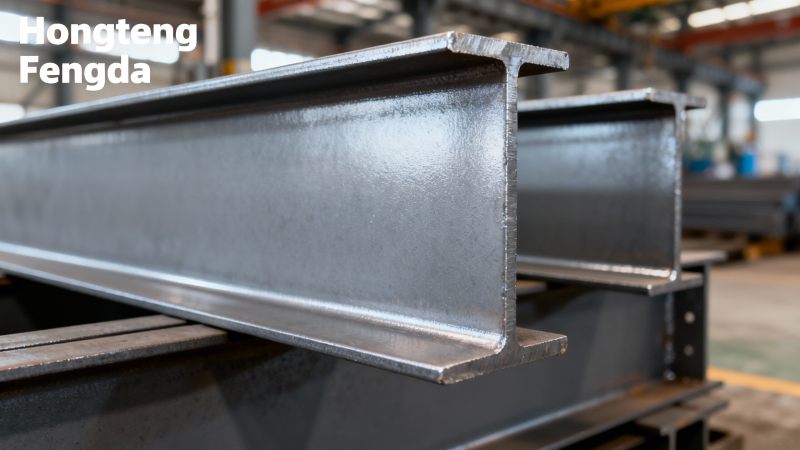
Global trends in the steel industry indicate a growing shift toward standardization and efficiency optimization. As demand for industrial i beam and steel h sections increases across developing regions, suppliers are under pressure to maintain consistent performance and timely delivery. Compliance with standards such as ASTM, EN, and JIS not only ensures quality but also facilitates smoother regulatory approvals for large-scale projects. Hongteng Fengda has adapted to these evolving market needs by integrating quality control at every production stage—from raw material inspection to precise rolling, cutting, and surface finishing. This approach guarantees that h 20 beam and h shape steel components exceed mechanical strength requirements while keeping costs competitive. Supply chain diversification also plays a major role in maintaining stable delivery schedules. For instance, multiple shipping routes and cooperative partnerships with European distributors enhance global accessibility. The rising interest in sustainable steel manufacturing processes, including recycling and low-emission smelting, further shapes the procurement strategies for construction firms. Buyers increasingly look for manufacturers that combine technical expertise with reliable logistics, ensuring minimal risk in project execution. Moreover, data-driven production management helps track performance consistency, allowing project managers and safety inspectors to verify conformity before materials reach the construction site. All of these indicate that quality-backed sourcing combined with innovation sets the foundation for long-term competitiveness and trust in structural steel markets.
Conclusion: Choosing the Right Steel Partner for Sustainable Performance
Selecting the right type of steel—whether angle carbon steel for lightweight frameworks or h shaped steel beam for heavy-duty applications—requires a deep understanding of both mechanical performance and financial outcomes. As global infrastructure investment grows, choosing a dependable supplier capable of providing tailored structural steel solutions ensures reliability and cost-effectiveness throughout the project lifecycle. Hongteng Fengda, as a recognized structural steel manufacturer and exporter from China, continues to deliver excellence through its wide product range, including steel shelf angle, h metal beam, industrial i beam, and customizable steel h sections. Its advantage lies in technical precision, prompt delivery, and professional service that consistently meet international quality standards. By leveraging advanced manufacturing technologies and integrating supporting materials such as galvanized wires, the company provides comprehensive solutions that align with global construction demands. For project managers, distributors, and purchasing teams seeking to maximize value while minimizing risk, partnering with a reputable exporter like Hongteng Fengda ensures both short-term gains and long-term success. Contact the Hongteng Fengda team today to learn more about cost-effective structural steel options tailored for modern industrial and construction challenges.
- steel i
- steel h sections
- h shaped steel beam
- industrial i beam
- h metal beam
- h shape steel
- h 20 beam
- supplier i beam
- right angle sheet metal
- steel shelf angle
- angle carbon steel
- steel wire galvanized
- carbon steel wire
- galvanized wire
- steel supplier
- structural steel
- steel profiles
- Structural Steel
- Profile
- Wire Products
- Galvanized
- Steel Beam
- Steel Wire
- carbon steel
- steel profile
Related recommendations
 Common Leak Risks When Using Galvanized Pipe for Plumbing SystemsGalvanized pipe for plumbing can hide corrosion, joint wear, and pressure-related leak risks. Learn the key warning signs, causes, and smart maintenance actions to prevent costly failures.
 Oil Tempered Carbon Steel Wire for Valve Spring: What Standards and Tests Matter?Oil tempered carbon steel wire for valve spring: learn which JIS, EN, and ASTM standards, decarburization checks, surface inspections, and fatigue-related tests truly protect spring life.
 Rebar for Foundation: Grade, Cover, and Spacing Mistakes to AvoidRebar for foundation guide: avoid costly grade, cover, and spacing mistakes that weaken durability, bonding, and concrete flow. Learn practical checks before the pour.
 Steel Tubing Dimensions: OD, Wall Thickness, and Gauge DifferencesSteel tubing dimensions explained clearly: compare OD, wall thickness, and gauge differences to avoid sizing mistakes, improve fit, and choose the right steel tube with confidence.
Please give us a message


Please enter what you want to find