Maintaining the flawless shine of a mirror stainless sheet requires proper care and expert knowledge. Whether you’re checking the stainless steel 1 inch pipe price, comparing ss 304 tube price, or choosing between stainless steel corrugated sheet and stainless steel embossed plate, understanding how to preserve reflective finishes is crucial. In this FAQ, Hongteng Fengda, a trusted structural steel manufacturer and exporter from China, shares essential tips to keep your ss sheet plate, mirror stainless sheet, and ss sheet 304 products bright, durable, and cost‑efficient. Regular cleaning, mindful handling, and awareness of environmental factors can dramatically extend the lifespan and appearance of stainless surfaces across industrial and architectural applications.
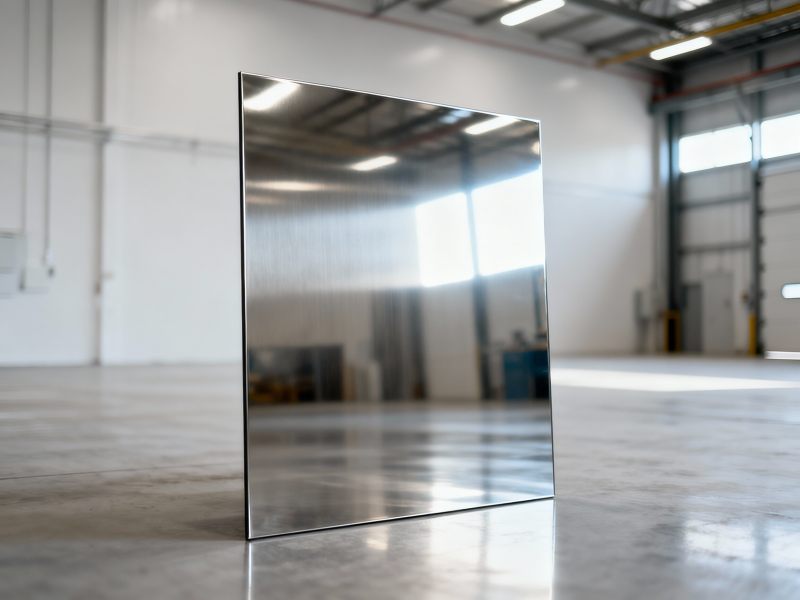
Definition and Overview of Mirror Stainless Sheets
Mirror stainless sheet refers to stainless steel that has been polished to a reflective, mirror-like surface capable of high light reflectivity. This finish is produced through precise grinding and buffing processes using progressively finer abrasives and compounds, typically achieving a Level No.8 or higher polish standard. Such sheets are widely used in high-end architecture, interior decoration, elevators, and equipment housings where visual appeal and corrosion resistance are equally valued. Compared with ordinary ss sheet plate or stainless round materials, mirror finishes demand greater maintenance discipline due to their high sensitivity to fingerprints, dust, and chemical residue. Buyers exploring ss 304 tube price or stainless steel 1 inch pipe price may consider mirror finish enhancements for aesthetic or environmental reasons, as its chromium-rich surface layer resists oxidation and staining effectively. Hongteng Fengda provides these materials in accordance with ASTM, EN, JIS, and GB specifications, ensuring both international compliance and consistent finish quality for distributors and project teams worldwide.
Market Overview and Industry Background
The global demand for mirror stainless sheet and related ss sheet 304 products continues to grow at a steady pace, primarily driven by modern architectural design trends and hygiene-focused industries. According to market insights, consumers and procurement officers increasingly evaluate stainless steel offerings alongside the stainless steel corrugated sheet and stainless steel embossed plate alternatives for structural efficiency, decorative properties, and cost stability. The average ss sheets price fluctuates based on grade composition, polishing intensity, and surface inspection standards. While mirror-finish materials may come at a slightly higher ss 304 2 inch pipe price equivalent, they often justify the cost through reduced maintenance and longer service life. For export manufacturers like Hongteng Fengda, serving customers in North America, Europe, the Middle East, and Southeast Asia, stability of supply and strict quality control provide a commercial edge. The company’s role as a structural steel manufacturer entails ensuring that each coil, beam, and plate—whether mirror stainless or structural carbon—meets consistent performance targets. That reliability resonates with project managers and quality assurance staff who look beyond price into overall lifecycle value when selecting suppliers for building façades, industrial kitchens, or urban transit infrastructure.
Technical Performance Parameters and Material Traits
Mirror stainless surfaces are typically crafted from austenitic steel grades like 304 or 316, offering excellent corrosion resistance, ductility, and polish retention. The manufacturing process includes annealing, pickling, grinding, and electro‑polishing, resulting in smooth surfaces that exhibit minimal light diffusion. Key properties influencing the surface performance include tensile strength, chromic oxide passivation thickness, and micro‑scratch resistance. For example, ss sheet 304 demonstrates an ideal balance between hardness and formability, suitable for applications demanding reflective aesthetics combined with mechanical resilience. Proper maintenance involves using neutral pH cleaning agents and soft microfiber cloths to avoid micro‑abrasions that compromise the stainless round reflection quality.
Related steel materials, such as High Carbon Steel Plate of SPCC model range, show distinct advantages in tensile integrity and structural reliability. These specifications—width 100 mm to 3000 mm and thickness 0.1 mm to 400 mm—enable customized use in rail systems, automotive panels, and electrical switchboards. Hongteng Fengda’s expertise in integrating mirror stainless sheet finishing with precision carbon steel forming allows customers to procure complementary materials from one source, reducing procurement complexity while ensuring performance synergy across multiple steel types.
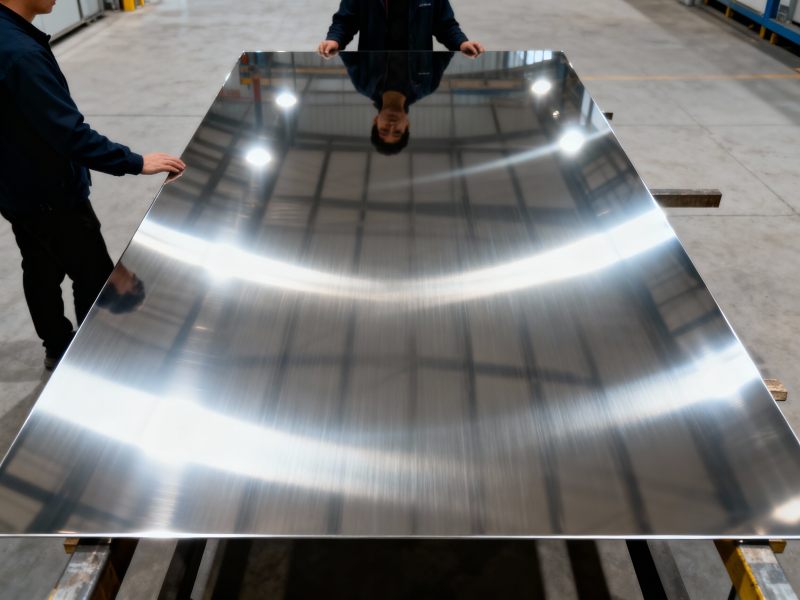
Application Scenarios and Maintenance Practices
Mirror stainless sheets are commonly deployed across diverse fields—from architectural façades and elevator cabins to luxury vehicles and modern kitchens. For users comparing stainless steel embossed plate with mirror finish versions, the primary distinction lies in reflectivity versus texture. Embossed surfaces conceal scratches easily but do not create the same elegant visual continuity as mirror stainless sheet. Maintenance personnel and quality controllers must understand the environmental conditions under which each finish performs best. In public installations, humidity, pollution, and fingerprints accelerate smudging; thus, scheduled cleaning using distilled water and diluted detergent becomes vital. Avoid abrasive chlorides that could damage the protective chromium oxide film. Mechanics handling ss sheet plate in production lines should wear lint‑free gloves and store materials in dry, padded slots. Construction foremen procuring stainless steel corrugated sheet materials often cross‑compare ss 304 2 inch pipe price data to assess total façade costing. By leveraging reliable exporters such as Hongteng Fengda, decision‑makers secure not just materials but ongoing consultation on handling and assembly practices designed to uphold mirror reflectivity even after installation and years of service.
Comparison Analysis: Mirror vs Textured Finishes
Choosing between mirror stainless sheet, stainless steel corrugated sheet, and stainless steel embossed plate requires balancing aesthetic goals, budget, and functional performance. Mirror surfaces deliver premium brightness and architectural appeal but reveal imperfections more easily. Corrugated and embossed forms enhance rigidity and conceal minor scratches, making them suitable for industrial zones and equipment housings. Procurement officers evaluating ss sheets price should note that surface treatment complexity, not just alloy grade, dictates the variation. For environments prioritizing sanitary cleanliness—such as medical halls, food‑grade facilities, or public transport hubs—mirror finishes reduce bacterial adhesion due to minimal surface roughness. However, these require careful cleaning protocols. By contrast, embossed materials require less frequent cosmetic maintenance but may trap debris. Hongteng Fengda’s engineering team regularly advises engineers on which finish complements mechanical and environmental demands. Their ISO and ASTM‑certified testing support guarantees surface hardness and uniformity. Thus, enterprises can choose confidently between product lines while controlling long‑term operating costs. This nuanced comparison informs procurement strategies and aids in meeting both design standards and safety compliance requirements internationally.
Procurement Guide and Cost Considerations
Before placing an order, procurement managers should clearly identify project requirements such as grade, thickness, and reflectivity. Requesting data sheets aligned with ASTM A240 or EN 10088 ensures alignment with international building codes. Cost analysis must factor in parameters like stainless steel 1 inch pipe price trends and the differential between ss sheet 304 and other alloy grades. In many cases, bulk orders allow negotiation of lower per‑ton ss sheets price without compromising quality. Buyers comparing multiple suppliers should inquire about polishing certifications, surface inspection methods, and packing to prevent scratches during shipment. Companies like Hongteng Fengda guarantee traceability across production—from smelting to final packaging—supported by advanced QC testing instruments. Their global logistics networks provide dependable lead times, allowing distributors and agents to manage inventory effectively. Meanwhile, project directors evaluating mirror stainless sheet for commercial complexes can access technical consultation for customized dimensions or OEM requests. Strategic sourcing thus reduces rework costs and minimizes waste across construction or fabrication cycles, translating into real‑world operational savings beyond the purchase price.
FAQ and Maintenance Misconceptions
Below are common questions gathered from engineers, operators, and maintenance teams worldwide:
- How often should mirror stainless surfaces be cleaned? — Frequency depends on usage and environment. In urban or coastal regions, weekly gentle wiping with neutral cleaners prevents chloride buildup.
- Can abrasive pads be used to remove stubborn stains? — No. Abrasive tools can permanently dull the reflection. Use fine micro‑fiber cloths and mild detergents instead.
- Are ss sheet 304 and mirror stainless sheet identical? — Mirror sheet is a finish, while ss 304 is an alloy grade. Mirror polishing can be applied to ss 304 for enhanced brightness.
- Does the ss 304 2 inch pipe price correlate with sheet cost? — Only partially. Tubes and sheets involve distinct manufacturing lines. Market trends can influence each differently based on raw material availability.
- How can scratches be repaired? — Minor abrasions can be blended using specialized polishing compounds, but deep scratches often require re‑buffing by professionals.
A common misconception is that mirror surfaces are inherently fragile. In reality, premium sheets from manufacturers like Hongteng Fengda with controlled alloy composition demonstrate excellent mechanical strength while maintaining their brilliant gloss. Proper storage and installation remain the decisive factors in long‑term durability.
Trends and Future Insights
The industry is evolving toward sustainable manufacturing and eco‑polishing technologies that minimize chemical use while achieving ultra‑bright finishes. Automated robot polishing systems and nano‑coating methods extend mirror stainless sheet longevity and reduce cleaning labor requirements. Additionally, digital supply chain integration enables real‑time monitoring of ss sheet 304 demand patterns and stainless steel 1 inch pipe price dynamics globally. For end users and dealers, integrating surface technologies across multiple materials—from mirror stainless to High Carbon Steel Plate structures—provides both functional and aesthetic synergy in multimetal projects. Forward‑looking manufacturers like Hongteng Fengda continue to invest in R&D for corrosion‑resistant alloys and advanced forming processes, empowering architects and engineers to design reflective façades that withstand environmental stressors while conveying a modern identity. This trend illustrates how technical innovation and practical usability merge to redefine the next generation of structural and decorative steels in global markets.
Why Choose Hongteng Fengda
Hongteng Fengda stands as a professional structural steel manufacturer and exporter from China committed to delivering value through quality, reliability, and customer‑focused service. The company’s extensive product line—from angle steel and channel steel to steel beams and cold‑formed profiles—complements premium mirror stainless sheets used in global construction and industrial manufacturing. Each product complies with AISI, ASTM, ASME, DIN, BS, EN, ISO, JIS, and GOST standards, ensuring consistency across international projects. Clients benefit from modern facilities, rigorous inspection systems, and a responsive technical team capable of customizing ss sheet 304 configurations while maintaining cost efficiency. Whether you are a project manager seeking dependable supply, a distributor seeking OEM cooperation, or an end user ensuring surface brilliance, Hongteng Fengda provides the partnership to realize these goals confidently. Contact their professional sales and engineering representatives to learn how specialized polishing and precision forming solutions can enhance your next project across architectural, automotive, or industrial applications worldwide.
- channel steel
- angle steel
- high carbon steel plate
- carbon steel plate
- structural steel
- steel beams
- Structural Steel
- Steel Beams
- ss sheet 304
- ss sheet plate
- stainless round
- ss sheets price
- steel plate
- mirror stainless sheet
- Stainless steel embossed plate
- Stainless steel corrugated sheet
- ss 304 2 inch pipe price
- ss 304 tube price
- stainless steel 1 inch pipe price
- Profile
- Steel Beam
- carbon steel
Related recommendations
 Is acero galvanizado para exterior vulnerable to white rust formation during monsoon storage?Acero galvanizado para exterior *is* vulnerable to white rust in monsoons — but it’s preventable. Discover proven storage & handling strategies that protect your structural steel.
 Does ASTM A 36 plate meet impact toughness requirements for low-temperature bridge girders?Does ASTM A 36 plate meet low-temp bridge requirements? Short answer: no—unless specially tested. Discover why toughness matters more than strength in cold climates.
 Does ASTM A653 certification cover both zinc-coated and zinc-iron alloy coated steels?ASTM A653 covers both zinc-coated and zinc-iron alloy coated steels—but they’re not interchangeable. Learn key differences in testing, performance & certification.
 Does acero prepintado require surface pretreatment before welding or cutting?Does acero prepintado require pretreatment before welding or cutting? Discover when grinding is essential—and when it’s not—for safety, weld integrity & corrosion resistance.
Please give us a message


Please enter what you want to find