Understanding minimum order quantity (MOQ) for steel rods is critical for procurement managers balancing cost efficiency with inventory needs. This guide explores mill MOQ vs trader MOQ steel differences, lead time planning strategies, and key questions to ask suppliers. Whether you're managing construction projects or industrial manufacturing, learn how to navigate steel procurement lead time and MOQ requirements to optimize your supply chain while mitigating risks.
Mill MOQ vs Trader MOQ: Key Differences in Steel Procurement
When sourcing steel rods, understanding the distinction between mill MOQ and trader MOQ is essential for cost-effective procurement. Mills typically enforce higher minimum order quantities due to production efficiencies – often ranging from 20-100 metric tons for standard steel rod specifications. In contrast, traders or distributors may offer lower MOQs (sometimes as little as 5 tons) by aggregating orders or maintaining inventory. However, this flexibility often comes with a 10-20% price premium and potential quality consistency concerns. Procurement teams must evaluate their project timelines, storage capacity, and budget constraints when choosing between these options. For structural components like I Beam Manufacturers, where material consistency is critical, direct mill sourcing often provides better quality control despite higher MOQ requirements.
Strategic Lead Time Planning for Steel Rod Procurement
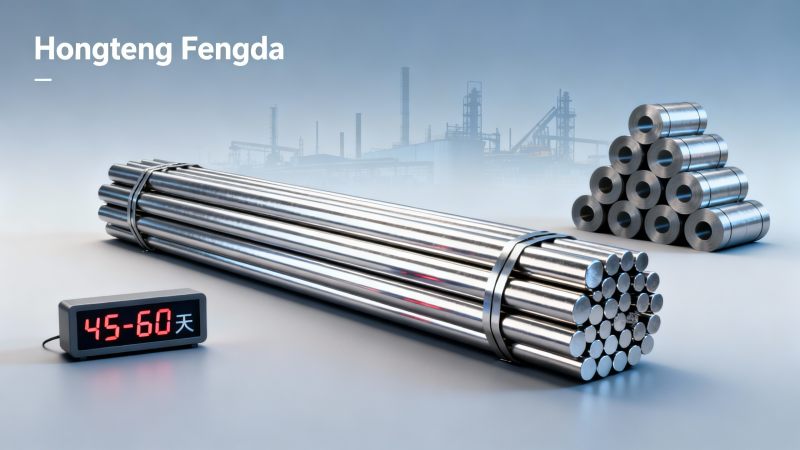
Effective steel procurement lead time planning requires understanding multiple variables. Standard steel rod deliveries from Asian mills typically require 45-60 days for production and shipping, while customized specifications may extend this to 75-90 days. Traders might promise shorter lead times (30-45 days), but this depends on their existing inventory levels. Procurement managers should always ask suppliers specific questions about: 1) Current production queue status, 2) Raw material availability, 3) Shipping lane reliability, and 4) Quality inspection protocols. For critical projects, consider dual-sourcing strategies or maintaining safety stock, especially when dealing with specialized products like ASTM A36 or SS400 grade steel rods where alternatives may be limited.
Optimizing MOQ Requirements for Steel Products
Navigating MOQ requirements for steel products involves balancing several operational factors. For high-volume buyers, consolidating orders to meet mill MOQs can achieve 15-30% cost savings through bulk pricing tiers. Smaller buyers might explore: 1) Joining industry consortium purchasing groups, 2) Negotiating staggered deliveries within the MOQ framework, or 3) Considering alternative standard sizes that may have lower MOQ thresholds. When evaluating I Beam Manufacturers, note that hot-rolled products typically have higher MOQs than cold-formed alternatives. Always verify whether the quoted MOQ applies to single-item orders or can be combined across multiple product lines – some suppliers allow mix-and-match orders to reach minimum thresholds.
Critical Questions Procurement Managers Should Ask Steel Suppliers
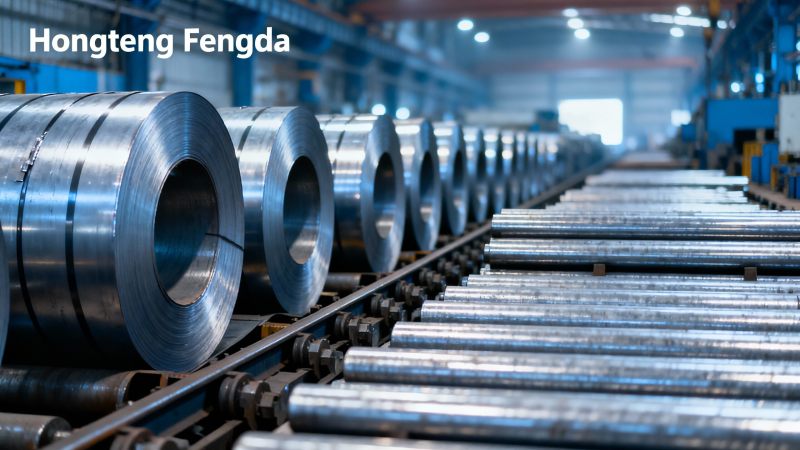
Mitigating lead time and MOQ risks in steel procurement begins with asking the right questions. Beyond basic pricing and availability queries, experienced buyers should investigate: 1) The supplier's raw material sourcing strategy and backup plans, 2) Their historical on-time delivery performance for similar orders, 3) Flexibility in adjusting order quantities post-contract, and 4) Quality certification processes (particularly important for structural components meeting EN 10025 or ASTM A572 standards). For specialized applications, inquire about the supplier's technical support capabilities – can they provide load calculations or corrosion protection recommendations? Reputable manufacturers like Hongteng Fengda typically maintain transparent communication about production schedules and quality control measures, reducing procurement uncertainties.
Why Choose Hongteng Fengda for Your Steel Rod Requirements
As a professional structural steel manufacturer and exporter, Hongteng Fengda offers distinct advantages in MOQ flexibility and lead time reliability. Our modern production facilities allow us to accommodate both standard and customized steel rod orders with competitive minimum quantities. With certifications including ASTM, EN, JIS, and GB standards, we ensure material consistency across all production batches. For buyers managing complex projects, we provide: 1) Transparent production scheduling, 2) Flexible payment terms for large orders, 3) Technical support for material selection, and 4) Logistics coordination for timely deliveries. Whether you require standard Q235 steel rods or specialized SS355JR grades, our team delivers solutions that balance your inventory needs with cost efficiency.
- i beam manufacturers
- ASTM A572
- Q235 steel
- steel supplier
- steel suppliers
- ASTM A36
- structural steel
- Structural Steel
- Steel Rod
- Wire Products
- steel rod lead time
- minimum order quantity for steel rods
- wire products lead time
- steel manufacturing lead time
- MOQ requirements for steel products
- lead time and MOQ risks in steel procurement
- steel procurement lead time planning
- questions procurement managers should ask steel suppliers
- standard vs custom steel lead time
- mill MOQ vs trader MOQ steel
Related recommendations
 Is acero galvanizado para exterior vulnerable to white rust formation during monsoon storage?Acero galvanizado para exterior *is* vulnerable to white rust in monsoons — but it’s preventable. Discover proven storage & handling strategies that protect your structural steel.
 Does ASTM A 36 plate meet impact toughness requirements for low-temperature bridge girders?Does ASTM A 36 plate meet low-temp bridge requirements? Short answer: no—unless specially tested. Discover why toughness matters more than strength in cold climates.
 Does ASTM A653 certification cover both zinc-coated and zinc-iron alloy coated steels?ASTM A653 covers both zinc-coated and zinc-iron alloy coated steels—but they’re not interchangeable. Learn key differences in testing, performance & certification.
 Does acero prepintado require surface pretreatment before welding or cutting?Does acero prepintado require pretreatment before welding or cutting? Discover when grinding is essential—and when it’s not—for safety, weld integrity & corrosion resistance.
Please give us a message


Please enter what you want to find