When selecting piping materials for potable water systems, professionals often ask: Is black metal pipe suitable for potable water? This FAQ addresses critical concerns about material safety, corrosion resistance, and NSF-61 compliance—especially for black metal plumbing pipe, black steel tube, carbon steel seamless pipe, and mild steel gas pipe. As a leading structural steel manufacturer and exporter, Hongteng Fengda clarifies misconceptions around black A pipe, carbon steel square pipe, and pipe carbon applications—helping procurement teams, project managers, and safety officers make informed, code-compliant decisions.
Definition & Material Identity: What Exactly Is “Black Metal Pipe”?
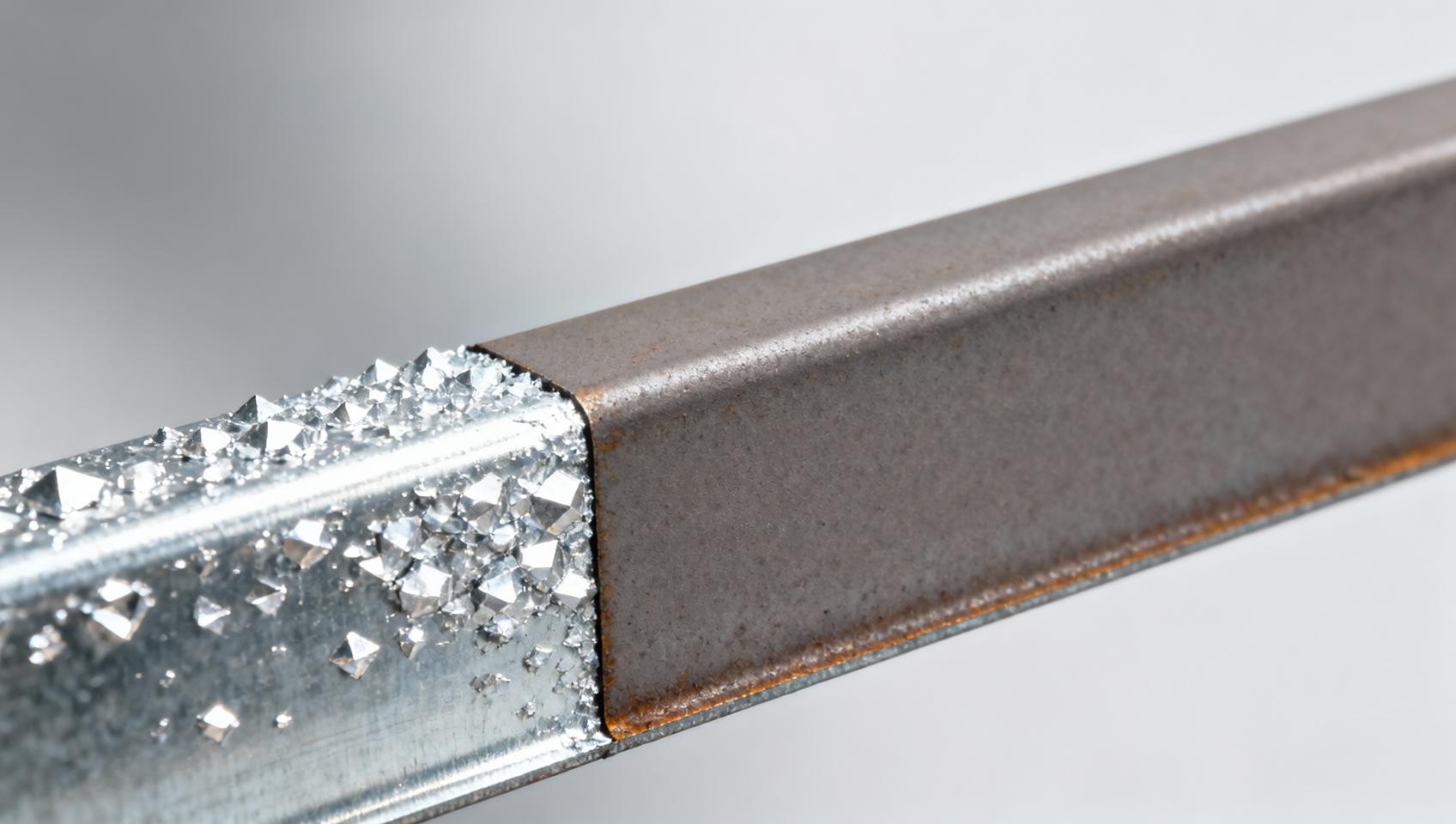
“Black metal pipe” is a colloquial industry term—not a formal ASTM or ISO designation—that typically refers to uncoated carbon steel pipe with a dark oxide scale finish formed during hot rolling or welding. It is distinct from galvanized, stainless, or coated pipes. Common variants include black plumbing pipe (used historically in gas lines), black steel tube (often for mechanical support), and carbon steel gas pipe (ASTM A53 Type F or Type E). Despite the name, it contains zero lead or heavy metals beyond trace impurities inherent in standard carbon steel production.
Importantly, “black” describes surface appearance—not composition. The base material is usually ASTM A106 Grade B, ASTM A53 Grade B, or GB/T 8163—low-carbon, weldable, ductile steels with ≤0.25% carbon and controlled sulfur/phosphorus levels. These grades meet structural integrity requirements but were never engineered for long-term contact with potable water without protective treatment.
NSF-61 Compliance: The Non-Negotiable Benchmark for Drinking Water Safety
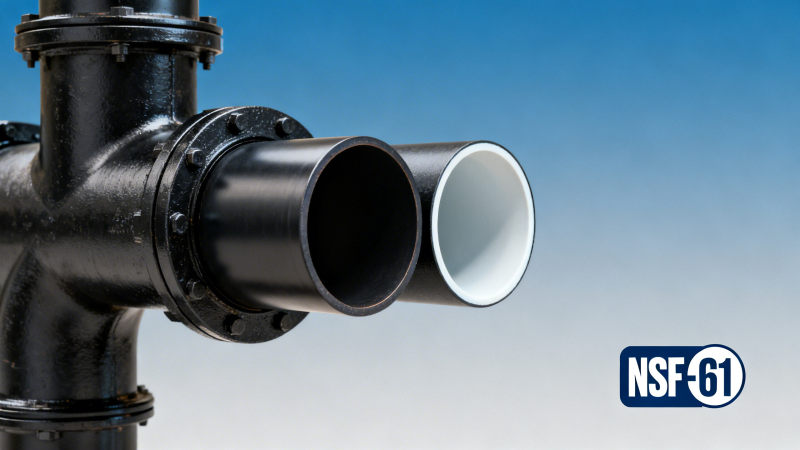
NSF/ANSI Standard 61 is the U.S. national benchmark for health effects evaluation of drinking water system components. To be NSF-61 compliant, a pipe must undergo rigorous leaching tests across pH 5–11, varying temperatures, and stagnation periods—measuring extractables like iron, manganese, zinc, and volatile organics. Crucially, *raw black metal pipe is NOT inherently NSF-61 certified*. Its certification depends entirely on internal lining, coating, or post-fabrication treatment.
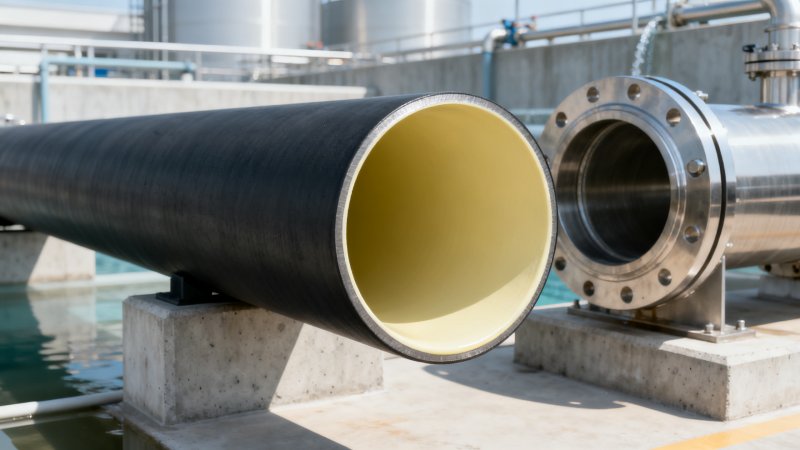
For example, black A pipe used in municipal fire sprinkler systems may carry NSF-61 listing—but only when lined with epoxy, cement-mortar, or polyurethane. Unlined carbon steel square pipe or mild steel gas pipe installed directly into potable water mains will corrode rapidly, releasing iron particulates and increasing turbidity, pH instability, and microbiological growth risk. That’s why global codes—including IAPMO UPC, EN 805, and China’s GB/T 17219—explicitly prohibit unlined carbon steel in cold/hot potable water distribution unless third-party validated and maintained.
Comparison Analysis: Black Metal Pipe vs. Approved Alternatives
Choosing piping isn’t just about strength—it’s about lifecycle safety, maintenance cost, and regulatory alignment. Below is a comparative overview of key technical and compliance attributes:
Procurement Guide: How to Specify Safely for Potable Water Projects
Procurement teams face real-world pressure: balancing budget, lead time, and compliance. For projects requiring carbon steel infrastructure—e.g., large-diameter municipal trunk lines or industrial process water—Hongteng Fengda recommends this specification framework:
- Always require full NSF-61 certification documentation—not just supplier claims—with test reports traceable to accredited labs (e.g., NSF International, UL, SGS).
- Specify internal linings explicitly: ASTM A213 Type C (cement-mortar), AWWA C213 (epoxy), or ISO 4616 (polyurethane) — including thickness, adhesion, and holiday detection standards.
- Verify mill test reports (MTRs) for chemical composition and mechanical properties—ensuring compliance with ASTM A106/A53/GB/T 8163 and EN 10217-1.
- For custom orders (e.g., carbon steel seamless pipe with flanged ends or special threading), request pre-shipment inspection by third parties such as BV or SGS—standard practice for Hongteng Fengda’s North American and EU clients.
As a structural steel manufacturer and exporter from China, Hongteng Fengda supports OEM and project-specific fabrication—including cutting, bending, welding, and internal coating coordination—ensuring seamless integration into global potable water infrastructure programs while maintaining strict adherence to ASTM, EN, JIS, and GB standards.
Why Choose Hongteng Fengda for Structural Steel & Water-Safe Solutions?
With over 18 years of experience supplying angle steel, channel steel, steel beams, cold-formed profiles, and customized structural steel components, Hongteng Fengda delivers more than raw material—we deliver risk-mitigated sourcing. Our modern facilities implement automated QA/QC protocols aligned with ISO 9001 and IATF 16949, enabling consistent dimensional accuracy, surface quality, and metallurgical repeatability across all black steel tube, carbon steel square pipe, and pipe carbon orders.
We partner with certified coating providers for NSF-61-compliant internal linings and maintain dedicated export logistics for North America, Europe, the Middle East, and Southeast Asia—ensuring stable capacity, transparent lead times, and full documentation support (including Form A, CO, and origin certificates). Whether you’re evaluating black metal pipe for non-potable use or specifying NSF-61-ready carbon steel gas pipe for regulated utility work, our engineering team provides free technical consultation, sample validation, and joint compliance review—because safe water infrastructure starts with trustworthy steel.
Contact Hongteng Fengda today to discuss your next structural steel or water-system project—and discover how precision manufacturing, international compliance, and responsive partnership translate into on-site reliability.
- channel steel
- steel i
- angle steel
- mild steel gas pipe
- pipe carbon
- carbon steel seamless
- coated carbon steel pipe
- black a pipe
- black plumbing pipe
- carbon steel pipe
- carbon steel gas pipe
- carbon steel square pipe
- black steel tube
- black metal plumbing pipe
- black metal pipe
- seamless pipe
- steel pipe
- steel coil
- structural steel
- steel beams
- Structural Steel
- Steel Beams
- 201 stainless steel coil
- stainless steel coil
- ss pipe
- Profile
- Galvanized
- Steel Beam
- carbon steel
- steel tube
Related recommendations
 Is acero galvanizado para exterior vulnerable to white rust formation during monsoon storage?Acero galvanizado para exterior *is* vulnerable to white rust in monsoons — but it’s preventable. Discover proven storage & handling strategies that protect your structural steel.
 Does ASTM A 36 plate meet impact toughness requirements for low-temperature bridge girders?Does ASTM A 36 plate meet low-temp bridge requirements? Short answer: no—unless specially tested. Discover why toughness matters more than strength in cold climates.
 Does ASTM A653 certification cover both zinc-coated and zinc-iron alloy coated steels?ASTM A653 covers both zinc-coated and zinc-iron alloy coated steels—but they’re not interchangeable. Learn key differences in testing, performance & certification.
 Does acero prepintado require surface pretreatment before welding or cutting?Does acero prepintado require pretreatment before welding or cutting? Discover when grinding is essential—and when it’s not—for safety, weld integrity & corrosion resistance.
Please give us a message


Please enter what you want to find