Before any construction work begins, ensuring the quality of steel rebar and related materials like steel bar, steel profile, and steel sheet is critical to structural safety and project success. This practical guide explains how project managers can inspect and verify steel rebar quality before installation—covering factors from material standards and surface condition to mill certification checks. Whether you’re sourcing carbon steel, stainless steel bar, or steel channel, understanding inspection essentials helps reduce risks, control costs, and guarantee lasting performance. For project managers, quality inspection is not just a procedural step; it’s a strategic responsibility that influences the entire construction lifecycle, from procurement and logistics to long-term maintenance and cost control. Construction failures linked to poor-quality reinforcement can lead to structural deformation, additional expenses, and schedule delays that harm reputation and profitability. Therefore, establishing a systematic inspection and evaluation approach for steel materials—including steel rebar, steel profile, and steel sheet—should be an integral part of every project manager’s toolkit.
Understanding Steel Rebar Quality Standards and Material Properties
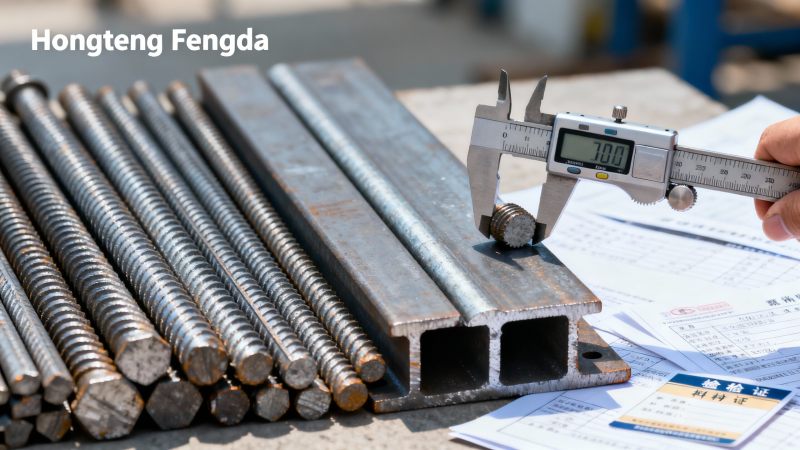
Quality inspection starts with knowing the applicable international and domestic standards that govern steel rebar production. Common benchmarks include ASTM A615, BS4449, JIS G3112, and China’s GB1499, each specifying tensile strength, yield strength, elongation, and chemical composition limits. Project managers must verify that every batch of steel rebar matches the ordered grade—whether carbon steel or stainless steel—by reviewing mill test certificates and compliance documentation. These test certificates should include heat number, brand, batch number, and detailed mechanical properties. The presence of a consistent manufacturing batch also ensures traceability. When selecting materials like steel pile, steel bar, or steel profile, it’s critical to match product characteristics to design requirements. For instance, carbon steel rebar provides cost efficiency and strong ductility, while stainless steel rebar, though costlier, offers superior corrosion resistance essential for marine or humid environments. Additionally, the cost comparison of 201 vs 304 stainless steel cost guides managers in balancing performance and budget. Reliable suppliers such as Hongteng Fengda ensure each rebar complies with ASTM, EN, and JIS standards, maintaining uniform quality in physical and chemical properties across batches. Each rebar sample should undergo dimensional tolerances and surface checks. Inspect for straightness, rib shape, and pitch spacing, as irregular ribs can affect concrete bonding performance. Also, verify that the markings on steel rebar clearly identify manufacturer codes and standards, ensuring transparency and traceability in international supply chains. For instance, the Q195 angle steel used with HT220 or HT880 model supports demonstrates how consistent standard compliance ensures better structural integration for beams, bridges, or transmission towers.
Visual and Dimensional Inspection Before Installation
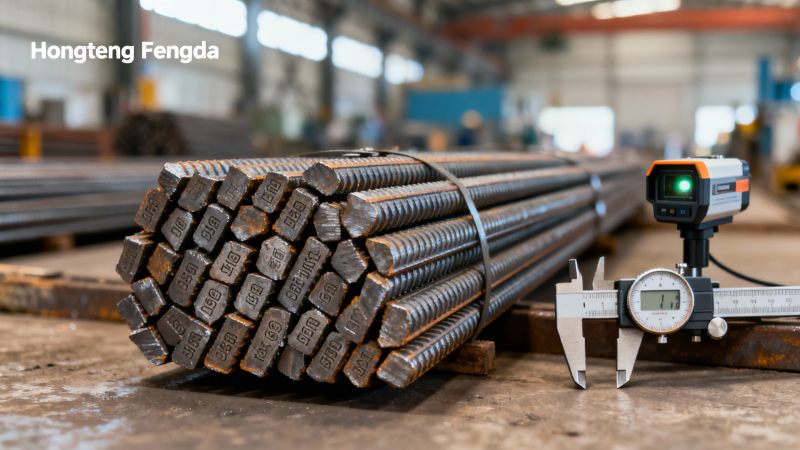
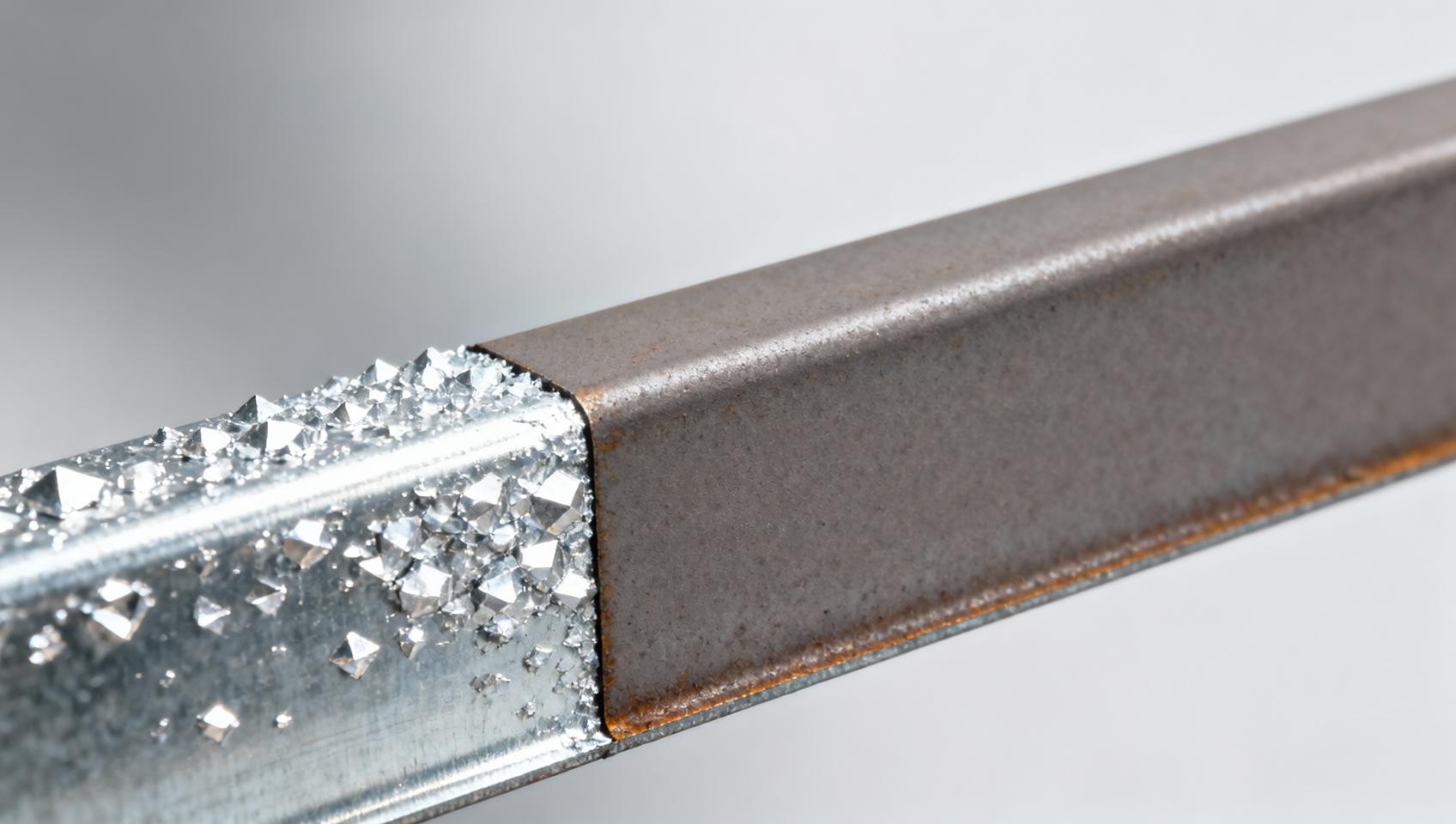
Once steel rebar is delivered to the construction site, project managers must carry out a comprehensive visual and dimensional inspection. This step is often underestimated, yet it can reveal damage stemming from transportation or poor storage conditions. Visually, each steel bar should be free from cracks, rust, delamination, oil, and scale that could affect bonding with concrete. For carbon steel bars, surface oxidization might indicate improper handling; stainless steel bars require inspection for pitting corrosion, especially if stored outdoors or near salt exposure. Using calibrated equipment—such as micrometers, calipers, or laser measuring devices—helps verify diameter uniformity and length tolerance according to the project’s structural specifications. Any deviation could alter designed stress distribution and jeopardize the reinforcement layout. For example, when integrating rebar within concrete beams supported by Q195 angle steel components, ensuring proper section size and dimensional accuracy minimizes misalignment issues and strengthens load-bearing performance. In addition, proper stacking and labeling at site are vital. Separate storage zones for different sizes and grades prevent confusion during installation. Managers must also confirm whether the steel bar has been stored on elevated surfaces to avoid ground moisture absorption, particularly for carbon steel and steel sheet materials. Organized and labeled inventory systems lower mix-up risks and enhance workflow efficiency. Reliable suppliers often conduct pre-shipment inspections, but on-site verification ensures full accountability.
Mechanical and Chemical Test Verification
Beyond surface and dimensional checks, scientific testing is essential for assessing the inner strength and durability of steel rebar. Mechanical tests—tensile, bending, and impact—confirm compliance with design-grade requirements. The tensile test evaluates elasticity and plasticity, confirming yield and ultimate strengths. Bending tests check flexibility under compression, ensuring that the steel maintains ductility without cracking. For environments facing extreme temperature variation, impact test results demonstrate resistance to brittleness. Chemical analysis, meanwhile, defines the proportions of carbon, manganese, sulfur, phosphorus, and silicon content. Excessive sulfur or phosphorus weakens bonding and toughness. For stainless steel square bar products, chromium and nickel content determine corrosion resistance levels—higher chromium enhances passive film formation that protects against oxidation. Inspectors should double-check that these results align with mill reports and local code compliance such as EN 10080 for reinforcing steels. Some project managers request an independent third-party laboratory verification, especially for large-scale projects involving public infrastructure and energy facilities. Testing confirms steel composition uniformity and production consistency, which are vital for quality assurance. This step becomes more critical when importing materials across regions under different regulatory frameworks. Suppliers like Hongteng Fengda typically offer advance sampling options and provide digital mill certificates that simplify record management and traceability throughout the project cycle.
Supplier Credibility and Traceability Control
Apart from material testing, supplier management defines overall quality reliability. A structured supplier assessment includes evaluating production capacity, quality control systems, certifications, and after-sales technical support. Trustworthy manufacturers of steel bar, steel rebar, and steel channel not only comply with international standards but also provide transparent production documentation. Project managers should review suppliers’ ISO certifications and confirm internal procedures for heat-tracking, retest frequency, and compliance audits. In competitive procurement markets, focusing solely on unit cost often compromises quality. When comparing global sourcing options, decision-makers must assess both the technical and economic advantages. For example, the unit price difference between 201 vs 304 stainless steel cost may look significant short-term, but the lifecycle cost of corrosion, maintenance, and replacement makes 304 stainless steel more cost-effective in highly corrosive sites. Utilizing suppliers that can provide both standard and OEM steel solutions gives flexibility for customized steel profiles and components. Hongteng Fengda, a leading structural steel manufacturer and exporter from China, demonstrates how integrated quality systems reduce sourcing risks. Their expertise across carbon and stainless steel product lines—including beams, cold-formed profiles, and steel sheets—ensures consistency from raw material selection to finished goods. Moreover, their continuous improvement ethos allows overseas clients across North America, Europe, and Southeast Asia to access reliable production capabilities and dependable lead times, which are essential for project managers and technical evaluators overseeing long-term engineering investments.
On-Site Quality Management and Best Practices
Even after passing factory inspections and laboratory tests, steel rebar quality must be guarded during handling, bending, and installation on-site. Implementing on-site supervision protocols ensures continuous integrity before concrete casting begins. First, set up a designated rebar inspection area where incoming materials can be rechecked for damage. Use dry and level storage platforms to avoid moisture absorption and oxidation. Second, monitor rebar bending and welding procedures closely, as excessive heating can alter mechanical properties or lead to micro-structural changes that weaken tensile strength. When welding carbon steel or stainless steel bar, specify preheating and cooling rates aligned with standards such as AWS D1.4. Welding parameters should match the material’s thickness and composition to avoid heat-affected zone failures. In projects utilizing steel channel frames or combined rebar systems, ensure each connection is securely tied to prevent displacement when pouring concrete. Regular sampling inspections at every stage—from rebar preparation to final concrete placement—builds an auditable trail of compliance. Effective communication between quality control inspectors, project engineers, and site contractors minimizes misunderstandings and enhances collaboration. Implementing digital inspection forms, QR-coded tags, and photographic documentation allows project managers to maintain a centralized audit system. The result is an efficient quality chain that aligns with both engineering and procurement departments’ performance indicators. In the long run, these best practices safeguard structural reliability and prevent rework, thereby reducing total lifecycle costs for projects relying heavily on reinforcement systems.
Conclusion and Strategic Recommendations
Inspecting steel rebar quality before installation is a cornerstone of modern construction risk management. By applying standardized inspections, mechanical testing, and rigorous supplier evaluation, project managers can ensure strong structural integrity and long service life. Reliable sourcing from professional manufacturers such as Hongteng Fengda not only guarantees consistent product quality but also provides technical consultation, timely delivery, and OEM flexibility. Their advanced production lines and broad portfolio—from carbon steel to stainless steel square bar and structural profile solutions—empower project teams to execute efficiently and safely. For upcoming infrastructure or industrial projects, integrating proactive quality checks into every phase—from tendering to installation—reduces operational hazards and cost overruns. Collaborating with manufacturers that supply verified materials under ASTM, EN, and GB certifications strengthens project compliance globally. When evaluating reinforcement systems, consider complementary products like steel sheet, steel pile, and precision-made steel channel for complete structural solutions. Project managers and decision-makers seeking sustainable success in structural steel applications should prioritize partnership with dependable suppliers who share a commitment to excellence and transparency. To explore more about quality-assured reinforcement and standardized components, contact Hongteng Fengda today and discover how advanced solutions can help control your sourcing risks, lower your 201 vs 304 stainless steel cost concerns, and enhance every stage of your structural engineering projects.
Related recommendations
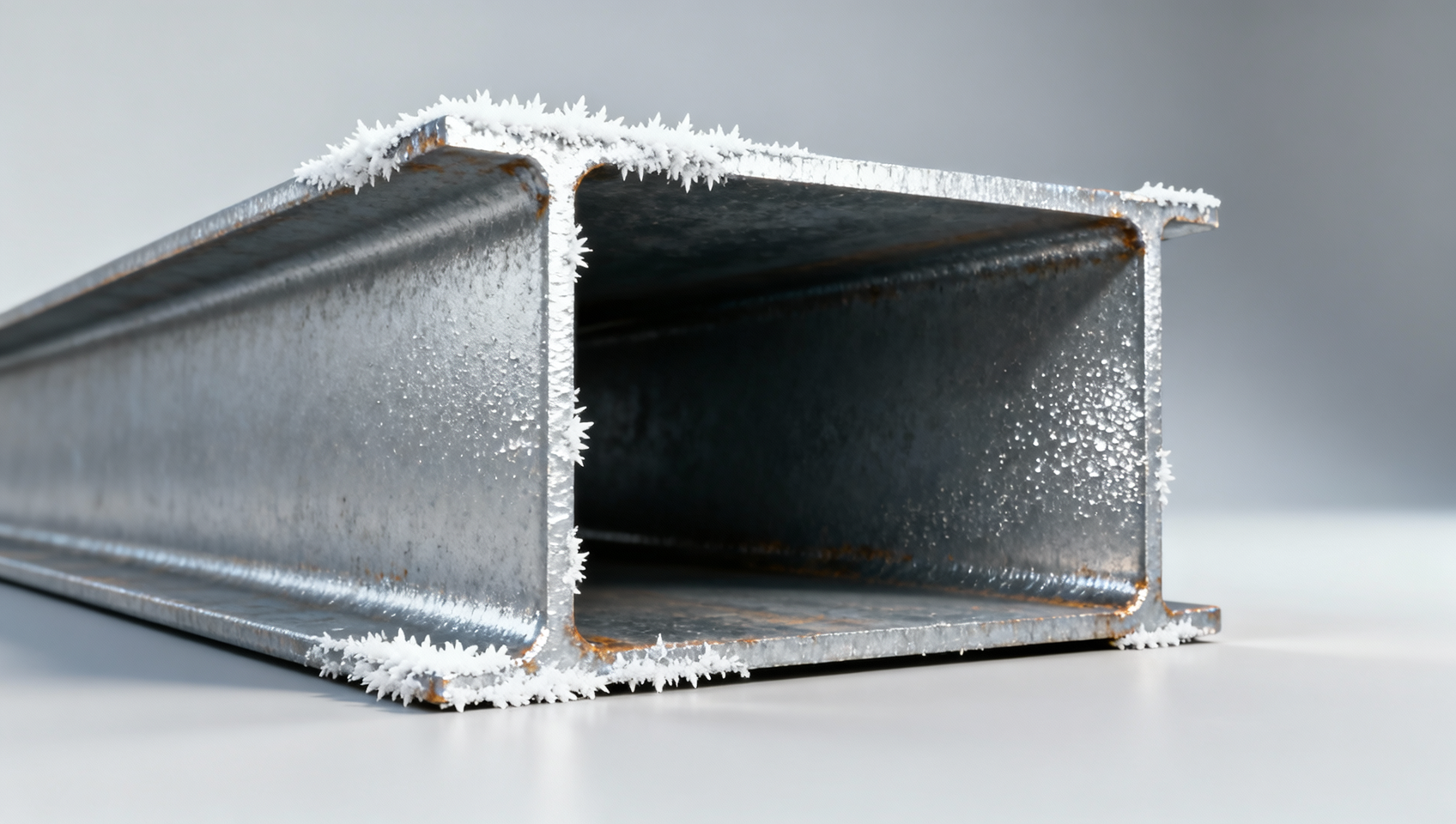
 Is acero galvanizado para exterior vulnerable to white rust formation during monsoon storage?Acero galvanizado para exterior *is* vulnerable to white rust in monsoons — but it’s preventable. Discover proven storage & handling strategies that protect your structural steel.
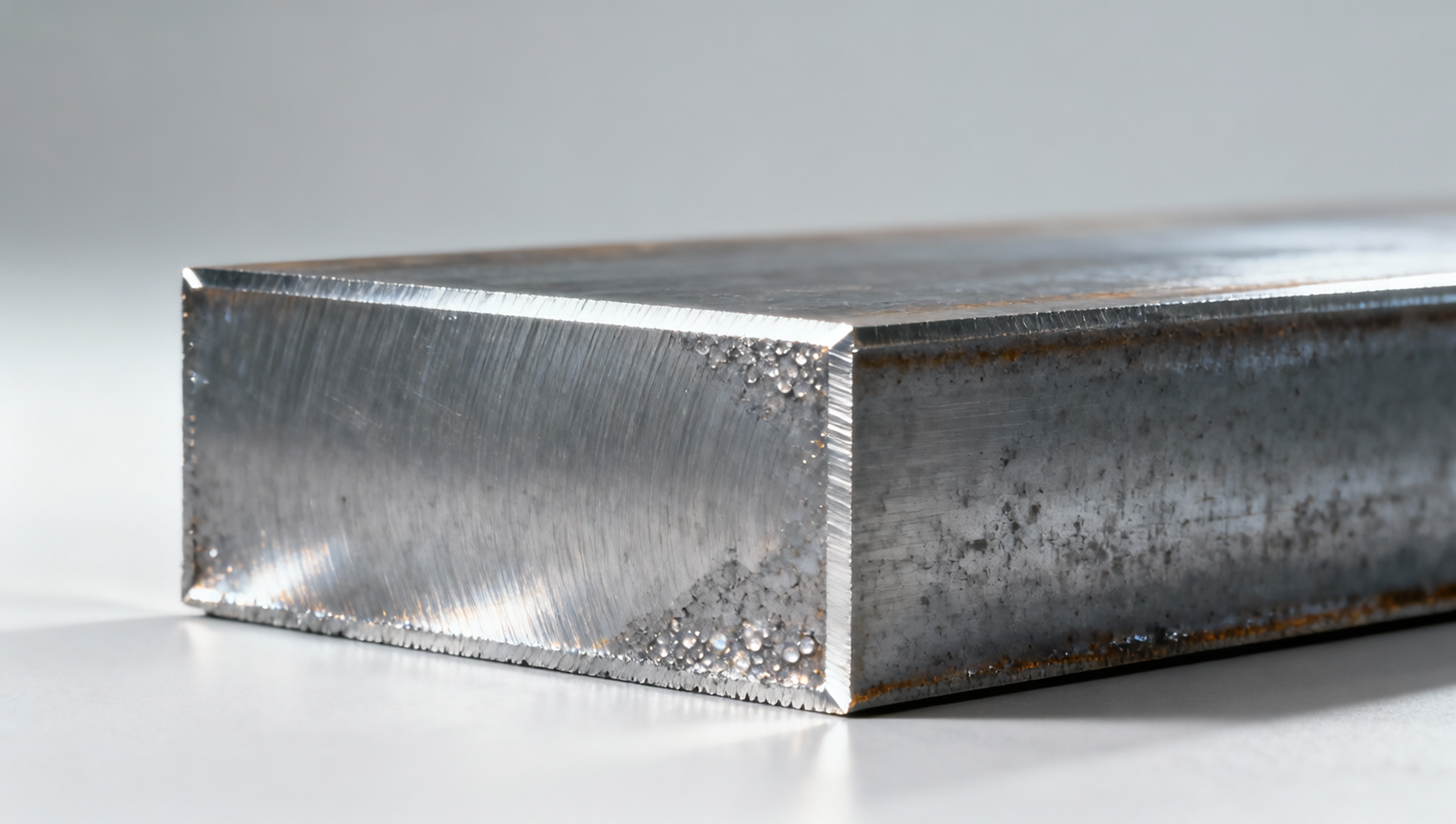
 Does ASTM A 36 plate meet impact toughness requirements for low-temperature bridge girders?Does ASTM A 36 plate meet low-temp bridge requirements? Short answer: no—unless specially tested. Discover why toughness matters more than strength in cold climates.
 Does ASTM A653 certification cover both zinc-coated and zinc-iron alloy coated steels?ASTM A653 covers both zinc-coated and zinc-iron alloy coated steels—but they’re not interchangeable. Learn key differences in testing, performance & certification.
 Does acero prepintado require surface pretreatment before welding or cutting?Does acero prepintado require pretreatment before welding or cutting? Discover when grinding is essential—and when it’s not—for safety, weld integrity & corrosion resistance.
Please give us a message


Please enter what you want to find