Choosing the right steel rebar for bridge construction is crucial for ensuring safety, durability, and cost efficiency. This FAQ explores key aspects of high strength and corrosion resistant steel rebar, covering topics such as ASTM certified standards, steel rebar price per ton, and sourcing from a trusted steel rebar exporter to Europe and the USA. As a custom steel rebar supplier from China, Hongteng Fengda provides reliable solutions for industrial and construction projects worldwide. With years of manufacturing and exporting experience, we understand that bridges demand structural components capable of withstanding extreme loads, temperature fluctuations, and long-term corrosion exposure. The selection of high strength steel rebar directly impacts bridge performance, maintenance cycles, and lifecycle costs, which are critical for both contractors and project owners seeking cost-effective, compliant, and durable reinforcement materials.
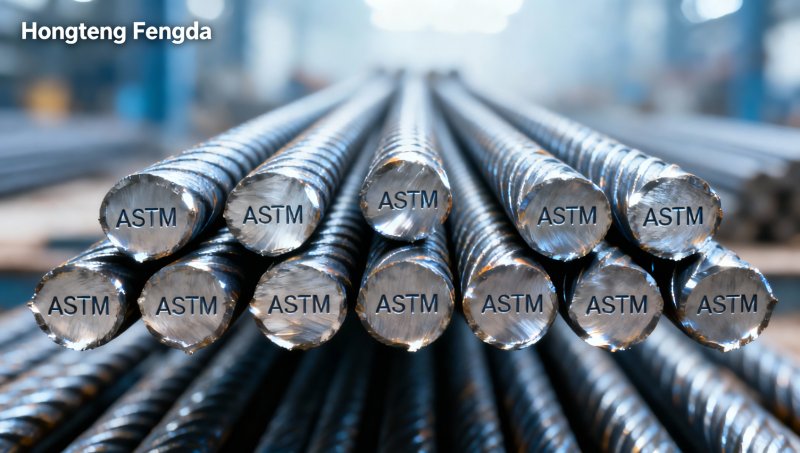
Definition and Overview of Steel Rebar for Bridge Construction
Steel rebar, short for reinforcing bar, is an essential structural element in concrete bridge construction projects. It provides the tensile strength missing in concrete and ensures flexibility, resistance, and structural integrity. Modern bridge projects rely heavily on high strength and corrosion resistant steel rebar types that comply with ASTM A615, A706, or EN 10080 standards. The performance of steel rebar influences not only the initial structural performance but also its long-term durability against harsh environments such as marine exposure and de-icing chemicals. Corrosion resistant steel rebar is particularly crucial for bridges built in coastal or humid conditions where chloride ingress can corrode traditional mild steel. The emergence of customized manufacturing, where the diameter, length, and composition of rebar can be tailored, reflects the growing demand from industrial buyers and construction professionals worldwide who need personalized solutions for unique engineering conditions.
Market Overview and Global Supply Trends
The global market for steel rebar in bridge construction is undergoing significant change, driven by advancements in metallurgy, international infrastructure demands, and sustainability requirements. Countries across Europe, North America, and Asia-Pacific are investing heavily in transportation infrastructure, leading to rising demand for high strength, corrosion resistant steel rebar. China remains the leading producer and exporter of rebar due to its integrated steel production capacity, lower raw material costs, and improved environmental technologies. Hongteng Fengda, as a structural steel manufacturer and exporter from China, supports these markets with ASTM certified steel rebar and custom rebar designs that meet regional specifications. Buyers in Europe and the USA increasingly prioritize sourcing from suppliers that ensure traceability, testing reports, and third-party inspection. The average steel rebar price per ton fluctuates with iron ore costs, logistics conditions, and global energy pricing, but partnering with a stable exporter can help mitigate these price fluctuations by offering long-term procurement agreements.
Technical Performance and Specifications
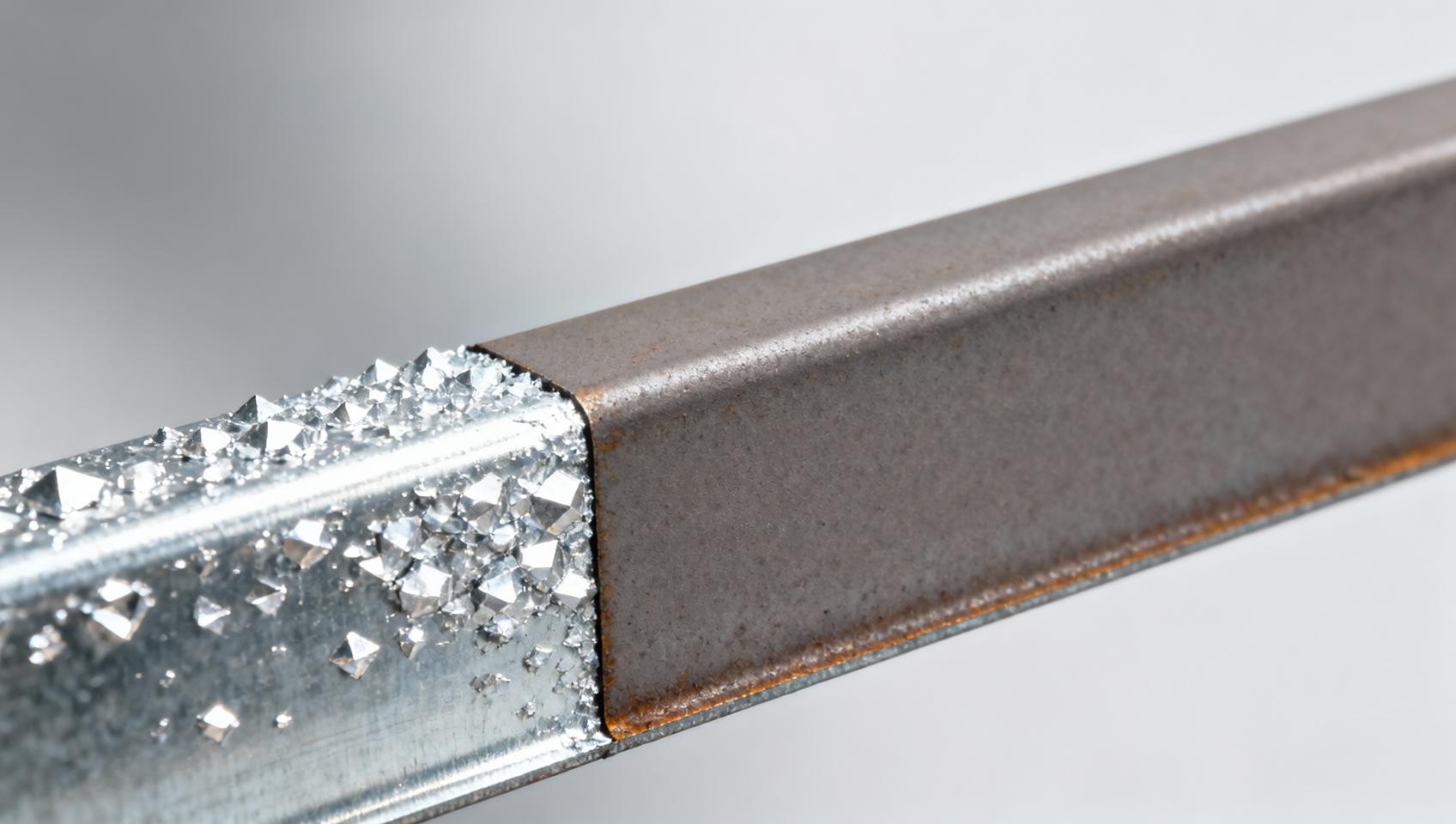
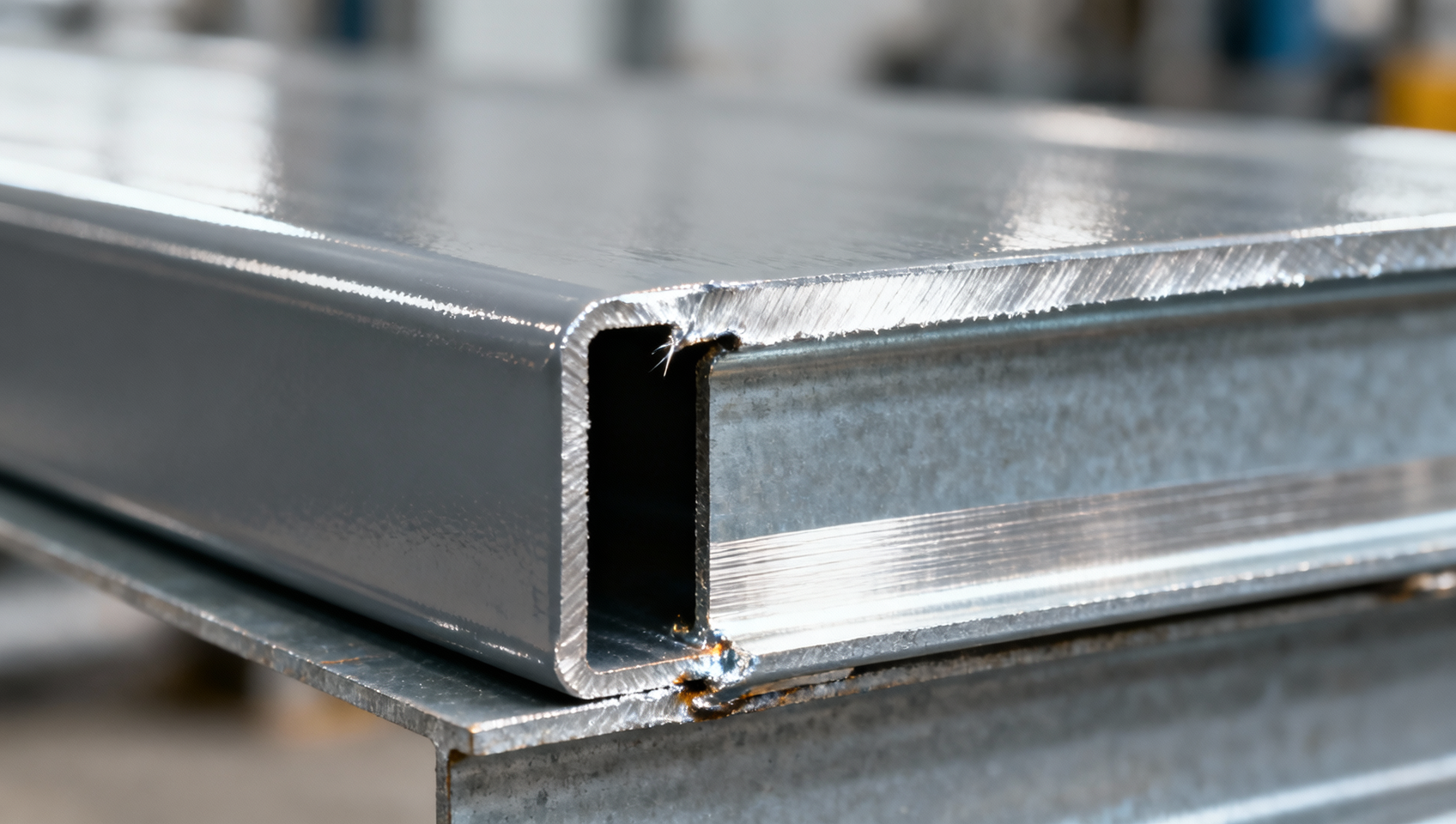
Technical performance is the foundation of every reliable steel rebar product. High strength steel rebar is typically categorized by yield strength, ductility, weldability, and corrosion resistance. ASTM certified steel rebar ensures uniform mechanical behavior and consistent quality, guaranteeing that each batch meets the structural requirements for bridges and elevated infrastructure. Advanced alloying with elements such as chromium, nickel, and copper can enhance corrosion resistance without compromising mechanical properties. Innovations like thermomechanical treatment (TMT) further improve the rebar's ability to perform under extreme stress. Hongteng Fengda operates modern production lines equipped with heat treatment processes including annealing, normalizing, and tempering to achieve optimized tensile properties. The company also manufactures complementary products such as Galvanized Round Steel (model DC01), which features galvanizing and surface finishing options adapted to corrosive bridge and marine environments, ensuring long anti-corrosion life and consistent dimensional tolerance. This product exemplifies how material innovation directly supports bridge longevity and project value.
Application Scenarios and Engineering Considerations
Steel rebar is used extensively in foundation slabs, bridge decks, supports, bridge piers, and retaining walls. In bridge applications, engineers must balance cost, performance, and material compatibility. For example, when connecting steel rebar within concrete decks, weldable rebar types that align with design standards eliminate structural stress concentrations. In marine bridge environments, corrosion resistant steel rebars or galvanized rebar solutions are needed to prevent chloride-induced damage. Custom steel rebar supplier capabilities play a major role here, enabling project teams to specify customized cut lengths, bending shapes, and mechanical properties according to construction blueprints. Hongteng Fengda’s production infrastructure supports such OEM customization for clients across industrial and construction sectors, including highways, railways, and energy projects. A special highlight is the company’s experience supplying steel rebar for construction projects in Europe and Southeast Asia where logistical efficiency and strict certification compliance are key procurement requirements.
Procurement Guide and Cost Control Strategies
Procurement of steel rebar for bridge construction should consider several parameters: quality standards, supplier stability, and logistics capabilities. Industrial buyers and project managers need to evaluate both technical and economic aspects when choosing their steel rebar supplier in USA or overseas. The steel rebar price per ton depends on product grade, production process (hot rolled or TMT), and protective coating (such as galvanization). Working directly with manufacturers like Hongteng Fengda eliminates intermediary costs, improves quality transparency, and secures flexible order volumes. For bridge contractors managing multiple projects, partnering with a dedicated steel rebar exporter to Europe or America is vital for timely delivery and risk mitigation. Comparing alternatives such as epoxy-coated vs. galvanized rebar allows for smarter budgeting; in certain cases, galvanized profiles like Galvanized Round Steel may provide better corrosion resistance at similar cost levels, especially when installed in marine or high-humidity zones. The right procurement strategy can save up to 15% in lifecycle maintenance costs by preventing corrosion-related failures.
Standards, Certification, and Compliance
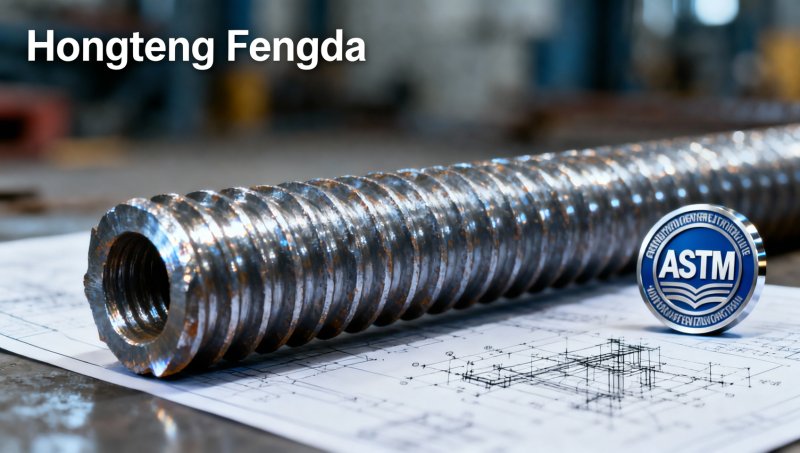
Global bridge construction projects must meet rigorous certification and inspection standards to ensure safety and reliability. ASTM, EN, JIS, and GB specifications define mechanical and chemical performance limits, ensuring that every batch of steel rebar meets consistent criteria. For projects within the European Union, CE marking and compliance with EN 1992 standards are required for reinforced concrete structures. Similarly, projects in the Middle East often reference ASTM A615 and BS4449 standards for rebar classification. Hongteng Fengda’s quality control system aligns with these international standards, providing mill test reports (MTRs), chemical composition analysis, and tensile testing results. Compliance extends beyond product quality—packaging, labeling, logistics documentation, and traceability are equally vital. A well-documented chain of custody ensures that each shipment corresponds to a verified heat number and certified steel lot, which is critical for bridge inspectors and project auditors managing construction quality assurance programs.
FAQ and Common Misconceptions
- Q1: What determines the best type of steel rebar for bridges? – For bridges, high strength and corrosion resistant steel rebar is preferred. The environment, load bearing needs, and concrete type play major roles in selection.
- Q2: Does corrosion resistant rebar significantly increase project cost? – Not necessarily. Although initial prices may be higher, the total lifecycle cost decreases due to reduced maintenance and fewer replacements, especially in coastal or humid climates.
- Q3: How can I verify that my steel rebar supplier meets ASTM standards? – Always request MTC (Mill Test Certificates), verify production batch reports, and review third-party inspection records. Reliable exporters like Hongteng Fengda provide these before shipment.
- Q4: What is the typical steel rebar price per ton fluctuation range? – Global rebar prices can shift by 5–10% monthly, influenced by iron ore costs, shipping rates, and demand cycles. Long-term contracts with established exporters offer price stability.
- Q5: Is customized rebar manufacturing possible for complex bridge shapes? – Yes. Modern rebar manufacturers employ CNC bending and precision forming equipment to deliver customized diameters, lengths, and coatings as per project drawings.
Trend and Future Insights
The future of steel rebar for construction projects, especially bridge infrastructure, is defined by sustainability, digitalization, and material innovation. As governments enforce low-carbon policies, steel rebar manufacturers are adopting cleaner production methods and lifecycle product management systems. Artificial intelligence and digital twins in bridge engineering now require material data integration, something that suppliers like Hongteng Fengda are already implementing to support smart project management. The evolution towards greener alloys and recyclable rebar demonstrates the industry's drive to balance engineering performance with environmental responsibility. Furthermore, the introduction of high-performance corrosion resistant steel rebar in the ASTM and EN standard revisions provides engineers with greater design flexibility. Procurement teams now look beyond the traditional metrics of cost and delivery to assess supplier ESG credentials and long-term service reliability. In this context, choosing a partner that adapts to new technologies and evolving standards becomes a key competitive advantage.
Why Choose Hongteng Fengda
Hongteng Fengda stands out among global structural steel suppliers by combining strong technical expertise with consistent export delivery performance. As a structural steel manufacturer and exporter from China, the company serves infrastructure, industrial, and construction buyers across North America, Europe, and Southeast Asia. Its core strengths include adherence to international ASTM, EN, JIS, and GB certifications, automated steel processing lines, and a commitment to client-centric customization. Our high strength steel rebar and complementary structural products, such as angles, beams, and channels, are designed to integrate seamlessly into modern bridge construction systems. By providing full technical documentation, quality inspection data, and timely logistics updates, Hongteng Fengda helps clients avoid sourcing risks and ensures project safety and cost efficiency. Whether you are a project manager, procurement officer, or distributor seeking a reliable steel rebar supplier, we are dedicated to supporting your success through professional service, stable production capacity, and long-term partnership reliability. Contact our team today to learn more about how we can help deliver quality and performance in your next bridge construction project.
- ASTM standards
- steel supplier
- ASTM standard
- steel suppliers
- structural steel
- Structural Steel
- Corrosion Resistant Steel
- Profile
- Rebar
- Rebar for construction
- Galvanized
- steel rebar
- steel rebar for construction projects
- steel rebar supplier in USA
- ASTM certified steel rebar
- steel rebar price per ton
- custom steel rebar supplier
- steel rebar exporter to Europe
- corrosion resistant steel rebar
- steel rebar for bridge construction
Related recommendations
 Is acero galvanizado para exterior vulnerable to white rust formation during monsoon storage?Acero galvanizado para exterior *is* vulnerable to white rust in monsoons — but it’s preventable. Discover proven storage & handling strategies that protect your structural steel.
 Does ASTM A 36 plate meet impact toughness requirements for low-temperature bridge girders?Does ASTM A 36 plate meet low-temp bridge requirements? Short answer: no—unless specially tested. Discover why toughness matters more than strength in cold climates.
 Does ASTM A653 certification cover both zinc-coated and zinc-iron alloy coated steels?ASTM A653 covers both zinc-coated and zinc-iron alloy coated steels—but they’re not interchangeable. Learn key differences in testing, performance & certification.
 Does acero prepintado require surface pretreatment before welding or cutting?Does acero prepintado require pretreatment before welding or cutting? Discover when grinding is essential—and when it’s not—for safety, weld integrity & corrosion resistance.
Please give us a message


Please enter what you want to find