Choosing between angle vs channel steel is a critical decision for global projects—from wind tower construction and oil and gas infrastructure to mining equipment and industrial frameworks. As a trusted angle vs channel steel global supplier, Hongteng Fengda delivers JIS certified, EN standards compliant, high strength options—ideal for demanding applications. Whether you're an engineer evaluating load-bearing differences, a procurement professional submitting an angle vs channel steel quotation request, or a project manager sourcing bulk orders, our OEM manufacturer capabilities and rigorous quality control ensure reliability across North America, Europe, and emerging markets. Discover how 2026 adoption trends are reshaping structural steel selection—and why specification alignment matters more than ever.
What Are Angle and Channel Steel? Core Definitions & Structural Identity
Angle steel (L-section) consists of two perpendicular legs forming an “L” shape, available in equal or unequal leg configurations. Its simplicity enables easy bolting, welding, and bracing—making it the go-to choice for secondary framing, truss diagonals, and support brackets. Channel steel (C-section), by contrast, features a “C”-shaped cross-section with parallel flanges and a web connecting them. This geometry provides superior resistance to bending in one principal plane—ideal for beams, lintels, and load-bearing rails.
Both are hot-rolled carbon structural steels, typically manufactured per ASTM A6/A6M, EN 10025-2, or GB/T 706. Standard thicknesses range from 3 mm to 25 mm, while lengths commonly span 6–12 meters. Dimensional tolerances follow ISO 2102 for hot-rolled sections, with flatness deviations capped at ≤1.5 mm/m for angles and ≤1.0 mm/m for channels under EN 10279.
Material grade selection directly impacts performance: S355JR (EN) and ASTM A572 Grade 50 deliver yield strengths of 355 MPa and 345 MPa respectively—critical for seismic zones and heavy-duty industrial frameworks. For corrosive environments like marine components or substation ancillary facilities, Galvanized Round Steel complements structural assemblies with its 570–820 MPa tensile strength and hot-dip galvanized surface protection.
Load-Bearing Differences: Bending, Torsion, and Connection Behavior
The fundamental distinction lies in moment of inertia distribution. Channel steel exhibits higher second moments of area (Ix) about its strong axis—typically 2–4× greater than equivalent-weight angle sections. This translates to up to 35% less deflection under uniform distributed loads in beam applications, such as railway platform supports or highway protection barriers.
Conversely, angle steel demonstrates superior torsional rigidity when used in paired or back-to-back configurations. In wind tower construction, where dynamic torsional loading dominates, dual-angle bracing systems resist twisting more effectively than single-channel alternatives—reducing fatigue risk over 20+ year service life.
Connection efficiency also diverges: angle steel allows direct bolt attachment on both legs, minimizing plate gussets. Channel steel requires careful web-flange bolt spacing to avoid shear lag—especially critical in oil and gas infrastructure where joint integrity must withstand cyclic pressure loads.
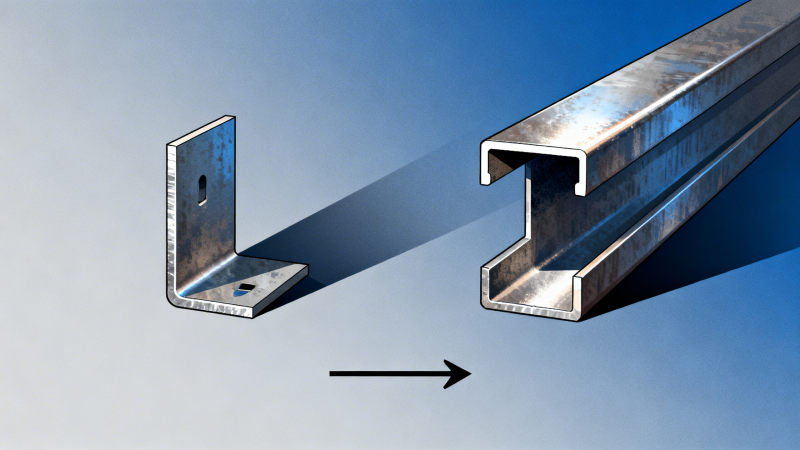
This table confirms that while channel steel excels in flexural stiffness, angle steel retains advantages in torsion and ease of field connection—guiding engineers toward hybrid solutions where appropriate, such as channel main beams with angle bracing in mining equipment frames.
2026 Market Adoption Trends: Sustainability, Automation & Regional Shifts
Three macro-trends are redefining structural steel procurement by 2026. First, carbon footprint accountability: EU Construction Products Regulation (CPR) now mandates EPD (Environmental Product Declaration) reporting for all EN-compliant sections entering the bloc—driving demand for low-carbon billet sourcing and optimized rolling schedules. Second, automation integration: 68% of North American fabrication shops now require CNC-compatible end-prep (chamfering, milling, straightening) on delivered sections—reducing shop-floor labor by up to 40%.
Third, regional standard convergence: Middle East National Building Codes (e.g., UAE SS 682) now accept dual-certified material (ASTM + EN) without retesting—accelerating approval timelines by 7–15 days. Hongteng Fengda’s production lines maintain concurrent ASTM A6 and EN 10025-2 compliance, enabling seamless angle vs channel steel bulk order supplier capability across these evolving regulatory landscapes.
Emerging markets show accelerated adoption of cold-formed channel variants for light industrial frameworks—projected to grow at 9.2% CAGR through 2026 (Global Steel Institute, 2024). This trend favors suppliers with flexible profile tooling and rapid OEM manufacturer response cycles—like our 3-week prototype-to-bulk ramp-up window.
Procurement Decision Framework: 6 Key Evaluation Criteria
Selecting the right partner for angle vs channel steel for mining equipment or wind tower construction demands structured evaluation beyond price. We recommend assessing suppliers against six non-negotiable criteria:
- Certification Traceability: Every heat batch must carry mill test reports (MTRs) showing chemical composition, mechanical properties, and heat treatment records—verified against ASTM E29, EN 10204 3.1.
- Dimensional Consistency: Flange thickness variation ≤ ±0.3 mm and web straightness tolerance ≤ 0.8 mm/m—validated via laser scanning pre-shipment.
- Surface Integrity: No scale pitting or rolling defects within 100 µm depth; ultrasonic testing (UT) performed on ≥10% of production runs per EN 10308.
- Logistics Reliability: On-time-in-full (OTIF) rate ≥ 97.5% across 12-month rolling average, with real-time container GPS tracking.
- OEM Flexibility: Capacity to modify section geometry (e.g., tapered channels), add pre-punched holes, or apply custom coatings—including hot-dip galvanizing per ASTM A123.
- Technical Support Depth: In-house engineering team offering free connection design review and load-path validation per AISC 360 or Eurocode 3.
These criteria form the backbone of our angle vs channel steel quotation request process—ensuring every RFQ includes dimensional validation, MTR alignment, and logistics readiness assessment before quote issuance.
Why Partner with Hongteng Fengda for Global Structural Steel Needs?
As a structural steel manufacturer and exporter from China, Hongteng Fengda bridges global specification rigor with responsive manufacturing. Our ISO 9001-certified facility maintains dedicated lines for angle vs channel steel EN standards compliance, with in-process checks at 5 critical stages—from slab reheating to final straightening. All products undergo 100% visual inspection, dimensional verification via coordinate measuring machines (CMM), and spectrographic analysis for alloy verification.
For clients managing multi-region projects, we offer consolidated logistics from our Qingdao port hub—with FCL lead times averaging 25–32 days to Rotterdam, 35–42 days to Houston, and 28–36 days to Dubai. Bulk order supplier commitments include MOQ flexibility (starting at 5 metric tons), extended payment terms for qualified buyers, and technical documentation in English, Spanish, and Arabic.
Whether you need JIS certified angle vs channel steel for oil and gas industry pipelines or customized cold-formed profiles for automated lathe processing, our engineering team collaborates from concept to commissioning. Contact us today to request your tailored structural steel solution—and discover why over 217 global partners rely on Hongteng Fengda for precision, predictability, and partnership continuity.
- channel steel
- steel i
- angle steel
- ASTM A572
- hot-dip galvanized
- structural steel
- Structural Steel
- Profile
- S355JR
- Galvanized
- angle vs channel
- angle vs channel steel bulk order supplier
- angle vs channel steel for mining equipment
- angle vs channel steel EN standards compliance
- angle vs channel steel quotation request
- angle vs channel steel for oil and gas industry
- angle vs channel steel global supplier
Related recommendations
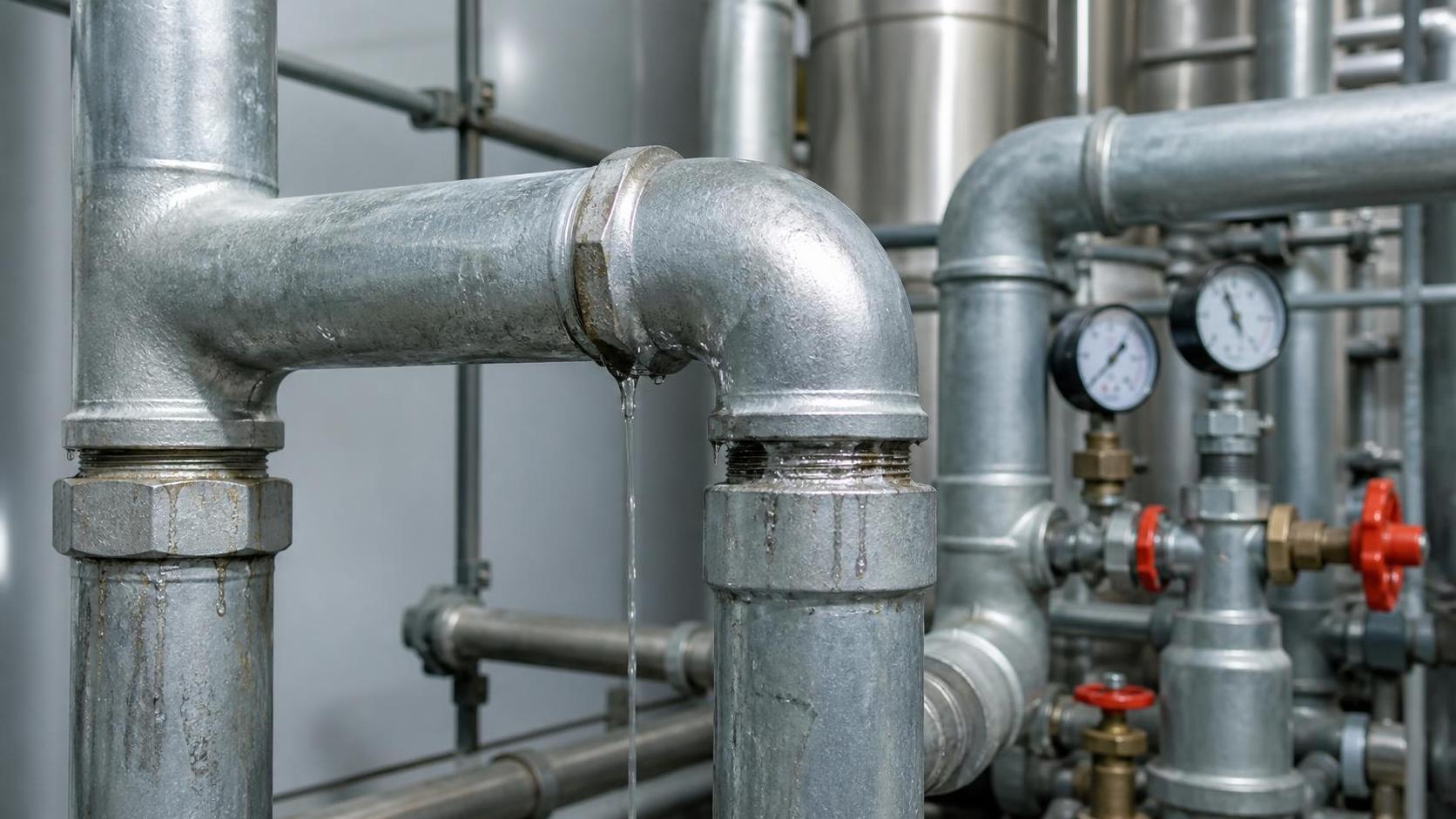
 Common Leak Risks When Using Galvanized Pipe for Plumbing SystemsGalvanized pipe for plumbing can hide corrosion, joint wear, and pressure-related leak risks. Learn the key warning signs, causes, and smart maintenance actions to prevent costly failures.
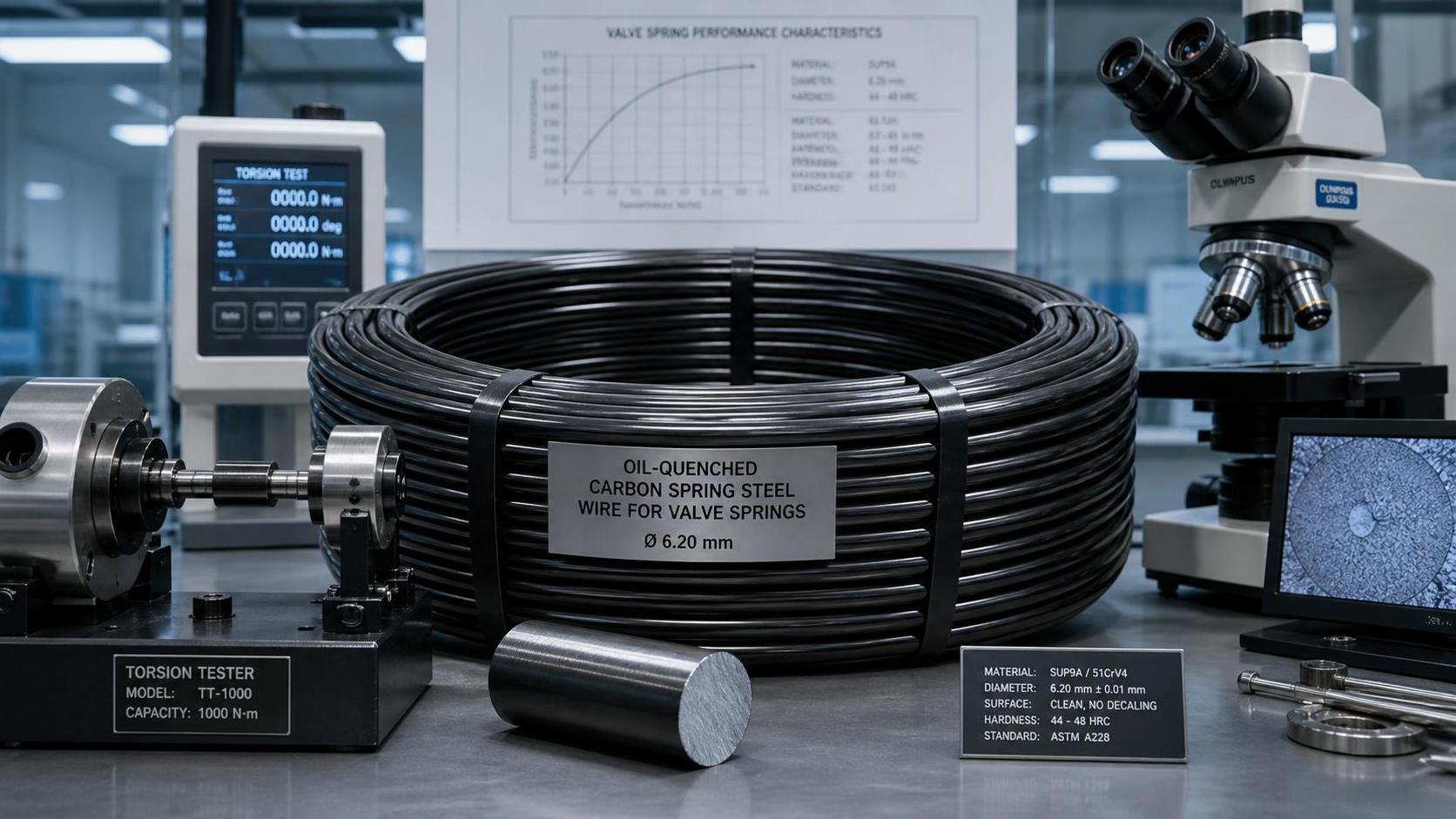
 Oil Tempered Carbon Steel Wire for Valve Spring: What Standards and Tests Matter?Oil tempered carbon steel wire for valve spring: learn which JIS, EN, and ASTM standards, decarburization checks, surface inspections, and fatigue-related tests truly protect spring life.
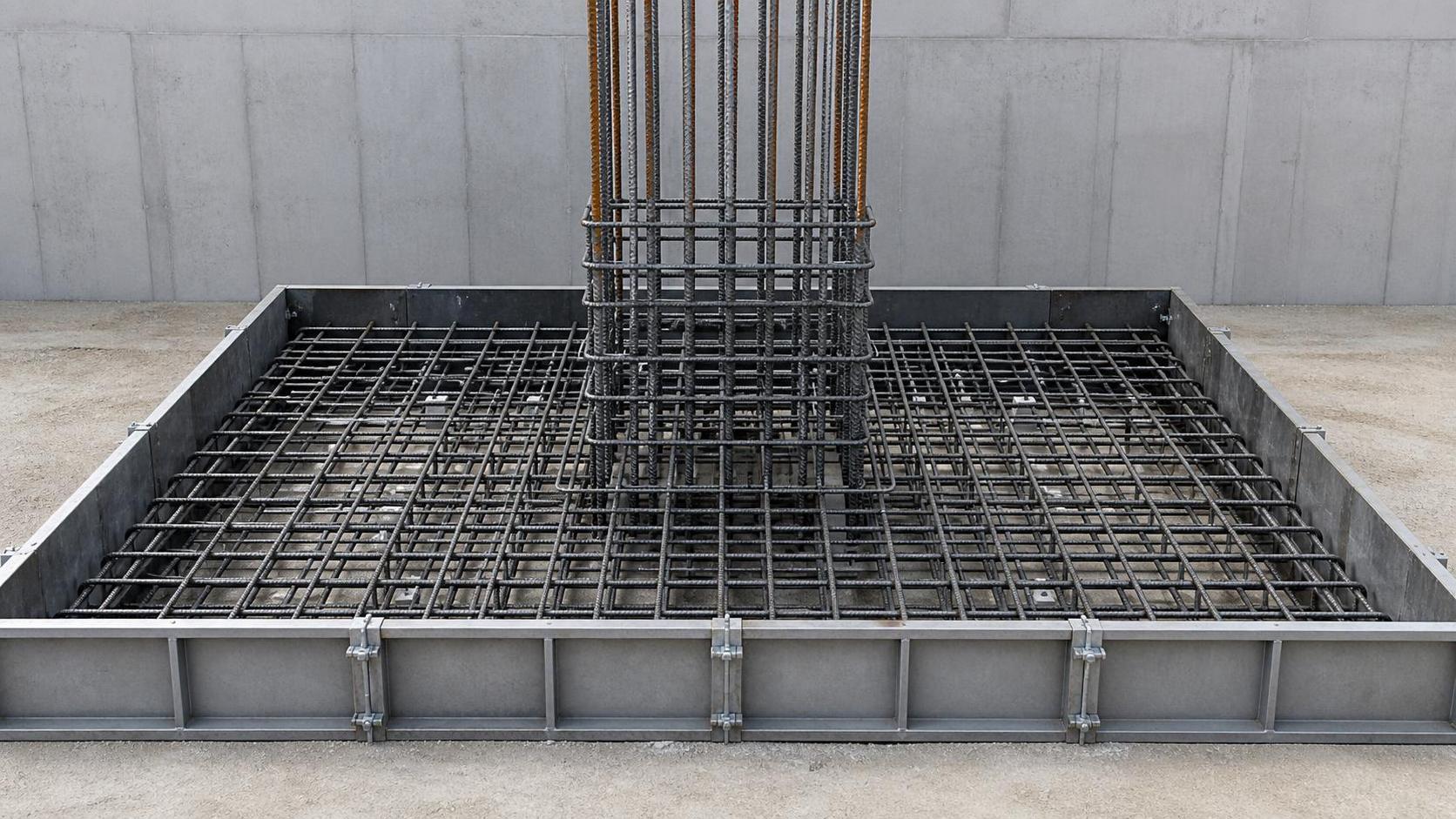
 Rebar for Foundation: Grade, Cover, and Spacing Mistakes to AvoidRebar for foundation guide: avoid costly grade, cover, and spacing mistakes that weaken durability, bonding, and concrete flow. Learn practical checks before the pour.
 Steel Tubing Dimensions: OD, Wall Thickness, and Gauge DifferencesSteel tubing dimensions explained clearly: compare OD, wall thickness, and gauge differences to avoid sizing mistakes, improve fit, and choose the right steel tube with confidence.
Please give us a message


Please enter what you want to find