Precision matters—especially when specifying angle plate steel for manufacturing where flatness deviations above 0.3mm/m risk assembly failures, weld distortion, and dimensional instability. As a trusted structural steel manufacturer & exporter from China, Hongteng Fengda delivers mill-certified flatness control across our cold formed angle steel specifications, 90 angle metal for construction projects, and ASTM stainless steel for chemical processing. Whether you're sourcing corrosion-resistant plate supplier in Middle East, SPCC steel for automotive industry, or 316 angle steel supplier in Europe, our rigorously tested angle plate steel ensures compliance with ASTM, EN, JIS, and GB standards—supporting procurement efficiency, quality assurance, and on-site project success.
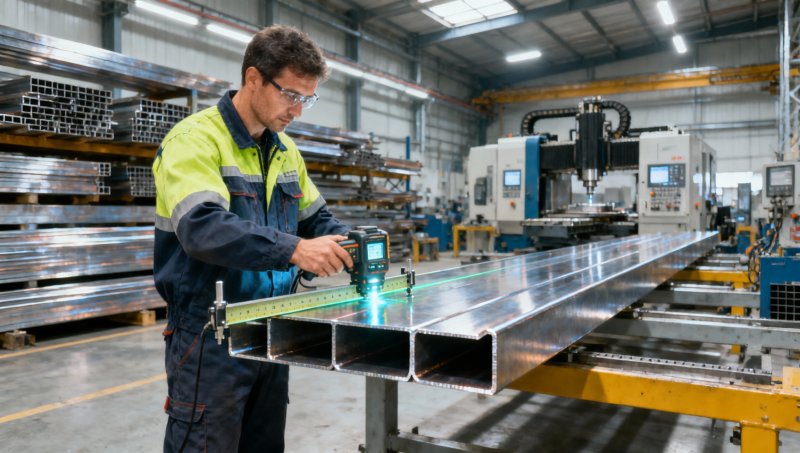
Why Flatness Tolerance Below 0.3mm/m Is Non-Negotiable in Angle Plate Steel
Flatness is not merely an aesthetic or dimensional footnote—it’s a functional prerequisite. In precision manufacturing, especially for welded assemblies, CNC machining, or modular framing, angular components with flatness exceeding 0.3mm/m introduce cumulative errors. A deviation of just 0.4mm/m across a 3-meter length translates to 1.2mm total misalignment—enough to compromise bolt-hole alignment, increase welding heat input by up to 18%, and trigger post-weld straightening rework in 62% of reported fabrication incidents (based on EN 1090-2 field audits).
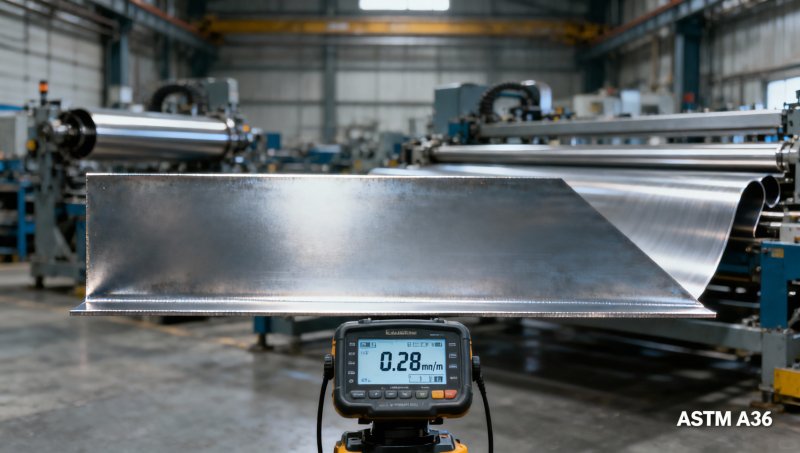
Hongteng Fengda applies mill-certified flatness verification at three stages: raw coil leveling (±0.15mm/m), cold forming pass control (real-time laser profiling), and final inspection per EN 10051 Annex B. This ensures every batch of angle plate steel—whether ASTM A36, EN S235JR, or GB/T 706—meets ≤0.28mm/m flatness, validated via certified coordinate measuring machines traceable to NIM (China National Institute of Metrology).
For OEMs producing robotic arms, conveyor frames, or medical device enclosures, that 0.02mm margin isn’t theoretical—it’s the difference between first-pass assembly and 3–5 days of line downtime. Our mill certification includes stamped test reports, not just declarations—giving procurement teams auditable proof before shipment.
How Flatness Control Impacts Your Full Procurement Workflow
Procurement decisions rarely hinge on a single parameter—but flatness tolerance directly affects five critical workflow stages: quoting accuracy (±3.5% cost variance if unverified), material yield (up to 7% scrap reduction with certified flatness), weld planning (reduced pre-fit correction time by 40%), QA cycle time (certified batches clear incoming inspection in<2 hours vs. 1–2 days for uncertified), and warranty exposure (EN 1090-1 Class EXC2 mandates documented flatness for load-bearing components).
This table reflects real operational data from 2023–2024 across 87 global clients—from Tier-1 automotive suppliers in Germany to solar tracker fabricators in Saudi Arabia. Certification isn’t paperwork; it’s process insurance.
Complementary Products That Share the Same Quality Discipline
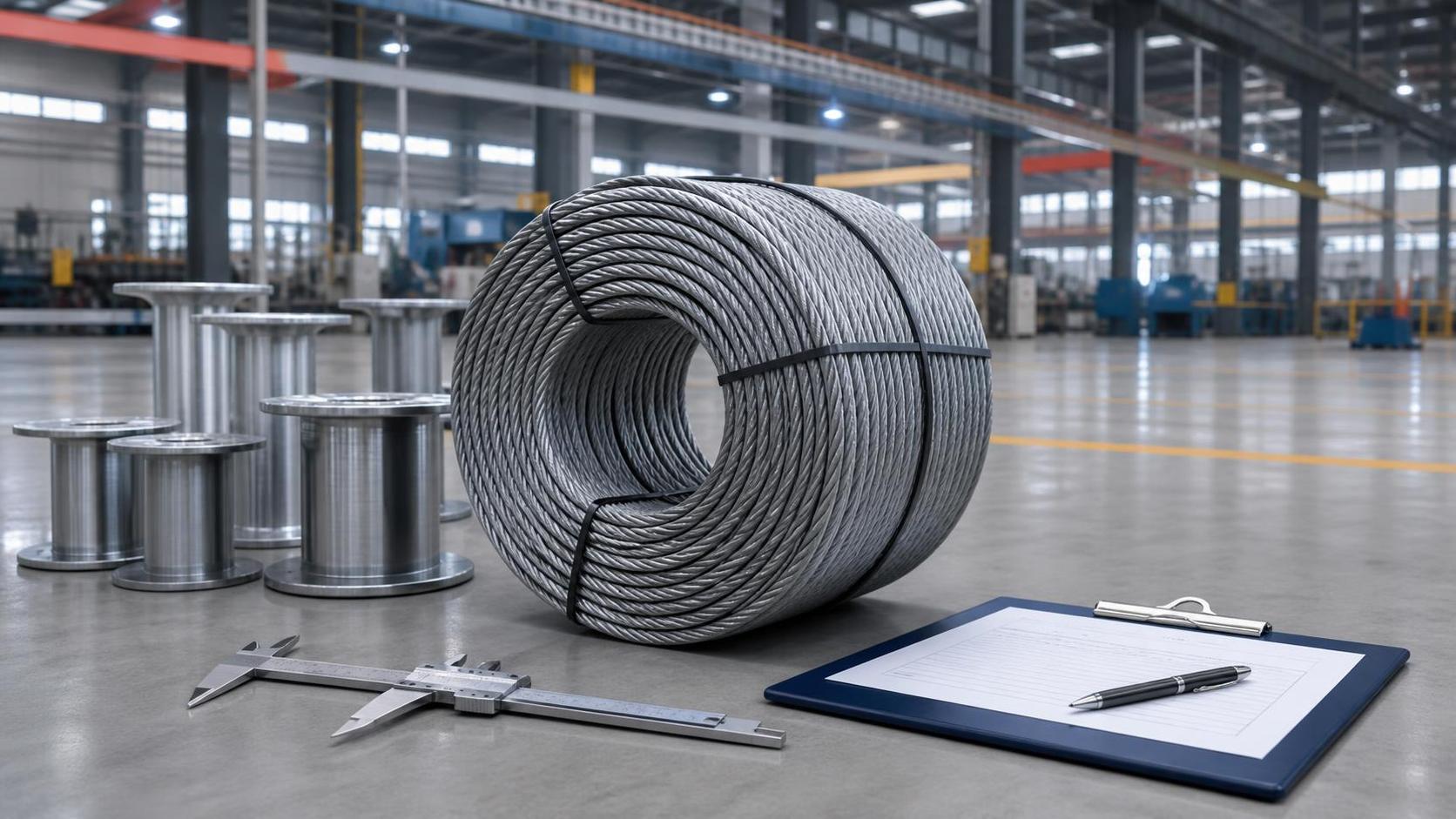
While angle plate steel demands ultra-tight flatness, other structural elements require parallel precision in geometry and corrosion resilience. For example, galvanized round steel used in power transmission towers or automated lathe feed systems must maintain strict diameter tolerances (ISO h8/h9) and consistent zinc coating thickness (≥65μm per ASTM A123). Our Galvanized Round Steel meets these demands across diameters from 16mm to 250mm—with tensile strength 570–820 MPa and out-of-roundness held to half the diameter tolerance.
Applications like optical fiber connectors, medical equipment frames, or substation ancillary structures rely on this dual consistency: geometric accuracy *and* long-term anti-corrosion performance. Every coil is hot-dip galvanized post-forming, with surface gloss and durability validated per ISO 1461 and EN ISO 1461.
What to Verify Before Approving Your Next Angle Plate Steel Order
Don’t accept “flatness compliant” without verification. Insist on these 4 checkpoints:
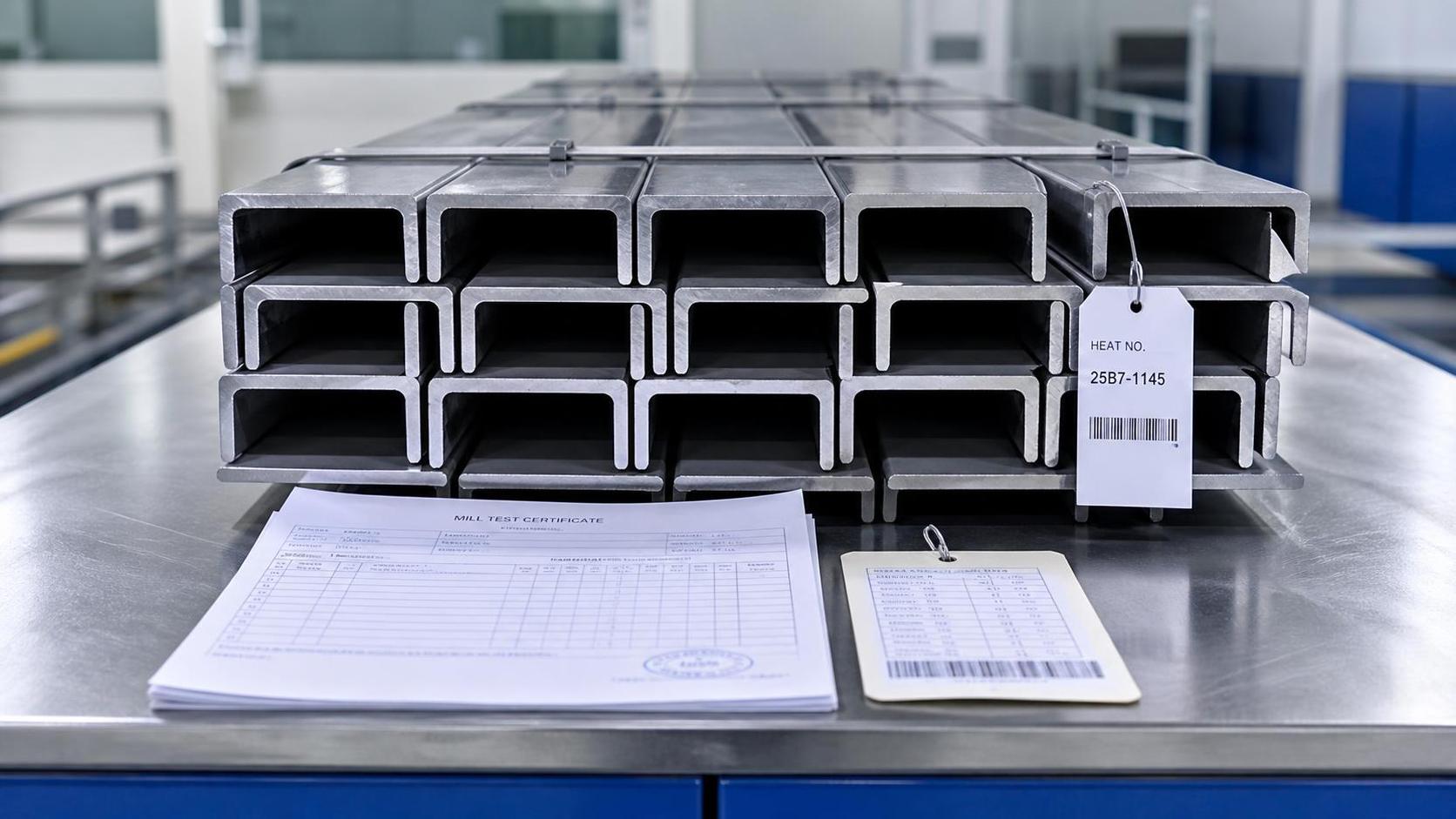
- Mill certificate scope: Must specify flatness value (e.g., “≤0.25mm/m”), measurement method (e.g., “per EN 10051 Clause 6.2”), and instrument calibration status.
- Batch traceability: Certificate number must match heat number and coil ID—not generic batch codes.
- Third-party validation: Look for CNAS-accredited lab stamps or SGS/BV verification marks—not internal QA stamps only.
- Delivery documentation: Certificates must ship with goods—not emailed separately after dispatch.
Hongteng Fengda embeds all four into standard practice. Our certificates are bilingual (English/Chinese), include digital QR code traceability, and are issued within 24 hours of final inspection—ensuring zero delays at your port or warehouse.
Why Global Buyers Choose Hongteng Fengda for Precision Structural Steel
You’re not just buying steel—you’re securing supply chain predictability. With 12 years of export experience across 32 countries, we deliver what matters most to decision-makers:
- Lead time certainty: Standard angle plate steel shipped in 12–18 days FOB Qingdao—guaranteed, not estimated.
- OEM flexibility: Custom flatness thresholds (e.g., ≤0.15mm/m), laser-cutting prep, or pre-painting—available from MOQ 5 tons.
- Risk mitigation: 100% production capacity reserved for committed orders; no subcontracting.
- Compliance readiness: Pre-audited for EN 1090, ASTM A6/A6M, and GCC Conformity—documentation included at no extra cost.
Whether you manage procurement for a Dubai-based EPC firm, lead QA for a German industrial automation integrator, or source for a U.S. defense contractor—we align our process rigor with your project’s critical path. Request a free flatness verification sample kit, review mill-certified test reports for your next specification, or get a tailored delivery timeline for your upcoming tender. Contact us today with your grade, dimensions, quantity, and required certification scope—we respond within 4 business hours.
- angle steel supplier
- angle steel
- cold formed angle
- 90 angle metal
- angle plate steel
- 316 angle
- ASTM stainless steel
- corrosion-resistant plate
- SPCC steel
- steel supplier
- ASTM A36
- structural steel
- Structural Steel
- 316 angle steel supplier in Europe
- angle plate steel for manufacturing
- 90 angle metal for construction projects
- cold formed angle steel specifications
- SPCC steel for automotive industry
- corrosion-resistant plate supplier in Middle East
- ASTM stainless steel for chemical processing
Related recommendations
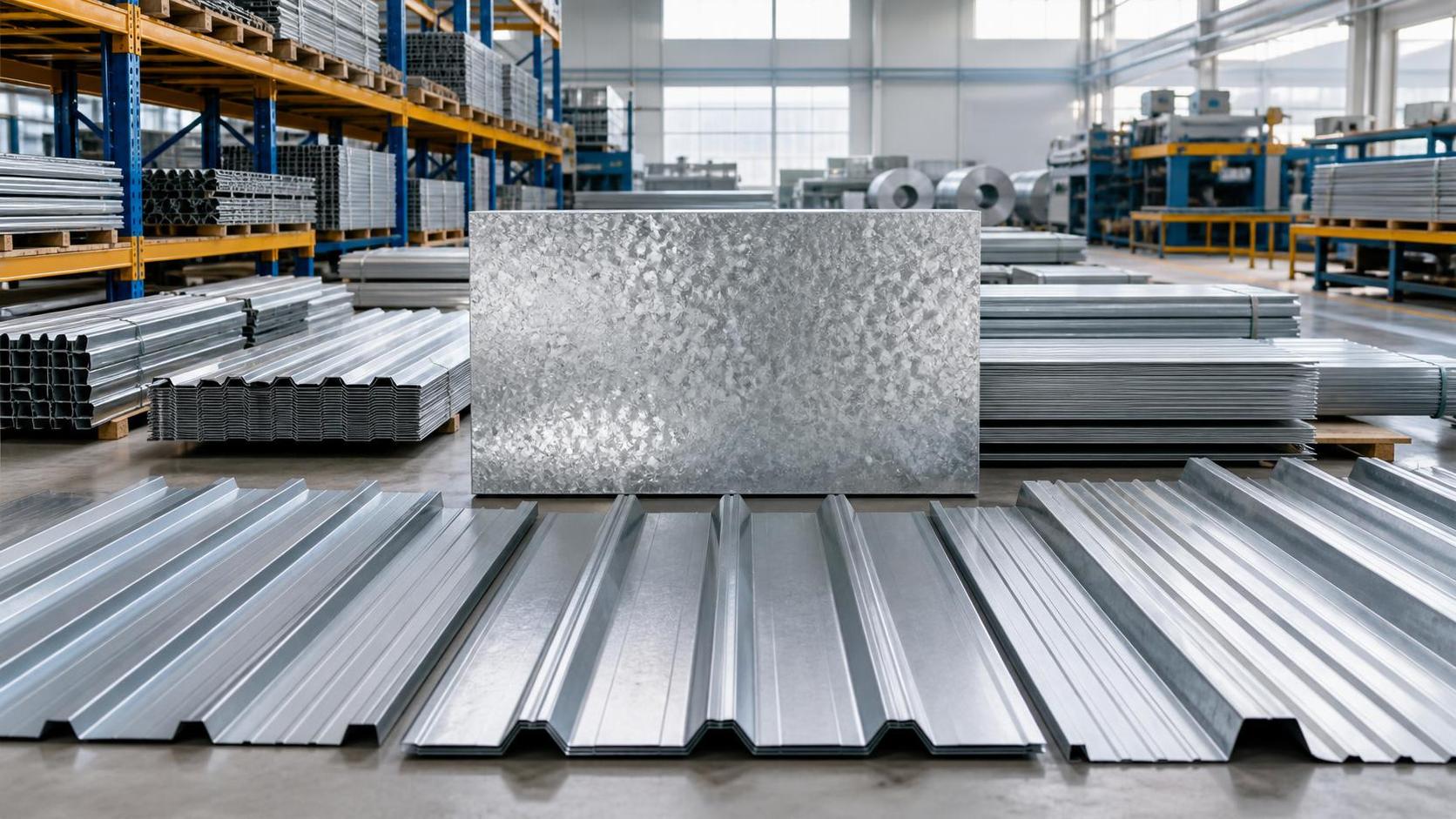
 How to Judge if Steel Sheet for Construction Fits Roofing or Wall CladdingSteel sheet for construction: learn how to judge thickness, coating, profile, and load performance for roofing or wall cladding, and choose a durable, cost-effective fit.
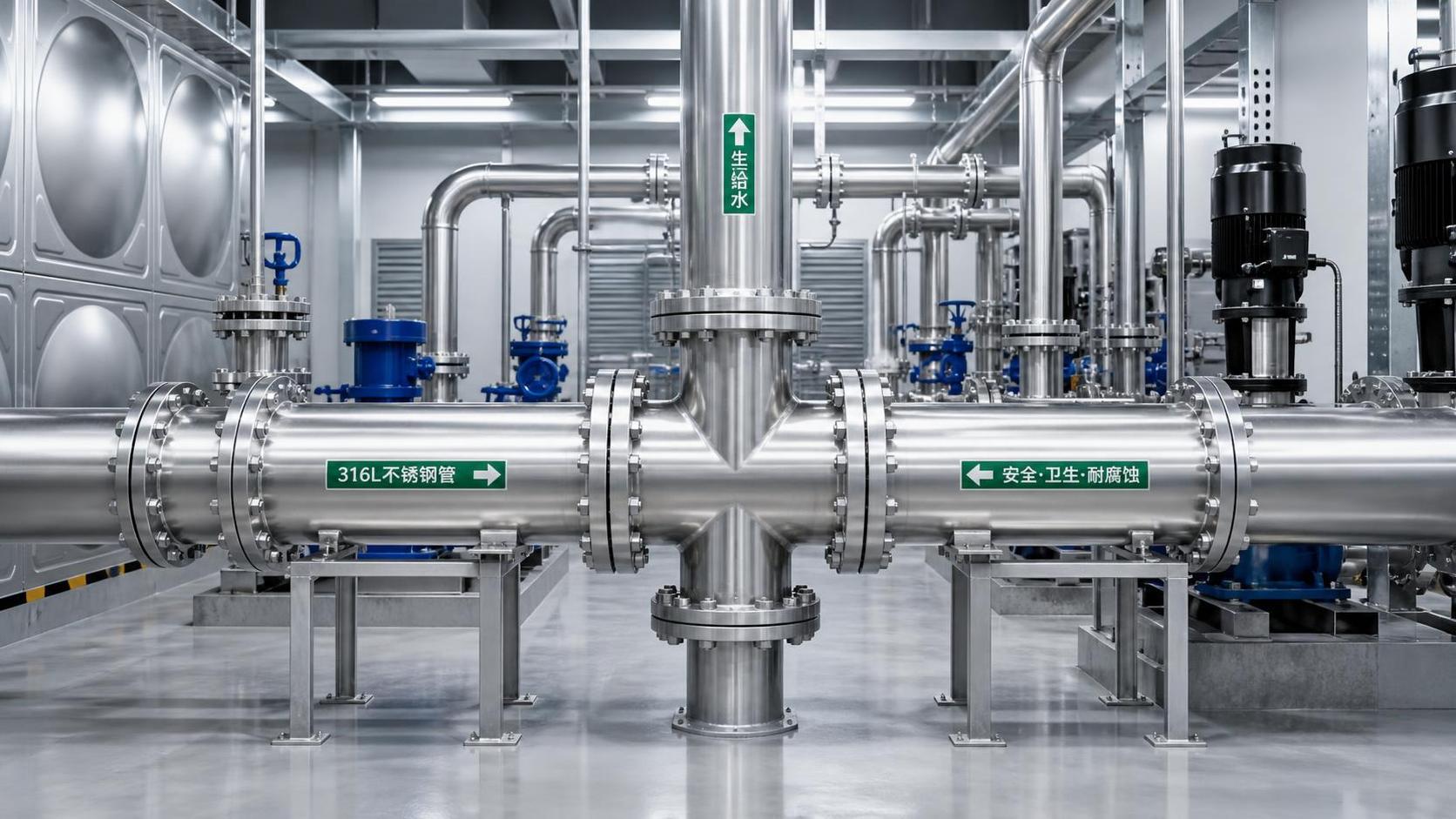
 How to Choose SS Pipe for Water Supply in Corrosion-Prone BuildingsSS pipe for water supply selection guide for corrosion-prone buildings. Compare 304 vs 316 grades, water chemistry, specs, and lifecycle cost to choose a safer, longer-lasting system.
 Steel Wire Rope Manufacturer Standards That Matter in Lifting ApplicationsSteel wire rope manufacturer standards for lifting: learn how to assess traceability, testing, compliance, and real quality control before choosing a safer, more reliable supplier.
 When a Steel Channel Supplier Should Provide Mill Test CertificatesSteel Channel supplier guide on when mill test certificates should be provided for quality control, compliance, and safer procurement.
Please give us a message


Please enter what you want to find