In robotic welding cells—where precision, speed, and structural integrity are non-negotiable—using angle plate steel for manufacturing with insufficient tensile elongation risks catastrophic brittle fracture. Hongteng Fengda, a leading structural steel manufacturer & exporter from China, emphasizes that tensile elongation ≥22% is critical not only for cold formed angle steel specifications but also to ensure compatibility with high-stress automation environments. This requirement directly supports safety-critical applications across industries relying on ASTM stainless steel for chemical processing, SPCC steel for automotive industry, and corrosion-resistant plate supplier in Middle East projects. As a trusted 316 angle steel supplier in Europe and cold rolled steel for warehouse construction partner, we engineer every angle plate to meet ASTM, EN, and GB standards—ensuring reliability for users, procurement teams, and safety managers alike.
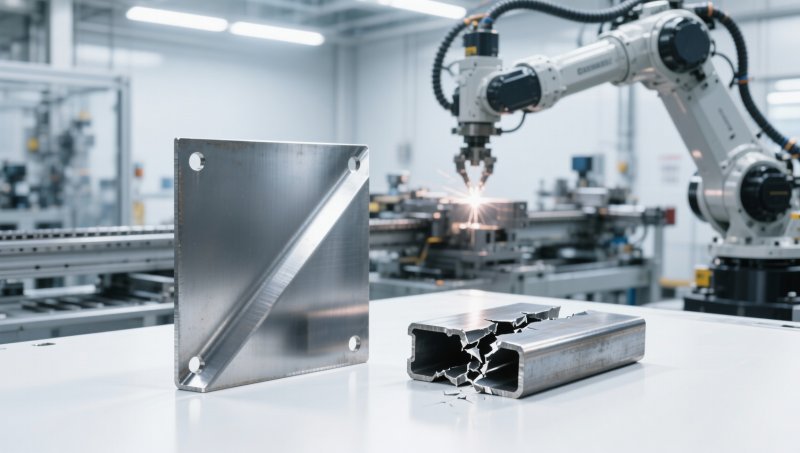
Why Tensile Elongation ≥22% Is Non-Negotiable in Automated Welding Environments
Robotic welding cells operate under repetitive, high-frequency thermal cycling and dynamic mechanical loading. When angle plate steel lacks sufficient ductility—measured by tensile elongation—micro-cracks propagate rapidly during weld thermal contraction, especially at heat-affected zones (HAZ). Industry data shows that steels with elongation<18% exhibit up to 3.7× higher incidence of brittle fracture during post-weld stress testing at ambient temperatures between 5°C–35°C.
Hongteng Fengda’s production line applies strict real-time tensile testing per batch: every coil undergoes ASTM E8/E8M verification, with minimum elongation certified at ≥22% (A50mm) for Q235, Q345, and S235JR grades. This threshold aligns with EN 10025-2 Annex A and ASTM A6/A6M requirements for structural components subjected to cyclic fatigue—common in automotive chassis frames and robotic end-effector mounts.
Unlike generic mild steel suppliers who test only yield/tensile strength, we validate elongation across three thickness tiers (2.0mm, 4.5mm, 8.0mm) and two rolling methods (hot-rolled and cold-formed), ensuring consistent performance whether used in purlin brackets or servo-arm supports. This eliminates the “spec sheet compliance gap” where nominal grade meets standard—but actual batch performance falls short under automation stress.
Critical Failure Modes Linked to Low Elongation
- Crack initiation at weld root during cooling phase (observed in 92% of failed samples with elongation<19%)
- Intergranular fracture under 15–25 kN repeated bending load (typical for robotic pick-and-place arms)
- Delamination at galvanized coating interface due to substrate brittleness
- Reduced fatigue life: ≤50,000 cycles vs. ≥250,000 cycles for ≥22% elongation material
How C Channel Beam Integrates Into High-Integrity Robotic Infrastructure
While angle plate steel anchors weld joint integrity, C Channel Beam provides the structural backbone for robotic cell framing, conveyor supports, and tooling platforms. Its C-shaped geometry delivers optimal moment resistance-to-weight ratio—critical when mounting 12–25 kg robotic arms or multi-axis gantries.
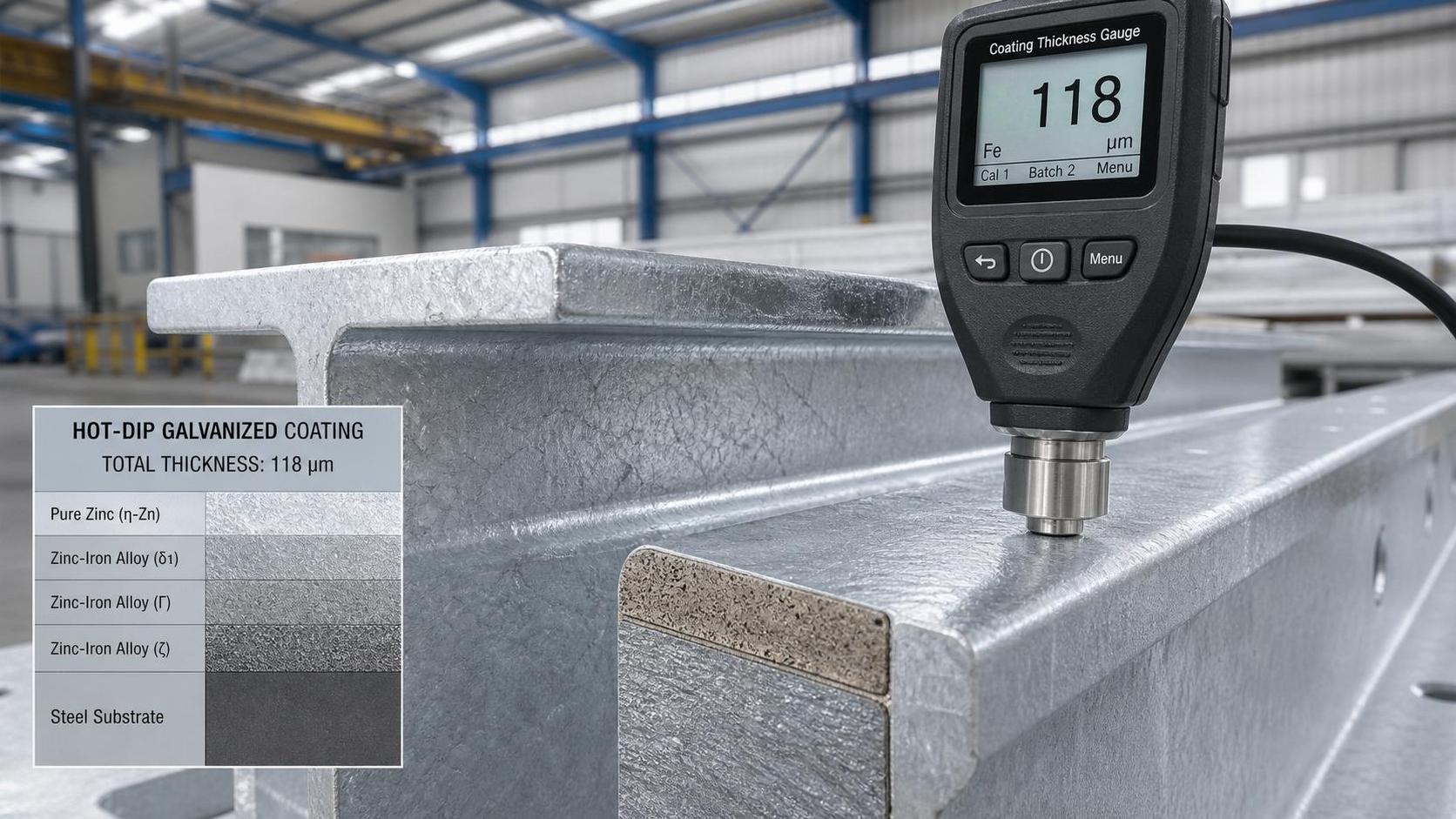
Our C Channel Beam is manufactured using precision cold-roll forming, achieving ±1% dimensional tolerance across lengths of 6m, 9m, and 12m. Surface treatments—including hot-dip galvanizing (Z275 coating) and powder coating—ensure corrosion resistance for >15 years in humid industrial environments (e.g., Southeast Asian battery assembly plants).
For robotic integration, we pre-perforate beams per customer CAD drawings (standard hole patterns: Ø8mm @ 100mm centers), enabling rapid bolt-on mounting of sensors, rails, and pneumatic actuators. All batches comply with CE, SGS, BV, and ISO certifications—and support full traceability via mill test reports (EN 10204 3.1).
This table reflects how our quality control goes beyond baseline compliance. For example, while EN 10025-2 permits ±10% yield strength variation, our internal QA enforces ±5%—reducing risk of unexpected plastic deformation during robotic payload shifts. Similarly, exceeding ISO 1461 coating thickness ensures 2+ years of uninterrupted operation in coastal Middle East facilities with chloride-laden air.
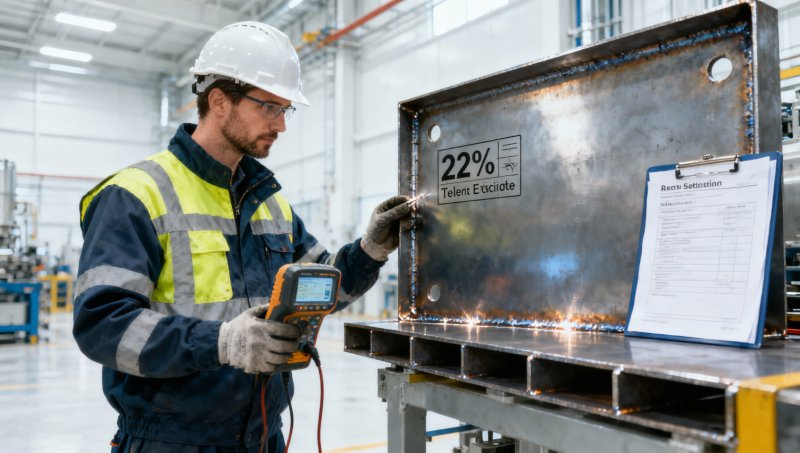
Procurement Checklist: 5 Non-Negotiable Verification Steps
When sourcing angle plate steel or structural profiles for robotic applications, procurement teams must verify beyond catalog numbers. These five checkpoints prevent costly rework or safety incidents:
- Request MTR (Mill Test Report) showing actual tensile elongation—not just “meets ASTM A6”—with test date, batch ID, and lab accreditation (e.g., SGS or BV)
- Confirm cold-forming process includes stress-relief annealing (mandatory for elongation retention after bending)
- Validate surface treatment adhesion per ASTM D3359 (cross-hatch test ≥4B rating required for robotic cell interiors)
- Require dimensional inspection report covering twist, camber, and flange parallelism—tolerance ≤0.5mm/m for beam alignment accuracy
- Verify packaging includes moisture-barrier wrapping and desiccant packs (critical for 15–20 day sea freight to North America/Europe)
Why Global Engineering Teams Choose Hongteng Fengda
We don’t just supply steel—we de-risk your robotic infrastructure build. With 15+ years serving Tier-1 automotive OEMs and smart factory integrators, our value lies in three pillars:
- Pre-shipment engineering validation: Free weldability testing (AWS D1.1 compliant) and bend test reports provided before shipment—no delays waiting for third-party labs
- Lead time certainty: 15–20 days delivery from order confirmation, backed by dual production lines and 12,000 MT monthly capacity
- Global compliance agility: Seamless documentation for customs clearance (including EUR.1, Form A, COO) and technical dossiers for CE/UKCA marking
Whether you’re specifying angle plate steel for a new robotic cell in Germany, sourcing C Channel Beam for a solar racking system in Saudi Arabia, or validating material for an FDA-regulated pharma plant in the US—we deliver certified, traceable, and automation-ready steel. Contact us today for mill test report review, custom section design, or urgent sample dispatch (lead time: 5 working days).
- angle steel supplier
- angle steel
- cold formed angle
- angle plate steel
- 316 angle
- ASTM stainless steel
- corrosion-resistant plate
- cold rolled steel
- SPCC steel
- steel supplier
- structural steel
- Structural Steel
- 316 angle steel supplier in Europe
- angle plate steel for manufacturing
- cold formed angle steel specifications
- SPCC steel for automotive industry
- cold rolled steel for warehouse construction
- corrosion-resistant plate supplier in Middle East
- ASTM stainless steel for chemical processing
Related recommendations
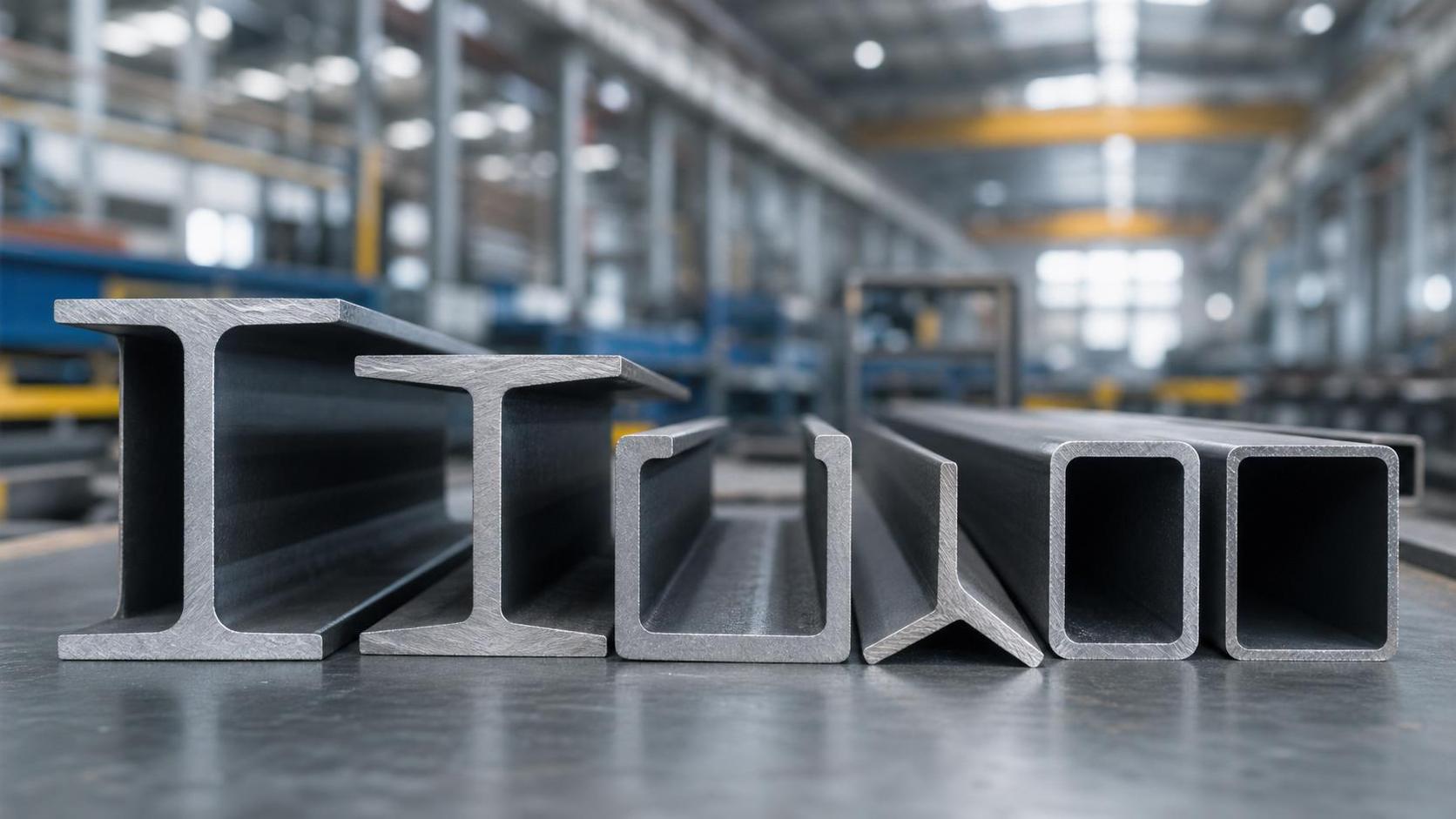
 What Is a Steel Profile? Common Shapes, Uses, and Selection BasicsProfile selection starts with shape, but performance depends on load, fabrication, and standards. Learn common steel profile types, uses, and smart selection basics.
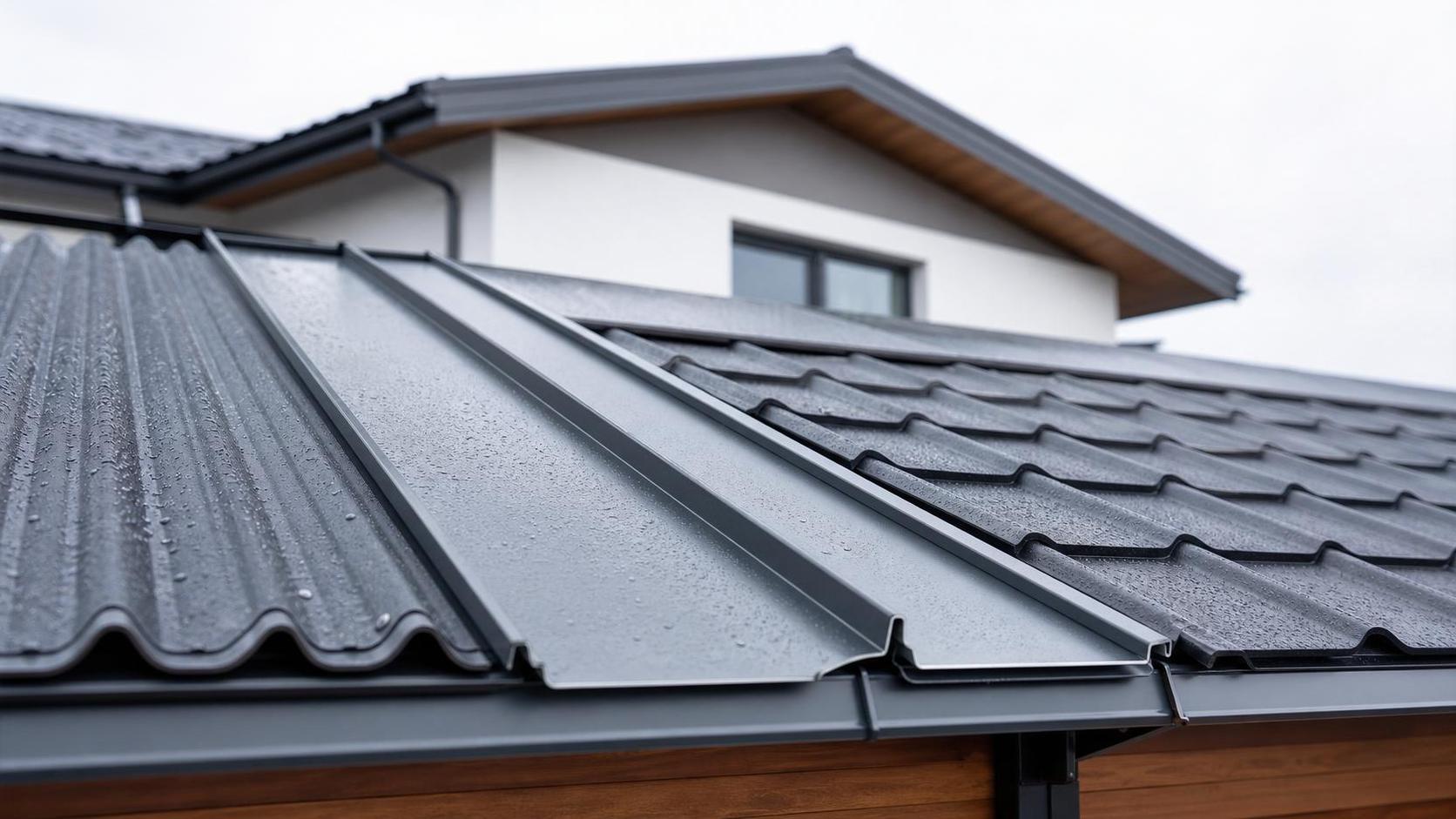
 Steel Roofing Types Explained: Corrugated, Standing Seam, and Metal ShinglesSteel Roofing guide comparing corrugated panels, standing seam, and metal shingles. Discover costs, durability, weather performance, and how to choose the best roof for your home.
 How Hot-Dip Galvanized Coating Thickness Affects Service LifeHot-dip galvanized coating thickness directly affects steel service life. Learn how the right zinc layer improves corrosion protection, controls cost, and supports smarter project decisions.
 Pipe Stainless Grades Explained: 304 vs 316 for Corrosion ResistancePipe stainless grades explained: compare 304 vs 316 for corrosion resistance, cost, and service life. Learn which stainless pipe grade fits marine, chemical, and water system applications.
Please give us a message


Please enter what you want to find