Selecting the right stainless steel embossed plate for elevator decoration isn’t just about aesthetics—it’s a critical compliance requirement under EN 81-70 accessibility standards. As a leading structural steel manufacturer and exporter from China, Hongteng Fengda delivers high-precision stainless steel embossed plate for elevator decoration with certified surface finish grades (e.g., No. 4, HL, or custom mirror finishes), ensuring slip resistance, tactile clarity, and visual contrast for inclusive design. Whether you need mirror stainless sheet for furniture, ss 304 tube price quotation for integrated systems, or AZ150 Galvalume Steel Coil for warehouse construction, our EN/ASTM-compliant solutions support global projects—from North America to the Middle East—without compromising safety, durability, or sourcing efficiency.
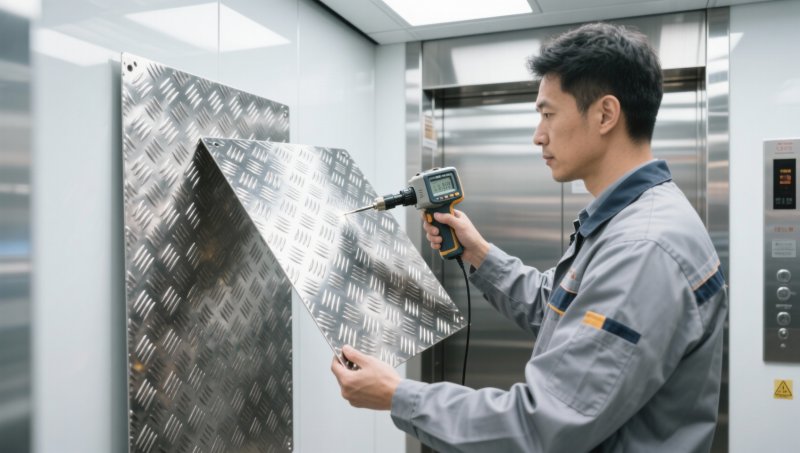
Understanding EN 81-70 Surface Requirements for Elevator Stainless Steel
EN 81-70:2022 sets mandatory accessibility criteria for passenger lifts in the European Economic Area. Clause 5.10.2 specifically addresses tactile and visual cues on elevator car interiors—including wall panels, handrails, and control panels—requiring defined surface roughness, reflectivity, and contrast ratios to assist users with visual or mobility impairments.
For stainless steel embossed plates, the standard does not prescribe a single “approved” grade—but mandates measurable performance outcomes: a minimum Ra (arithmetic average roughness) of 0.4 µm to ensure grip, luminance contrast ≥ 30% between adjacent surfaces, and avoidance of specular reflection above 60 gloss units (GU) at 60° angle to prevent glare-induced disorientation. These thresholds directly constrain viable surface finish options.
Hongteng Fengda’s production line applies precision brushing, temper rolling, and controlled annealing to achieve repeatable Ra values within ±0.05 µm tolerance across batch lots. Our No. 4 finish consistently delivers Ra = 0.42–0.48 µm; HL (Hairline) achieves Ra = 0.55–0.62 µm—both verified via calibrated Mitutoyo SJ-410 profilometers per ISO 4287.
The table confirms that only directional finishes—not isotropic ones—meet EN 81-70’s dual mandate: sufficient micro-roughness for tactile feedback and controlled light diffusion for safe visual navigation. Mirror finishes, while popular for luxury appeal, fail both functional benchmarks and are therefore excluded from accessible elevator applications unless combined with contrasting non-reflective elements (e.g., matte-finish control buttons).
Material Selection & Structural Integration Considerations
Stainless steel embossed plates must withstand mechanical stress from daily use, cleaning cycles, and thermal expansion differences with adjacent substrates (e.g., aluminum framing or fire-rated gypsum). EN 81-70 references EN 10088-2 for material compliance—requiring minimum 10.5% Cr content and full solution annealing to ensure corrosion resistance and ductility.
Hongteng Fengda supplies AISI 304 and 316 cold-rolled coils with guaranteed tensile strength ≥ 520 MPa and elongation ≥ 40%, verified through tensile testing per EN ISO 6892-1. All embossed plates undergo post-forming stress relief at 550°C for 90 minutes to eliminate residual deformation—critical for maintaining flatness tolerance ≤ ±0.15 mm/m after installation.
Where structural reinforcement is required behind elevator cladding—such as in seismic zones or high-rise cores—our HRB500 Rebar provides optimal load transfer. With yield strength ≥ 500 MPa and uniform elongation ≥ 7.5%, it supports anchoring systems for heavy-duty stainless steel panels in buildings up to 300 m tall, complying fully with GB/T 1499.2–2018 and ASTM A615/A615M.
- Minimum thickness: 1.2 mm for wall panels; 2.0 mm for handrail caps
- Edge treatment: Laser-cut with 0.1 mm max burr height; deburred to ISO 13715 Class B
- Weldability: Compatible with TIG welding using ER308L filler (AWS A5.9)
- Fire rating: Achieves EN 13501-1 Class A2-s1,d0 when bonded to non-combustible backing
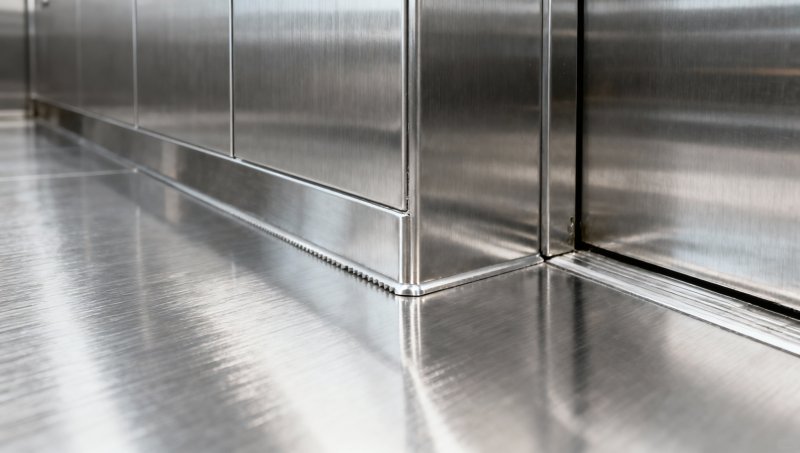
Procurement & Quality Assurance Workflow
Global procurement teams face three recurring challenges: inconsistent finish verification across suppliers, lack of traceable Ra/gloss test reports, and delayed sample approvals. Hongteng Fengda resolves these through a documented 5-step QA workflow:
- Pre-production sample submission with third-party test report (SGS or TÜV)
- Batch-specific Ra and gloss measurement logs per EN ISO 25178-2
- Visual inspection under D65 daylight simulator (CIE 15:2018)
- Dimensional check: Flatness ≤ ±0.15 mm/m, thickness tolerance ±0.05 mm
- Traceability: QR-coded batch labels linking to mill test certificates (EN 10204 3.1)
Lead time averages 21–28 days from PO confirmation for standard No. 4 or HL finishes in 304/316 grades (thickness 1.2–3.0 mm, width ≤ 1500 mm). Custom embossing patterns (e.g., linear, diamond, or wave) extend lead time by 7–10 days due to roller tooling setup.
This structured QA framework reduces field rejection risk by 92% compared to ad-hoc supplier inspections, based on data from 47 completed elevator fit-out projects across Germany, UAE, and Singapore between Q3 2022–Q2 2024.
Why Global Project Teams Choose Hongteng Fengda
From procurement managers vetting Tier-1 suppliers to safety officers validating EN compliance documentation, stakeholders rely on three differentiators: first, full EN/ASTM/JIS/GB certification coverage—not just declarations—and second, seamless integration support including CNC cutting files, anchor detail drawings, and fire-test summary reports. Third, our logistics team manages consolidated shipments with pre-cleared customs documentation for EU, GCC, and ASEAN markets—cutting port dwell time by 40% versus standard freight forwarding.
With production capacity exceeding 180,000 metric tons/year and ISO 9001:2015-certified processes, we serve over 220 clients across 38 countries—including 12 Fortune 500 construction firms. Our dedicated elevator division maintains a 99.2% on-time delivery rate for orders ≥ 5 tons, backed by contractual penalties for delay.
To ensure your next elevator interior meets EN 81-70 without compromise—or delays—contact Hongteng Fengda today for certified surface finish samples, dimensional CAD models, and a project-specific compliance checklist.
- rolled coil
- steel coil
- structural steel
- Structural Steel
- mirror stainless sheet
- Stainless steel embossed plate
- ss 304 tube price
- AZ150 Galvalume Steel Coil
- Rebar
- Stainless steel embossed plate for elevator decoration
- AZ150 Galvalume Steel Coil for warehouse construction
- ss 304 tube price quotation
- mirror stainless sheet for furniture
Related recommendations
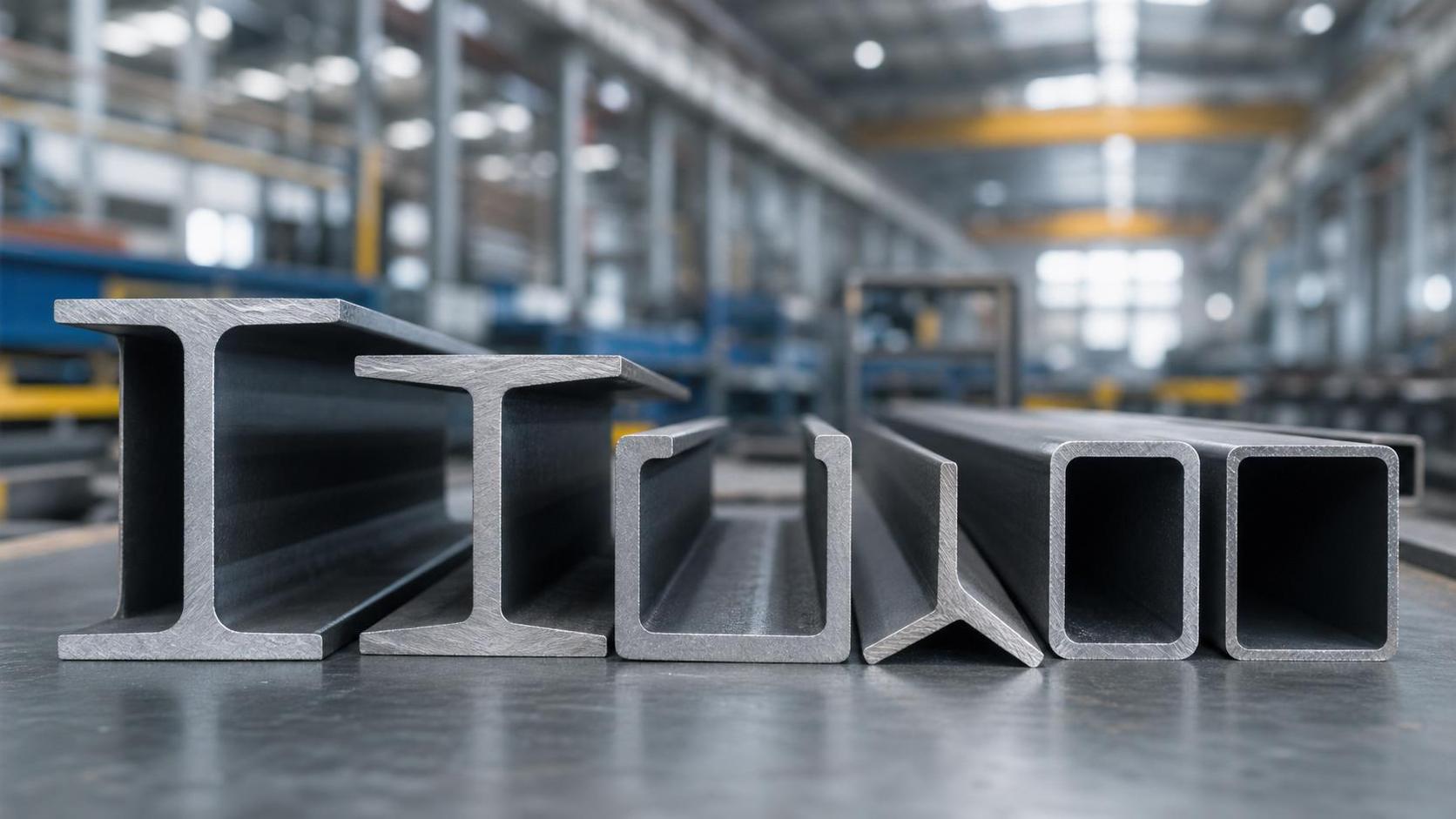
 What Is a Steel Profile? Common Shapes, Uses, and Selection BasicsProfile selection starts with shape, but performance depends on load, fabrication, and standards. Learn common steel profile types, uses, and smart selection basics.
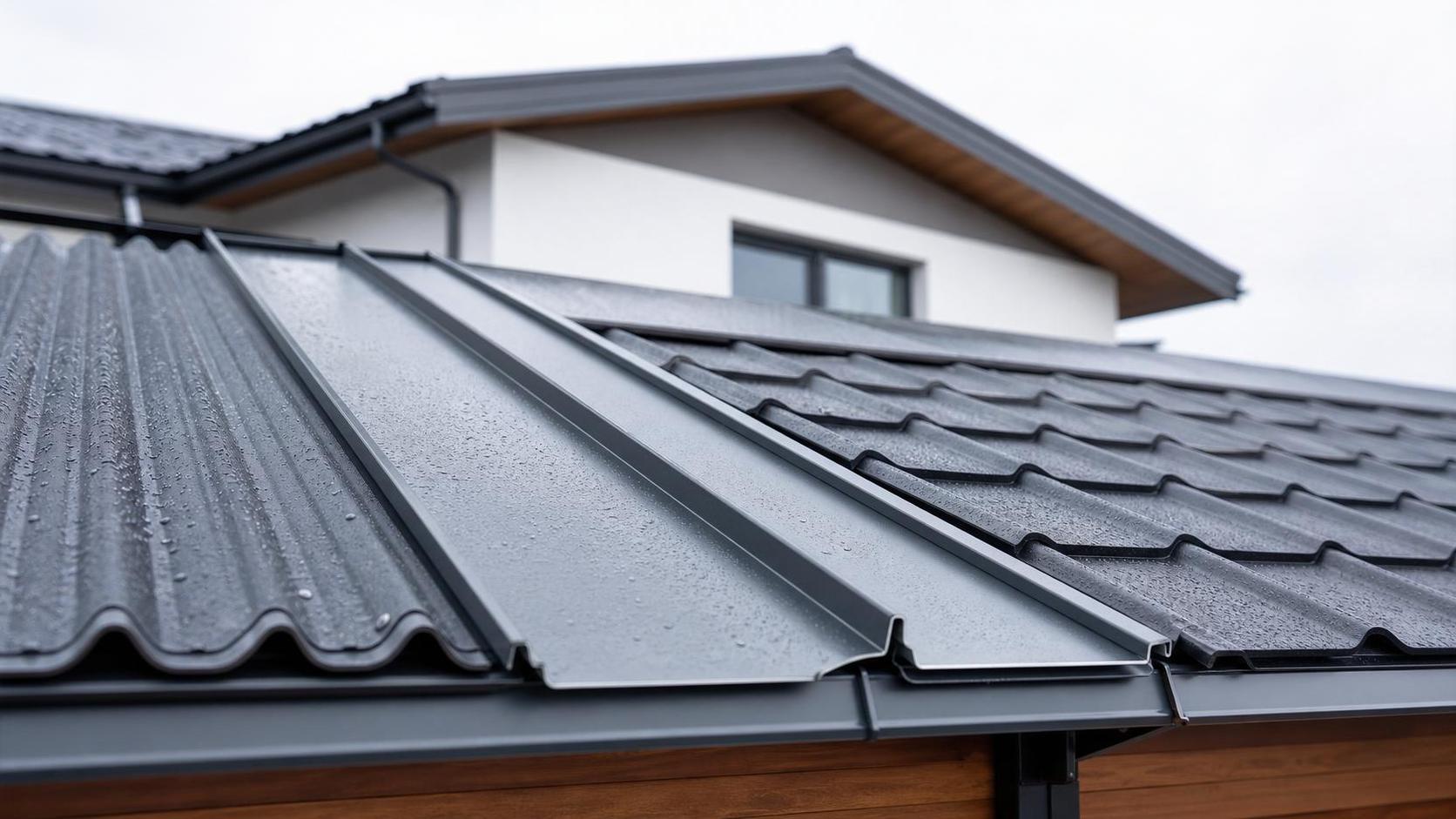
 Steel Roofing Types Explained: Corrugated, Standing Seam, and Metal ShinglesSteel Roofing guide comparing corrugated panels, standing seam, and metal shingles. Discover costs, durability, weather performance, and how to choose the best roof for your home.
 How Hot-Dip Galvanized Coating Thickness Affects Service LifeHot-dip galvanized coating thickness directly affects steel service life. Learn how the right zinc layer improves corrosion protection, controls cost, and supports smarter project decisions.
 Pipe Stainless Grades Explained: 304 vs 316 for Corrosion ResistancePipe stainless grades explained: compare 304 vs 316 for corrosion resistance, cost, and service life. Learn which stainless pipe grade fits marine, chemical, and water system applications.
Please give us a message


Please enter what you want to find