When choosing between a steel square plate and a stainless metal plate, understanding their corrosion resistance is essential for any construction or manufacturing project. As a professional structural steel manufacturer and exporter from China, Hongteng Fengda provides high-quality ss metal sheets, plate ss, stainless steel metal plates, and more to meet diverse industrial needs. This guide explores which material—steel square plate or stainless metal plate—delivers better long-term durability, performance, and value in demanding environments.
Understanding the Material Structure of Steel Square Plates and Stainless Metal Plates
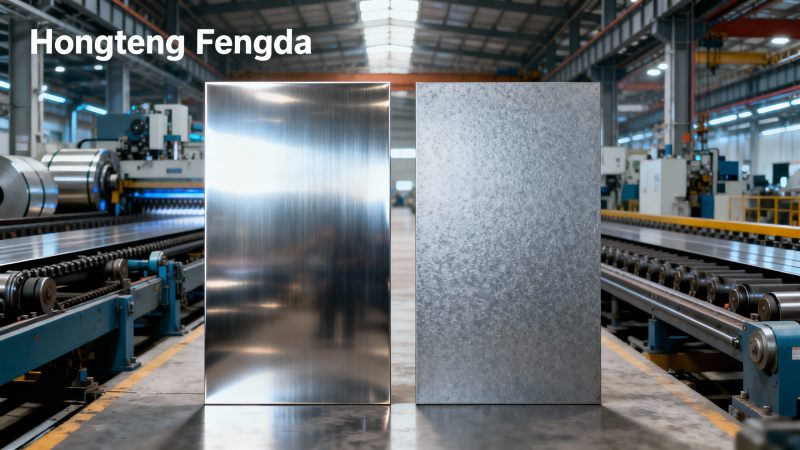
The difference between a conventional steel square plate and a stainless metal plate begins at the metallurgical level. A steel square plate is usually produced from carbon steel, which contains a combination of iron and carbon with trace elements that influence hardness and ductility. Meanwhile, a stainless metal plate—sometimes called an sst plate or stainless square plate—includes chromium, nickel, and sometimes molybdenum, creating a self-healing protective layer against oxidation.
From an engineering perspective, the microstructure of plate ss plays a decisive role in its resistance to environmental conditions. Low-alloy steel square plates rely on coating or painting to resist corrosion, whereas stainless steel metal plates benefit from their intrinsic alloy composition. This fundamental difference becomes critical when these materials are applied in high-moisture or chemically aggressive environments such as marine construction, chemical storage tanks, or outdoor power equipment.
In China’s structural steel manufacturing sector, companies like Hongteng Fengda adopt international-grade smelting and finishing technology to ensure uniform grain structure and precise chemical composition. Each plate ss is developed following ASTM, EN, or JIS benchmarks, ensuring consistent durability and weldability across different project types. By balancing carbon content and surface treatments, the manufacturer can tailor the final material to accommodate either cost efficiency or corrosion endurance targets.
Comparative Corrosion Resistance: Which Plate Performs Better?
Corrosion resistance directly influences a component’s lifecycle and maintenance cost. When comparing a standard steel square plate with a stainless metal plate, several scientific and practical factors determine performance. The following table summarizes their typical corrosion resistance characteristics:
The data shows that stainless metal plates outperform regular steel square plates concerning corrosion resistance. However, the latter remains widely used for its cost-effectiveness and mechanical strength under low-corrosion exposure. Engineers often balance this trade-off by employing protective coatings or galvanization processes to extend the lifespan of steel-based products.
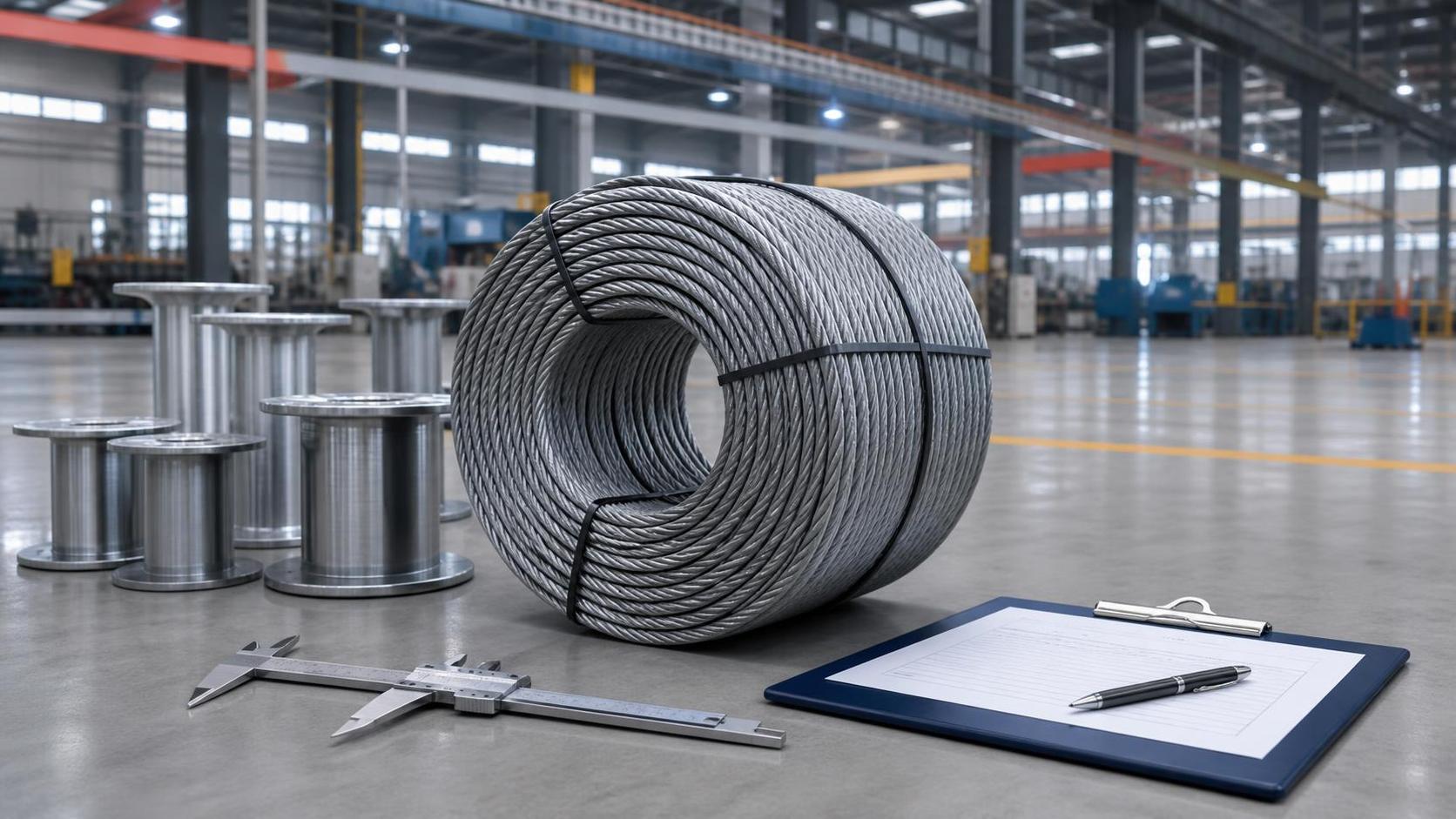
Modern galvanization, such as hot-dipped coating, creates a zinc-based protective layer over low-carbon steel. For example, products like Hot Dipped Galvanized Steel Wire demonstrate how a simple zinc layer between 8–25 g/m² can drastically improve corrosion endurance. Similar coating techniques can also be applied to steel square plates, making them suitable for outdoor frameworks, steel tube coil supports, or construction wire mesh systems.
Applications and Practical Performance in Real Projects
In real-world projects, material selection depends on balancing performance, longevity, and budget. Stainless steel metal plates are preferred in applications such as food processing plants, marine docks, and high-end architectural finishes because they maintain surface aesthetics while resisting rust. Their chromium-oxide layer naturally reforms if scratched, ensuring continued protection even under operational wear.
On the other hand, steel square plates remain dominant in heavy structural frameworks like bridge girders, transmission towers, or temporary scaffold assemblies. When galvanized or sealed, they perform adequately, offering excellent load-bearing capacity with optimized cost. Combined with other profiles such as stainless l channel or steel tube coil sections, they provide designers with modular, adaptable strength solutions for large-scale infrastructure projects.
In many manufacturing lines, engineers use a hybrid approach—employing stainless square plates in critical corrosion-prone areas and conventional steel square plates for lower-risk zones. This strategy provides both durability and cost optimization. Hongteng Fengda’s expertise in customizing cold-formed and welded profiles allows project managers to specify plate ss thickness, finish, and coating level according to local environmental exposure levels and compliance standards.
Manufacturing Quality, Standards, and Compliance Considerations
Quality assurance within steel processing directly impacts corrosion resistance performance over time. Reputable manufacturers follow multiple international standards such as ASTM for mechanical testing, EN ISO for chemical composition, and GB specifications for surface finishing. At Hongteng Fengda, every stainless metal plate or steel square plate undergoes dimensional inspection, tensile testing, and surface cleanliness evaluation before packaging and export.
The precision control of furnace temperature, rolling stress, and cooling rate defines mechanical stability. For stainless steel metal plates, proper annealing helps stabilize chromium distribution, whereas for carbon-based steel, galvanization and post-coating treatment are essential. Innovative materials like Hot Dipped Galvanized Steel Wire show how optimized coating purity and ductility enhance lifespan by preventing micro-crack corrosion propagation.
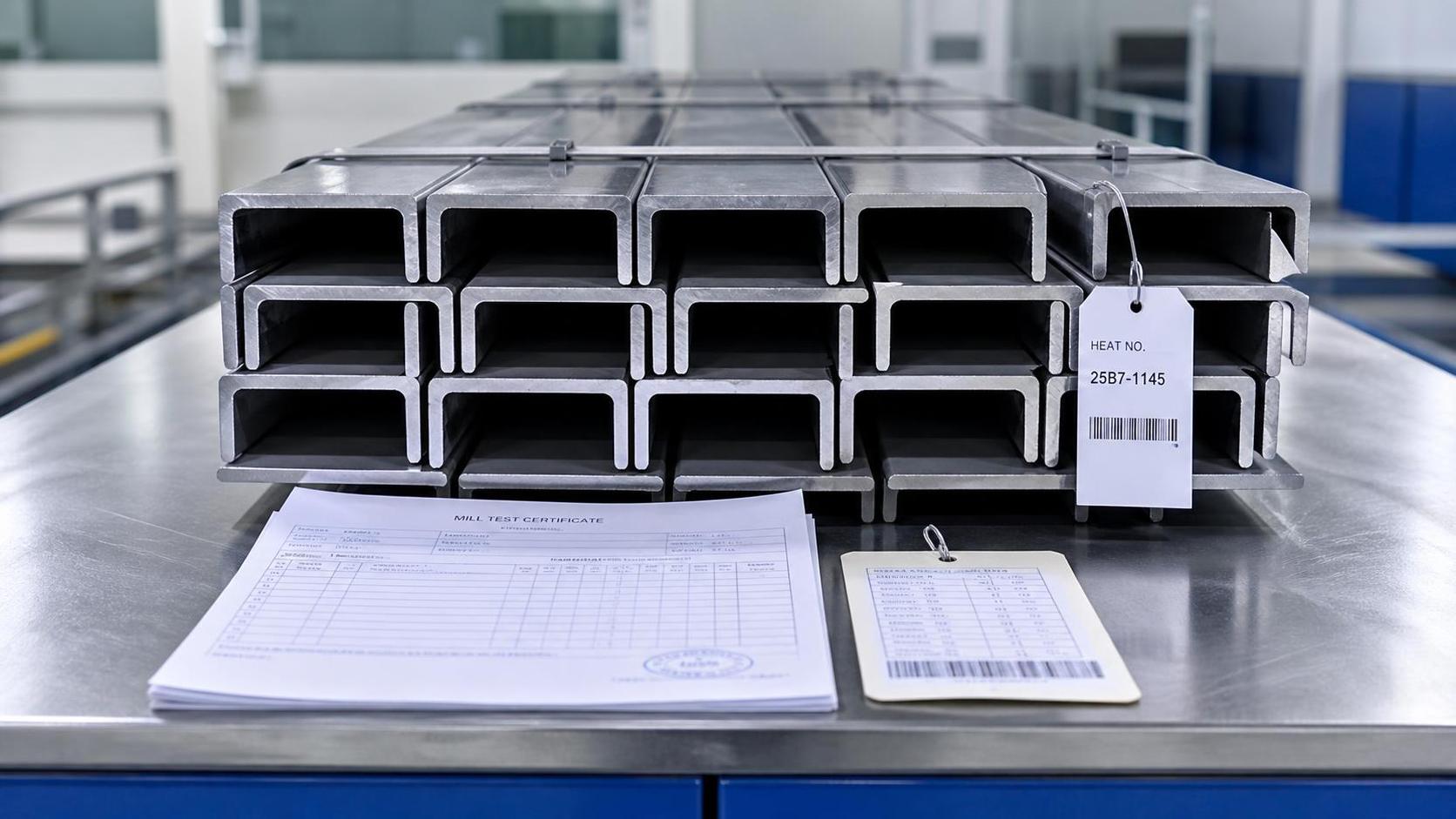
Compliance further ensures global market compatibility. Major infrastructure clients in Europe and North America demand traceable test certificates and consistent batch data. Hongteng Fengda’s in-house lab provides these credentials, helping international buyers minimize sourcing risk and maintain consistent project performance, from core beam components to stainless l channel and construction wire accessories.
Cost Efficiency and Lifecycle Assessment
While stainless metal plates provide higher corrosion resistance, the cost per unit weight can be approximately two to three times higher than a standard steel square plate. Therefore, lifecycle cost evaluation must include installation, maintenance, and replacement expenses. When factoring in the elimination of frequent coating renewals, stainless plates often result in lower total ownership cost over decades for particular industries such as petrochemical plants and water treatment systems.
Conversely, galvanized steel plates compete strongly in industries where moderate corrosion levels are acceptable or where periodic maintenance forms part of the operational routine. With appropriate coatings, even low-carbon steel structures can provide 10–20 years of dependable service. Engineers regularly leverage these materials for boundary fences, equipment supports, or barrier isolation systems. Depending on geography and exposure level, either plate can deliver a justified return on investment.
For buyers seeking structured advice, Hongteng Fengda’s professional team offers tailored consultations comparing grades of ss metal sheet or sst plate, helping clients make data-driven decisions on yield strength, ductility, and corrosion lifespan. Such collaborative assessment ensures safety margins are met without unnecessary overspending on exotic alloys.
Sustainability, Future Trends, and Innovation in Structural Steel
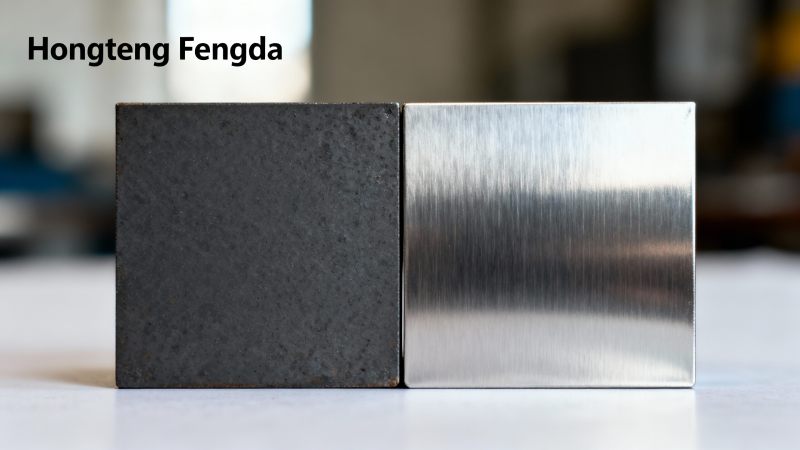
The global demand for more sustainable construction materials has accelerated technological innovation in steel production. Stainless steel metal plates now incorporate alloy recycling programs and reduced energy smelting methods, which minimize environmental impact while maintaining superior corrosion resistance. At the same time, high-strength carbon steels with advanced galvanic coatings are narrowing the durability gap between basic steel square plates and stainless metal plates.
Manufacturers are also experimenting with nanostructured chromizing layers and hybrid coatings that combine zinc protection with ceramic sealing. These technological upgrades aim to extend corrosion resistance without the cost burden of full stainless alloy composition. As such, the boundary between steel types is becoming increasingly flexible, allowing customers to specify customized mechanical and corrosion performance combinations according to project-specific environments.
Digital quality traceability, precision hot rolling, and continuous annealing will further raise consistency and production efficiency. As a globally active exporter, Hongteng Fengda leverages these trends to support construction wire systems, marine fittings, and industrial equipment fabrications with high-quality materials that meet international sustainability and safety expectations.
Conclusion and Call to Action
In summary, stainless steel metal plates clearly deliver superior corrosion resistance compared to standard steel square plates, primarily due to their alloy composition and natural passivation capability. However, galvanized and coated carbon steels remain the ideal choice when balancing performance with affordability. Both material categories play indispensable roles in modern structural engineering, depending on operating conditions and design priorities.
Hongteng Fengda stands as a trusted structural steel partner offering comprehensive solutions—from ss metal sheet processing and stainless square plate fabrication to customized steel tube coil and construction wire products. With proven manufacturing capability, strict quality management, and global export experience, the company helps clients improve durability, decrease maintenance costs, and achieve project success efficiently.
To explore suitable materials for your upcoming industrial or construction project, contact Hongteng Fengda today for a tailored consultation and see how high-precision plate ss and stainless metal plate solutions can strengthen your structure for decades.
- galvanized steel plate
- hot dipped galvanized steel wire
- galvanized steel wire
- ot Dipped Galvanized Steel Wire
- galvanized steel
- structural steel
- Structural Steel
- Construction Materials
- construction wire
- wire mesh
- steel tube coil
- stainless plate
- ss plate
- stainless l channel
- stainless square plate
- stainless metal plate
- sst plate
- stainless steel metal plates
- steel square plate
- plate ss
- ss metal sheet
- steel plate
- Profile
- Wire Products
- Galvanized
- Steel Wire
- carbon steel
- steel tube
Related recommendations
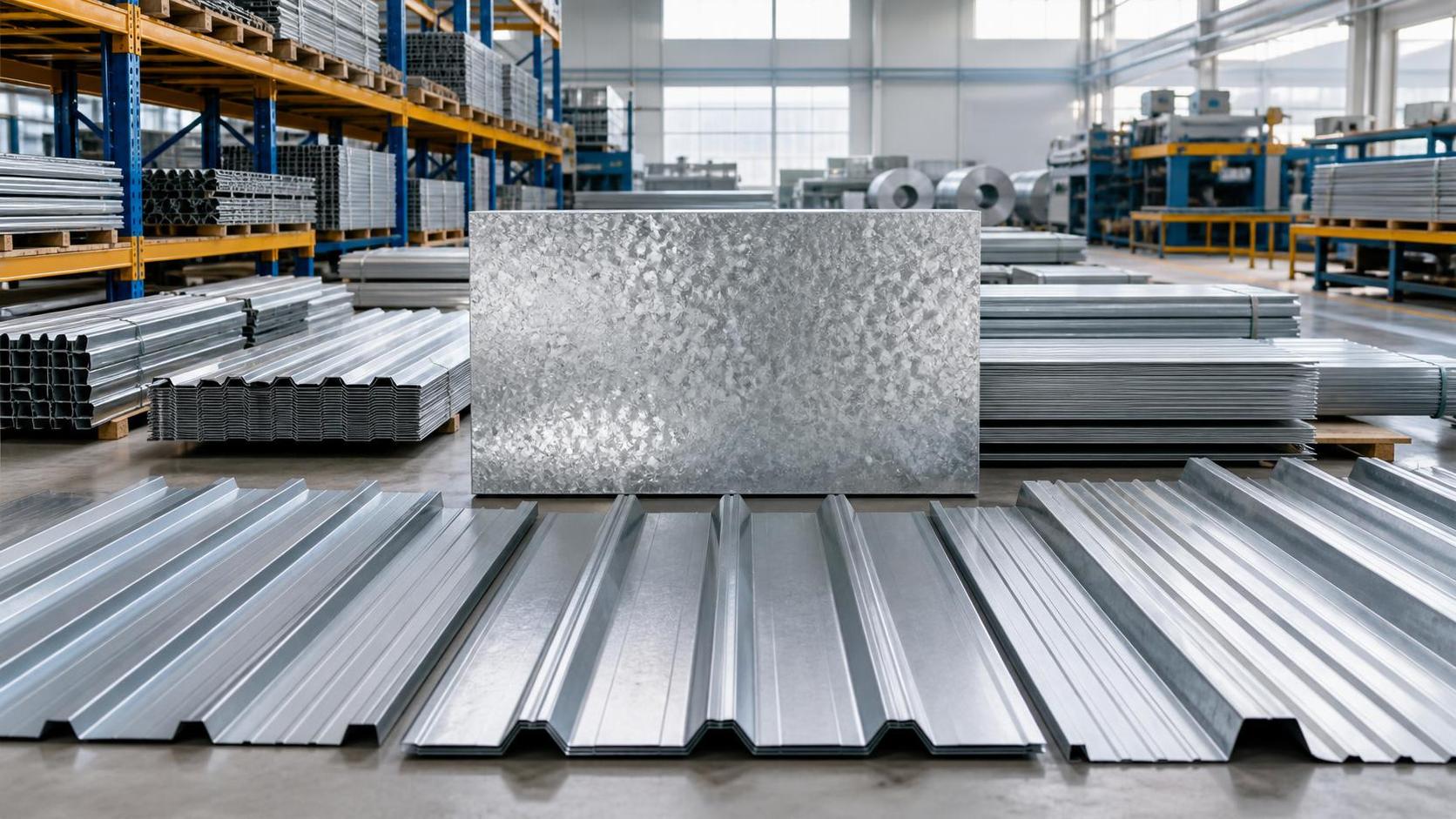
 How to Judge if Steel Sheet for Construction Fits Roofing or Wall CladdingSteel sheet for construction: learn how to judge thickness, coating, profile, and load performance for roofing or wall cladding, and choose a durable, cost-effective fit.
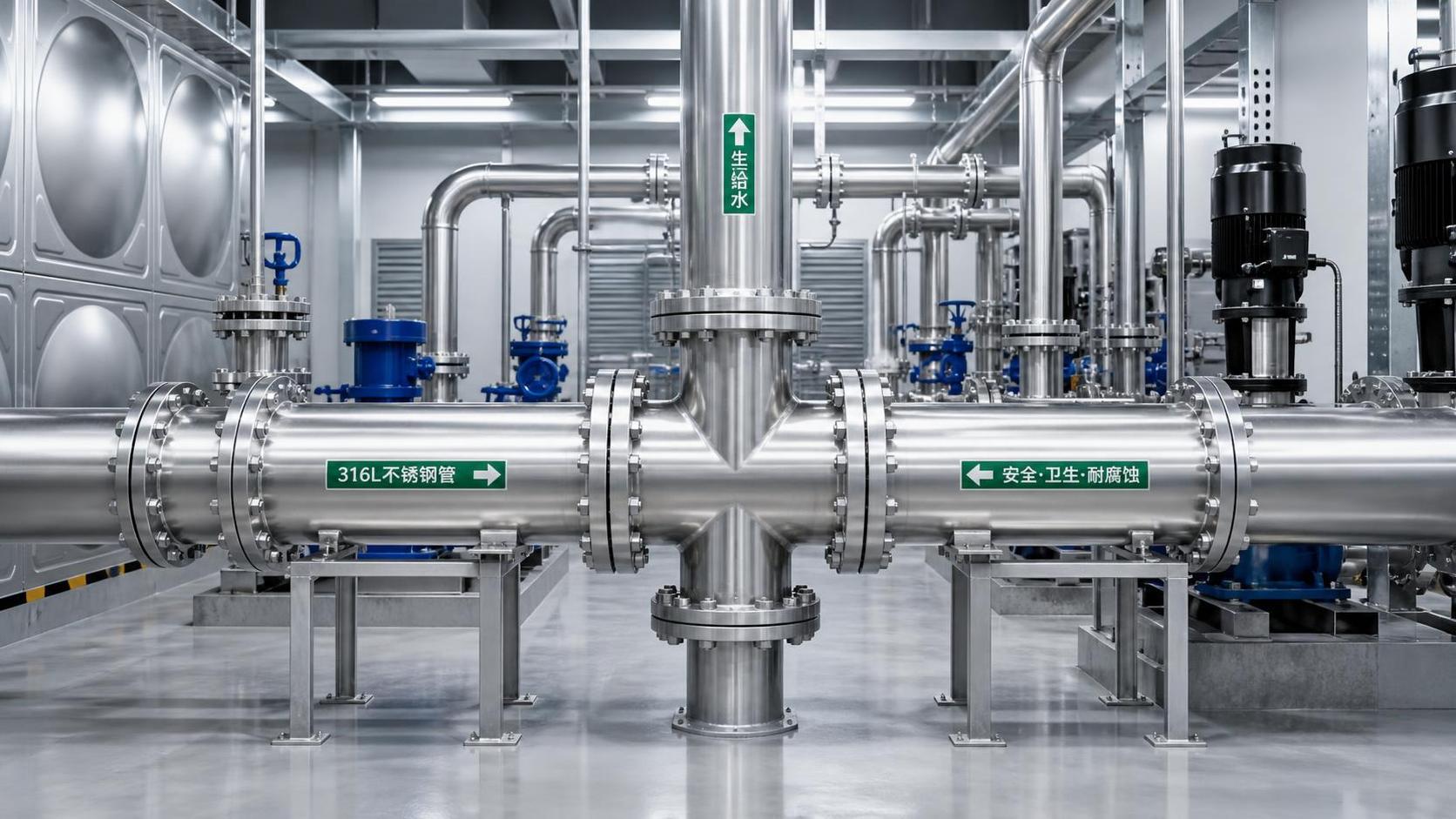
 How to Choose SS Pipe for Water Supply in Corrosion-Prone BuildingsSS pipe for water supply selection guide for corrosion-prone buildings. Compare 304 vs 316 grades, water chemistry, specs, and lifecycle cost to choose a safer, longer-lasting system.
 Steel Wire Rope Manufacturer Standards That Matter in Lifting ApplicationsSteel wire rope manufacturer standards for lifting: learn how to assess traceability, testing, compliance, and real quality control before choosing a safer, more reliable supplier.
 When a Steel Channel Supplier Should Provide Mill Test CertificatesSteel Channel supplier guide on when mill test certificates should be provided for quality control, compliance, and safer procurement.
Please give us a message


Please enter what you want to find