Steel rebar for industrial applications plays a vital role in ensuring structural integrity and long-term performance across diverse construction and manufacturing projects. As a high strength steel rebar manufacturer and custom steel rebar supplier, Hongteng Fengda provides corrosion resistant and ASTM certified steel rebar that meets international standards. Serving as a trusted steel rebar exporter to Europe and a reliable steel rebar supplier in the USA, we deliver consistent quality, competitive steel rebar price per ton, and dependable solutions for bridge construction and industrial infrastructure.
Definition and Overview of Steel Rebar for Industrial Applications
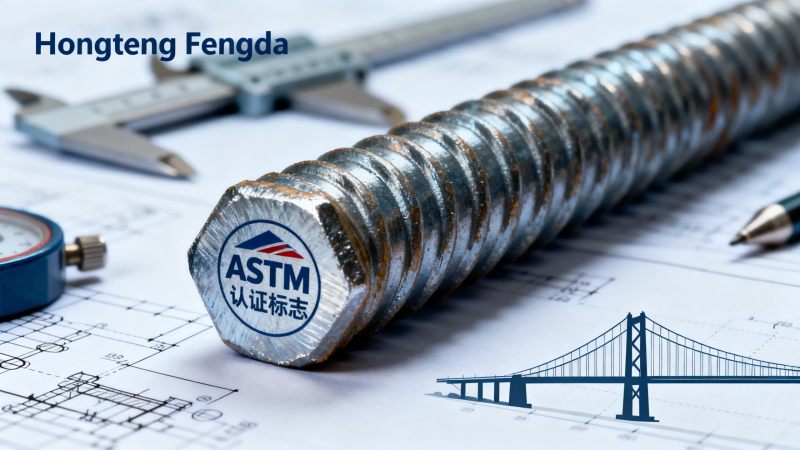
Steel rebar, short for reinforcing bar, is a steel rod or mesh used to reinforce concrete and masonry structures. Its purpose is to improve overall tensile strength, making it indispensable in bridges, highways, industrial plants, and building foundations. In industrial applications, steel rebar must deliver consistent mechanical performance under diverse environmental conditions, including high load stresses, vibrations, and exposure to corrosive media. Modern infrastructure increasingly relies on advanced high strength steel rebar designed to resist oxidation, stress cracking, and deformation over decades of operation. Manufacturers like Hongteng Fengda combine metallurgical expertise with precision rolling and heat treatment techniques to produce rebar with optimized yield strength, elasticity, and ductility. Compliance with standards such as ASTM A615, EN 10080, JIS G3112, and GB/T 1499 ensures global compatibility. These standards set the groundwork for evaluating product performance in bridge construction, industrial piping frameworks, and power generation facilities. With the growing focus on sustainability, demand for corrosion resistant steel rebar and customized alloy compositions has surged, prompting suppliers to refine production technology and quality assurance systems. Hongteng Fengda’s portfolio encompasses a wide range of reliable steel solutions designed to meet the expectations of engineers, contractors, and developers in various industrial applications.
Market Overview and Industry Demand
The global market for steel rebar for industrial applications has witnessed solid expansion in recent years, driven by accelerated infrastructure investment, urbanization, and energy diversification. According to market research data, consumption of high strength and corrosion resistant rebar is projected to grow steadily, particularly in bridge construction, petrochemical facilities, and renewable energy installations. Industrial buyers increasingly prefer suppliers who can guarantee steady output, international compliance, and predictable steel rebar price per ton. In regions like North America and Europe, stringent engineering codes and sustainability standards reinforce demand for ASTM certified steel rebar. Meanwhile, emerging economies seek dependable exporters capable of fulfilling large-scale orders on time. Hongteng Fengda, as a structural steel manufacturer and exporter from China, addresses these challenges through streamlined production lines, continuous billet casting, and advanced testing laboratories. Our ability to maintain consistent metallurgical properties across batches ensures that global clients—from distributors to end users—receive uniform quality and traceability. Additionally, integration of digital tracking and warehouse automation stabilizes lead times, enhancing project scheduling accuracy. Market segmentation shows a rising trend in customized rebar lengths, surface coatings, and epoxy finishes tailored for marine structures and heavy machinery foundations. In this evolving market, combining performance, compliance, and affordability remains the key to competitiveness.
Technical Performance and Key Strength Parameters
High performance steel rebar for industrial applications must meet specific mechanical benchmarks to guarantee safety and durability. Typical yield strength ranges from 400 MPa to 800 MPa depending on grade, while tensile strength often surpasses 600 MPa with controlled elongation rates for flexibility in stress distribution. Thermal stability is also crucial—industrial operations such as metallurgical plants and offshore rigs often expose rebar to fluctuating temperatures. Hongteng Fengda adopts alloying elements like chromium, vanadium, and nickel to enhance hardness and corrosion resistance. Advanced hot rolling and quench-tempered processes reduce internal stresses and ensure uniform microstructure. Compliance with ASTM, EN, and GB standards certifies conformity in areas such as chemical composition, bendability, and fatigue life. Quality control involves magnetic particle inspection, ultrasonic testing, and automated dimensional measurement. For enhanced longevity, anti-corrosion epoxy coatings or galvanization are applied, effectively lowering maintenance costs. In some integrated projects, combining reinforced rebar frameworks with galvanized components—such as those manufactured by Galvanized Pipe Manufacturers—creates hybrid reinforcement systems offering superior rust resistance for marine oil facilities and chemical plants. This synergy contributes to the overall lifecycle performance and ensures compliance with environmental regulations. Whether for tunnels, power plants, or logistics hubs, the right balance between yield strength and ductility determines the safety margin critical to structural reliability.
Application Scenarios and Use Cases
Steel rebar for bridge construction and industrial infrastructure is central to global development initiatives. In bridge decks, rebars counter tensile stresses generated by traffic loads, temperature variance, and dynamic vibrations. Industrial floors, oil refinery storage zones, and manufacturing assemblies require rebar frameworks capable of supporting heavy machinery and resisting fatigue. Hongteng Fengda’s custom steel rebar solutions deliver tailored mechanical properties for these specialized settings. For example, in chemical and marine industrial zones, using corrosion resistant steel rebar minimizes structural maintenance and safety risks. In renewable energy bases—such as wind turbine foundations and hydropower installations—high strength rebar ensures vibration stability under varying cyclic loads. Rebar is also widely used in wastewater treatment plants, steel pipe supports, and prefabricated industrial modules. Integration with advanced galvanized piping solutions extends design flexibility while lowering lifecycle costs. Products like the DX52D coated series offered by Galvanized Pipe Manufacturers complement industrial rebar frameworks by transferring fluids in corrosive or high-pressure zones. Together, these components embody modern engineering’s focus on durability and ecological compliance. International project managers, procurement officers, and quality control staff recognize that selecting the proper rebar type and configuration directly affects structure service life and downstream productivity.
Standards, Certification, and Compliance
Meeting global standards ensures not only safety but also cross-border compatibility for procurement and project integration. Hongteng Fengda’s steel rebar undergoes production aligned with ASTM A615/A706 for deformed and welded rebar, EN 10080 for European specification, and GB/T 1499 for domestic projects. Each batch is traceable through quality documentation including mill certificates and mechanical property test results. Compliance with ISO 9001 management systems strengthens consistency in production and inspection routines. Moreover, our corrosion resistant variants are tested for salt spray resistance per ASTM B117. For bridge and infrastructure projects, adherence to regulatory frameworks like AASHTO M31 and BS 4449 ensures that rebar supplied to North American or European clients meets code-mandated design strengths and elongation capacities. Environmental and occupational safety requirements are integrated into our workflows, from raw material selection to final heat treatment. This commitment allows Hongteng Fengda to act as a dependable high strength steel rebar manufacturer recognized by international contractors. Global buyers benefit from our transparent documentation, material traceability, and technical support throughout project execution. When combined with certified components such as galvanized structural pipes or coated support systems, compliance assurance becomes a pivotal element that reduces inspection delays and procurement risks.
Procurement Guide and Cost Considerations
Selecting the correct steel rebar for industrial applications involves evaluating mechanical performance, compliance standards, cost efficiency, and supplier reliability. Buyers often analyze steel rebar price per ton in relation to yield strength, corrosion protection cost, and fabrication convenience. For long-term projects, initial price is only part of the equation—lifecycle durability and reduced maintenance frequency significantly affect overall project economics. Procurement officers should also consider reliable supply chain management, on-time delivery, and post-sales services. Hongteng Fengda offers flexible supply modes, from direct export to strategic distribution partnerships, enabling customized delivery schedules and packaging. Our integrated logistics network supports customers in North America, the Middle East, and Southeast Asia with consistent stock availability. Contracting organizations can request comparative quotations to match ASTM, EN, or GB-certified options according to project location. For sustainable cost optimization, hybrid reinforcement systems combining steel rebar and galvanized framing products may offer superior performance with longer service life. Furthermore, adopting digital procurement processes and quality databases allows clients to verify steel certification documents online, improving transparency for auditors and safety engineers. Investing in dependable materials now ensures continuity in infrastructure assets for decades ahead while controlling risk against price volatility and material degradation.
Comparison Analysis: Corrosion Resistant vs. Standard Rebar
Industrial environments expose rebar to aggressive agents like chlorides, sulfates, and moisture, which can severely compromise performance over time. Comparing corrosion resistant steel rebar with standard carbon rebar highlights substantial life-cycle benefits. Corrosion resistant types, often alloyed with chromium or galvanized coatings, maintain structural integrity significantly longer in coastal, chemical, or humid regions. Standard rebar may afford lower upfront cost, but recurring repair and replacement expenses can offset those savings quickly. Hongteng Fengda’s corrosion-resistant lines undergo precision galvanic and epoxy coatings optimized for industrial exposure, achieving service life extensions up to several decades. For bridge construction, the improved bond between coating and concrete enhances adhesion and stability under load-induced flexure. From a design standpoint, using high strength rebar reduces bar diameter requirements, simplifying installation and lowering concrete volume, which offsets premium material costs. Engineers must balance design complexity, installation ease, and environmental conditions when choosing material classes. Lifecycle analysis consistently demonstrates that corrosion resistant solutions yield superior return on investment for infrastructure with long service expectations. Safety managers and project owners appreciate the insurance value embedded in verified corrosion control, minimizing downtime and extending inspection intervals across industrial facilities and transportation corridors.
Trend and Future Insights
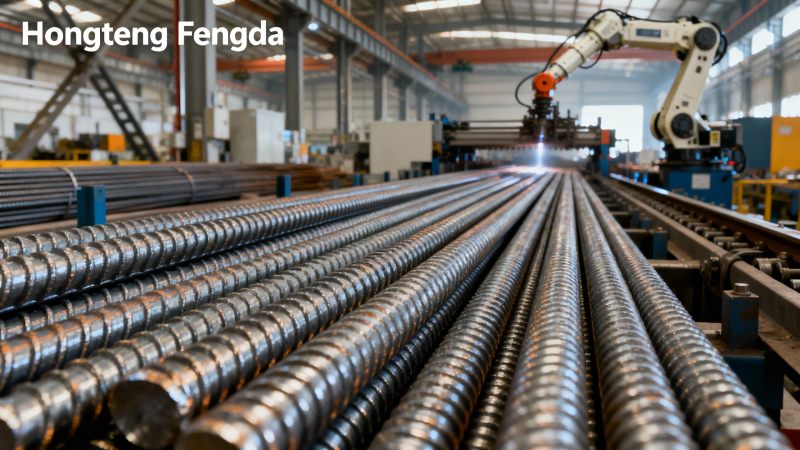
Emerging advancements in metallurgical science and digital manufacturing are reshaping the steel rebar landscape. Automation-driven rolling mills and AI-based quality inspection ensure microstructural uniformity, while eco-friendly coatings reduce environmental impact. Demand for smart rebar integrated with RFID tracking and sensors for structural health monitoring is rising, allowing predictive maintenance in major industrial plants. Hongteng Fengda invests in research to develop next-generation rebar combining carbon efficiency and higher tensile strength, targeting projects that aim for net-zero construction footprints. Global infrastructure modernization programs, including smart city initiatives and renewable energy expansion, will sustain market growth over the next decade. Moreover, integration between steel rebar and modular components enhances off-site assembly efficiency, reducing waste. Adaptation to circular economy principles—through recycling and scrap reuse—further improves sustainability credentials. Procurement stakeholders benefit from strategic sourcing partnerships with manufacturers capable of innovation and scalability. Looking forward, tighter regulatory frameworks will prioritize certified, traceable materials from verified suppliers, reinforcing trust and transparency in international trade.
Case Studies and Successful Implementation
Hongteng Fengda’s steel rebar has been employed in several industrial and infrastructure projects worldwide. In Europe, our corrosion resistant varieties were selected for a marine bridge project where saltwater exposure demanded enhanced anti-oxidation performance. The use of ASTM certified and EN-compliant rebar ensured safe installation under tight construction timelines. In North America, high strength customized rebar was integrated into an automotive plant foundation, providing necessary load-bearing resilience for heavy production equipment. In Southeast Asia, municipal wastewater facilities have adopted our chemical-resistant products to reduce maintenance cycles and extend operational life. Clients consistently report improvements in welding efficiency and reduced field adjustments due to precise dimensional control. Project teams also noted reliable logistics, ensuring materials arrived synchronized with their work schedule. These examples demonstrate the capacity of Hongteng Fengda to deliver tailored rebar solutions across diverse industries, from transportation to energy and manufacturing, showcasing measurable gains in safety and cost efficiency through standardized international compliance and continuous technical support.
Why Choose Hongteng Fengda
Choosing a high strength steel rebar manufacturer with proven expertise in industrial applications ensures long-term reliability and performance. Hongteng Fengda distinguishes itself through professional manufacturing facilities, strict quality inspection, and global export networks. We provide both standard and customized solutions that align with ASTM, EN, JIS, and GB standards to meet any construction or industrial need. Our corrosion resistant steel rebar portfolio delivers high yield strength and excellent bonding with concrete, suitable for bridge construction, industrial foundations, and marine engineering. With an experienced technical team and customer-oriented service, we assist clients in design optimization, compliance verification, and efficient sourcing. Beyond quality products, we share engineering data, certification support, and logistics planning that save time and reduce procurement costs. Whether you are a project manager, procurement officer, or distributor, partnering with Hongteng Fengda ensures consistent supply, transparent pricing, and world-class performance. For more details or customized specifications, contact our professional team to discuss your next project and discover how our structural steel expertise can help realize durable and sustainable infrastructure worldwide.
- galvanized pipe manufacturers
- galvanized pipe
- steel pipe
- structural steel
- Structural Steel
- Corrosion Resistant Steel
- Steel Rod
- Rebar
- Galvanized
- steel rebar
- high strength steel rebar manufacturer
- ASTM certified steel rebar
- steel rebar price per ton
- steel rebar for industrial applications
- custom steel rebar supplier
- steel rebar exporter to Europe
- corrosion resistant steel rebar
- steel rebar for bridge construction
Related recommendations
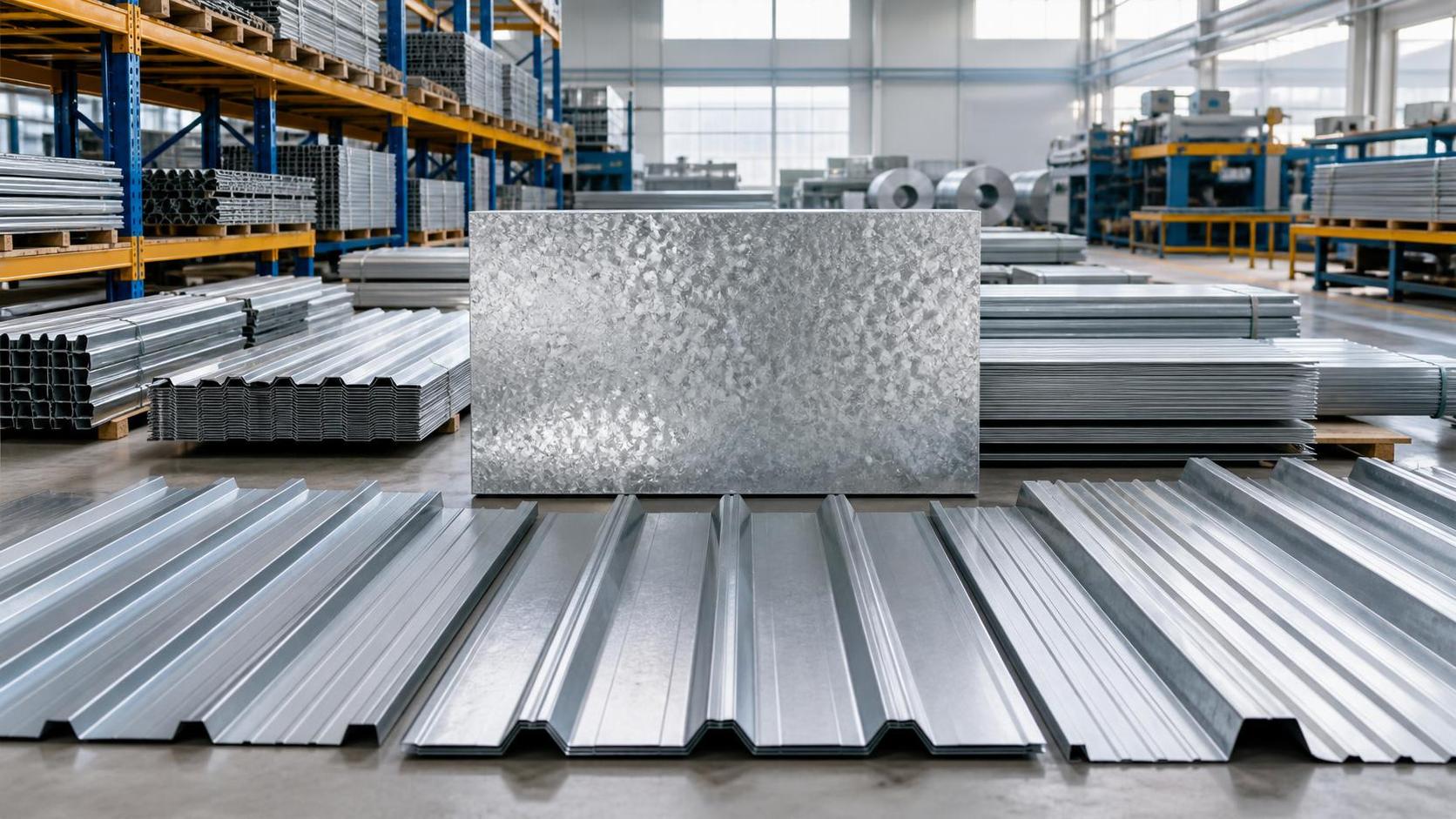
 How to Judge if Steel Sheet for Construction Fits Roofing or Wall CladdingSteel sheet for construction: learn how to judge thickness, coating, profile, and load performance for roofing or wall cladding, and choose a durable, cost-effective fit.
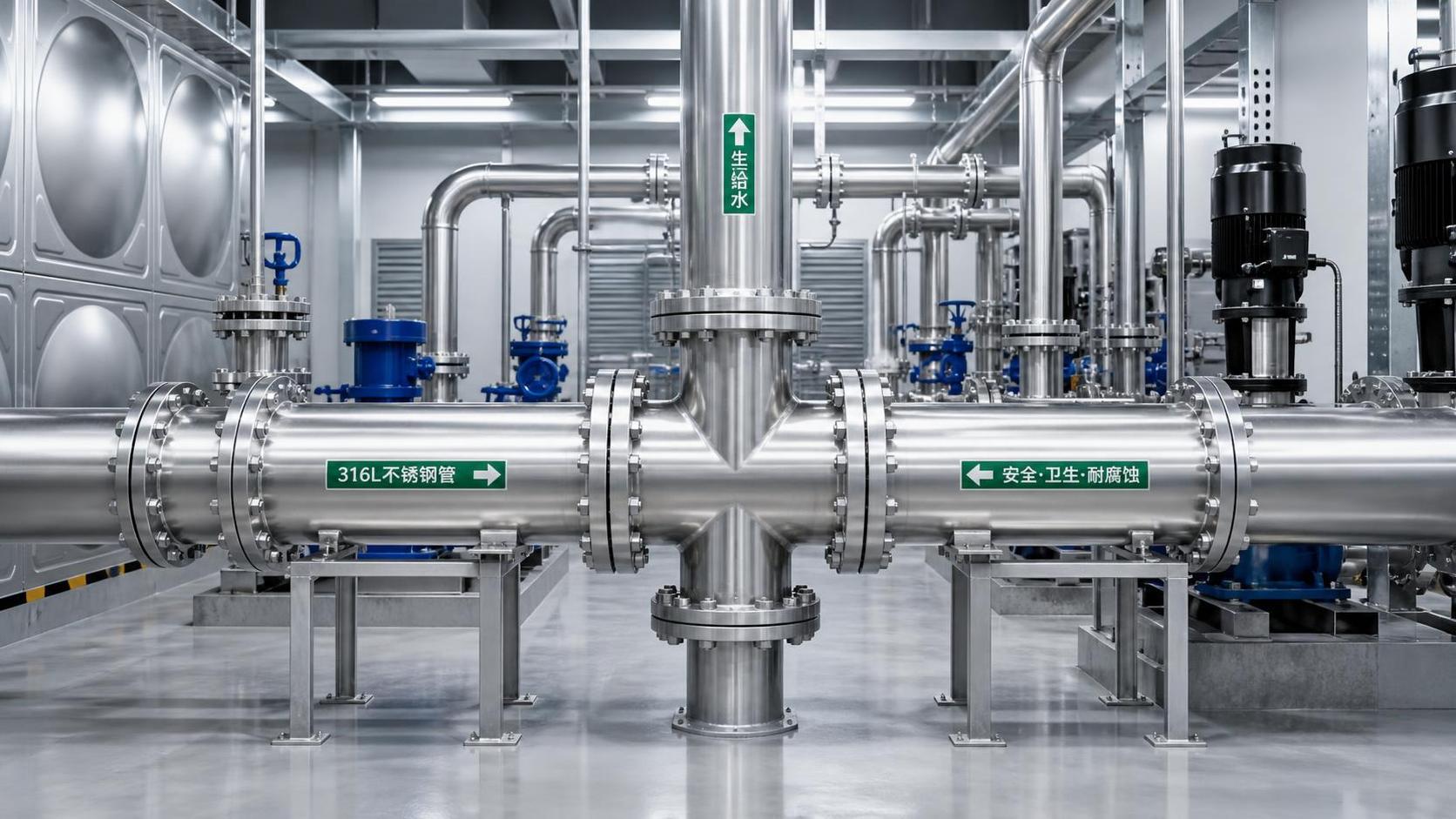
 How to Choose SS Pipe for Water Supply in Corrosion-Prone BuildingsSS pipe for water supply selection guide for corrosion-prone buildings. Compare 304 vs 316 grades, water chemistry, specs, and lifecycle cost to choose a safer, longer-lasting system.
 Steel Wire Rope Manufacturer Standards That Matter in Lifting ApplicationsSteel wire rope manufacturer standards for lifting: learn how to assess traceability, testing, compliance, and real quality control before choosing a safer, more reliable supplier.
 When a Steel Channel Supplier Should Provide Mill Test CertificatesSteel Channel supplier guide on when mill test certificates should be provided for quality control, compliance, and safer procurement.
Please give us a message


Please enter what you want to find