When designing warehouse mezzanines, choosing between I beam vs H beam strength comparison isn’t just about geometry—it’s critical for load capacity, safety, and long-term structural integrity. As a trusted H Shape Beam supplier in Malaysia for industrial use and steel beam factory price in China leader, Hongteng Fengda helps project managers, procurement teams, and safety officers make data-driven decisions—backed by ASTM/EN-compliant testing, real-world load calculations (including how to calculate I beam weight for construction), and transparent trade terms like mill MOQ vs trader MOQ steel for export. Whether you’re weighing standard vs custom steel lead time comparison or sourcing angle steel price per ton Philippines supplier, our engineering support ensures optimal strength-to-cost performance.
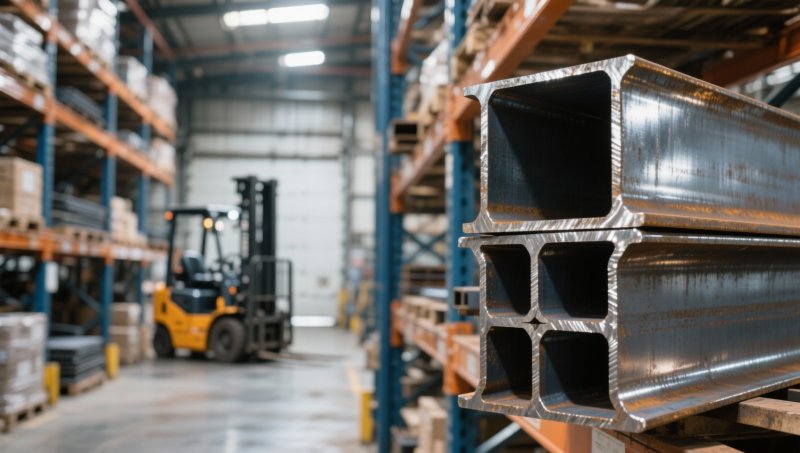
Definition & Structural Identity: What Makes an I Beam Different from an H Beam?
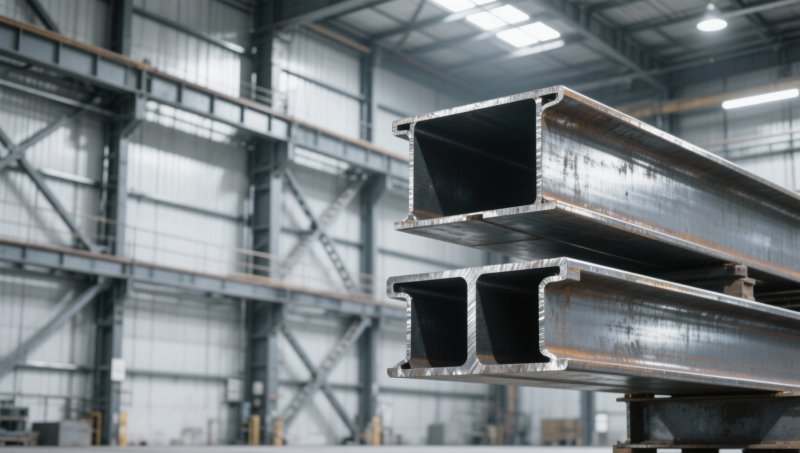
At first glance, I beams and H beams appear nearly identical—both feature two parallel flanges connected by a vertical web. Yet their dimensional logic diverges significantly. An I beam follows traditional rolled-steel standards where flange thickness tapers toward the edges, resulting in a narrower web and thinner outer flange tips. In contrast, the H Shape Beam is engineered with parallel flanges of uniform thickness and a thicker, more robust web—giving it a true “H” cross-section as defined under EN 10025 and ASTM A6/A6M.
This distinction isn’t cosmetic. The uniform geometry allows H beams to distribute bending stress more evenly across both axes—critical when mezzanine floors must support dynamic forklift traffic, pallet racking systems, or multi-tier storage loads. Meanwhile, I beams excel in unidirectional bending applications (e.g., simple roof purlins) but show reduced torsional rigidity and lower second moment of area (Ix) around the weak axis.
Technical Performance: Load Capacity, Moment Resistance & Real-World Calculations
Strength isn’t determined solely by shape—it’s governed by section modulus (Z), radius of gyration (r), and yield strength (fy). For warehouse mezzanine projects demanding high point-load tolerance (e.g., 3–5 ton pallet jacks), H beams consistently outperform comparable-weight I beams in key metrics:
Note: These values assume identical material grade conversion and are derived using Eurocode 3 design methodology. The H beam’s higher Zx directly translates to greater resistance against bending failure—especially vital when mezzanine columns span >4 meters or support heavy-duty cantilever racks.
Procurement Guide: Navigating MOQ, Lead Time & Sourcing Models
For procurement professionals evaluating steel beam factory price in China versus regional traders, understanding supply chain levers is essential. Mill MOQ vs trader MOQ steel for export reveals stark differences: mills like Hongteng Fengda enforce minimum order quantities (typically 25–30 MT per specification) but offer full traceability, mill test reports (MTRs), and direct compliance with ASTM A572 or EN10025. Traders may accept smaller orders (as low as 5 MT), yet often lack control over rolling schedules, heat numbers, or galvanizing consistency.
Similarly, standard vs custom steel lead time comparison shows that off-the-shelf H beams ship within 15–25 days after deposit, while custom-cut, pre-drilled, or welded assemblies require 45–60 days—but deliver zero on-site fabrication delays. This predictability matters deeply for project managers managing tight warehouse retrofit timelines across Southeast Asia or the Middle East.
Standards & Certification: Why Compliance Matters Beyond Paperwork
Warehouse mezzanines are classified as permanent structural elements under ISO 2394 and local building codes (e.g., Malaysia’s Uniform Building By-Laws). Using non-certified beams risks failed inspections, insurance invalidation, or catastrophic collapse under seismic or overload events. Hongteng Fengda’s H Shape Beam products carry third-party verification from SGS and Bureau Veritas—and conform to JIS G3101 (SS400), EN10025 (S275JR/S355JR), and ASTM A992 (for North American projects).
Each batch includes certified chemical composition analysis, tensile test results, Charpy impact values at –20°C, and ultrasonic testing (UT) for internal flaw detection—ensuring every beam meets the fracture toughness requirements for elevated storage environments where safety margins cannot be compromised.
Why Choose Hongteng Fengda?
As a structural steel manufacturer and exporter from China with 18+ years’ experience, we bridge engineering rigor and global logistics intelligence. Whether you need angle steel price per ton Philippines supplier verification, stainless steel square bar for construction compatibility analysis, or precise how to calculate I beam weight for construction formulas—we provide free technical consultation, BIM-ready Revit families, and dual-language documentation (English + local language).
Our vertically integrated facility handles everything from billet casting to CNC drilling and hot-dip galvanizing—eliminating middlemen markups and enabling steel beam factory price in China advantages without sacrificing quality. With ISO 9001-certified QC labs and dedicated export teams serving over 42 countries, we help procurement officers reduce sourcing risks, control landed costs, and accelerate project handover.
Contact us today for your customized warehouse mezzanine structural package—including free load simulation reports, mill MOQ vs trader MOQ steel for export side-by-side evaluation, and real-time steel beam factory price in China quotes aligned with your project timeline.
- h shape beam
- h beams
- h beam
- angle steel
- ASTM A572
- steel standards
- ASTM A36
- structural steel
- Structural Steel
- standard vs custom steel lead time
- mill MOQ vs trader MOQ steel
- S355JR
- Angle Steel price per ton Philippines
- how to calculate i beam weight
- I beam vs H beam
- steel beam factory price
- Steel Beam
- stainless steel square bar
- i beam weight
- stainless steel square bar for construction
- steel beam factory price in China
- I beam vs H beam strength comparison
- how to calculate i beam weight for construction
- Angle Steel price per ton Philippines supplier
- mill MOQ vs trader MOQ steel for export
- standard vs custom steel lead time comparison
Related recommendations
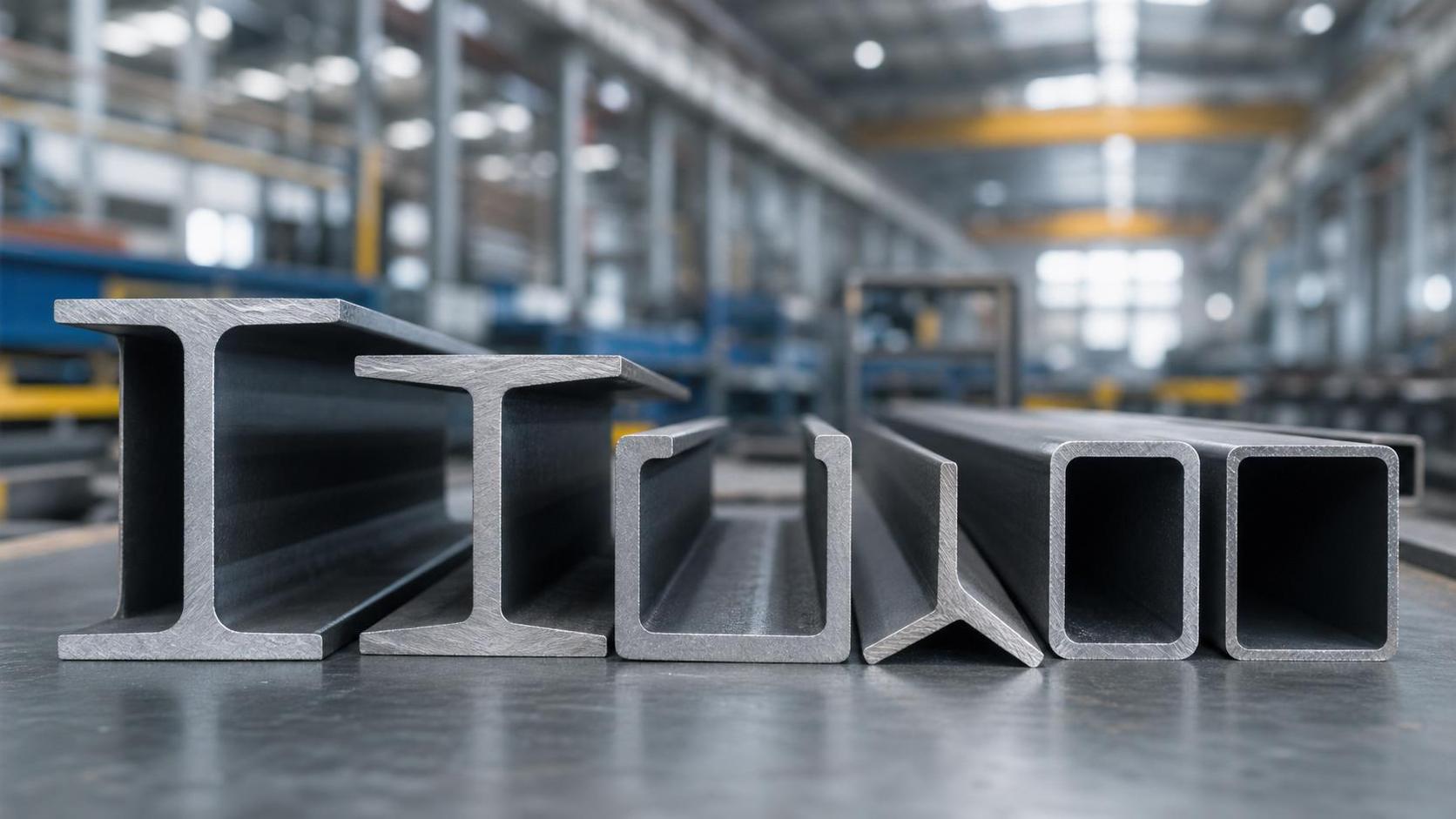
 What Is a Steel Profile? Common Shapes, Uses, and Selection BasicsProfile selection starts with shape, but performance depends on load, fabrication, and standards. Learn common steel profile types, uses, and smart selection basics.
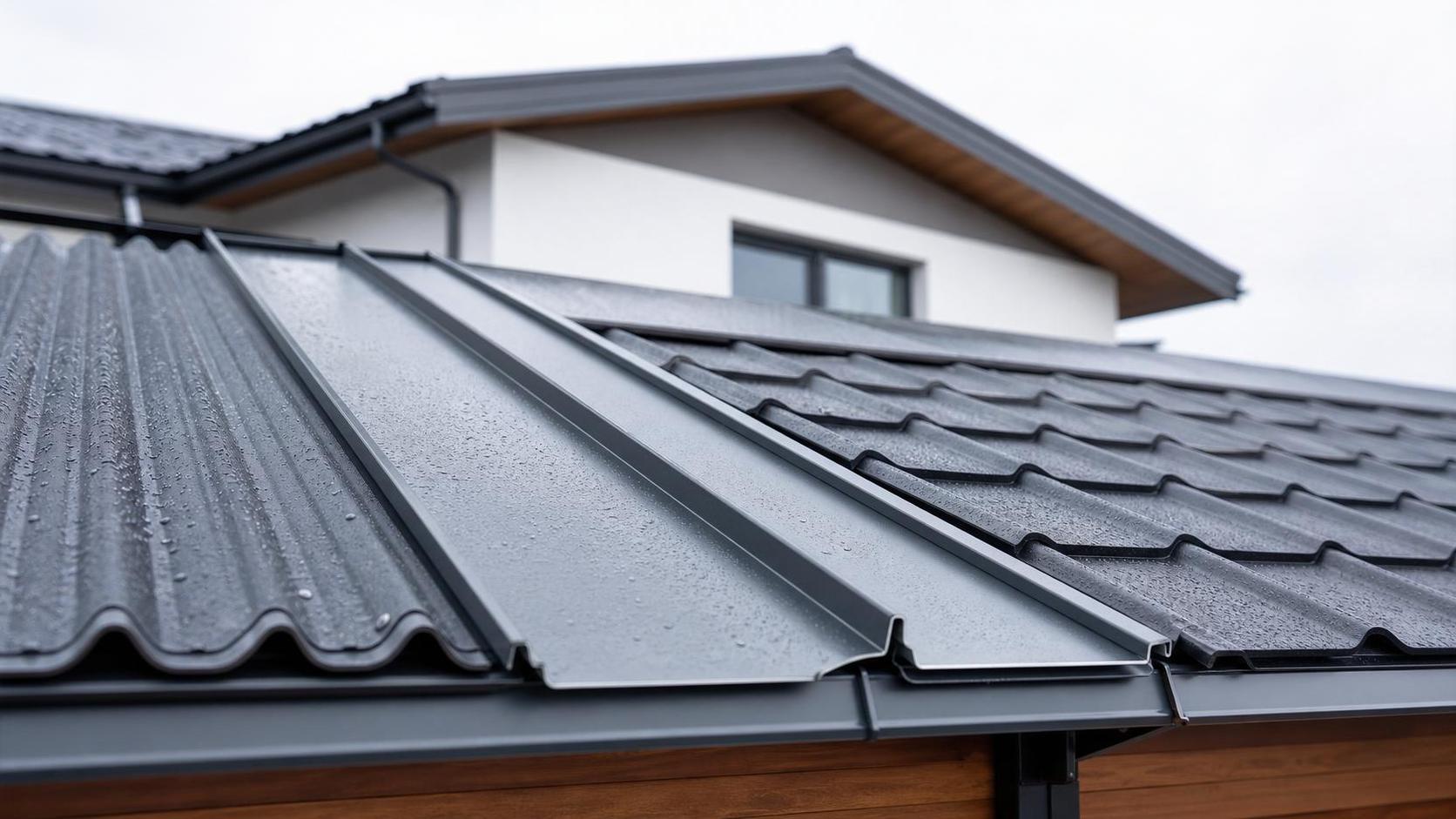
 Steel Roofing Types Explained: Corrugated, Standing Seam, and Metal ShinglesSteel Roofing guide comparing corrugated panels, standing seam, and metal shingles. Discover costs, durability, weather performance, and how to choose the best roof for your home.
 How Hot-Dip Galvanized Coating Thickness Affects Service LifeHot-dip galvanized coating thickness directly affects steel service life. Learn how the right zinc layer improves corrosion protection, controls cost, and supports smarter project decisions.
 Pipe Stainless Grades Explained: 304 vs 316 for Corrosion ResistancePipe stainless grades explained: compare 304 vs 316 for corrosion resistance, cost, and service life. Learn which stainless pipe grade fits marine, chemical, and water system applications.

Please give us a message


Please enter what you want to find