Understanding the ss sheet 304 price per kg is critical for procurement teams, project managers, and structural engineers evaluating cost-efficiency across applications. This article compares how cold-rolled and hot-rolled 304 stainless steel sheets differ in pricing per kilogram—factoring in processing complexity, surface finish, dimensional tolerance, and market demand. As a China-based structural steel manufacturer and exporter, Hongteng Fengda provides transparent, real-time pricing insights backed by ASTM/EN/GB-compliant production—helping global buyers make informed sourcing decisions without compromising quality or delivery reliability.
Processing Differences Drive Price Divergence
Cold-rolled and hot-rolled 304 stainless steel sheets undergo fundamentally different thermal and mechanical treatments—directly impacting material yield, surface integrity, and final cost. Hot rolling occurs above the recrystallization temperature (typically >1,000°C), enabling large-scale production of thick plates (≥3 mm) with moderate dimensional accuracy (±0.3–0.5 mm). Cold rolling follows annealing and pickling, performed at room temperature to achieve tighter tolerances (±0.05–0.1 mm), superior flatness (<0.1 mm/m), and enhanced tensile strength (up to 800 MPa vs. 520 MPa for hot-rolled).
The added process steps—annealing, descaling, tension leveling, and skin-pass rolling—increase energy consumption, labor input, and scrap rates. Cold-rolled coils typically require 12–18% more raw material input due to edge trimming and thickness reduction losses. These operational complexities translate into a consistent 15–25% premium over hot-rolled equivalents at current market levels (Q2 2024).
Moreover, cold-rolled grades command higher demand in precision fabrication sectors—including architectural cladding, pharmaceutical equipment, and food-grade conveyors—where surface aesthetics and micron-level consistency are non-negotiable. This sustained demand pressure further widens the price gap, especially during peak construction seasons in North America and the Middle East.
The table highlights how manufacturing scope dictates not only price but also time-to-delivery and functional suitability. Buyers specifying thin-gauge components for HVAC ductwork or elevator panels must factor in both the 20% average price differential and extended lead times—especially when ordering custom finishes like brushed No.4 or mirror-polished BA.
Application-Specific Cost-Benefit Analysis
Selecting between cold- and hot-rolled 304 isn’t purely about upfront cost—it’s a strategic trade-off between performance requirements and lifecycle economics. For structural framing, anchor plates, or base plates exposed to atmospheric corrosion, hot-rolled sheets deliver optimal value: their mill scale offers temporary protection during storage and transport, while post-fabrication grinding or painting ensures long-term durability at 18–22% lower material cost per kg.
In contrast, cold-rolled 304 excels where surface integrity affects function—not just appearance. Examples include filtration systems requiring precise pore geometry, chemical reactor linings demanding uniform passivation, or medical device housings needing ISO 13485-compliant surface roughness (Ra ≤ 0.2 μm). Here, the higher initial investment pays back through reduced rework, longer service life, and compliance assurance.
Notably, Stainless Steel Welded Mesh leverages cold-drawn 304 wire (diameter: 0.0008″–0.12″) precisely because mesh opening accuracy (2–635 mesh), absolute micron retention (32–360 μm), and weight consistency (0.3–4.1 kg/m²) depend on tightly controlled wire diameter and tensile uniformity—attributes only achievable via cold-working processes.
Global Sourcing Realities & China Export Advantage
Global price volatility for 304 stainless steel is heavily influenced by nickel futures (accounting for ~70% of alloy cost), chromium availability, and regional energy tariffs. In Q2 2024, FOB China prices for hot-rolled 304 coils ranged from USD 2,850–3,120 per metric ton, while cold-rolled variants averaged USD 3,450–3,880 per metric ton—reflecting a 19.3–24.5% spread. Hongteng Fengda maintains stable output through vertically integrated sourcing of raw materials and dual-line production facilities certified to ASTM A240, EN 10088-2, and GB/T 4237 standards.
Our export model eliminates intermediaries: direct factory pricing, MOQ flexibility (as low as 1 ton for trial orders), and consolidated logistics support across 23 countries. For buyers in Southeast Asia or the Middle East, landed costs—including CIF Dubai or CIF Rotterdam—remain competitive even after accounting for 12–15% import duties, thanks to our 98.7% on-time delivery rate over the past 18 months.
We also offer blended procurement strategies: hot-rolled for primary structural members, cold-rolled for visible or functional surfaces—and coordinated shipment scheduling to align with site progress milestones. This integrated approach reduces inventory carrying costs by up to 30% versus fragmented sourcing.
This comparative framework enables procurement professionals to align material selection with project phase, budget cycle, and quality gate requirements—without over-specifying or under-engineering.
How to Optimize Your 304 Sheet Procurement Strategy
Start with application mapping: classify each use case by exposure environment (e.g., coastal salt spray vs. indoor HVAC), load type (static vs. cyclic), and finish requirement (structural-only vs. architectural). Then apply this three-tier validation:
- Dimensional Priority Test: If thickness tolerance exceeds ±0.2 mm or flatness deviation exceeds 0.3 mm/m, hot-rolled suffices.
- Surface Criticality Check: If Ra > 0.8 μm is acceptable and no post-weld polishing is planned, hot-rolled avoids unnecessary premium.
- Regulatory Alignment Review: For FDA 21 CFR, ASME BPE, or ISO 14644 cleanroom applications, cold-rolled with full traceability is mandatory.
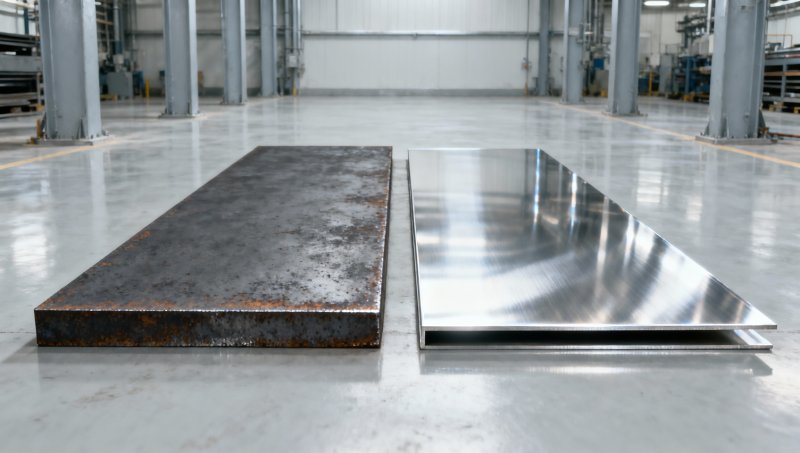
Hongteng Fengda supports this decision workflow with free technical consultation, sample kits (including side-by-side hot/cold-rolled coupons), and digital BOM cost modeling tools. Our engineering team collaborates directly with project managers to validate grade selection against local building codes and international compliance frameworks.
Conclusion: Precision Sourcing Starts with Process Awareness
The ss sheet 304 price per kg difference between cold-rolled and hot-rolled grades isn’t arbitrary—it reflects measurable differences in metallurgical control, dimensional fidelity, and functional readiness. For structural steel projects demanding both economy and reliability, understanding this divergence empowers smarter budget allocation, risk mitigation, and long-term asset value.
As a certified structural steel manufacturer and exporter based in China, Hongteng Fengda bridges global demand with localized production excellence—delivering ASTM/EN/GB-compliant 304 sheets with documented traceability, flexible MOQs, and responsive engineering support. Whether you’re specifying angle steel for offshore platforms or customized cold-formed profiles for automated assembly lines, our team helps translate material science into project success.
Contact Hongteng Fengda today to request a detailed 304 stainless steel price list updated for your target destination port—or schedule a virtual factory tour to see our rolling, finishing, and quality assurance processes firsthand.
Related recommendations
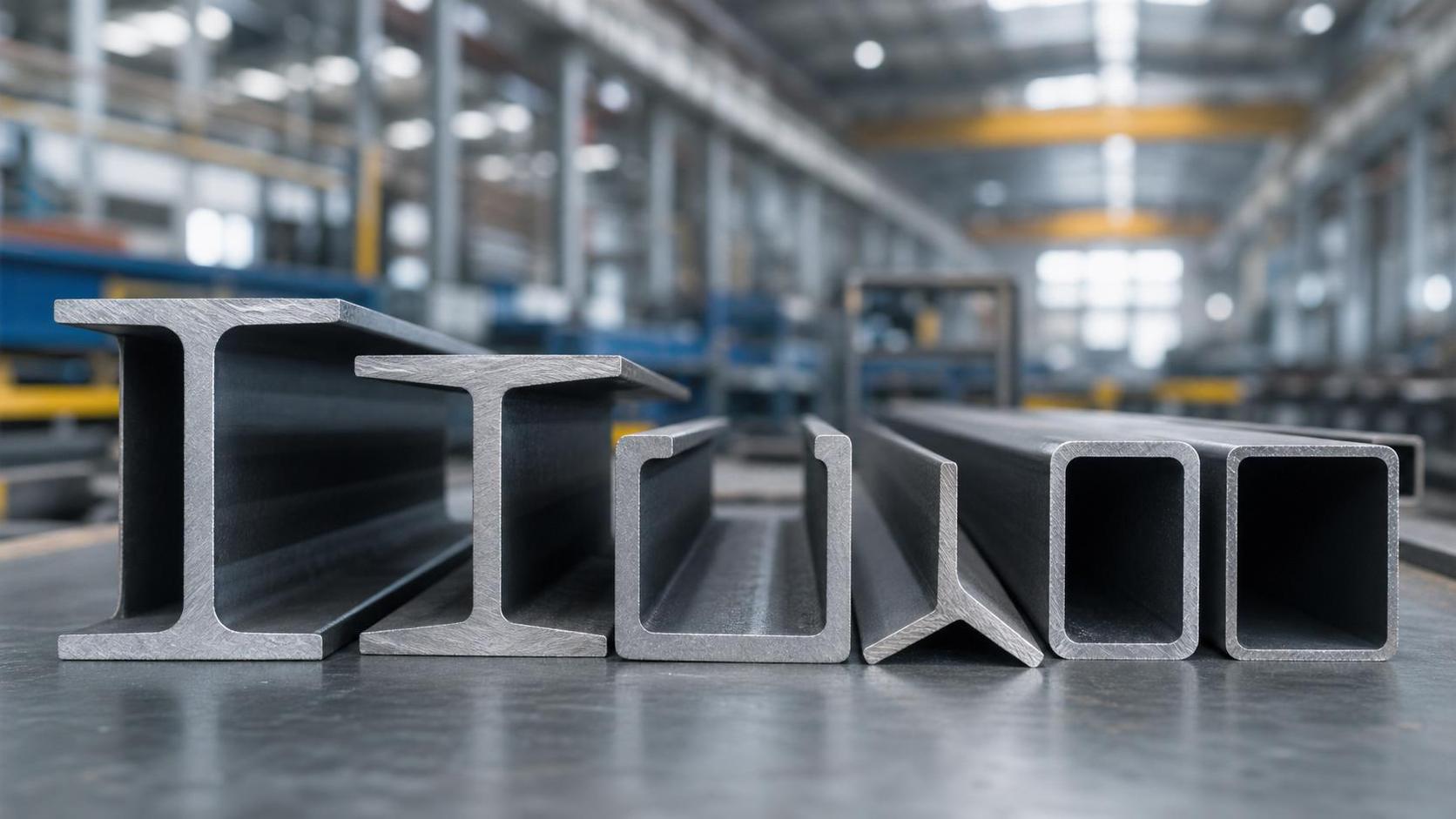
 What Is a Steel Profile? Common Shapes, Uses, and Selection BasicsProfile selection starts with shape, but performance depends on load, fabrication, and standards. Learn common steel profile types, uses, and smart selection basics.
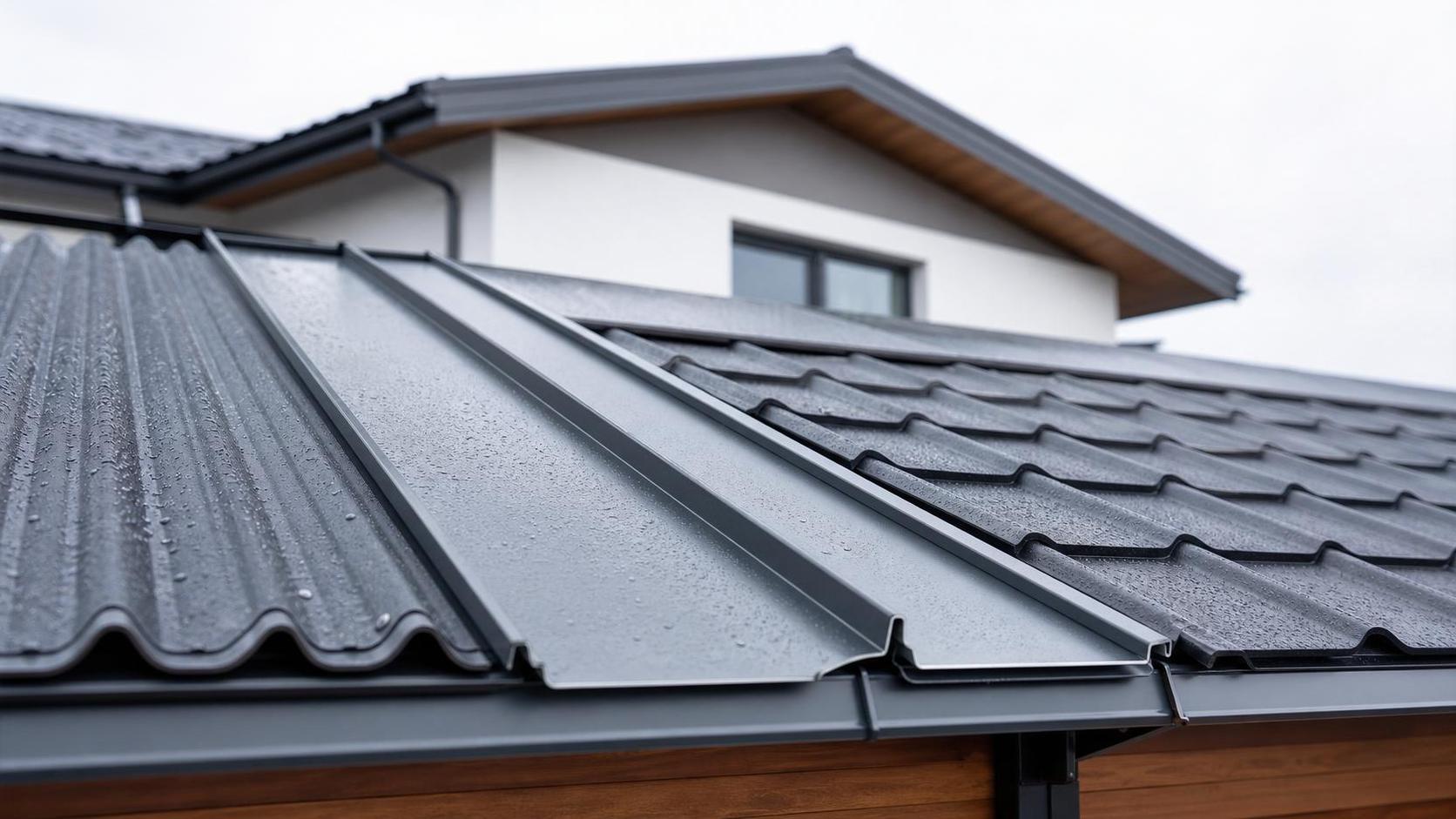
 Steel Roofing Types Explained: Corrugated, Standing Seam, and Metal ShinglesSteel Roofing guide comparing corrugated panels, standing seam, and metal shingles. Discover costs, durability, weather performance, and how to choose the best roof for your home.
 How Hot-Dip Galvanized Coating Thickness Affects Service LifeHot-dip galvanized coating thickness directly affects steel service life. Learn how the right zinc layer improves corrosion protection, controls cost, and supports smarter project decisions.
 Pipe Stainless Grades Explained: 304 vs 316 for Corrosion ResistancePipe stainless grades explained: compare 304 vs 316 for corrosion resistance, cost, and service life. Learn which stainless pipe grade fits marine, chemical, and water system applications.

Please give us a message


Please enter what you want to find