Selecting the right high strength steel angle for industrial use demands more than just checking dimensions—it requires verifying critical ASTM standards and yield strength specs to ensure structural integrity, safety, and compliance. Whether you're a procurement professional sourcing ASTM A36 Angle Steel price per ton in Philippines, an engineer evaluating structural steel lifespan and maintenance, or a distributor assessing MOQ requirements for structural steel orders, missteps in specification verification can lead to costly delays or failures. As a trusted structural steel manufacturer & exporter from China, Hongteng Fengda helps global buyers—from project managers to quality control teams—navigate common pitfalls like why angle steel quality varies or how to buy angle steel from China confidently and safely.
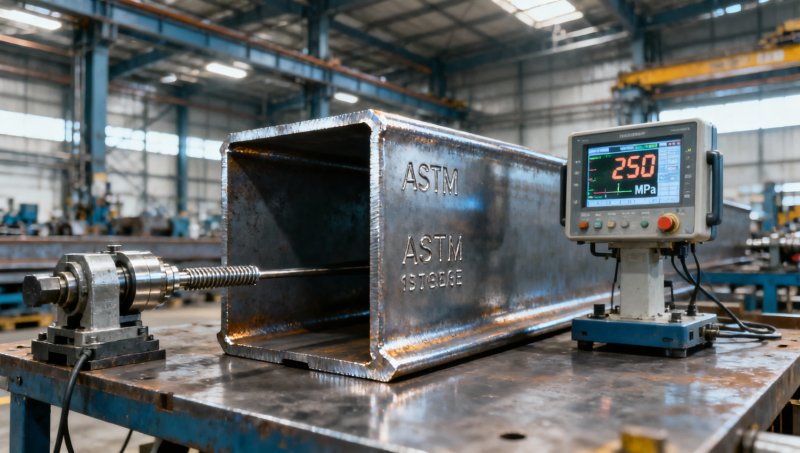
Understanding ASTM Standards: Beyond Surface-Level Compliance
ASTM standards are not mere checkboxes—they define mechanical behavior, chemical composition limits, and testing protocols that directly impact load-bearing performance and service life. For example, ASTM A36 remains the most widely referenced carbon structural steel, with a minimum yield strength of 250 MPa (36 ksi) and tensile strength range of 400–550 MPa. However, industrial applications demanding higher fatigue resistance or dynamic loading—such as heavy machinery frames or seismic bracing—often require ASTM A572 Grade 50 (minimum yield: 345 MPa) or even ASTM A992 (used in wide-flange beams but increasingly adapted for custom angle configurations).
Misinterpreting standard equivalencies is a frequent source of risk. While EN 10025 S355JR shares similar yield strength with ASTM A572 Gr. 50, its Charpy impact requirements at low temperatures differ significantly. Likewise, JIS G3101 SS400 lacks mandatory impact testing unless specified separately—making it unsuitable for cold-climate infrastructure without supplementary validation. At Hongteng Fengda, every batch undergoes third-party witnessed tensile, bend, and chemical analysis per ASTM E8/E29, with full mill test reports traceable to heat number and rolling date.
Yield Strength Verification: Why “Minimum” Isn’t Optional
Yield strength defines the threshold at which permanent deformation begins—a non-negotiable parameter for industrial support structures, conveyor frameworks, and modular plant platforms. Yet many buyers rely solely on nominal grade labels without validating actual test data. Real-world variance arises from cooling rate inconsistencies during hot rolling, alloy segregation in billet casting, or inadequate post-rolling stress relief—all factors that can reduce effective yield by 8–12% below certified values.
Our production line employs online infrared thermography to monitor temperature gradients across the cross-section during quenching, ensuring uniform microstructure formation. Each coil or bundle is tagged with QR-coded traceability labels linking to digital tensile reports showing actual yield (Rp0.2), ultimate tensile strength (Rm), elongation (%), and reduction of area. This transparency enables engineers to perform accurate safety factor calculations—especially vital when specifying angles for crane runways or explosion-proof enclosures where plastic deformation must remain strictly controlled.
From Specification to Supply Chain: Navigating MOQ, Lead Time, and Quality Consistency
Global buyers often face tension between cost efficiency and technical assurance. Low-volume orders may trigger premium pricing due to setup recalibration, while bulk purchases risk stock obsolescence if dimensional tolerances drift beyond ±0.5 mm per leg or ±1° angular deviation. Hongteng Fengda maintains flexible MOQ requirements for structural steel orders: 5 tons for standard ASTM A36 angles (L30×30×3mm to L200×200×20mm), scaling down to 2 tons for certified A572 Gr. 50 upon pre-approval of mill test report samples.
We integrate corrosion protection early in planning—not as an afterthought. For instance, our Galvanized Steel Electrical Conduit uses hot-dip galvanizing per ASTM A123, achieving 520 MPa minimum tensile strength with zinc coating thickness verified via magnetic induction (≥610 g/m²). This same rigor extends to structural angles: optional duplex coatings (zinc + epoxy) meet ISO 12944 C5-M requirements for marine terminals or chemical processing plants.
Preventing Failure: Addressing Common Defects Before They Escalate
Common defects in steel beams and solutions start long before fabrication. Surface laminations—hidden layer separations caused by entrapped scale or gas pockets—may pass visual inspection but initiate crack propagation under cyclic loading. Our ultrasonic testing (UT) protocol per ASTM E114 scans 100% of angle legs at 2.25 MHz frequency, detecting subsurface flaws ≥0.3 mm deep. Additionally, we apply magnetic particle inspection (MPI) on cut ends to reveal transverse micro-cracks induced during shearing.
Another systemic issue is inconsistent galvanizing adhesion on welded assemblies. We resolve this through pre-galvanizing weld seam conditioning—using controlled oxygen-acetylene torch cleaning followed by flux immersion—to eliminate oxide interference. This ensures uniform zinc-iron alloy layer formation, extending structural steel lifespan and maintenance intervals by up to 40% in aggressive urban-industrial atmospheres.
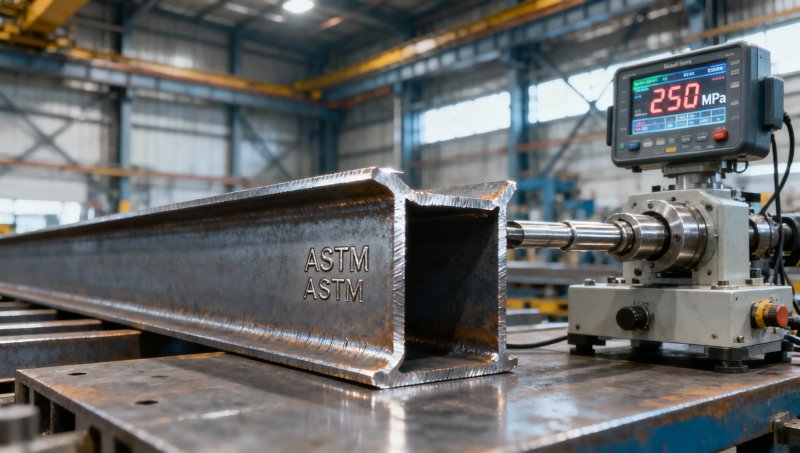
Why Angle Steel Quality Varies—and How to Mitigate It
Variability stems from three interlocking variables: raw material sourcing (scrap vs. virgin billets), rolling mill calibration frequency, and final inspection rigor. Scrap-based melts introduce unpredictable tramp elements (Sn, As, Sb) that embrittle grain boundaries. At Hongteng Fengda, we source primary billets exclusively from ISO 9001-certified mills and conduct OES spectrographic analysis on every heat—monitoring 22 elements including residual Cu (<0.20%), Ni (<0.25%), and Cr (<0.30%) to prevent hot shortness.
Moreover, our rolling stands are recalibrated every 72 hours using laser interferometry, reducing angular deviation drift. Final QA includes dimensional checks with coordinate measuring machines (CMM), hardness mapping across flange-to-web transitions, and salt-spray testing (ASTM B117) for coated variants. This multi-layered approach explains why clients across North America, the Middle East, and Southeast Asia consistently cite reduced rework rates and fewer field fit-up issues—even when specifying tight-tolerance angles for prefabricated power substations or automated warehouse racking systems.
Whether you’re evaluating a steel round bar supplier in USA, comparing steel square rod for construction projects, or seeking a reliable galvanized steel sheet supplier in USA, Hongteng Fengda delivers certified structural steel backed by verifiable data—not just documentation. Our integrated quality system bridges specification intent with real-world performance, turning complex procurement decisions into predictable outcomes. How to buy angle steel from China becomes straightforward when partners share your commitment to engineering integrity. Get expert guidance on ASTM-compliant high strength steel angle for industrial use—contact Hongteng Fengda today for customized mill test reports, sample validation, and logistics-ready quotations.
- l angle
- angle steel
- galvanized steel electrical conduit
- a36 angle
- ASTM A572
- ASTM standards
- ASTM standard
- galvanized steel
- ASTM A36
- structural steel
- steel beams
- Structural Steel
- Steel Beams
- why angle steel quality varies
- structural steel lifespan and maintenance
- common defects in steel beams and solutions
- how to buy angle steel from China
- MOQ requirements for structural steel orders
- ASTM A36 Angle Steel price per ton in Philippines
- S355JR
- Galvanized
- Steel Beam
- steel angle
- high strength steel angle for industrial use
Related recommendations
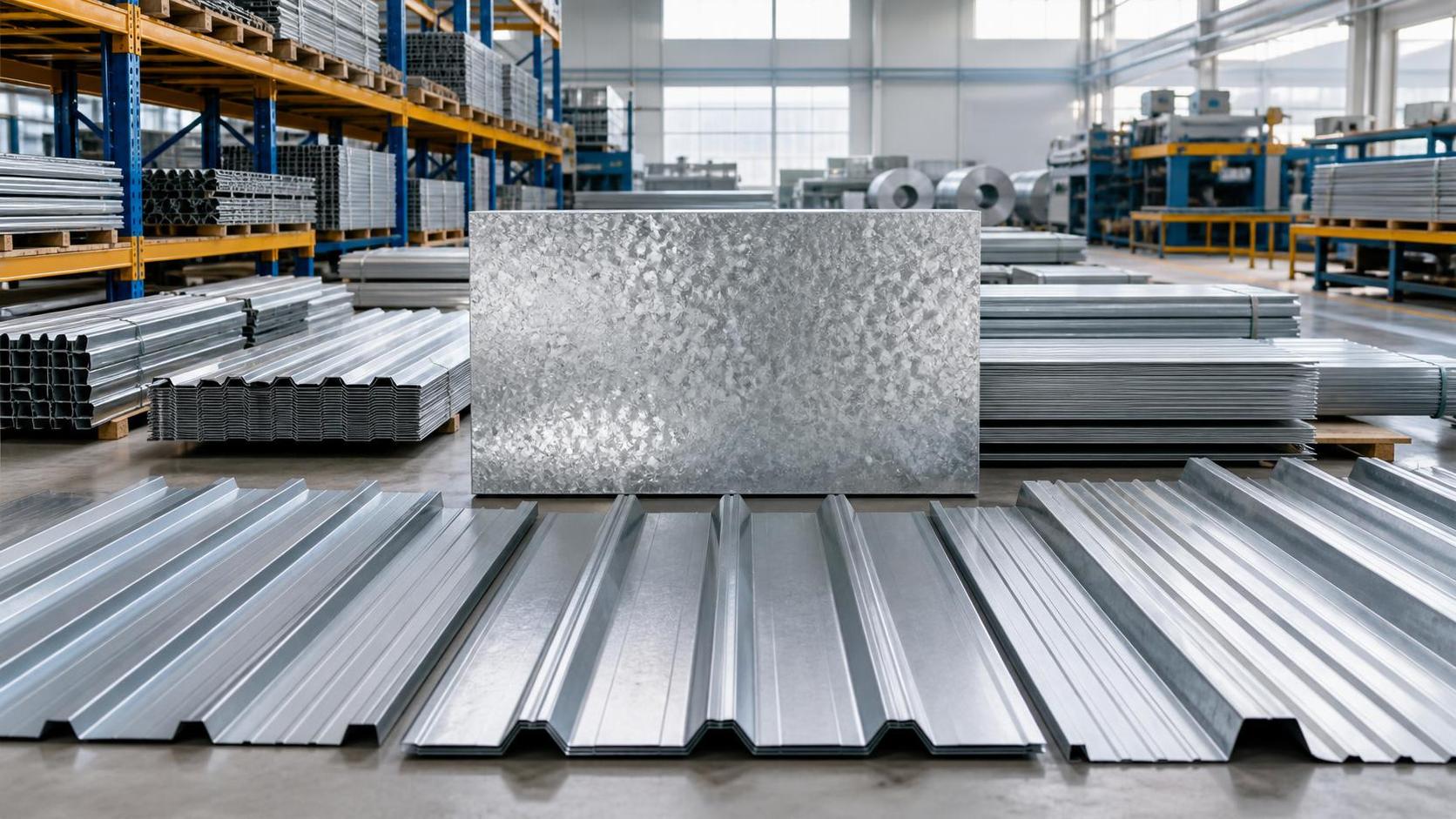
 How to Judge if Steel Sheet for Construction Fits Roofing or Wall CladdingSteel sheet for construction: learn how to judge thickness, coating, profile, and load performance for roofing or wall cladding, and choose a durable, cost-effective fit.
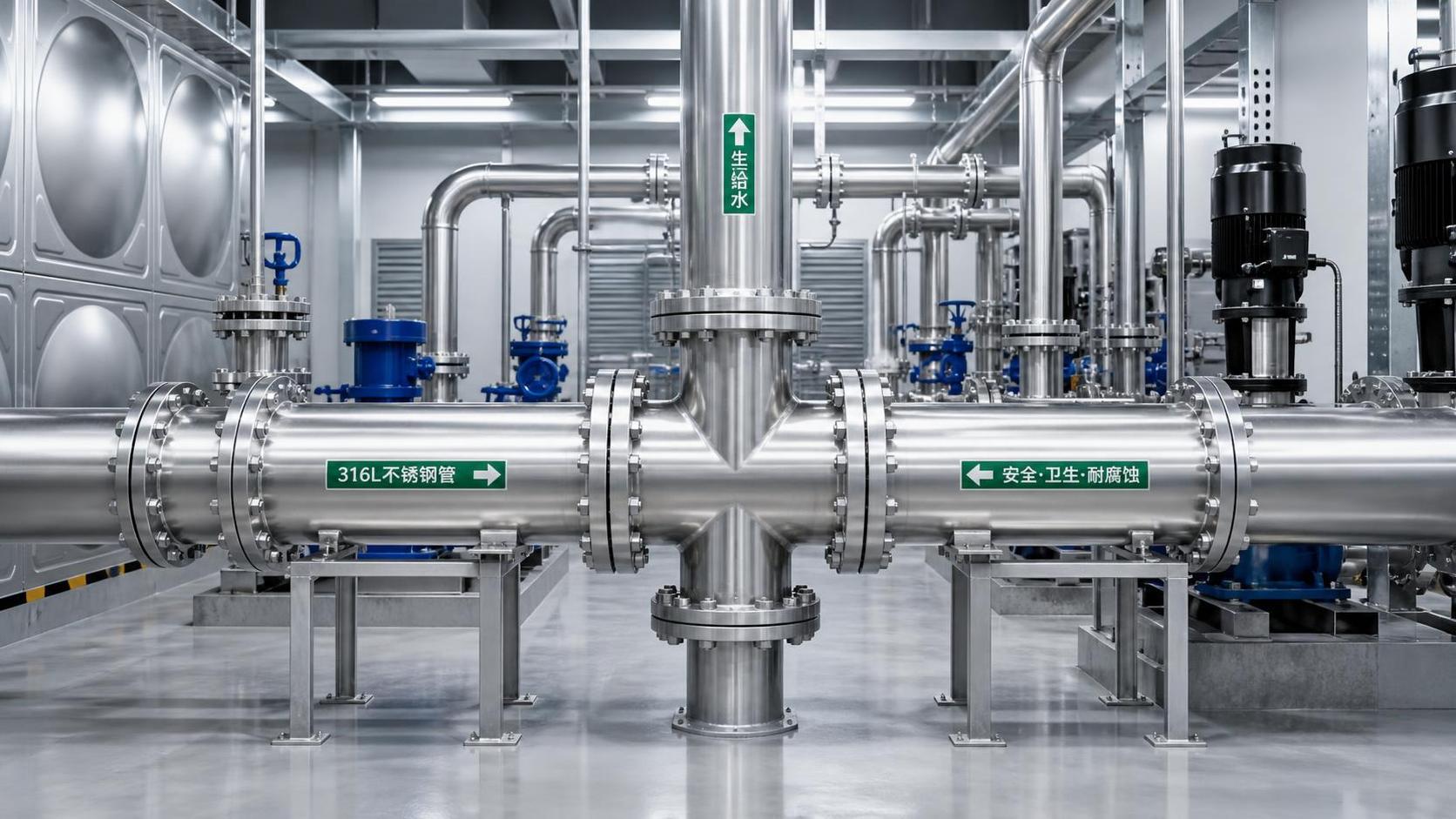
 How to Choose SS Pipe for Water Supply in Corrosion-Prone BuildingsSS pipe for water supply selection guide for corrosion-prone buildings. Compare 304 vs 316 grades, water chemistry, specs, and lifecycle cost to choose a safer, longer-lasting system.
 Steel Wire Rope Manufacturer Standards That Matter in Lifting ApplicationsSteel wire rope manufacturer standards for lifting: learn how to assess traceability, testing, compliance, and real quality control before choosing a safer, more reliable supplier.
 When a Steel Channel Supplier Should Provide Mill Test CertificatesSteel Channel supplier guide on when mill test certificates should be provided for quality control, compliance, and safer procurement.
Please give us a message


Please enter what you want to find