As global infrastructure projects accelerate toward 2026—especially in North America, Europe, and the Middle East—specifiers and project managers are prioritizing long-term durability over short-term savings. Galvanized metal tubing, galvanized industrial pipe, and industrial galvanised pipe deliver unmatched corrosion resistance for harsh environments, while galv steel conduit and electrical galvanized conduit ensure safety and compliance in power and data systems. Unlike black steel plumbing pipe or metal pipe black, galvanised steel tubes offer proven lifecycle advantages. At Hongteng Fengda, a leading structural steel manufacturer & exporter from China, we supply ASTM/EN-certified galvanized metal tubing with precision zinc coatings—engineered for reliability, regulatory compliance, and total cost control.
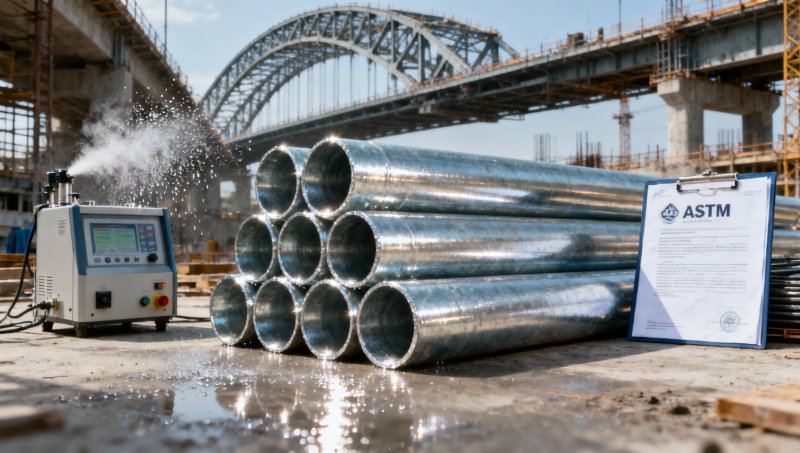
What Makes Galvanized Metal Tubing Critical for 2026 Infrastructure?
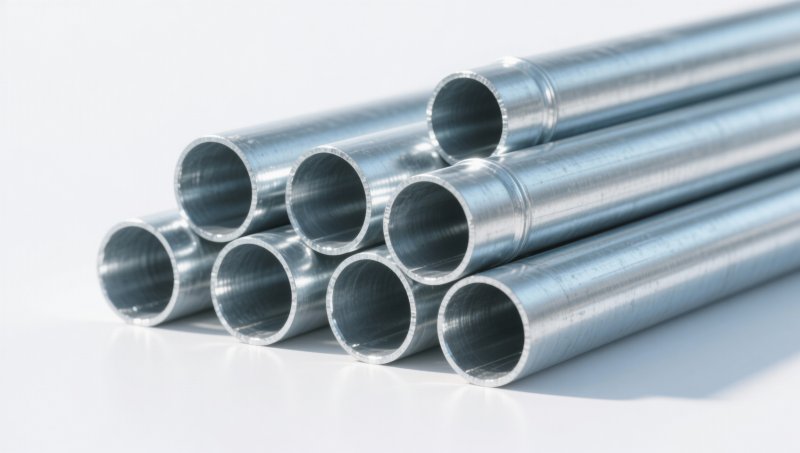
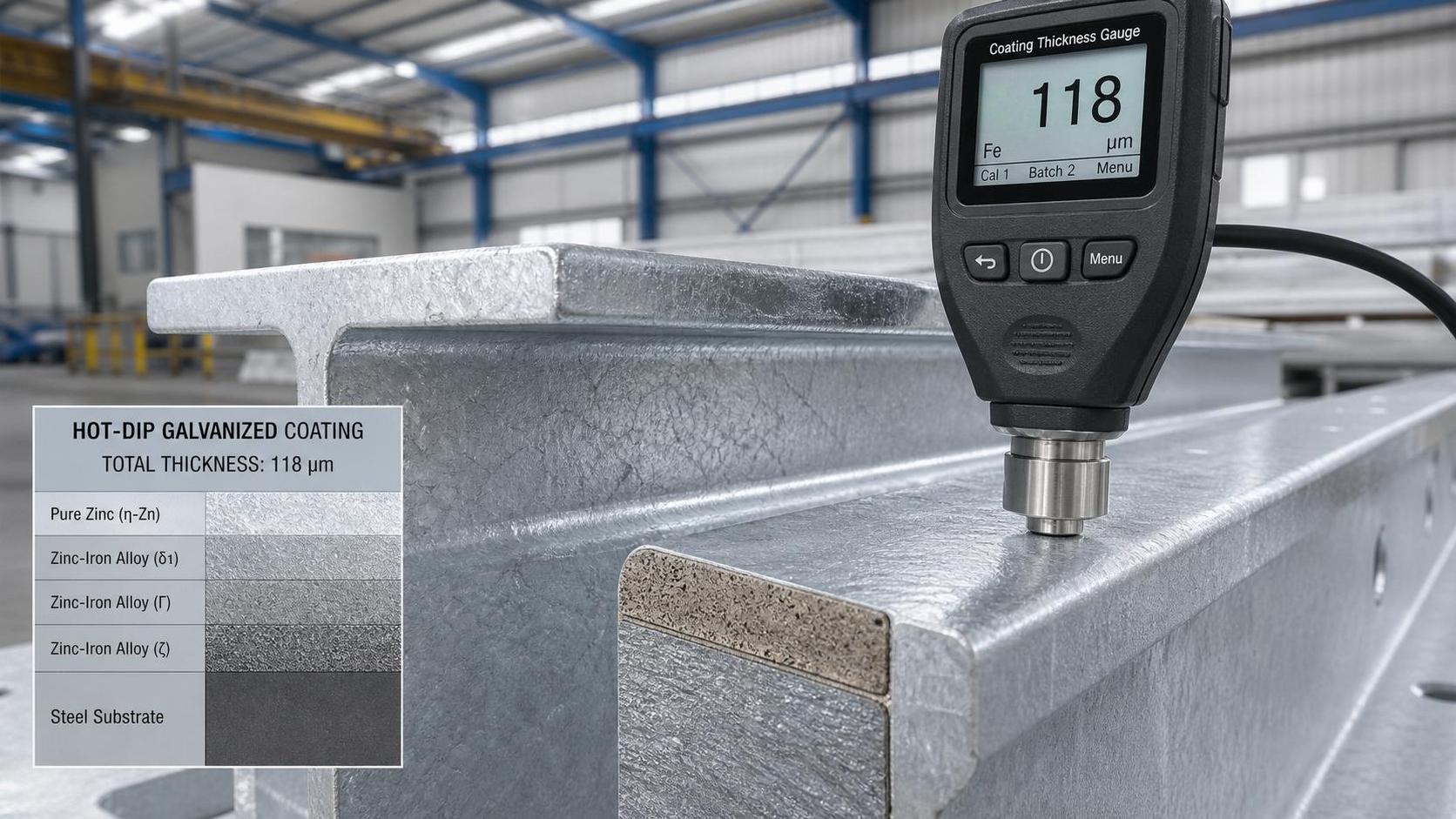
Galvanized metal tubing is steel tubing coated with a protective layer of zinc via hot-dip galvanization—a process that metallurgically bonds zinc to the base steel surface. This creates a durable, abrasion-resistant barrier that inhibits oxidation even under prolonged exposure to moisture, salt spray, UV radiation, and industrial pollutants. For infrastructure projects scheduled for commissioning between Q3 2025 and Q4 2026—particularly bridges, transit hubs, coastal utilities, and modular industrial facilities—the expected service life must exceed 30 years without major recoating or replacement.
Unlike painted or epoxy-coated alternatives, hot-dip galvanized tubing maintains integrity across thermal cycles (−40°C to +65°C), resists mechanical damage during installation, and self-heals minor scratches through zinc’s sacrificial anode behavior. In accelerated corrosion testing per ASTM B117, standard 85–120 g/m² zinc coatings on structural-grade tubing withstand ≥1,500 hours before red rust appears—equivalent to ~15–20 years in moderate inland climates and ~8–12 years in aggressive coastal or de-icing salt environments.
For procurement teams evaluating risk-adjusted TCO (Total Cost of Ownership), galvanized metal tubing reduces lifetime maintenance frequency by up to 70% compared to untreated carbon steel. That translates directly into lower labor, scaffolding, and traffic disruption costs—critical for urban renewal and high-visibility public works.
Where Does Corrosion Resistance Directly Impact Project Outcomes?
Corrosion resistance isn’t just about longevity—it’s a determinant of structural integrity, safety compliance, and schedule adherence. In North American bridge rehabilitation projects, for example, 62% of premature failures cited by FHWA (2023) were linked to inadequate corrosion protection at connection points—especially where galvanized tubing interfaces with concrete anchors or dissimilar metals. Similarly, EN 1993-1-10 mandates specific corrosion allowance calculations for exposed steel elements in Class C5-I (industrial) and C5-M (marine) environments—requiring minimum 85 g/m² coating mass for components subject to cyclic loading.
Key application clusters demanding certified galvanized tubing include:
- Modular building frames and roof purlins—where Z-beam profiles integrate with galvanized tubular bracing for lightweight yet resilient load paths;
- Electrical raceways and telecom conduits—requiring UL 6, CSA C22.2 No. 13, and IEC 61386 certification for fire-rated installations;
- Offshore platform support structures—exposed to chloride-laden atmospheres with design life targets of 25+ years;
- Municipal water and wastewater conveyance—subject to internal erosion-corrosion and external soil resistivity variations (typically 500–2,000 Ω·cm).
In each case, failure to specify verified galvanizing—not just “galvanized finish”—leads to non-compliance, rejected inspections, and costly field rework. Hongteng Fengda’s galvanized metal tubing undergoes third-party thickness verification (per ASTM A123/A123M), adhesion testing, and batch traceability to mill heat number—ensuring full audit readiness.
How to Evaluate Galvanized Tubing Suppliers: 5 Non-Negotiable Checks
Procurement professionals and project engineers must move beyond price-per-ton when sourcing galvanized metal tubing. Here’s what to verify—before issuing POs or approving shop drawings:
Additional checks include salt-spray test reports (≥1,200 hrs), bend test results (no flaking after 180° wrap), and documentation of pre-galvanizing surface prep (e.g., acid pickling + fluxing). We provide full compliance dossiers—including CE marking, SGS test certificates, and BV inspection reports—for every export shipment.
Why Global Buyers Choose Hongteng Fengda for Galvanized Structural Solutions
Hongteng Fengda isn’t just a supplier—we’re a structural steel partner embedded in your project lifecycle. With ISO 9001-certified production lines, dual-standard compliance (ASTM + EN), and dedicated R&D for cold-formed galvanized profiles, we help you mitigate three core risks:
- Sourcing volatility: Fixed capacity allocation guarantees ≤12-week lead times for standard galvanized metal tubing—even during Q4 peak demand;
- Specification drift: Our engineering team co-reviews drawings to confirm compatibility between galvanized tubing, Z-beam purlins, and anchoring systems—preventing clashes before fabrication;
- Compliance gaps: We pre-validate certifications against destination-market requirements (e.g., UL listing for U.S. electrical conduit, CE DoP for EU construction products).
Whether you need 20 tons of 60×40×3 mm galvanized rectangular tubing for a solar farm support structure—or custom-engineered galvanized Z-beam assemblies with perforated mounting zones—we deliver consistent quality, full traceability, and responsive technical support across time zones.
Ready to align your 2026 infrastructure specifications with proven corrosion resilience? Contact our team today for: detailed zinc coating reports, dimensional validation samples, EN/ASTM compliance documentation, or a customized quote with delivery timeline and port-of-discharge options.
- metal pipe black
- black steel plumbing pipe
- electrical galvanized conduit
- galv steel conduit
- industrial galvanised pipe
- galvanised steel tubes
- galvanized industrial pipe
- galvanized metal tubing
- steel tubing
- hot-dip galvanized
- structural steel
- Structural Steel
- Profile
- Z-beam
- Galvanized
- carbon steel
- steel conduit
- steel tube
Related recommendations
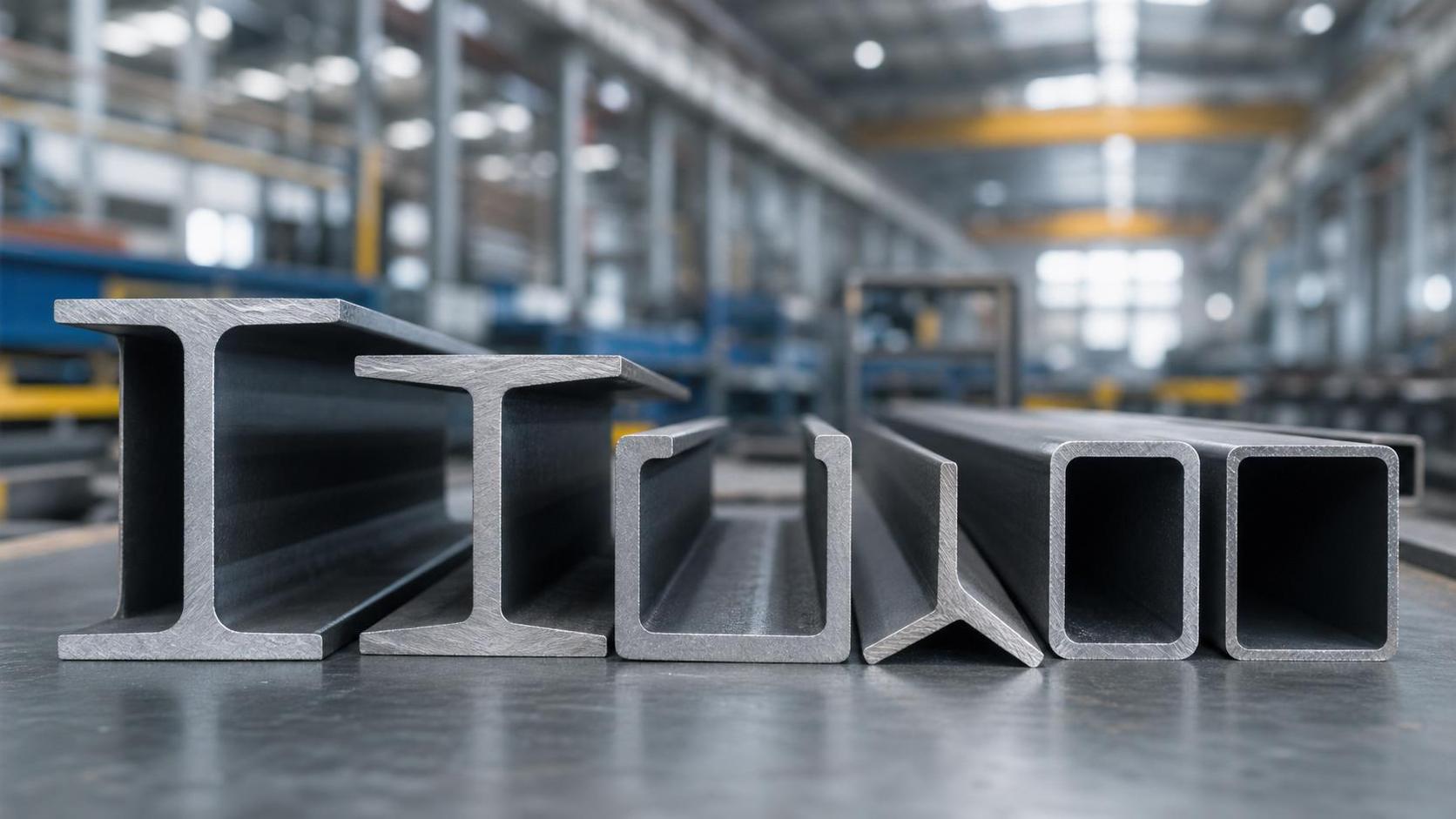
 What Is a Steel Profile? Common Shapes, Uses, and Selection BasicsProfile selection starts with shape, but performance depends on load, fabrication, and standards. Learn common steel profile types, uses, and smart selection basics.
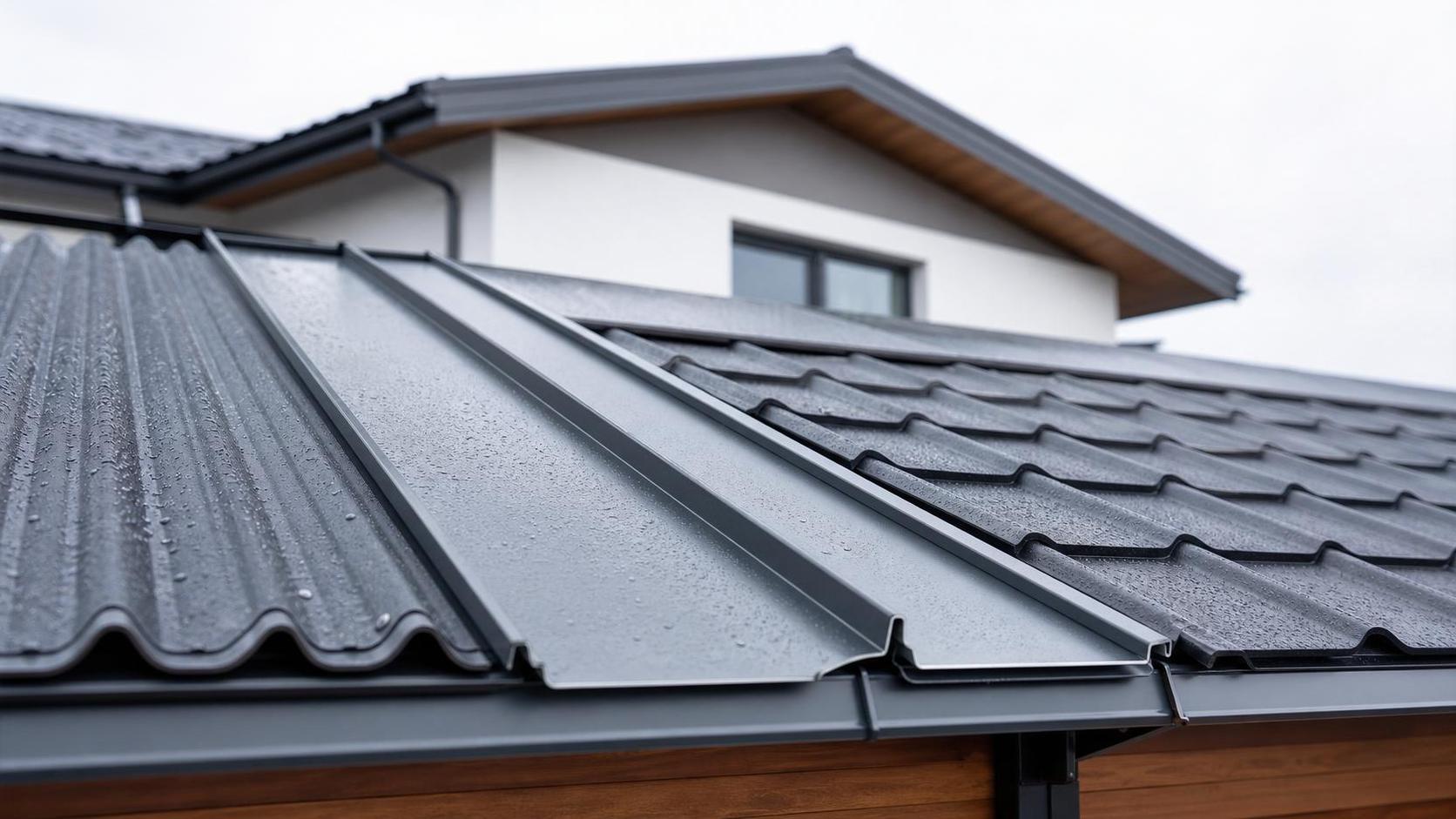
 Steel Roofing Types Explained: Corrugated, Standing Seam, and Metal ShinglesSteel Roofing guide comparing corrugated panels, standing seam, and metal shingles. Discover costs, durability, weather performance, and how to choose the best roof for your home.
 How Hot-Dip Galvanized Coating Thickness Affects Service LifeHot-dip galvanized coating thickness directly affects steel service life. Learn how the right zinc layer improves corrosion protection, controls cost, and supports smarter project decisions.
 Pipe Stainless Grades Explained: 304 vs 316 for Corrosion ResistancePipe stainless grades explained: compare 304 vs 316 for corrosion resistance, cost, and service life. Learn which stainless pipe grade fits marine, chemical, and water system applications.
Please give us a message


Please enter what you want to find