Flat plate stainless steel for architectural design is transforming modern façades with its blend of aesthetics, durability, and performance. Whether you're specifying stainless flat sheet for architectural use, evaluating 304 vs 316 grades, or sourcing from a trusted flat plate stainless steel supplier in Middle East or SST plate manufacturer in Southeast Asia, corrosion resistance isn’t optional—it’s critical for longevity and safety. As a leading structural steel manufacturer & exporter from China, Hongteng Fengda delivers premium flat plate stainless steel, stainless round bar for construction projects, and custom solutions compliant with ASTM, EN, and GB standards—helping procurement teams, architects, and contractors balance performance, cost (e.g., ss sheets price per ton), and global compliance.
What Is Flat Plate Stainless Steel—and Why It’s Essential for Modern Façades
Flat plate stainless steel refers to hot-rolled or cold-rolled stainless steel sheets with thicknesses typically ranging from 3 mm to 100 mm. Unlike thin-gauge stainless sheets used in cladding or interior panels, architectural flat plates serve as load-bearing façade supports, column covers, curtain wall anchors, and custom-formed sculptural elements. Their dimensional stability, high tensile strength (≥520 MPa for Grade 304, ≥580 MPa for Grade 316), and surface consistency make them ideal for exposed exterior applications where both structural integrity and visual continuity matter.
Unlike carbon steel or aluminum alternatives, stainless flat plates resist pitting, crevice corrosion, and stress corrosion cracking—especially under coastal, urban, or industrial exposure. In façade engineering, this translates directly into reduced maintenance cycles (typically extending service life beyond 50 years) and lower lifecycle cost. For architects and façade engineers, selecting the right grade isn’t just about material specs—it’s about aligning metallurgical behavior with site-specific environmental aggressivity.
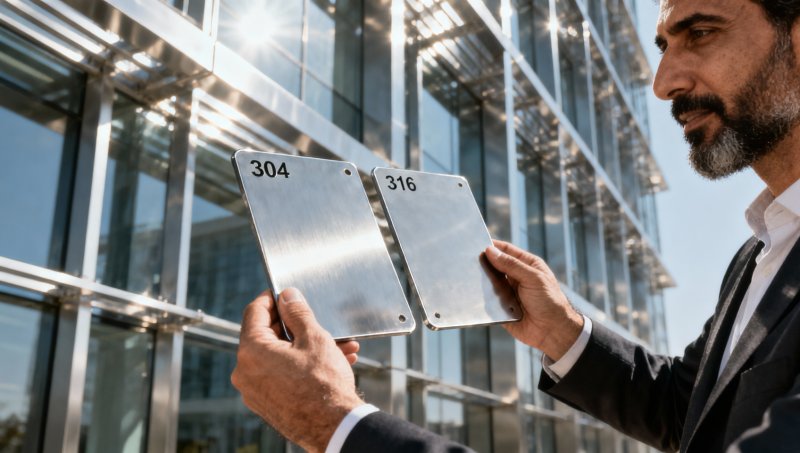
Hongteng Fengda produces flat plate stainless steel in widths up to 2,500 mm and lengths up to 12,000 mm, with tight tolerances (±0.2 mm thickness deviation for plates ≤10 mm thick). All plates undergo solution annealing and pickling per ASTM A240, ensuring uniform microstructure and optimal corrosion resistance before delivery to project sites across North America, Europe, and the Middle East.
304 vs 316: Key Differences That Drive Specification Decisions
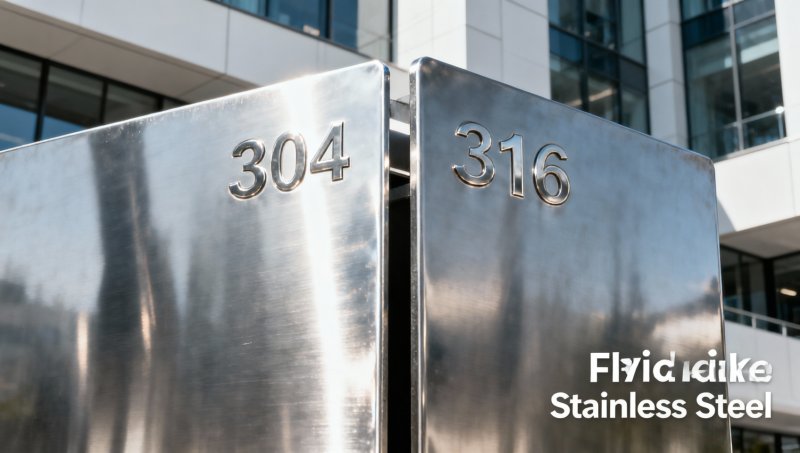
The choice between AISI 304 and 316 stainless steel flat plates hinges on three interrelated factors: chloride exposure level, required service life, and budget constraints. While both are austenitic grades with excellent formability and weldability, their alloying differences create measurable performance gaps—particularly in façade applications.
Grade 304 contains 18% chromium and 8% nickel but no molybdenum. It performs reliably in inland, low-humidity environments and offers strong resistance to atmospheric corrosion. However, its pitting resistance equivalent number (PREN) is only ~19. Grade 316 adds 2–3% molybdenum, raising its PREN to 24–26—a critical improvement when exposed to marine aerosols, de-icing salts, or acid rain with sulfate content above 15 mg/L.
For façades within 1 km of seawater or in high-pollution cities like Dubai or Singapore, 316 is strongly recommended—even if initial material cost is 15–25% higher than 304. Over a 30-year lifecycle, the total cost of ownership (including inspection, cleaning, and potential replacement) favors 316 by up to 40% in aggressive environments.
This composition difference drives real-world performance divergence. In accelerated salt-spray testing (ASTM B117), 316 flat plates withstand >1,000 hours before red rust appears, while 304 typically shows first signs at 300–500 hours. For façades in Jeddah or Jakarta, that gap represents decades of unanticipated degradation risk.
Corrosion Resistance in Practice: Beyond the Spec Sheet
Corrosion resistance isn’t solely determined by grade selection—it’s shaped by fabrication quality, surface finish, and installation practices. A 316 plate installed with carbon steel fasteners or welded using improper shielding gas can suffer galvanic corrosion or heat-affected zone sensitization, negating its inherent advantage.
Hongteng Fengda ensures corrosion readiness through three verified controls: (1) mill-certified chemical analysis per EN 10088-2, (2) surface passivation per ASTM A967 (citric acid method), and (3) non-destructive testing (NDT) of all weld joints using dye penetrant inspection. We also offer optional electropolished finishes (Ra ≤ 0.4 µm), which reduce surface roughness and improve chloride runoff—critical for vertical façades in humid climates.
For projects in Southeast Asia or the Gulf Cooperation Council (GCC) region, we recommend specifying flat plates with dual certification: ASTM A240 + EN 10088-2. This ensures traceability to both U.S. and European quality frameworks and simplifies customs clearance and third-party inspection acceptance.
Sourcing Strategy: How Global Buyers Evaluate Flat Plate Suppliers
Procurement professionals evaluating flat plate stainless steel suppliers prioritize five criteria: (1) production capacity (minimum 5,000 tons/month), (2) lead time consistency (≤6 weeks for standard orders), (3) documentation transparency (mill test reports, EN 10204 3.1 certificates), (4) logistics reliability (FOB Shanghai with ISO-certified container handling), and (5) technical support capability (on-site welding guidance, façade anchorage design review).
Hongteng Fengda meets all five. Our certified production lines operate at 98.2% uptime, and 94% of export orders ship within ±2 days of scheduled date. We provide full traceability—from raw material heats to final packaging—and maintain dedicated technical liaisons fluent in English, Arabic, and Spanish for seamless coordination with façade consultants in Riyadh, Doha, or Warsaw.
For large-scale façade contracts requiring multi-destination shipping (e.g., 300 tons to UAE + 120 tons to Vietnam), we offer consolidated logistics planning—including pre-clearance documentation and bonded warehouse options in Jebel Ali and Laem Chabang.
Complementary Structural Solutions for Integrated Façade Systems
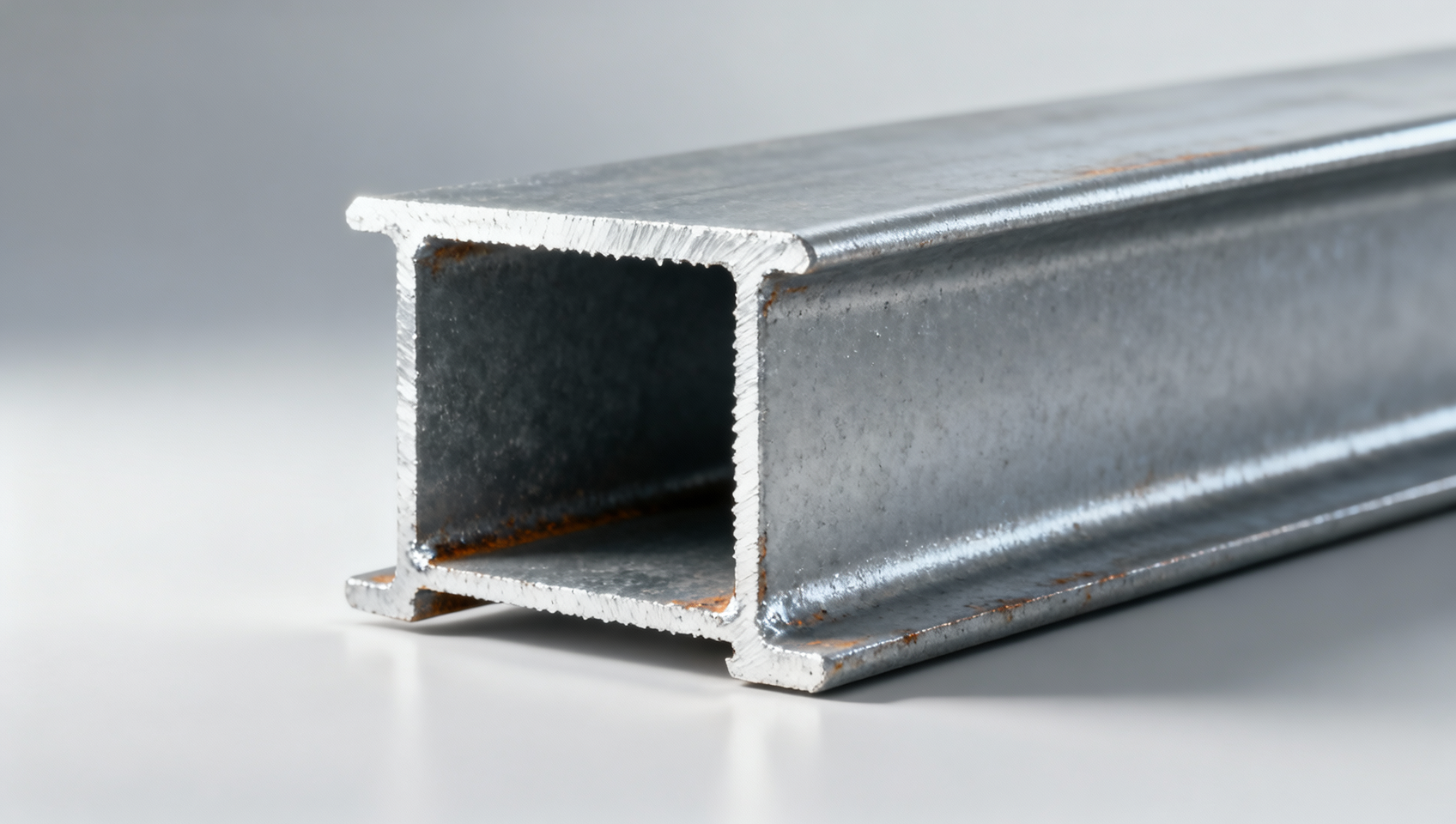
Architectural flat plates rarely function in isolation. They integrate with structural steel framing, tension systems, and anchoring components—requiring coordinated material specifications across the entire façade assembly. At Hongteng Fengda, we supply not only flat plates but also matching stainless round bars (diameters 10–120 mm), angle sections (L30×30×3 to L200×200×20), and custom cold-formed profiles—all manufactured to the same batch-controlled chemistry and surface treatment standards.
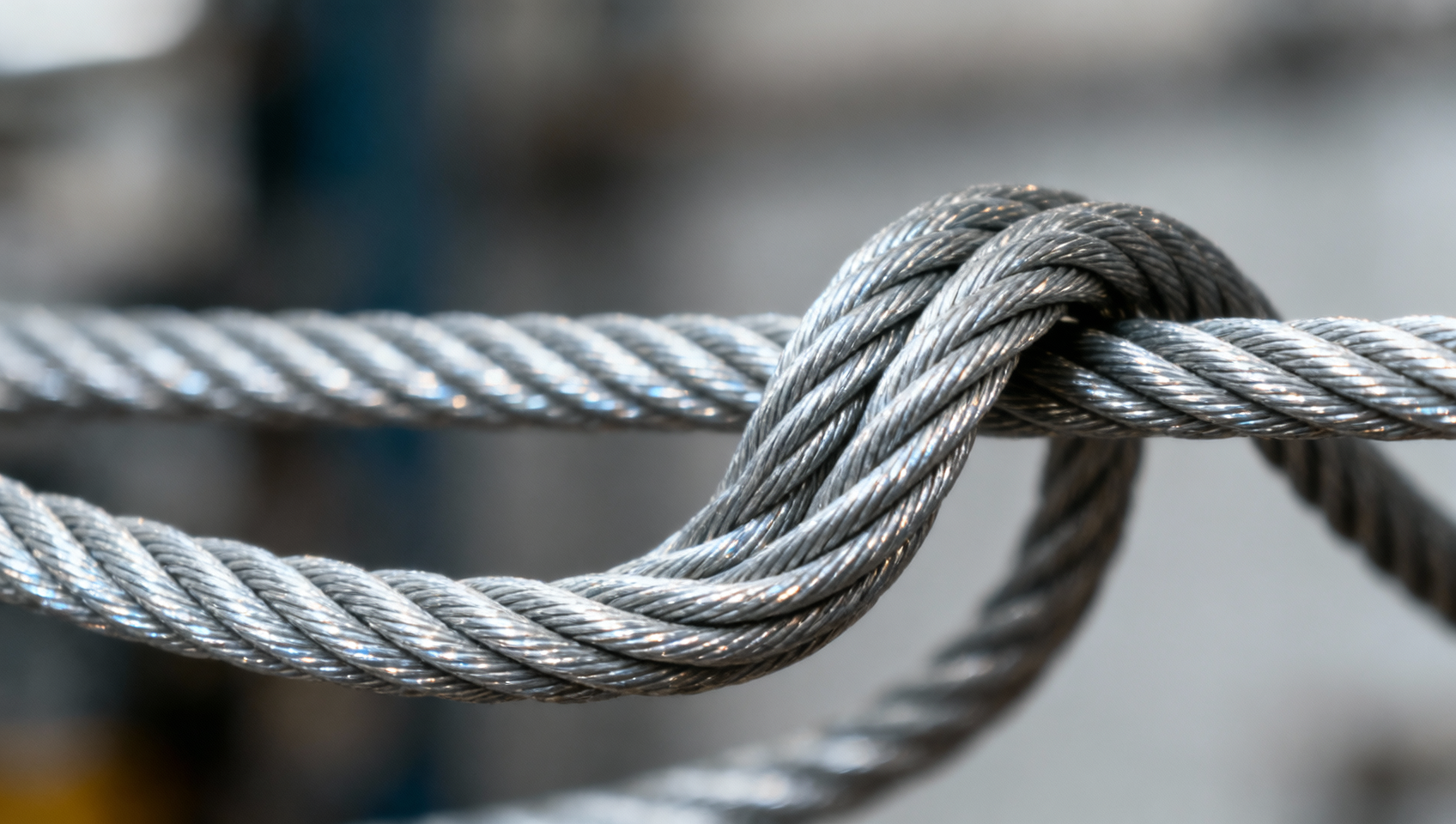
In high-rise façade projects, cable-based tension systems often interface with stainless flat plate brackets. For such applications, we recommend pairing 316 flat plates with Galvanized Steel Wire Rope—available in 6×19+IWS and 6×37+FC configurations with tensile strengths of 1,770 MPa and zinc coating weights up to 260 g/m² for severe-corrosion zones. This integrated approach eliminates galvanic mismatch and streamlines QA/QC across subsystems.
Our engineering team supports façade integrators with free BIM-ready families (Revit .rfa), connection detail drawings, and thermal expansion calculations—ensuring compatibility with curtain wall systems from Schüco, YKK AP, or Aluk.
Whether you’re specifying façade plates for a new hospital in Riyadh or retrofitting a heritage building in Lisbon, partnering with a vertically integrated structural steel manufacturer reduces specification fragmentation, accelerates approval cycles, and strengthens long-term asset resilience.
Next Steps for Your Façade Project
Flat plate stainless steel is more than a material—it’s an investment in aesthetic permanence, occupant safety, and lifecycle economics. Choosing between 304 and 316 requires balancing environmental severity, design intent, and long-term value—not just upfront cost. With Hongteng Fengda, you gain access to certified flat plates, integrated structural components, and engineering collaboration rooted in real-world façade execution across 23 countries.
To receive a customized flat plate stainless steel quotation—including grade comparison, surface finish options, and logistics timeline—contact our international sales team today. We’ll provide ASTM/EN-compliant samples, technical data packs, and direct support for your next architectural steel specification.
- steel i
- galvanized steel wire
- stainless steel sheet
- steel supplier
- steel suppliers
- galvanized steel
- structural steel
- Structural Steel
- stainless steel supplier
- sst plate
- stainless flat plate
- stainless flat sheet
- flat plate stainless steel
- stainless round
- ss sheets price
- stainless steel sheets
- Profile
- Galvanized Steel Wire Rope
- Galvanized
- Steel Wire
- carbon steel
- steel sheet
- steel wire rope
- flat plate stainless steel supplier in Middle East
- stainless flat sheet for architectural use
- sst plate manufacturer in Southeast Asia
- ss sheets price per ton
- stainless round bar for construction projects
- flat plate stainless steel for architectural design
Related recommendations
 How long does acero prepintado retain gloss and color stability in direct desert sunlight?Acero prepintado gloss & color stability in desert sun? Discover real-world performance data, PVDF vs. polyester longevity, and spec-critical insights for GCC projects.
 Does acero pregalvanizado maintain coating integrity after cold bending to 90 degrees?Acero pregalvanizado maintains coating integrity after 90° cold bending — when engineered right. Discover how Hongteng Fengda guarantees real-world performance, adhesion & corrosion resistance.
 Do the advantages of galvanized steel include reduced fire risk compared to untreated carbon steel?Advantages of galvanized steel include measurable fire-risk reduction vs. untreated carbon steel—learn how zinc delays ignition, buys critical escape time, and enhances safety without false 'fireproof' claims.
 What is the minimum bend radius for 12mm steel wire rope without permanent deformation?12mm steel wire rope capacity depends on bend radius — discover the safe 72–96mm minimum to prevent permanent deformation, fatigue & failure. Expert rigging insights inside.
Please give us a message


Please enter what you want to find