Electrical galvanized conduit is more than just protective tubing—it’s a critical compliance component for electrical safety and infrastructure resilience in 2026 and beyond. As global construction and industrial projects tighten regulatory scrutiny—especially under updated IEC, NEC, and GB/T standards—specifying the right galvanized conduit directly impacts project approval, longevity, and risk mitigation. At Hongteng Fengda, a certified structural steel manufacturer and exporter from China, we supply high-strength, hot-dip galvanized electrical conduit meeting ASTM A53, EN 10255, and GB/T 3091, engineered for corrosion resistance, mechanical durability, and seamless integration into structural steel frameworks.
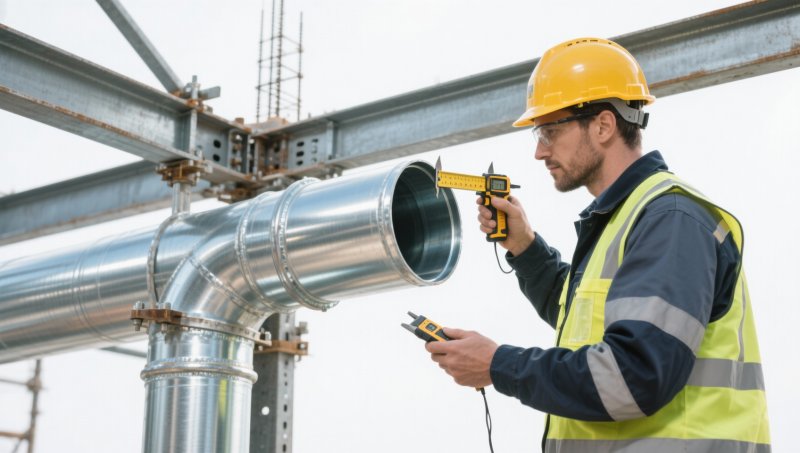
What Is Electrical Galvanized Conduit — Beyond Basic Tubing
Electrical galvanized conduit is a rigid, hollow steel tube coated with a protective zinc layer—typically via hot-dip galvanization—to shield wiring from moisture, abrasion, chemical exposure, and mechanical impact. Unlike PVC or aluminum alternatives, it delivers superior tensile strength (≥370 MPa per ASTM A53), fire resistance (non-combustible Class A rating), and grounding continuity essential for fault current dissipation.
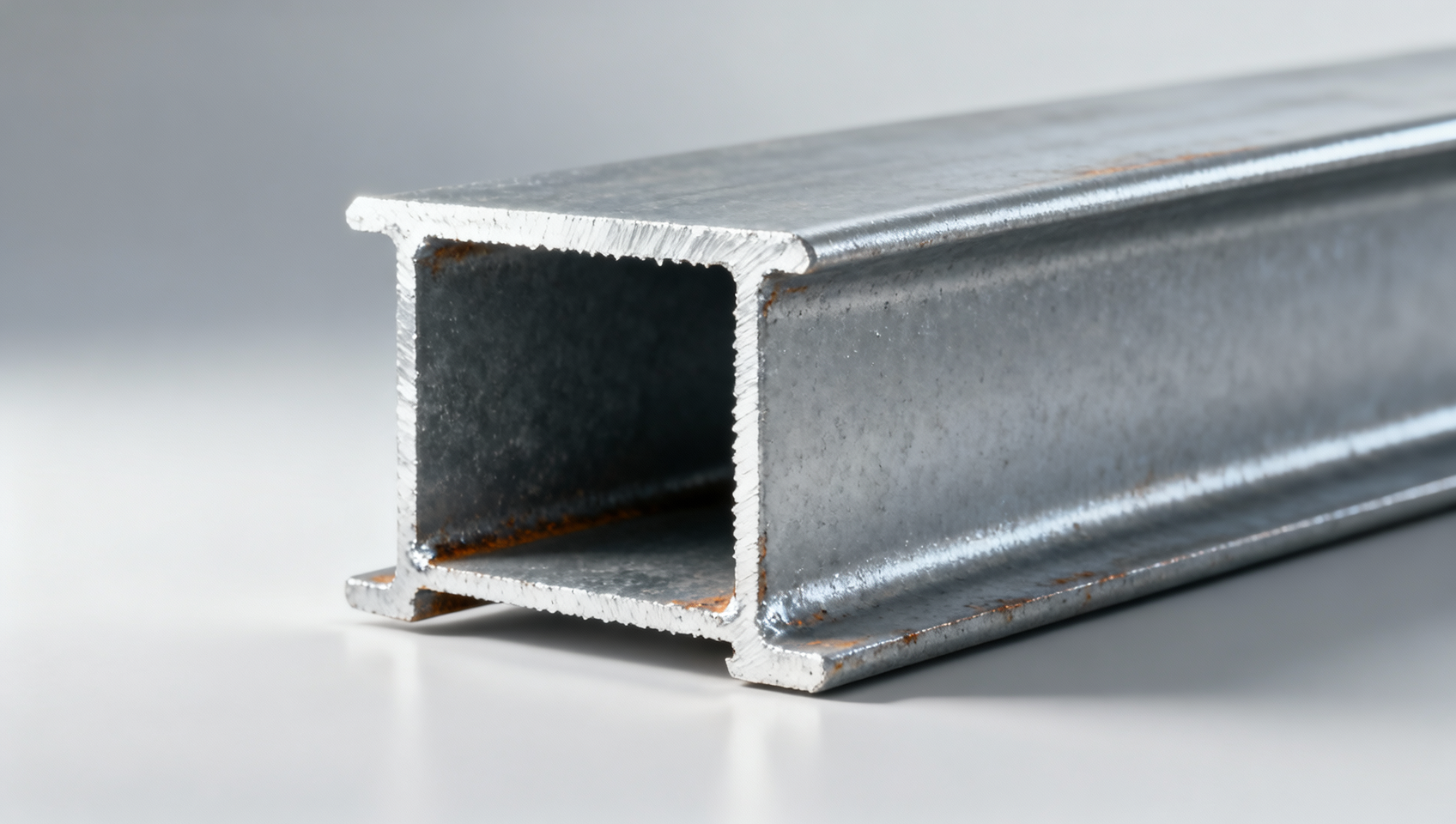
In structural steel applications—such as industrial plant retrofits, offshore platforms, or high-rise MEP frameworks—the conduit isn’t installed in isolation. It’s often welded, bolted, or clamped directly to angle steel, channel sections, or custom-fabricated steel supports. That demands dimensional stability, weldability, and galvanic compatibility—factors where cold-formed or low-carbon galvanized conduit falls short without proper substrate control.
Hongteng Fengda produces conduit from high-purity Q235B and Q355B base steels, ensuring uniform zinc adhesion (minimum 610 g/m² coating mass per EN ISO 1461) and minimal surface spalling during bending or threading. This precision enables field installation tolerance of ±0.3 mm on OD and wall thickness consistency within ±7.5%—critical when interfacing with pre-drilled structural steel frames.
2026 Compliance Drivers: Why Standards Are Tightening
Three major updates converge in 2026: NEC Article 352 now mandates enhanced corrosion testing for outdoor and buried conduits; IEC 61386-21:2025 introduces mandatory salt-spray endurance of ≥1,000 hours for marine-grade installations; and GB/T 3091–2023 expands environmental classification tiers—from Class C2 (moderate indoor) to C5-M (offshore, high-chloride). Non-compliant conduit risks rejection at municipal inspection, insurance non-coverage, or accelerated failure in coastal or industrial zones.
For procurement teams evaluating suppliers, verification goes beyond “galvanized” labeling. Real-world compliance requires documented test reports—not just mill certificates—for coating thickness (measured per ISO 1460), adherence (cross-hatch ASTM D3359), and intergranular corrosion resistance (per ASTM A262 Practice E). Hongteng Fengda provides full traceability: batch-specific SGS-certified test data, including 3-point coating thickness mapping across each 6-meter length.
This multi-layered verification ensures that conduit supplied to North American data centers, Middle Eastern oil & gas terminals, or Southeast Asian industrial parks meets localized enforcement rigor—not just nominal compliance.
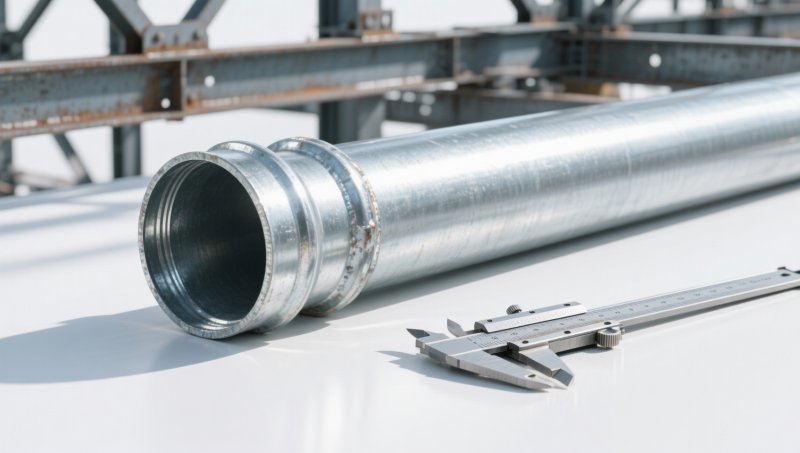
Material Selection Pitfalls & Structural Integration Risks
A common procurement error is selecting conduit based solely on price or zinc weight—ignoring substrate metallurgy. Low-cost ERW tubes made from recycled scrap often contain elevated sulfur (>0.035%) and phosphorus (>0.03%), causing hydrogen-induced cracking during welding to structural steel beams. Hongteng Fengda uses virgin billets with controlled residual elements (S ≤0.020%, P ≤0.025%) and performs ultrasonic testing on 100% of finished lengths.
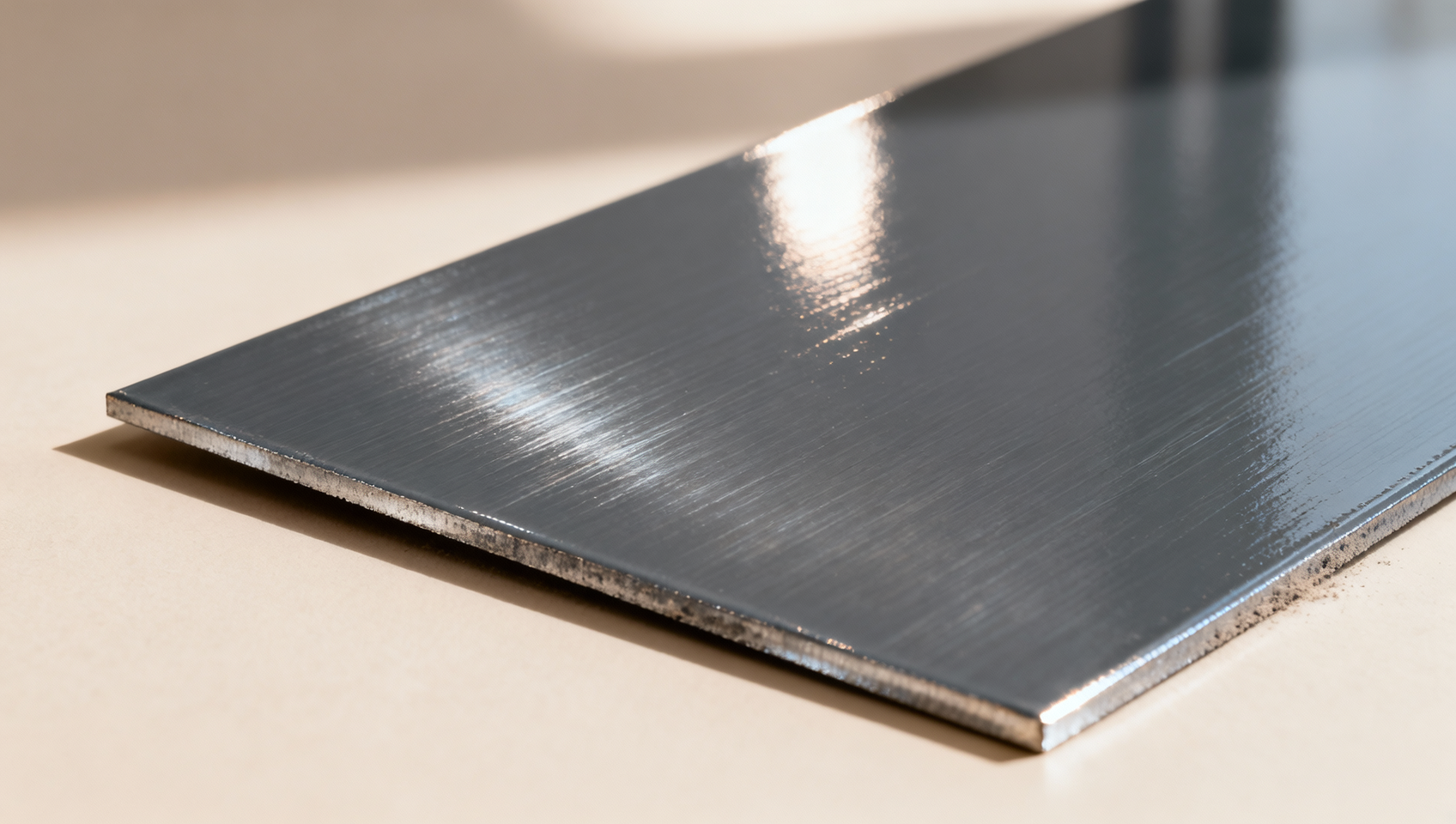
Another hidden risk: thermal expansion mismatch. Standard galvanized conduit (CTE ≈11.7 ×10⁻⁶/°C) paired with stainless steel fasteners (CTE ≈16–18 ×10⁻⁶/°C) can generate micro-movement-induced fatigue in seismic zones. For such cases, we offer hybrid solutions—including conduit systems compatible with 316 Stainless Steel Plate mounting brackets, leveraging molybdenum-enhanced pitting resistance and matched thermal behavior.
Our engineering team supports joint design reviews—providing torque specs for M12–M24 anchor bolts, thermal movement calculations for 30–120 m runs, and weld procedure specifications (WPS) validated per AWS D1.1. Lead time for custom-engineered conduit assemblies is 2–4 weeks, with dimensional QA reports shipped alongside goods.
Procurement Checklist: 6 Must-Verify Items Before Order Placement
- Coating integrity report: Not just “HDG”—request actual thickness readings (μm) at crown, seam, and base, per ISO 1460.
- Substrate certification: Confirm base material grade (e.g., Q355B, not “mild steel”) and tensile/yield test data.
- Dimensional tolerance log: Verify OD/wall variance is ≤±0.3 mm for threaded ends and ≤±0.5 mm for plain ends.
- Thread quality certificate: NPT threads must meet ANSI/ASME B1.20.1—check pitch diameter and truncation compliance.
- Traceability documentation: Each coil lot number must map to raw material heat number, galvanizing bath ID, and final inspection timestamp.
- Logistics readiness: Confirm standard packaging (3–6 m bundles, ISO container-ready) and fumigation compliance for export shipments.
Why Global Buyers Choose Hongteng Fengda for Conduit Supply
We serve over 142 clients across 37 countries—not as a transactional supplier, but as an extension of your engineering and procurement team. Our value lies in eliminating sourcing friction: MOQs start at 2 tons (not 20), lead times are fixed at 25±3 days from PO confirmation, and technical support includes free CAD modeling of conduit routing through complex steel frameworks.
All conduit is produced in our ISO 9001–certified facility in Tianjin, with dual-line hot-dip galvanizing lines capable of handling 6,000 mm lengths and diameters up to 219 mm. Every shipment includes bilingual (English–local language) compliance dossiers—and optional third-party pre-shipment inspection by SGS or BV.
From initial RFQ to site commissioning, Hongteng Fengda reduces compliance uncertainty—so your projects meet 2026 deadlines, not just code checkboxes.
Next Steps: Secure Your 2026-Compliant Supply Chain
Whether you’re specifying conduit for a new LNG terminal in Qatar, upgrading fire alarm cabling in a Berlin high-rise, or sourcing for OEM panel builders in Texas, early engagement ensures alignment on standards, testing, and delivery sequencing. We recommend initiating technical consultation at least 8 weeks before tender submission.
Contact our structural steel application engineers today for a free conduit specification review, dimensional feasibility assessment, or sample kit—including coated cross-sections, thread gauges, and full compliance documentation. Let’s build infrastructure that lasts—not just passes inspection.
- angle steel
- electrical galvanized conduit
- galvanized electrical conduit
- hot-dip galvanized
- structural steel
- steel beams
- structural steel beams
- Structural Steel
- Structural Steel Beams
- Steel Beams
- stainless steel plate
- 316 stainless steel plate
- ss steel plate
- steel plate
- Galvanized
- Steel Beam
- steel tube
Related recommendations
 How long does acero prepintado retain gloss and color stability in direct desert sunlight?Acero prepintado gloss & color stability in desert sun? Discover real-world performance data, PVDF vs. polyester longevity, and spec-critical insights for GCC projects.
 Does acero pregalvanizado maintain coating integrity after cold bending to 90 degrees?Acero pregalvanizado maintains coating integrity after 90° cold bending — when engineered right. Discover how Hongteng Fengda guarantees real-world performance, adhesion & corrosion resistance.
 Do the advantages of galvanized steel include reduced fire risk compared to untreated carbon steel?Advantages of galvanized steel include measurable fire-risk reduction vs. untreated carbon steel—learn how zinc delays ignition, buys critical escape time, and enhances safety without false 'fireproof' claims.
 What is the minimum bend radius for 12mm steel wire rope without permanent deformation?12mm steel wire rope capacity depends on bend radius — discover the safe 72–96mm minimum to prevent permanent deformation, fatigue & failure. Expert rigging insights inside.
Please give us a message


Please enter what you want to find