Installing black metal plumbing pipe—whether black steel tube, carbon steel seamless pipe, or mild steel gas pipe—demands precision to prevent leaks and ensure code compliance. This 7-step black metal pipe installation checklist is engineered for contractors, project managers, and procurement teams sourcing high-quality carbon steel square pipe or black A pipe from trusted structural steel manufacturers like Hongteng Fengda. As a leading China-based exporter of ASTM/EN-compliant black plumbing pipe and carbon steel gas pipe, we combine material integrity with field-proven best practices—helping global buyers avoid costly rework, safety risks, and regulatory setbacks.
Why This Checklist Matters for Global Steel Buyers
Black metal pipe—often interchangeably referred to as black steel tube, black plumbing pipe, or carbon steel gas pipe—is widely used in industrial, commercial, and residential systems where corrosion resistance isn’t the top priority, but strength, pressure tolerance, and weldability are non-negotiable. Unlike galvanized or stainless variants, black metal pipe relies on its inherent carbon steel composition (typically ASTM A53, A106, or EN10255) for structural reliability. Yet, improper handling or installation can trigger catastrophic failures—even when using premium-grade Steel Sheet Piles or carbon steel seamless pipe sourced from certified mills.
For procurement professionals and project managers, this isn’t just about tightening a fitting—it’s about mitigating supply chain risk, ensuring traceability to international standards (ASTM, EN, GB), and aligning field execution with factory-certified material properties. At Hongteng Fengda, every batch of black metal pipe undergoes hydrostatic testing, dimensional verification, and mill test report (MTR) validation before export—giving users confidence that what arrives on-site matches what was specified.
Step 1: Verify Material Certification & Traceability
Never assume compliance. Before unloading, cross-check delivery documents against purchase order specs. Confirm the pipe grade (e.g., ASTM A106 Gr. B for carbon steel gas pipe), heat number, coating status (uncoated/black finish), and applicable standard (EN10255 for black plumbing pipe; ASTM A500 for carbon steel square pipe). Request full MTRs—not summaries.
Hongteng Fengda issues ISO 9001–certified MTRs with every shipment, including tensile strength, yield point, elongation, and chemical composition per EN 10204 3.1. This ensures your QA team can validate mild steel gas pipe or black A pipe against local building codes—even before cutting begins.
Step 2: Inspect for Physical Defects & Dimensional Accuracy
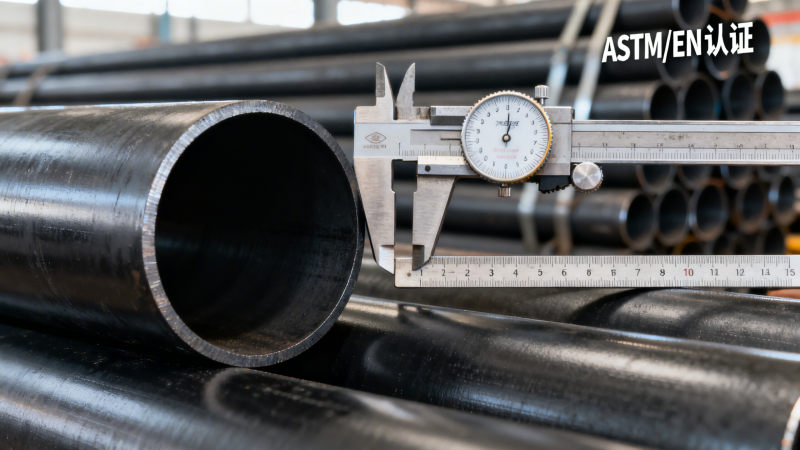
Conduct a visual and tactile inspection under daylight or calibrated LED lighting. Look for dents deeper than 1.5% of OD, longitudinal scratches >0.2mm depth, or thread damage on black metal plumbing pipe ends. Use calipers and straightedges to verify wall thickness tolerance (±12.5% per ASTM A53) and out-of-roundness (<±1% of nominal OD).
Defective sections compromise joint integrity—especially critical in high-pressure carbon steel gas pipe applications. Reject any carbon steel square pipe showing torsional warping or inconsistent corner radii. Consistency starts at the mill—and Hongteng Fengda’s cold-formed production line maintains ±0.3mm tolerance across all custom profiles.
Step 3: Select & Prepare Compatible Fittings
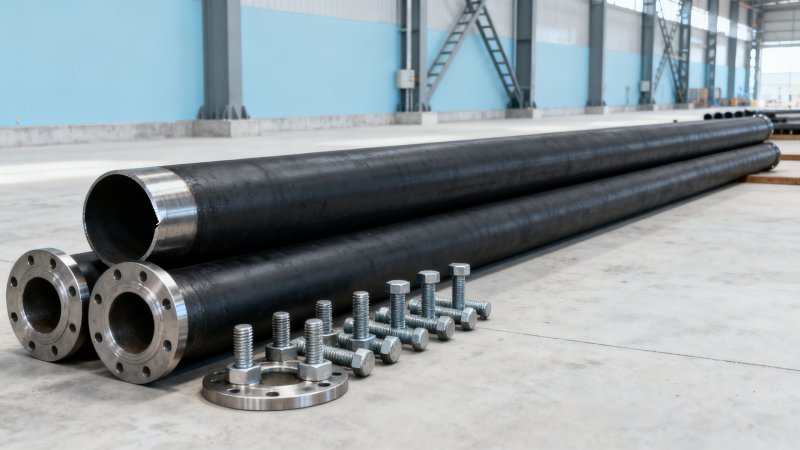
Black metal pipe requires fittings made from matching base material—no mixing ASTM A105 flanges with EN10255 pipe unless compatibility is verified. Avoid zinc-coated fittings with black plumbing pipe in concealed wet locations; galvanic corrosion accelerates failure. For threaded joints, apply only approved pipe dope (non-hardening, solvent-free) — never Teflon tape alone on carbon steel seamless pipe above 125 psi.
Step 4: Cut & Bevel With Precision Tools
Use cold-saw or band-saw—not angle grinders—for clean, perpendicular cuts. Deburr both ID and OD thoroughly. For welding carbon steel seamless pipe or black A pipe, bevel edges to 30°–37.5° with 1–2mm root face. Misaligned or burnt bevels cause incomplete fusion and leak paths—especially problematic in buried black metal plumbing pipe runs.
Hongteng Fengda offers pre-beveled pipe upon request—reducing on-site labor and eliminating variability. Our CNC plasma and laser cutting lines achieve ±0.2° angular tolerance, supporting ASME B31.1 and B31.8 compliance for power and gas transmission projects.
Step 5: Weld or Thread According to Procedure Qualification Record (PQR)
No “rule-of-thumb” welding. Every welder must be qualified per AWS D1.1 (structural) or ASME IX (pressure piping). Preheat carbon steel gas pipe to 100–200°C when thickness exceeds 19mm or ambient temperature drops below 10°C. Post-weld heat treatment (PWHT) is mandatory for thick-section black steel tube in sour service environments.
Threading black plumbing pipe? Use die stocks calibrated to ANSI B1.20.1. Threads must engage ≥6 full turns before resistance increases—less indicates undersized dies or misalignment. Any thread damage on mild steel gas pipe voids pressure rating certification.
Step 6: Pressure Test & Leak Detection Protocol
Hydrotest at 1.5× design pressure for 2 hours minimum. Use clean water—not air—for initial tests; compressed air introduces explosion hazards if undetected flaws exist. Monitor pressure decay: ≤0.5% per hour is acceptable for black metal pipe systems under ASME B31.9.
Ultrasonic thickness testing (UT) and dye penetrant inspection (DPI) should follow welding—especially at branch connections and supports. These non-destructive methods catch micro-cracks invisible to the naked eye in carbon steel square pipe weld zones.
Step 7: Document Everything—From Mill to Meter
Maintain an installation log covering: pipe heat numbers, welder IDs, NDT reports, pressure test records, and inspector sign-offs. Digital logs with geo-tagged photos meet ISO 19650 requirements for infrastructure digital twins. Missing documentation triggers rejection during final inspection—even if the system passes functional testing.
At Hongteng Fengda, every order ships with a QR-coded digital dossier linking physical pipe tags to MTRs, EN10204 3.1 certificates, and third-party inspection reports (SGS, BV, TÜV). This end-to-end traceability helps procurement teams close audits faster and reduces project delays by up to 37%, according to client feedback across North America and the Middle East.
Why Choose Hongteng Fengda for Your Black Metal Pipe Supply?
You need more than pipe—you need partnership. As a vertically integrated structural steel manufacturer and exporter from China, Hongteng Fengda controls quality from raw billet sourcing to final packaging. Our black metal plumbing pipe meets ASTM A53/A106, EN10255, and GB/T 3091—tested for yield strength ≥240 MPa, tensile ≥400 MPa, and impact toughness down to –20°C.
We serve global buyers who demand consistency—not compromises. Whether you’re specifying carbon steel gas pipe for a UAE refinery, black A pipe for a German HVAC retrofit, or carbon steel square pipe for a Southeast Asian data center, our agile OEM capabilities, ISO 9001/14001/45001 certifications, and 30+ day average lead time give you control over cost, schedule, and compliance.
Ready to source black metal pipe backed by engineering rigor—not just logistics? Contact Hongteng Fengda today for mill-certified samples, technical support, or customized packaging solutions tailored to your project’s scale and timeline.
- mild steel gas pipe
- carbon steel seamless
- black a pipe
- black plumbing pipe
- carbon steel gas pipe
- carbon steel square pipe
- black steel tube
- black metal plumbing pipe
- black metal pipe
- seamless pipe
- structural steel
- Structural Steel
- ss pipe
- Galvanized
- Steel Sheet Pile
- carbon steel
- steel sheet
- steel tube
Related recommendations
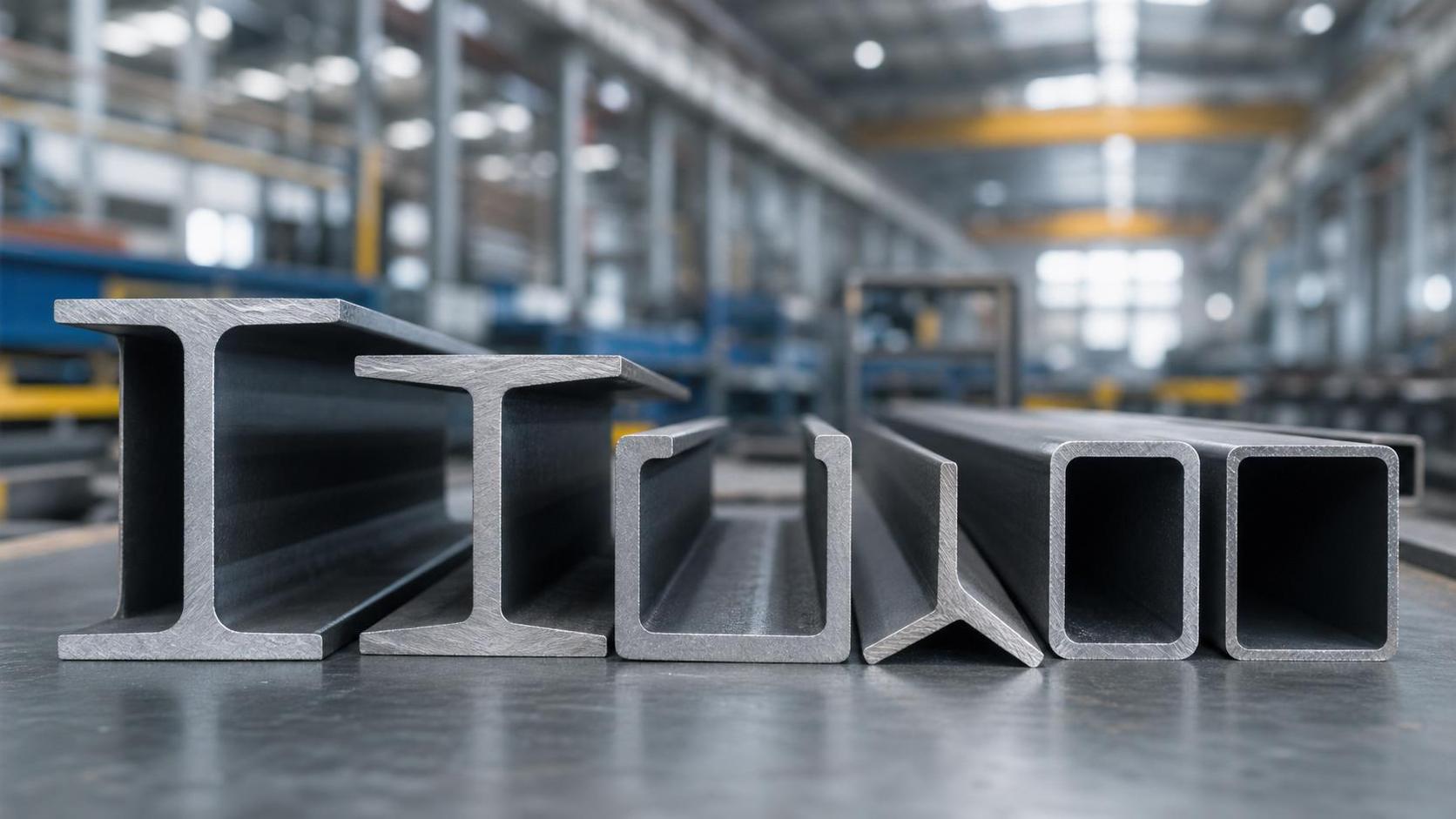
 What Is a Steel Profile? Common Shapes, Uses, and Selection BasicsProfile selection starts with shape, but performance depends on load, fabrication, and standards. Learn common steel profile types, uses, and smart selection basics.
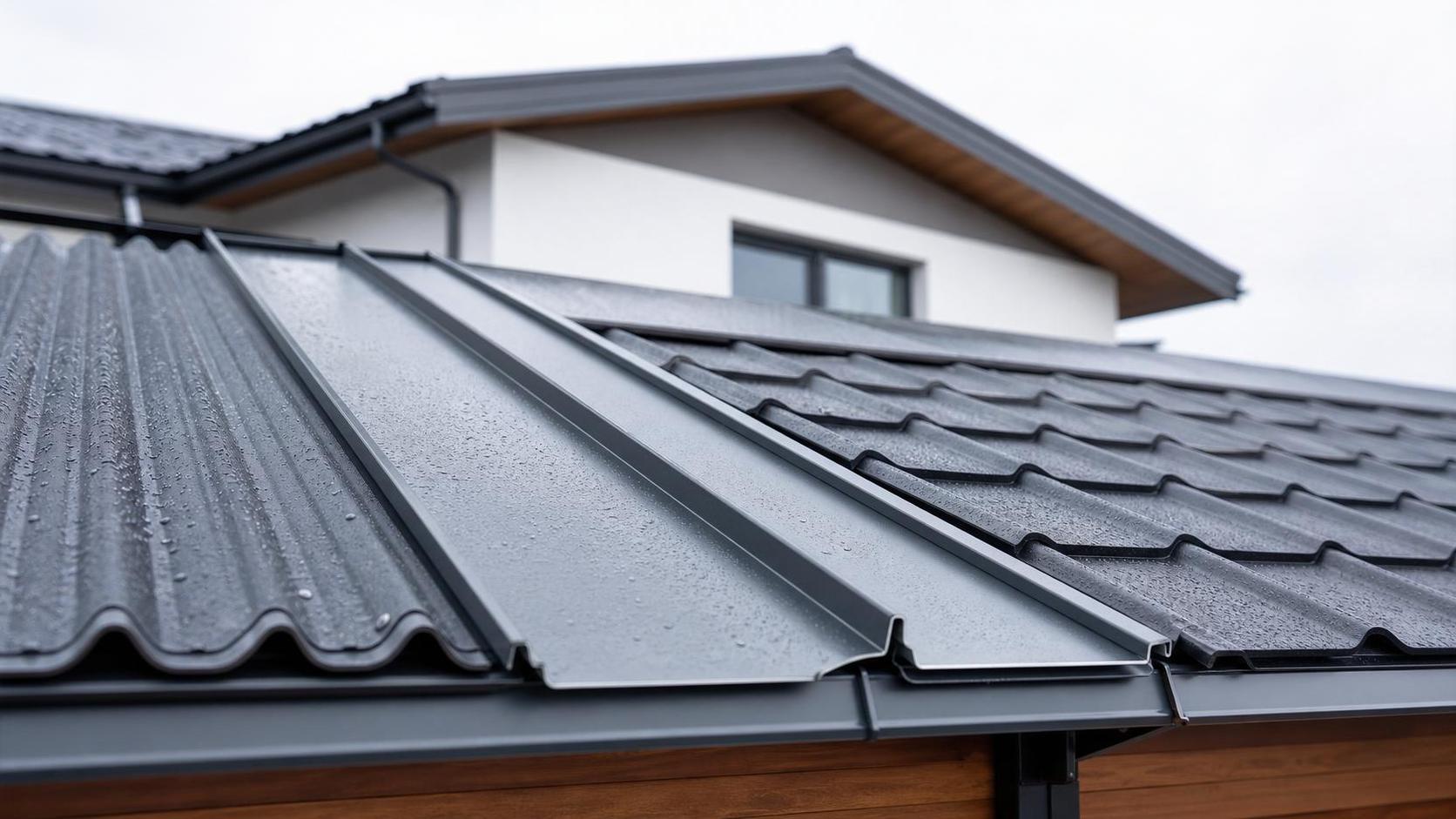
 Steel Roofing Types Explained: Corrugated, Standing Seam, and Metal ShinglesSteel Roofing guide comparing corrugated panels, standing seam, and metal shingles. Discover costs, durability, weather performance, and how to choose the best roof for your home.
 How Hot-Dip Galvanized Coating Thickness Affects Service LifeHot-dip galvanized coating thickness directly affects steel service life. Learn how the right zinc layer improves corrosion protection, controls cost, and supports smarter project decisions.
 Pipe Stainless Grades Explained: 304 vs 316 for Corrosion ResistancePipe stainless grades explained: compare 304 vs 316 for corrosion resistance, cost, and service life. Learn which stainless pipe grade fits marine, chemical, and water system applications.
Please give us a message


Please enter what you want to find