What’s really behind today’s ss sheet 304 price per kg — and why nickel content alone no longer tells the full story? From raw material volatility and energy-intensive production to global trade policies, logistics bottlenecks, and certified quality compliance (ASTM/EN/GB), multiple interlocking factors shape real-time pricing. For procurement professionals, project managers, and steel distributors sourcing 304 stainless steel sheets from China, understanding these drivers is critical to budgeting accuracy and supply chain resilience. As a trusted structural steel manufacturer and exporter, Hongteng Fengda delivers transparent pricing grounded in stable production, rigorous QC, and market-aware logistics — helping global buyers make smarter, data-informed sourcing decisions.
Raw Material Dynamics: Beyond Nickel’s Dominance
While nickel remains the largest cost component—typically accounting for 60–75% of raw material input in 304 stainless steel—it no longer acts in isolation. Chromium (16–18%), molybdenum (trace), manganese (1–2%), and silicon (≤1%) collectively influence melt chemistry, yield rates, and refining time. Crucially, ferrochrome and nickel pig iron (NPI) prices fluctuate independently: NPI spot prices surged 32% YoY in Q1 2024, while high-carbon ferrochrome rose only 9%, widening alloy cost variance by up to USD 0.45/kg in billet production.
Moreover, scrap substitution plays an increasingly strategic role. Chinese mills now use 25–40% shredded 304 scrap in electric arc furnace (EAF) melts—reducing nickel dependency but introducing variability in trace elements (e.g., copper ≥0.25% or tin ≥0.05% can impair hot workability). This shifts pricing sensitivity toward scrap availability indexes, which dropped 18% MoM in May 2024 due to tighter domestic collection cycles.
For buyers, this means quoting “nickel-adjusted” pricing without verifying actual scrap ratio, chemical certification, or mill-specific melt practice introduces significant risk—especially when ASTM A240 or EN 10088-2 compliance requires ≤0.75% Si and ≤2.0% Mn with tight tolerances.
Energy & Production Efficiency: The Hidden Cost Layer
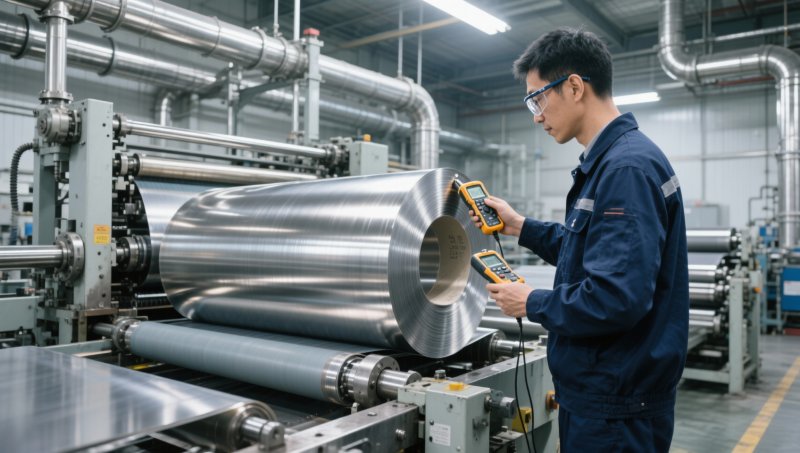
Stainless steel sheet production consumes 5.2–6.8 MWh per tonne—nearly 3× that of carbon steel. In China, where coal-fired power still supplies ~60% of grid electricity, energy costs now contribute 12–18% to final ex-works price. Regional power curtailments (e.g., Jiangsu’s 2023 summer restrictions lasting 7–15 days/month) directly impact rolling mill uptime, pushing lead times from standard 25 days to 42+ days—and triggering premium surcharges of USD 0.18–0.32/kg for expedited scheduling.
Beyond electricity, natural gas for annealing furnaces adds another 4–7% cost exposure. Since Q4 2023, LNG import parity prices rose 22% in Asia, prompting mills to adopt staged cooling protocols—improving surface finish but extending cycle time by 1.5–2.3 hours per coil. These operational adjustments are rarely reflected in published price lists but materially affect batch-level costing.
Hongteng Fengda mitigates this through dual-energy infrastructure: on-site solar PV covers 30% of auxiliary load, and our annealing lines operate on optimized thermal recovery loops—reducing gas consumption by 19% versus industry average and enabling consistent delivery within ±3 days of quoted schedule.
This table illustrates how macro-level variables translate into actionable cost differentials—and why transparency in mill-level operational controls matters more than headline nickel indices alone.
Trade Policy & Logistics: From Tariff Codes to Transit Time
U.S. Section 232 tariffs on stainless steel flat products remain at 25%, while EU anti-dumping duties range from 17.5% to 42.2% depending on Chinese producer status. Yet the bigger cost driver lies in classification precision: misdeclaring HS code 7219.32 (cold-rolled 304 sheet) as 7219.33 (other cold-rolled stainless) triggers customs re-inspection—adding 8–12 business days and USD 120–280 per container in demurrage and storage fees.
Maritime freight volatility compounds this: Shanghai–Rotterdam spot rates swung from USD 1,420/FEU in January 2024 to USD 3,890/FEU in April—a 174% increase. Hongteng Fengda counters this via long-term vessel charter agreements covering 70% of export volume and pre-booked inland rail slots from Tangshan to Tianjin Port—ensuring FOB lead time stability within ±2 days across Q2–Q4 2024.
For distributors and project managers, choosing a partner with bonded warehouse capacity (e.g., our 12,000 m² facility in Yantian Free Trade Zone) reduces landed cost by avoiding double-handling and enables just-in-time release against LC terms—critical for infrastructure projects with strict milestone-based payment schedules.
Quality Compliance & Surface Integrity: Where Standards Meet Real-World Performance
ASTM A240 mandates tensile strength ≥515 MPa and elongation ≥40%—but does not specify surface roughness (Ra), oxide scale thickness, or edge burr height. Yet these govern weldability, paint adhesion, and corrosion resistance in field applications. Independent testing shows Ra >0.8 µm increases chloride pitting initiation risk by 3.7× in coastal environments (per EN ISO 10289:2022 accelerated tests).
This is where complementary product lines deliver cross-application value. For instance, Galvanized Round Steel leverages hot-dip galvanizing to achieve 85–120 µm zinc coating thickness—providing 25+ years of corrosion protection in atmospheric exposure per ISO 14713-1. Its diameter tolerance (±0.15 mm for 50 mm Ø) and out-of-roundness limit (½ of diameter tolerance) ensure precise fit in power tower base plates and substation grounding systems—where dimensional drift causes 12–17% higher installation labor costs.
Unlike commodity-grade stainless sheets, Hongteng Fengda’s 304 coils undergo post-annealing electrolytic cleaning and optical surface scanning—guaranteeing Ra ≤0.45 µm and zero visible scale defects. Every shipment includes mill test reports (MTRs) traceable to heat number, with optional third-party inspection (SGS/BV) at no markup.
These specifications reflect engineering-grade control—not just compliance—making them essential for procurement teams managing multi-million-dollar infrastructure builds where rework penalties exceed material cost by 4–6×.
Strategic Sourcing: How to Lock in Predictable 304 Sheet Pricing
Procurement professionals should prioritize three levers: (1) Contract structure—opt for 3–6 month rolling price formulas tied to LME nickel + fixed processing fee (not “market-based” markups); (2) Certification alignment—verify mill’s EN 10204 3.1/3.2 MTR issuance capability before PO placement; (3) Logistics integration—select suppliers with bonded warehousing and FCL consolidation services to absorb freight volatility.
Hongteng Fengda offers all three: Our standard contracts include quarterly nickel adjustment clauses with 15-day notice periods, full EN/ASTM/GB documentation issued within 48 hours of shipment, and seamless coordination between our Tianjin and Shanghai hubs—cutting average order-to-discharge time to 18.3 days (vs. industry median of 27.6).
For project managers evaluating total cost of ownership, consider this: A USD 0.09/kg savings on 304 sheet translates to USD 27,000 on a 300-tonne order—but unreliable delivery adds USD 84,000 in idle crew costs for a 12-week delay. That’s why 73% of our repeat clients choose fixed-lead-time agreements—even at 1.2% premium—to secure schedule certainty.
Understanding the full anatomy of 304 stainless steel sheet pricing empowers procurement teams, engineers, and project leaders to move beyond reactive negotiation and build resilient, cost-optimized supply chains. With Hongteng Fengda, you gain not just competitive pricing—but predictable execution, certified quality, and engineering-grade consistency across every coil.
Contact our global sourcing team today to request a customized 304 sheet quotation—including live nickel index linkage, ASTM A240 MTR samples, and logistics timeline simulation for your target destination port.
Related recommendations
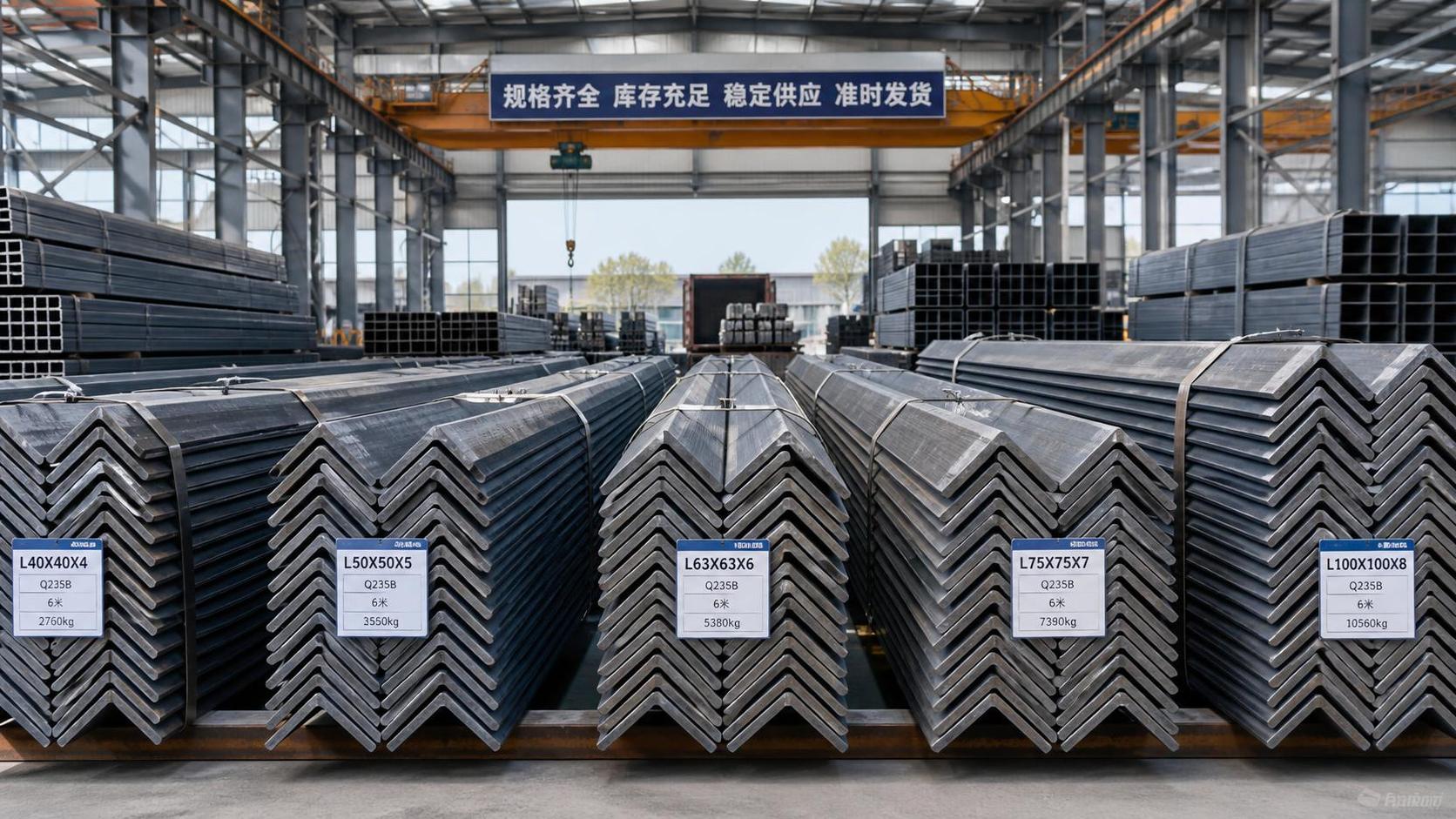
 What Drives Angle Steel Price Changes in Building Frame ProjectsAngle steel price changes can reshape building frame budgets. Learn the key drivers behind fluctuations and how to secure stable, cost-effective sourcing.
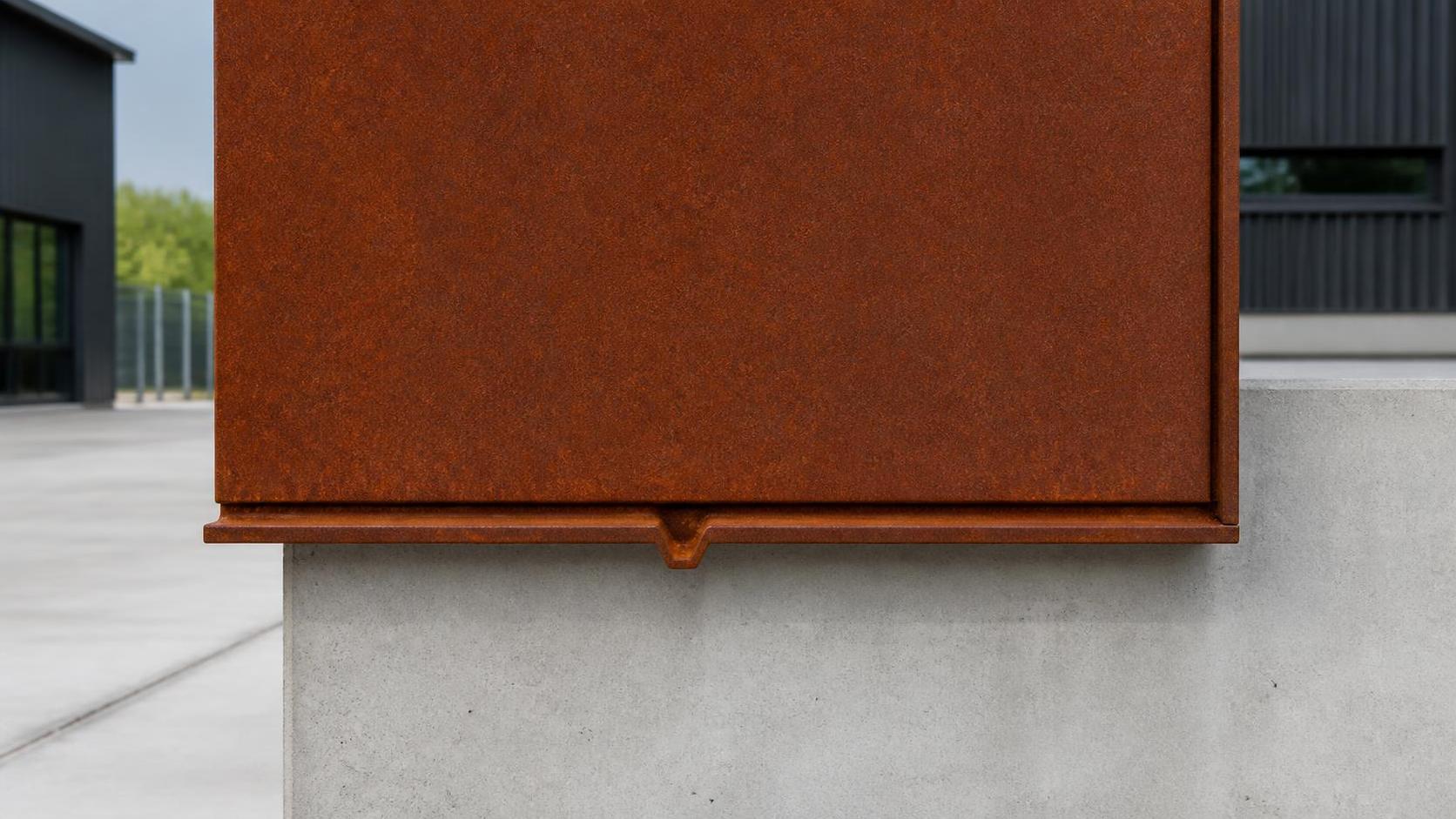
 Corten Steel Plate: Weathering Limits, Drainage, and Staining RisksCorten steel plate guide: learn weathering limits, drainage design, and staining risks to avoid corrosion issues, protect nearby surfaces, and choose the right steel solution.
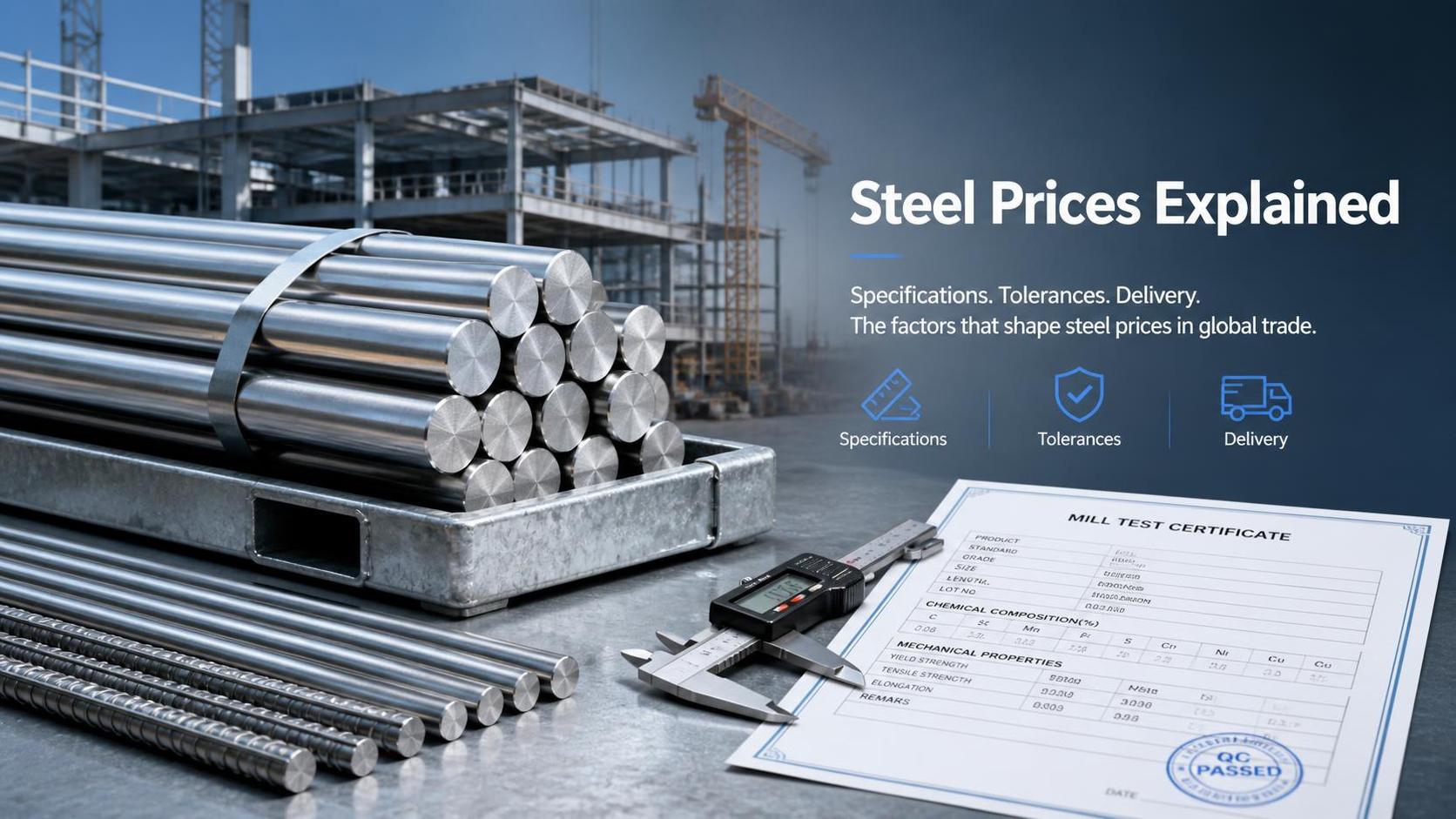
 What Drives Steel Rod Price Changes in Building Projects?Steel Rod price changes can reshape construction budgets fast. Learn what drives costs—from steel, zinc, specs, compliance, and lead times—to make smarter, lower-risk buying decisions.
 Galvanized Pipe Specifications: Which Standards Matter for Water and Gas Lines?Galvanized pipe specifications determine whether water and gas lines pass code, pressure, and coating checks. Learn which standards matter most to avoid costly approval and installation risks.
Please give us a message


Please enter what you want to find