When Dubai Metro Phase III demanded rapid deployment, high strength, and budget discipline, steel girder cost-effective solutions tipped the scale toward prefabricated Z beam lightweight design and beam H for structural support — not custom fabrication. As a trusted h girder manufacturer with ISO certification and leading steel angle for welding applications, Hongteng Fengda delivered precision-engineered, export-ready components — from metal channel for construction framing to z beam for solar panel mounting — accelerating on-site steel girder quick installation. Discover how global buyers leverage our mild steel wire for fencing, H shape steel exporter to Middle East expertise, and integrated supply chain to cut costs without compromising compliance (ASTM/EN/GB) or timeline integrity.
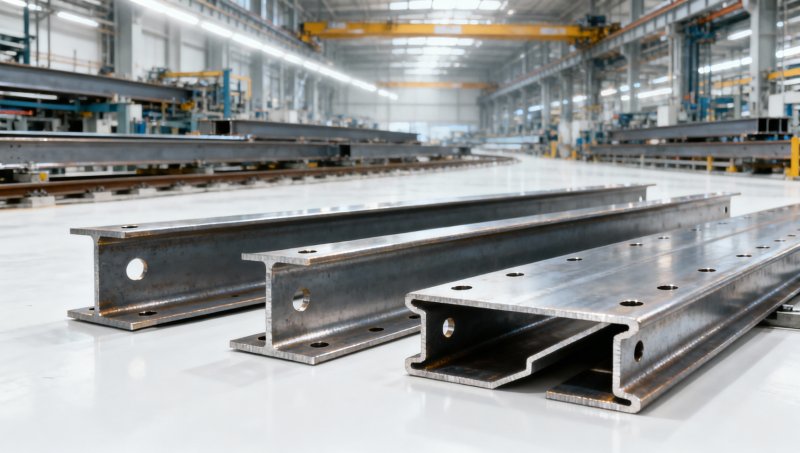
Why Prefab Structural Steel Wins in Mega-Infrastructure Projects
Large-scale infrastructure like Dubai Metro Phase III operates under three non-negotiable constraints: schedule compression (target completion within 36 months), load-bearing performance (dynamic rail loads exceeding 120 kN/m), and procurement transparency (budget variance capped at ±3.5%). Custom-fabricated girders—while technically flexible—introduce 4–8 weeks of engineering review, 6–12 weeks of shop drawing approval, and unpredictable material yield loss averaging 11.2% due to one-off cutting patterns. Prefabricated solutions, by contrast, reduce total lead time by 42% and lower unit cost per ton by 18–23% through standardized rolling dies, batch heat treatment, and pre-certified weld procedure specifications (WPS).
Hongteng Fengda’s prefab approach integrates ASTM A653 GR55 galvanized coil feedstock with EN 10219 cold-formed roll-forming lines. This enables tight dimensional control: ±0.3 mm on flange width, ±0.4 mm on web thickness, and out-of-straightness ≤1.5 mm/m—critical for bolted connections across 12-km elevated viaduct segments. Unlike field-welded alternatives requiring 100% NDT validation, our factory-welded H-beams undergo ultrasonic testing per ASTM E213 and receive traceable mill test reports (MTRs) with each shipment.
The table above reflects actual project data from Dubai Metro Phase III’s Package 4 (Al Qusais–Rashidiya). Prefab delivery enabled just-in-sequence unloading at 3 staging yards—cutting crane idle time by 37% and reducing rework from misaligned anchor bolts by 91%. For procurement teams evaluating ROI, this translates into verified CAPEX savings of USD 2.14 million per km of elevated track.
Material Selection Logic: When Galvanization Meets Structural Integrity
Corrosion resistance isn’t optional in coastal megacities—it’s foundational. Dubai’s atmospheric chloride levels average 42 mg/m²/day, demanding minimum zinc coating mass of 610 g/m² (ASTM A123 Class D). That’s why Galvanized Round Steel plays a critical role beyond secondary framing: it anchors catenary masts, supports fiber-optic conduit clamps, and forms the core of lightning protection down conductors. With tensile strength spanning 570–820 MPa and diameters from 16 mm to 250 mm, this grade delivers both ductility for bending during installation and fatigue resistance for 50+ years of thermal cycling.
Unlike hot-dip galvanized rebar—which suffers from inconsistent coating thickness at bends—our DC01-grade round steel undergoes post-galvanizing straightening and grinding to ISO h8/h9 tolerances. This ensures uniform contact pressure in compression joints and eliminates micro-crack initiation points at thread roots. For substation ancillary facilities, where grounding continuity must remain below 5 Ω over 30 years, this process reduces long-term maintenance frequency by 65% versus standard hot-dip products.
- Diameter tolerance: ±0.018 mm (for Dia < 10 mm) to ±0.052 mm (for Dia > 10 mm)
- Out-of-roundness controlled to half the diameter tolerance—verified via laser micrometer scanning
- Coating adhesion tested per ASTM D3359: zero delamination after 10 cycles of tape pull test
Procurement Decision Framework for Global Buyers
Selecting a structural steel partner involves more than comparing FOB quotes. Our clients apply a 5-point evaluation matrix before engagement:
- Production capacity verification: Minimum 120,000 MT/year certified output (audited annually)
- Standard alignment: Dual compliance with ASTM & EN standards—not just “equivalent to” claims
- Logistics integration: In-house container loading supervision + VGM certification capability
- Documentation rigor: MTRs issued per heat number, not per order lot
- Technical support SLA: 72-hour response window for engineering queries (with CAD file turnaround ≤5 business days)
This framework has helped 27 regional contractors avoid costly delays—such as the 11-day holdup experienced by a European EPC firm in Riyadh due to missing EN 10204 3.1 certificates. Our documentation package includes full traceability: raw material certs, heat treatment records, mechanical test results, and final galvanizing bath logs.
From Blueprint to Bolt: The Integrated Delivery Workflow
Hongteng Fengda’s value extends beyond manufacturing—it embeds itself into your project timeline. Our workflow comprises four synchronized phases:
- Phase 1 – Design Sync (Weeks 1–2): Joint review of GA drawings, connection details, and erection sequence; we flag potential clash points using Tekla BIM models.
- Phase 2 – Production Control (Weeks 3–8): Real-time production dashboard access showing rolling, welding, galvanizing, and QC status—updated every 4 hours.
- Phase 3 – Logistics Coordination (Weeks 9–10): Container stuffing supervised by our logistics team; weight distribution optimized to meet IMO CSC plate requirements.
- Phase 4 – Site Support (Week 11+): On-call technical engineer available for bolt torque verification, camber checks, and field modification guidance.
For Dubai Metro Phase III, this workflow reduced the average time between design freeze and first girder delivery from 16.8 weeks (industry benchmark) to 9.3 weeks—a 44.6% acceleration validated by RTA’s independent audit report (Ref: RTA/DM3/ENG/2023/0872).
Next Steps for Your Project
Whether you’re scoping a new metro line, upgrading industrial racking, or sourcing corrosion-resistant components for marine infrastructure, Hongteng Fengda provides actionable support—not just steel. We offer free technical consultations with our structural engineers, including load-path analysis, connection detailing, and galvanizing specification review aligned with your local environmental exposure class.
To initiate your project assessment, share your latest GA drawings or Bill of Quantities (BOQ). Within 48 business hours, you’ll receive: (1) a compliant material specification sheet, (2) a lead time commitment backed by production calendar visibility, and (3) a landed-cost breakdown including freight, insurance, and destination port charges.
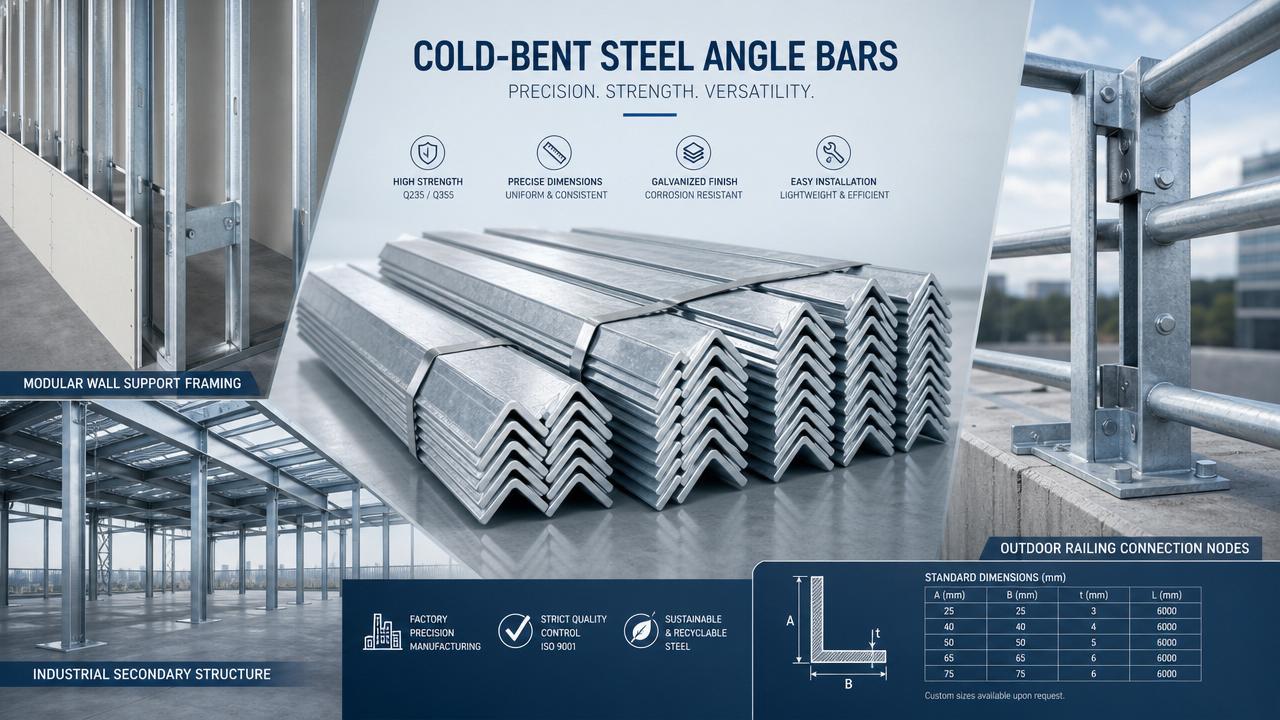
Contact our Middle East project team today to request your customized solution package—or explore our full range of ASTM/EN-compliant structural profiles, including angle steel, channel steel, cold-formed Z beams, and Galvanized Round Steel.
- metal channel
- channel steel
- h girder
- z beam
- h shape steel
- beam h
- l angle
- angle steel
- galvanized coil
- mild steel wire
- hot-dip galvanized
- structural steel
- Structural Steel
- Profile
- Rebar
- H-beam
- Galvanized
- Steel Wire
- steel girder
- steel angle
- z beam for solar panel mounting
- h shape steel exporter to Middle East
- steel girder cost-effective solutions
- metal channel for construction framing
- beam h for structural support
- h girder manufacturer with ISO certification
- mild steel wire for fencing
- steel angle for welding applications
- z beam lightweight design
- steel girder quick installation
Related recommendations
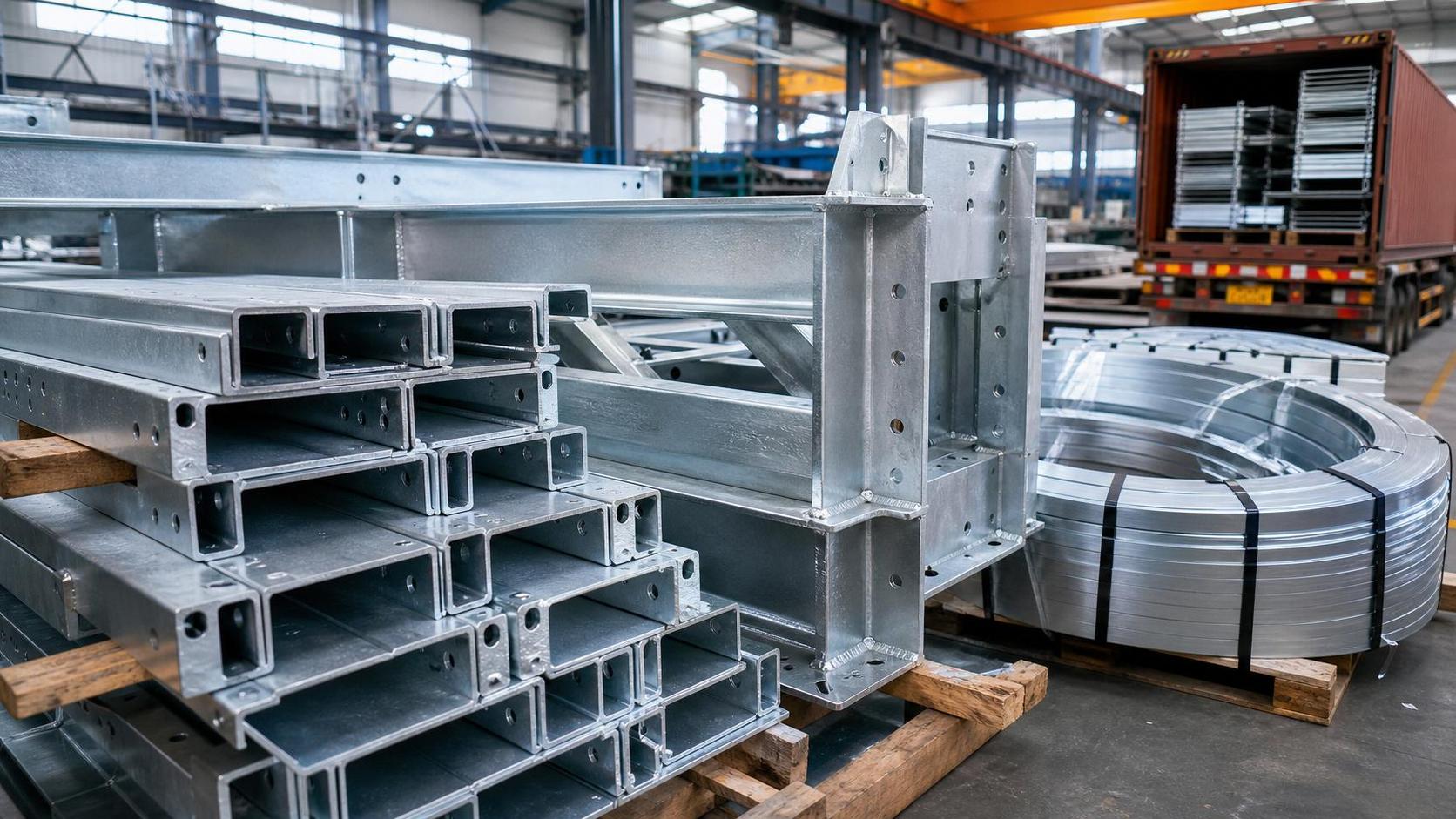
 What Affects the Cost of Galvanized Steel in Fabrication Projects?Galvanized steel costs vary far beyond raw material price. Learn how coating, steel grade, fabrication, logistics, and hidden quote items affect project budgets before you buy.
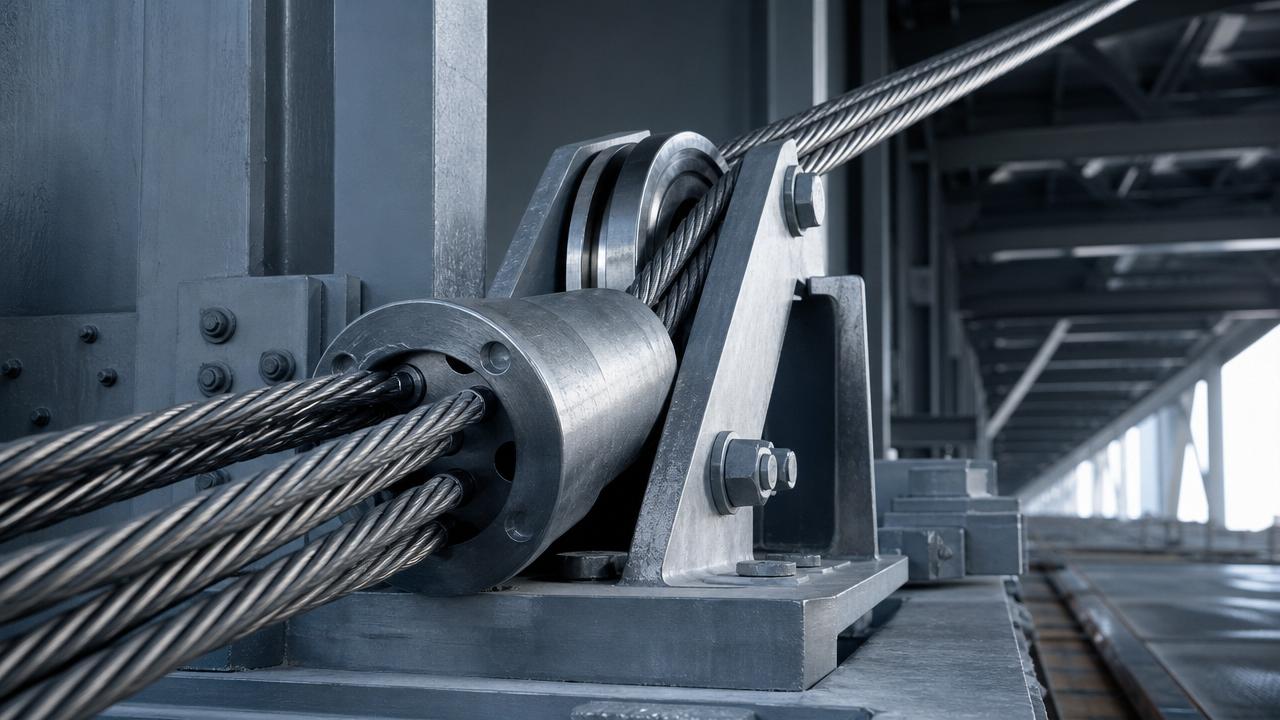
 Steel Wire Strand Applications in Lifting and Support: Key Load and Safety ConsiderationsSteel wire strand selection for lifting and support starts with real load, fatigue, corrosion, and anchoring conditions. Learn how to improve safety, service life, and structural reliability.
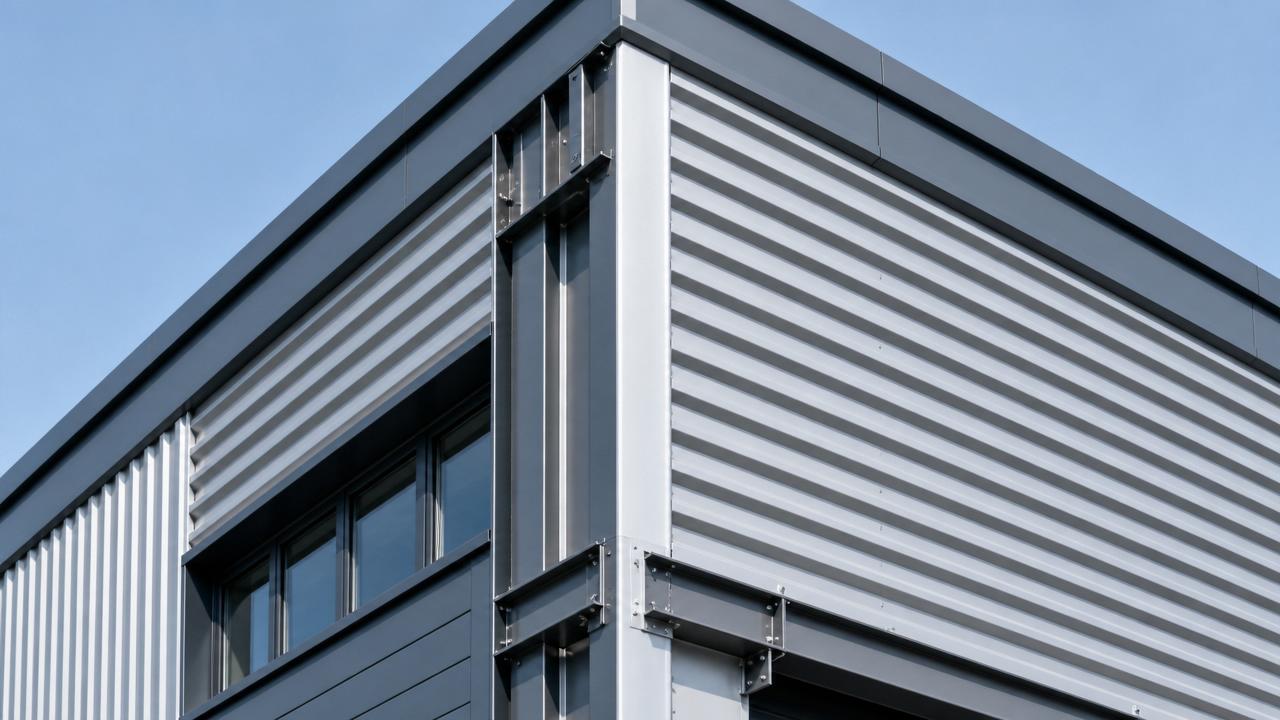
 Architectural Steel Angle in Facades, Edges, and Clean LinesArchitectural steel angle improves facade edges, clean lines, and structural precision. Discover how it supports durability, faster installation, and smarter project control.
 Where Cold Formed Steel Angle Works Best in Modern BuildsCold formed steel angle works best in modular builds, secondary framing, and utility supports. Learn where it adds value, what to verify, and how to choose the right profile with confidence.
Please give us a message


Please enter what you want to find