Choosing between locally manufactured and imported steel square plates has become a key consideration for construction and industrial buyers aiming to balance quality and cost efficiency. With rising demand for stainless steel metal plates, ss metal sheets, and plate ss products, understanding their price structures is essential for informed sourcing decisions. This article compares the total cost, performance, and supply stability of domestic and overseas options, helping decision-makers, purchasers, and project managers select the most reliable solution for long-term value.
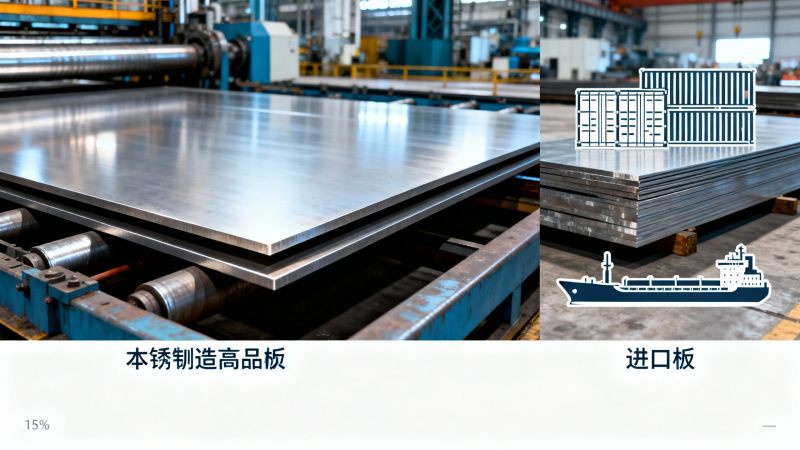
Understanding the Real Cost Factors of Steel Square Plates
When evaluating whether to choose locally manufactured or imported steel square plates, it is crucial to look beyond the initial price tag. The total cost of ownership involves material quality, production standard, transportation, logistics management, and delivery time. For instance, domestic suppliers often operate under strict local regulations, ensuring compliance with environmental and safety standards. This may slightly increase production cost but adds confidence in traceability and consistency.
On the other hand, imported steel plates—especially stainless steel metal plates or stainless square plates—may appear cheaper at first glance due to lower labor rates or currency advantages. However, import duties, shipping, and fluctuation in international freight charges can offset that initial difference. Moreover, unpredictable transit delays can impact project timelines, increasing indirect costs related to storage and idle machinery.
A fair comparison should therefore incorporate total procurement cost, including quality assurance, potential wastage, and long-term performance. For users of ss metal sheets and sst plates, considering full lifecycle value provides a clearer picture of the economics behind local and imported sourcing.
Performance, Quality Assurance, and Material Consistency
The performance of any steel product directly affects the reliability and safety of construction or industrial projects. Local manufacturers using advanced rolling and heat treatment technologies can ensure optimal mechanical properties—yield strength, tensile performance, and dimensional accuracy. For example, many Chinese producers such as Hongteng Fengda follow ASTM, EN, JIS, and GB standards to guarantee that each stainless metal plate matches specific project requirements.
Imported products, depending on origin, might meet equivalent standards but risk discrepancies arising from inconsistent quality inspections or language barriers in documentation. Effective communication between buyer and manufacturer becomes particularly vital for custom specifications, such as stainless l channels, steel tube coils, or patterned structural plates. Locally available inspection records, material certificates, and technical support improve transparency, enabling engineers and project managers to verify product fitness rapidly.
One example of high-standard domestic manufacturing is the SM400A Patterned steel plate, which combines superior anti-skid and decorative features with international certification, including ASTM and DIN. Produced with materials such as Q235B, A36, and SM400B, its dimensional tolerance down to ±0.02 mm ensures precision installation. Its applications cover transportation, construction floors around heavy equipment, and shipbuilding, illustrating how modern local production can deliver global-grade quality under cost-effective conditions.
Cost Comparison: Logistics, Taxes, and Procurement Efficiency
A detailed cost analysis reveals how location, scale, and logistics affect the final quotation. The following table summarizes general cost components often considered by procurement professionals when comparing domestic and overseas purchases of steel square plates, ss metal sheets, and plate ss materials.
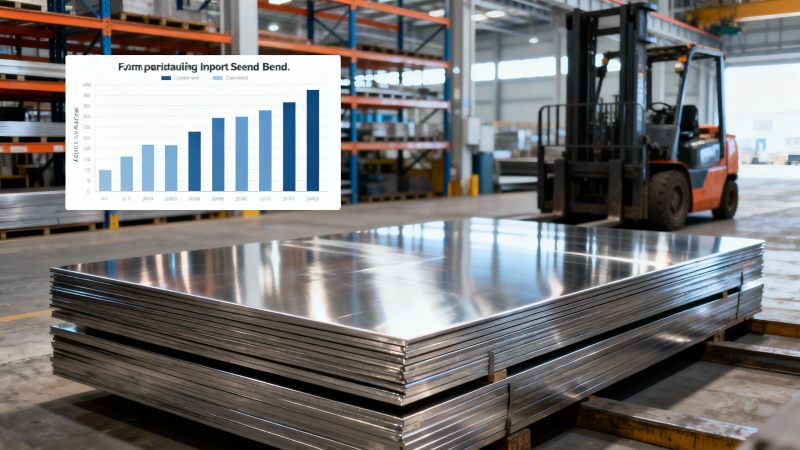
For large-scale construction or manufacturing projects, delivery certainty and after-sales service often outweigh slight cost variations. Project managers need assurance that every stainless steel metal plate arrives on schedule to align with milestones. Local suppliers can adjust batch sizes and provide faster replenishment, while imported steel faces longer transit cycles affected by geopolitics and port congestion. These variables make procurement agility a decisive factor in total cost evaluation.
Market Trends and Sourcing Strategy in the Global Steel Industry
Globally, the steel market is experiencing steady demand growth driven by urbanization, renewable energy infrastructure, and industrial modernization. Stainless materials such as plate ss and sst plate products are gaining popularity for their corrosion resistance and aesthetic versatility. Buyers are increasingly pursuing hybrid sourcing strategies—combining local base supply with selective import of specialty grades—to mitigate risk and control costs.
In recent years, Chinese structural steel exporters have enhanced their production ecosystems with digitalized manufacturing, advanced surface treatments, and AI-driven quality tracking. Partners such as Hongteng Fengda utilize certified raw materials, ensuring consistent batch properties across steel square plate and stainless l channel series. This evolution strengthens the competitiveness of locally manufactured options, narrowing the gap with premium international brands while maintaining attractive pricing.
With transparent international logistics networks and stable export procedures, reliable Chinese suppliers now offer dependable alternatives to traditional imports. Many maintain abundant stocks of patterned and structural plates, including materials with thickness ranges between 2–8 mm and widths up to 1800 mm, ideal for diverse applications from machinery bases to decorative panels. Supply chain resilience and innovative engineering reinforce the overall advantage of regional procurement.
Practical Considerations for Buyers and Project Managers
For engineering teams and procurement professionals, making the right sourcing decision also involves assessing operational convenience. Local production enables quick feedback and customization; for instance, the SM400A and SM400B grades of patterned plates can be produced to specific sizes and surface patterns upon request. This helps achieve both functional and aesthetic objectives—anti-skid performance, material savings, and ease of maintenance.
In contrast, when relying on overseas suppliers, buyers must consider documentation handling, compliance validation, and logistics tracking, which may require additional administrative resources. A reliable domestic partner not only provides materials but also engineering consultation, packaging optimization, and just-in-time delivery solutions, which are especially valuable for complex construction scheduling.
Integrating supplier relationships into project planning ensures smoother workflows. Construction wire assemblies, steel tube coils, and stainless metal plates sourced under standardized agreements contribute to predictable quality assurance. Companies prioritizing local collaboration often report reduced downtime and enhanced control over material allocation, ultimately lowering the total cost per square meter of installation.
Evaluating Sustainability and Environmental Compliance
Sustainability is emerging as another major differentiator in sourcing steel products. Local producers adhering to GB and ISO standards often implement eco-friendly processes such as water recycling, efficient furnace operation, and waste reduction. These add value for developers pursuing green certification in modern construction projects. Sourcing steels like the SM400A Patterned steel plate can therefore align project material procurement with environmental responsibility without sacrificing performance.
Imported steels, though sometimes advertised as lower in cost, might not undergo the same energy-efficiency audits, adding uncertainty about their carbon footprint. For global buyers committed to ESG goals, identifying traceable and verifiable production sources in China or regional markets becomes a strategic advantage that eliminates risks associated with unverified imports.
Conclusion: Achieving Long-Term Value Through Smart Sourcing
While both locally manufactured and imported steel square plates have their merits, the decision should depend on project objectives, cost tolerance, and quality control expectations. Local suppliers deliver responsive services, consistent material properties, and shorter lead times, while imports may supplement specialized demands or niche alloys not readily produced domestically. The optimal approach often blends both, leveraging cost efficiency and availability as conditions shift.
For decision-makers, engineers, and procurement teams in industries ranging from construction to shipbuilding, partnering with an experienced structural steel manufacturer such as Hongteng Fengda means access to reliable ss metal sheet, sst plate, and stainless square plate options certified under global standards. By collaborating closely, clients gain quality assurance and long-term cost control supported by robust production capabilities.
To explore high-performance materials and customized structural solutions for your upcoming projects, contact our professional team today or learn more about our certified products and technical support services. Invest in quality steel—achieve performance, efficiency, and enduring value through smart sourcing.
Related recommendations
 Why do 20 feet square pipe prices vary significantly between inland and port-adjacent warehouses?20 feet square pipe price varies by location—discover why port-adjacent warehouses often deliver better total cost, speed & ROI. Get the finance-approved breakdown.
 Do the advantages of galvanized steel outweigh long-term maintenance costs in humid industrial zones?Advantages of galvanized steel in humid industrial zones? Yes—when engineered right. Discover how proper specification cuts long-term maintenance costs by 2–3×.
 How much longer does galvanized steel sheet for roofing last compared to painted steel in humid tropicsgalvanized steel sheet for roofing lasts 2–3× longer than painted steel in humid tropics—25–40 vs. 10–15 years. Proven durability, zero scheduled maintenance, and lower lifecycle cost.
 Why galvanized steel sheet price per ton fluctuates beyond raw material costsGalvanized steel sheet price per ton fluctuates due to coating specs, order volume, logistics & certifications—not just zinc. Discover actionable cost levers.
Please give us a message


Please enter what you want to find