In 2024, selecting the right stainless steel roll for food processing equipment is crucial for achieving efficiency, hygiene, and long-term durability. As a high temperature steel manufacturer in China, Hongteng Fengda provides SGS certified steel for construction and stainless steel roll for food processing that meet international standards. From welded stainless tubing price lists to ss 316 coil technical specifications, our expert solutions ensure quality, safety, and performance for global manufacturers and project leaders. The demand for premium stainless steel materials in the food sector has never been more dynamic, driven by tightening safety regulations, sustainability goals, and the global trend of automation in processing systems. Choosing stainless steel roll is no longer just about metal grade or surface finish—it is about ensuring optimal corrosion resistance, process hygiene, and compliance with global certifications for food contact materials.
Definition and Material Overview
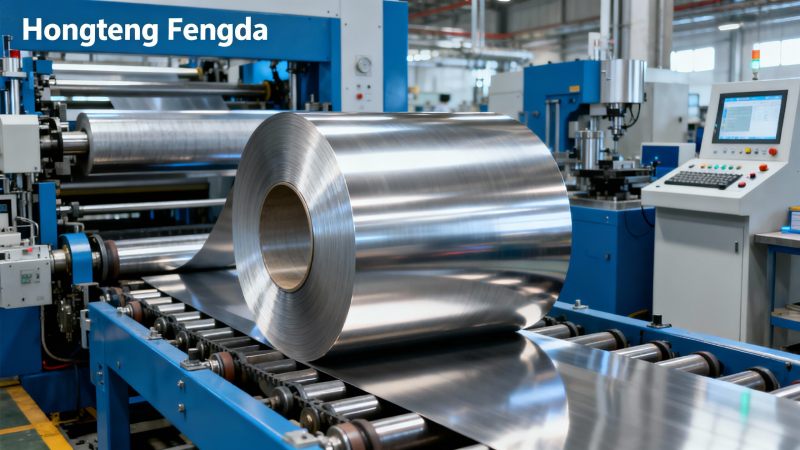
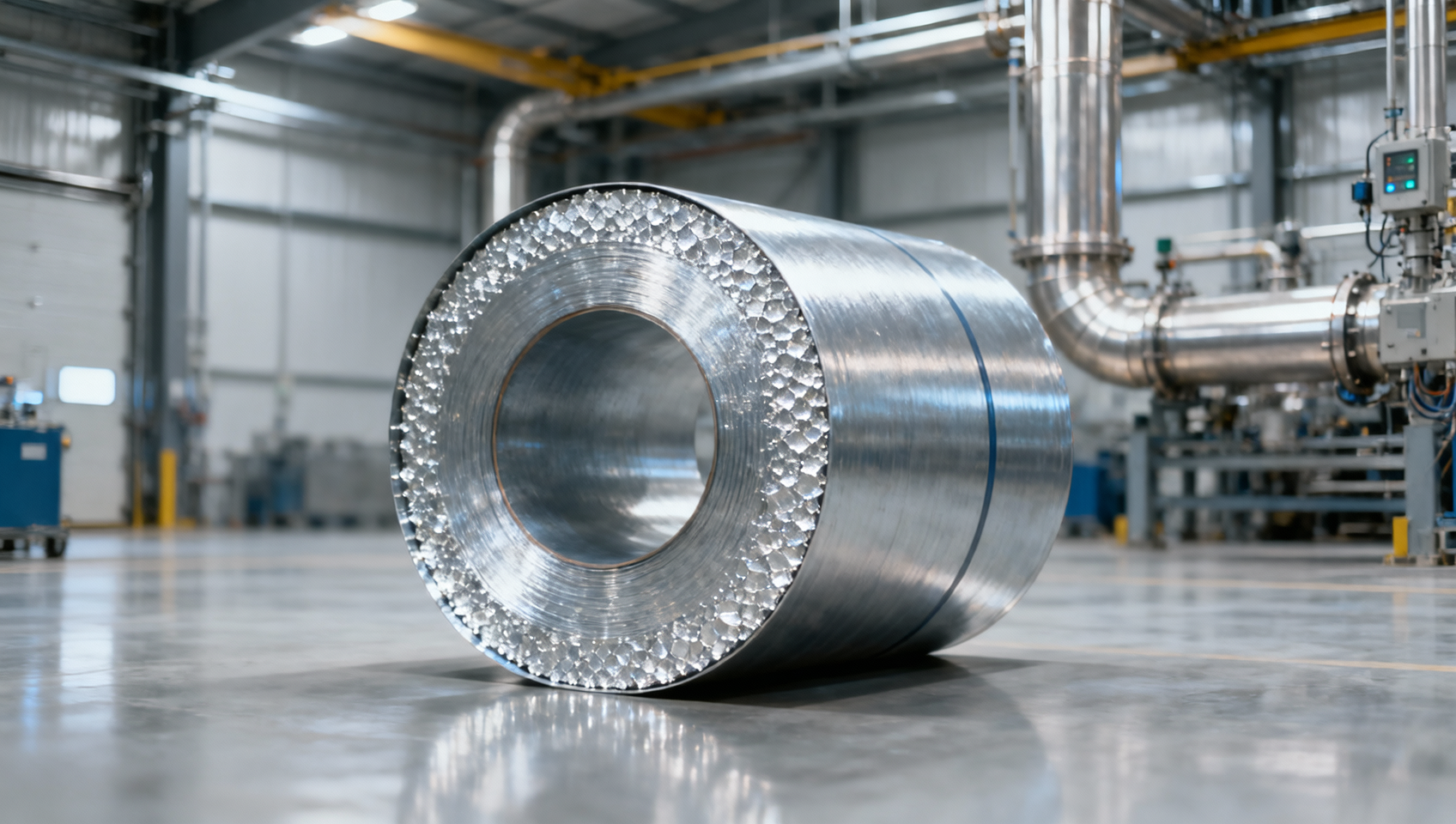
A stainless steel roll for food processing refers to coiled stainless material designed to be fabricated into various food-grade components such as conveyor belts, tanks, mixers, and cutting tables. These coils—commonly produced in 304 and 316 series alloys—feature excellent anti-corrosive behavior, high strength, and smooth surface finishes that inhibit bacterial growth. In comparison with ordinary carbon steel sheets, stainless coils provide higher tolerance to acidic conditions and thermal variations present during sterilization or high-temperature cooking operations. Hongteng Fengda produces coils that align with ASTM and EN standards while being environmentally responsible through advanced pickling and annealing procedures. Moreover, our production line integrates precise surface treatment using Mill Edge or Slit Edge technology to meet specific hygiene and weldability requirements. The integration of cutting-edge rolling equipment guarantees uniform thickness within ±1% tolerance. These details, alongside a well-documented welded stainless tubing price list and coil stainless steel for automotive industry database, support flexible use across diverse manufacturing lines.
Market Overview and Industry Trends in 2024
The global market for stainless steel rolls in food processing continues to exhibit steady growth in 2024. Rapid modernization of processing factories, combined with consumer concern over food safety, has encouraged worldwide adoption of SGS certified steel for construction and manufacturing systems. North America and Europe remain key regions emphasizing traceability, while Southeast Asia shows robust demand for cost-efficient stainless steel solutions that maintain high durability under tropical humidity. According to reports, manufacturers value materials offering both mechanical strength and compliance with CE, BV, and ISO food-grade certifications. The food machinery subsectors—baking, dairy, and beverage processing—require heat-resistant materials like ss 316 coil, whose technical specifications indicate superior resistance to chlorides and cleaning agents. In the Middle East, reliability in supply chains becomes crucial. As a 304 coil supplier in Middle East projects, Hongteng Fengda continuously maintains inventory reserves and flexible production scheduling, allowing clients to speed up their equipment manufacturing without risk of shortages. Through steady technological updates, the company aligns with modern eco-friendly manufacturing standards, such as reduced pickling effluent and recyclable wrapping for safe export shipping.
Technical Performance and Specifications
The technical attributes of stainless steel roll for food processing dictate product lifespan and performance efficiency. Hongteng Fengda’s stainless coils undergo precise cold rolling at controlled temperatures, ensuring structural refinement and tight dimensional tolerance. The ss 316 coil technical specifications typically include chromium-nickel-molybdenum alloy composition that prevents pitting corrosion even under high-salt or alkaline washing processes. We also produce flat stainless steel for architectural design and coil stainless steel for automotive industry—demonstrating multi-sector quality control consistency. Below is a representative sample of parameters for buyers and engineers verifying project requirements.
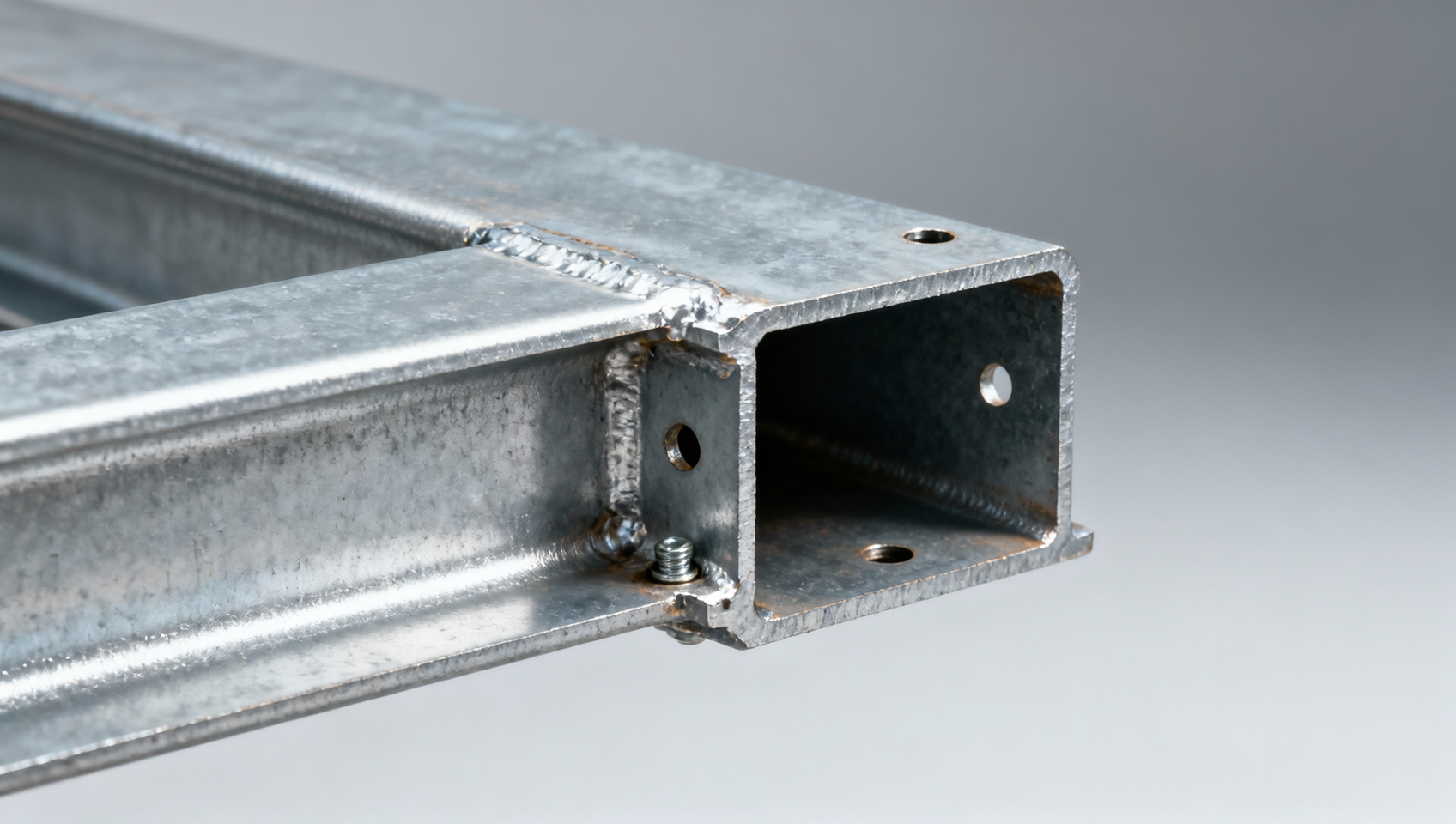
High mechanical stability allows these coils to undergo forming, punching, and automatic welding necessary for hygienic design. With optimized microstructure control, our high temperature steel manufacturer in China ensures consistent machinability and surface integrity. To complement product lines, Hongteng Fengda offers additional solutions such as galvanized or perforated components like the Z-beam. Made from materials including Q235B, Q345B, and SS540, it is suitable for structural integration with processing frames, lightweight roofs, or machinery arms, reinforcing both food plant architecture and processing line frame reliability.
Application Scenarios in Food Processing Equipment
Stainless steel roll is widely employed throughout food processing industries where stringent hygiene control and ease of cleaning are mandatory. Major applications include fruit washing and slicing systems, meat processing conveyors, beverage blending tanks, and dairy pasteurization vessels. Engineers prioritize stainless steel over aluminum or coated steel because of its durability and lack of contamination risks. The high plasticity of 304 and 316 grades enhances their adaptability for custom designs using welded stainless tubing. These materials also appear in fermenters requiring sterilizable pipelines that maintain polished surfaces even after repetitive CIP (Cleaning in Place) cycles. For architectural supporting components inside food plants—such as purlins, brackets, and column supports—the combination of stainless steel roll with pre-engineered structures like Z-beam improves overall longevity and reduces maintenance costs. The synergistic integration of stainless materials into sanitary applications satisfies both mechanical and microbiological performance criteria, ensuring that production lines comply with FDA, GB4806, and ISO22000 standards without compromising productivity.
Procurement Guide and Cost Considerations
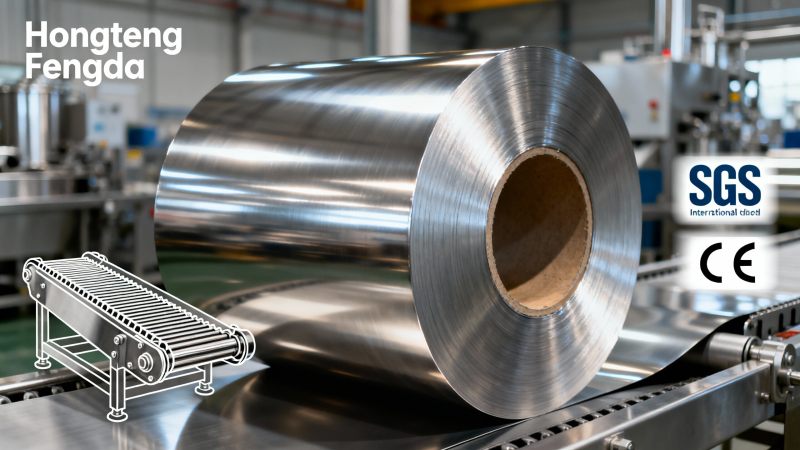
When sourcing stainless steel roll for food processing, buyers should evaluate three essential factors: compliance with certifications, long-term performance cost, and supplier reliability. First, SGS certified steel for construction indicates documented traceability and physical testing, ensuring the coil meets tensile and corrosion criteria. Second, the welded stainless tubing price list provided by reputable manufacturers like Hongteng Fengda offers transparency in procurement budgeting. While 316-grade materials may initially cost more than 304, they reduce maintenance frequency under chemical exposure—thus saving total lifecycle expenses. Third, choose manufacturers equipped with modern rolling mills and annealing lines that guarantee consistent microstructure. Project managers and safety inspectors often collaborate to customize coil surface conditions matching specific applications, such as bright finishes for cleanroom assembly or matte finishes where reflection reduction is needed. With increasing competition, it becomes essential for procurement professionals and distributors to balance cost, delivery time, and compliance assurances. Comparing 304 coil supplier in Middle East quotes versus regional vendors, Hongteng Fengda’s export packages consistently highlight dependable lead times and adaptive MOQ plans for bulk buyers. Our online selection tools help distributors receive accurate ss 316 coil technical specifications instantly, supporting smooth sourcing workflows across industries.
Standards, Certifications, and Global Compliance
Compliance with international food safety and steel performance standards distinguishes reliable suppliers in the global marketplace. Hongteng Fengda’s stainless steel roll for food processing is produced under strict management systems certified by CE, SGS, BV, and ISO. These verifications guarantee mechanical stability, traceable raw material sources, and environmentally responsible production. The combination of ASTM A240, EN 10088, and JIS G4304 frameworks ensures that every coil exhibits defined chemical composition and mechanical properties. Food-grade certification implies low carbon residues and polished surfaces that minimize bacterial retention. Furthermore, ultrasonic and eddy-current inspections are performed before export to confirm internal integrity. For clients demanding eco-friendly sourcing, our production meets RoHS criteria and offers recyclable packaging that complies with European import directives. Importantly, as part of Hongteng Fengda’s commitment to sustainability, energy-efficient reheating furnaces and electronic monitoring are applied to minimize emissions during rolling operations. These technical commitments reinforce confidence for corporate procurement and quality control teams that aim to assure safety and reliability of all supplied stainless material.
Case Studies and Successful Practices
A notable case involves a Southeast Asian beverage company upgrading their sterilization lines to fully stainless frameworks. They adopted Hongteng Fengda’s 316L stainless steel roll, complemented by perforated Z-shaped structural fittings to support bottling conveyors. The outcome included a 40% reduction in equipment corrosion incidents and an extended cleaning cycle interval. In another example, an EU dairy processor selected Hongteng Fengda as their preferred high temperature steel manufacturer in China, owing to our scalable supply of cold rolled coils. The plant realized improved surface sanitation and reduced bacterial contamination due to our superior finish quality. For construction contractors building new food factories, customized coils were integrated into site-produced channel frames, enabling modular assembly and faster project turnover. Hongteng Fengda’s experience supplying SGS certified steel for construction additionally benefits integrators handling both architectural and mechanical scopes under one procurement contract. These exemplified results emphasize the significance of pairing technical guidance with dependable material delivery. For distributors, consistent batch testing and digital tracking simplify product traceability from mill to warehouse inventory. Such success stories continuously demonstrate how long-term cooperation with a trusted exporter yields measurable benefits in cost control, reliability, and safety compliance.
Trend & Insights Toward the Future
Several emerging trends shape the stainless steel roll industry in 2024. Automation, digital procurement platforms, and circular economy requirements redefine how manufacturers interact with buyers. Food equipment designers increasingly prefer thinner-gauge advanced alloys offering both torque stability and energy savings in forming machinery. Sustainable processing is another driver—enterprises are demanding low-carbon cold rolling powered by renewable energy. Moreover, with policy shifts emphasizing hygiene verification, digital certification management tools will become standard. Hongteng Fengda’s R&D division already explores smart labeling for coil stainless steel for automotive industry and food machinery customers, integrating QR-coded batch data for real-time quality documentation. Supply globalization also leads to diversified warehouse hubs across the Middle East and Southeast Asia, shortening logistical times while maintaining strict consistency standards. The steady evolution of alloy designs—especially upgraded ss 316 coil technical specifications with higher molybdenum—will enhance corrosion resistance and lifespan. For procurement professionals, understanding these developments ensures better strategic planning of equipment investment and supplier selection, avoiding future obsolescence while aligning with sustainability goals.
Why Choose Hongteng Fengda
Choosing Hongteng Fengda means partnering with a structural steel manufacturer and exporter from China dedicated to delivering exceptional value through quality and reliability. Our product portfolio spans angle steel, channel steel, beams, cold formed profiles, and customized OEM solutions—all backed by stringent QC procedures and ASTM, EN, and GB compliance. For food sector applications, we ensure sanitized coil packaging, precise documentation, and proactive technical support during manufacturing. Our global service coverage across North America, Europe, the Middle East, and Southeast Asia gives customers localized access and stable supply chains. Whether clients require bulk steel strapping orders or flat stainless steel for architectural design, Hongteng Fengda maintains consistent excellence across products. Our inclusive customer support ecosystem empowers purchasing managers, safety officers, and distributors with swift response and professional consultancy. Contact us today to discuss your stainless steel roll requirements for 2024—build reliable, hygienic, and sustainable food processing systems that meet the highest global standards with Hongteng Fengda’s expertise and commitment.
- channel steel
- angle steel
- cold rolled coils
- rolled coil
- structural steel
- Structural Steel
- high temperature steel
- SGS certified steel
- welded stainless tubing
- stainless coil
- ss coil
- coil stainless
- 304 coil
- ss 316 coil
- stainless steel roll
- steel strapping
- flat stainless steel
- Profile
- Z-beam
- Galvanized
- carbon steel
- steel sheet
- flat stainless steel for architectural design
- stainless steel roll for food processing
- ss 316 coil technical specifications
- 304 coil supplier in Middle East
- coil stainless steel for automotive industry
- welded stainless tubing price list
- SGS certified steel for construction
- high temperature steel manufacturer in China
Related recommendations
 Sustainability Trends in the Global Steel Tubing MarketsExplore sustainability trends in the global steel tubing market. Discover insights on carbon accounting, metallurgical limits, and lifecycle optimization to enhance procurement and reduce emissions.
 Why do 20 feet square pipe prices vary significantly between inland and port-adjacent warehouses?20 feet square pipe price varies by location—discover why port-adjacent warehouses often deliver better total cost, speed & ROI. Get the finance-approved breakdown.
 Do the advantages of galvanized steel outweigh long-term maintenance costs in humid industrial zones?Advantages of galvanized steel in humid industrial zones? Yes—when engineered right. Discover how proper specification cuts long-term maintenance costs by 2–3×.
 How much longer does galvanized steel sheet for roofing last compared to painted steel in humid tropicsgalvanized steel sheet for roofing lasts 2–3× longer than painted steel in humid tropics—25–40 vs. 10–15 years. Proven durability, zero scheduled maintenance, and lower lifecycle cost.
Please give us a message


Please enter what you want to find