In 2024, the global demand for steel pile for port construction continues to grow alongside evolving infrastructure investments and sustainability goals. As a professional structural steel manufacturer and exporter from China, Hongteng Fengda closely monitors supply stability and international trends. With expertise in steel channel for structural support, carbon steel for pressure vessels, pre-painted steel sheet, and other advanced materials, the company provides reliable solutions that ensure durable, efficient, and future-ready port projects worldwide. The increase in maritime trade, integration of digital port technologies, and focus on low-carbon construction practices have further elevated the importance of stable steel supply chains. Hongteng Fengda leverages its advanced manufacturing capabilities to deliver custom, high-performance steel pile systems that meet both strength and corrosion resistance demands, ensuring long-term stability in coastal environments.
Definition and Core Characteristics of Steel Piles for Port Construction
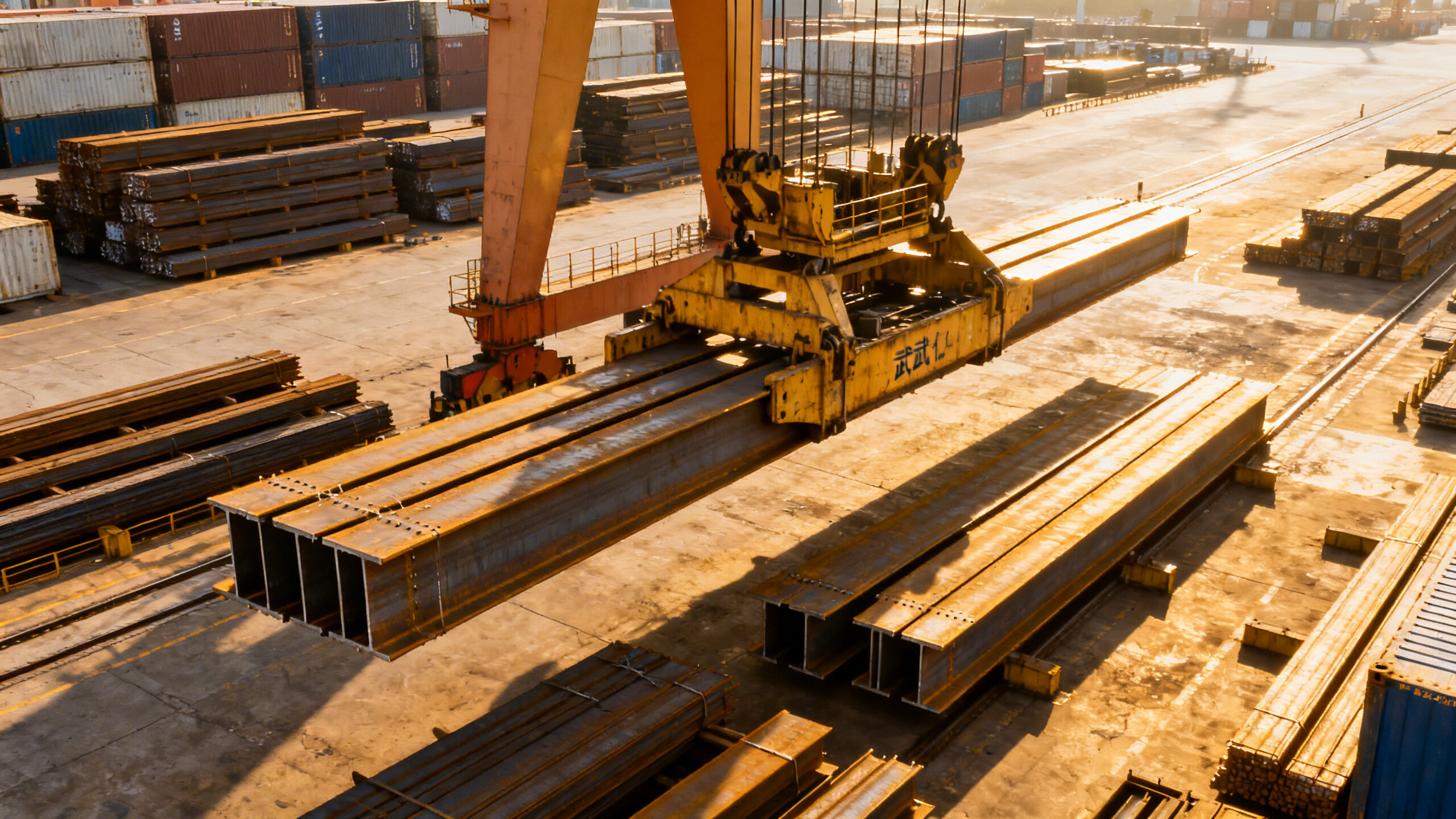
Steel piles for port construction refer to long, heavy-duty cylindrical steel members driven deep into the seabed to support quays, docks, waterfronts, and heavy port equipment. These piles bear axial and lateral loads from superstructures and are fundamental in transferring them to subsoils of sufficient bearing capacity. In recent years, the advancement in carbon steel for pressure vessels and steel profile for architectural design has influenced pile manufacturing, leading to enhanced toughness, weldability, and fatigue life. Standard steel piles can be fabricated from Q235, Q345, or ASTM-graded alloys, depending on the required tensile strength and environmental condition. Coating methods such as hot-dip galvanization or pre-painted steel sheet protection contribute to anti-corrosion performance, essential in saline marine environments. Due to the rise in deep-sea terminals, the integration of Steel Channel for mezzanine floors and structural steel bars offers improved modularity and rapid installation advantages for port engineers worldwide.
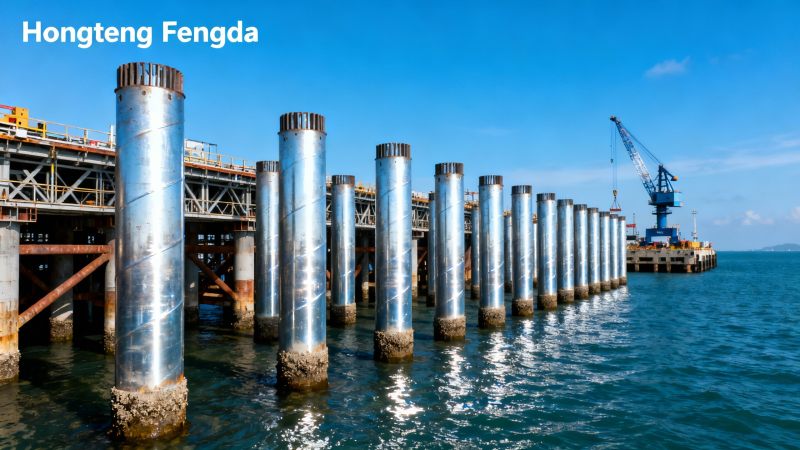
Market Overview and Supply Stability in 2024
The global steel market in 2024 exhibits strong recovery momentum after several years of uncertainty caused by logistic disruptions and raw material fluctuations. Analysts forecast moderate but sustainable growth in steel pile for port construction, supported by large-scale maritime logistics projects across Asia, the Middle East, and Africa. China's steel industry remains the dominant exporter base, with Hongteng Fengda standing as a key supplier ensuring consistent supply stability. The company’s domestic capacity, integrated facilities, and adherence to international standards—ASTM, EN, JIS, and GB—strengthen trust among buyers in North America, Europe, and Southeast Asia. In contrast to smaller regional mills, Hongteng Fengda maintains a diversified raw material source network, minimizing vulnerability to ore price spikes. By strategically balancing production for steel rebar for earthquake resistance, carbon steel for automotive industry, and corrugated steel sheet, it ensures cross-sector resilience and flexible delivery for port construction clients. Furthermore, sustainable steel production initiatives, including low-emission furnaces and waste heat recovery, demonstrate the industry's alignment with carbon neutrality commitments, which are now crucial for global procurement policies.
Technical Performance and Material Advancements
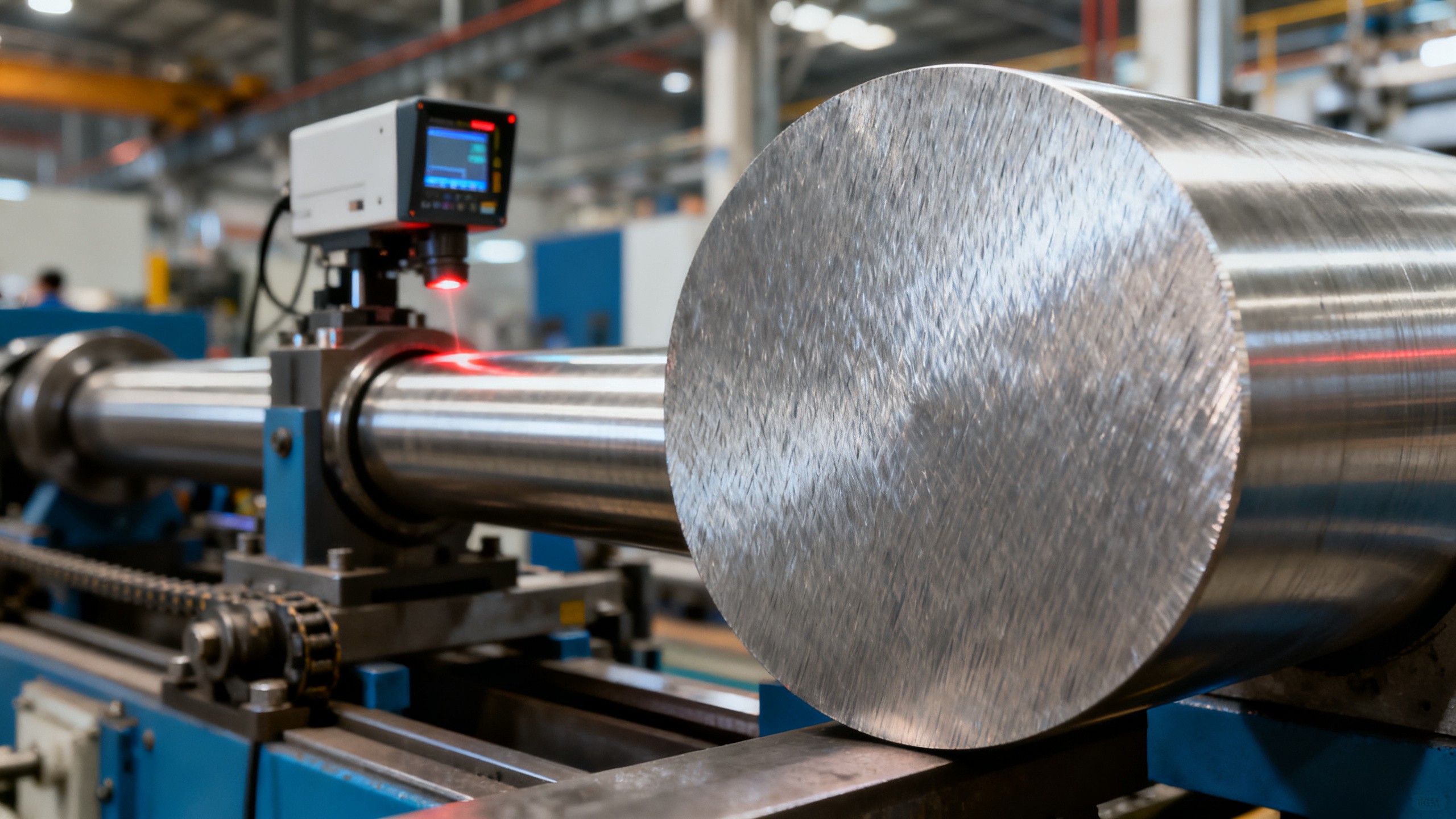
Technical performance remains the cornerstone of competitive port construction materials. The development of structural steel components has evolved to emphasize yield strength, bending capacity, fatigue resistance, and corrosion life. Hongteng Fengda employs advanced testing systems to ensure each batch of steel pile and related steel channel for structural support complies with demanding construction codes. For instance, through high-precision rolling lines and ultrasonic flaw detection, the company guarantees internal soundness and perfect dimension tolerance. The introduction of modern alloys such as Q345 and 16Mn also strengthens ductility while reducing weight-to-load ratio. Complementary products such as HPB300 Rebar provide reinforcement synergy in concrete-embedded parts of ports, enhancing total structural stability. The mechanical property testing showcases a yield strength no less than 300 MPa, fulfilling international benchmarks like API and ISO9001-2008. Together with enhanced steel surface coatings and post-processing options like herringbone or spiral shapes, such integrated quality control ensures each component achieves long-term durability against wave impact and marine corrosion, ensuring effective lifecycle cost management for port operators and contractors.
Application Scenarios and Structural Integration
Applications of steel piles extend far beyond port basins; they form the backbone of breakwaters, container terminals, ferry docks, and bridge piers connecting coastal cities. Engineers leverage them in load-bearing and lateral-resisting applications, ensuring both vertical stability and protection against dynamic wave movements. For example, steel pile configurations often combine carbon steel for pressure vessels and steel rebar for earthquake resistance to deliver hybrid load management. Hongteng Fengda supports custom fabrication, allowing pile lengths and diameters to align with site-specific geotechnical conditions. In addition, complementary materials like Steel Channel for mezzanine floors enable efficient superstructure assembly, integrating seamlessly with cranes and heavy deck equipment. The company’s products have been applied in various international projects where corrosion-resistant coatings and custom welding designs reduce downtime and maintenance costs. Also, key products such as HPB300 Rebar are often specified for stirrup and structural reinforcement in port-related concrete works. This combination of pile and rebar synergy exemplifies system-level optimization — an approach essential to modern port engineering that seeks both efficiency and sustainability.
Procurement Guide and Selection Considerations
When procuring steel pile for port construction, buyers need to evaluate several technical and commercial parameters. Critical factors include chemical composition conformity, coating type, load requirements, and compliance with local port authority standards. Procurement professionals must also assess delivery reliability and after-sales technical support. Hongteng Fengda provides a transparent supply chain and inspection reports validated by SGS and BV, ensuring confidence for project managers and quality control teams. Buyers can also request customized pile head or shoe welding options, or select from multiple specifications such as straight or coiled steel rebar, depending on onsite reinforcement plans. A well-documented procurement checklist might include verifying compliance with EN10210 or ASTM A53 standards for ductility and corrosion resistance, inspecting mill certificates, and reviewing pile-load test results. Early supplier engagement is recommended to optimize foundation design and minimize transportation costs. Additionally, project owners benefit from choosing vendors with diversified portfolios—those who not only provide steel piles but also manufacture related items such as pre-painted steel sheet and corrugated steel sheet—thus consolidating procurement and reducing coordination issues among subcontractors.
Cost, Alternatives, and Economic Sustainability
Cost efficiency is a central consideration for all port infrastructure investments. Steel piles represent a significant fraction of total foundation costs, yet through design optimization and supplier selection, long-term savings can be substantial. Hongteng Fengda promotes value-based engineering, suggesting material combinations like carbon steel for pressure vessels or Steel Channel for structural support to balance cost and durability. The moderate cost advantage of domestic Chinese mills allows international buyers to control budgets without compromising on compliance or performance. Compared with concrete piles, steel piles offer lighter weight, easier handling, and superior recyclability at end-of-life. Alternative materials, such as composite piles incorporating fiber-reinforced polymers, are under research but have yet to match the scale efficiency of structural steel. Moreover, Hongteng Fengda’s in-house galvanizing and coating lines ensure reduced external processing expenses. The alignment with sustainable procurement standards also reduces environmental penalties, creating a combined financial and ecological benefit that aligns with ESG-focused investment parameters dominating industrial port development in 2024.
Standards, Certification, and Quality Assurance
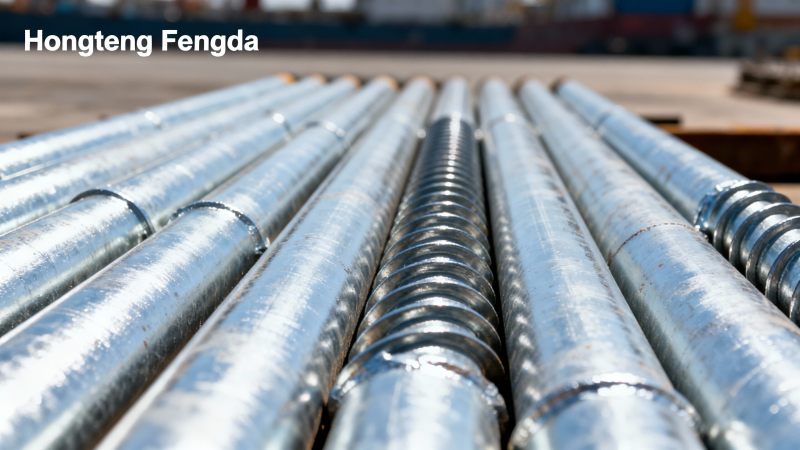
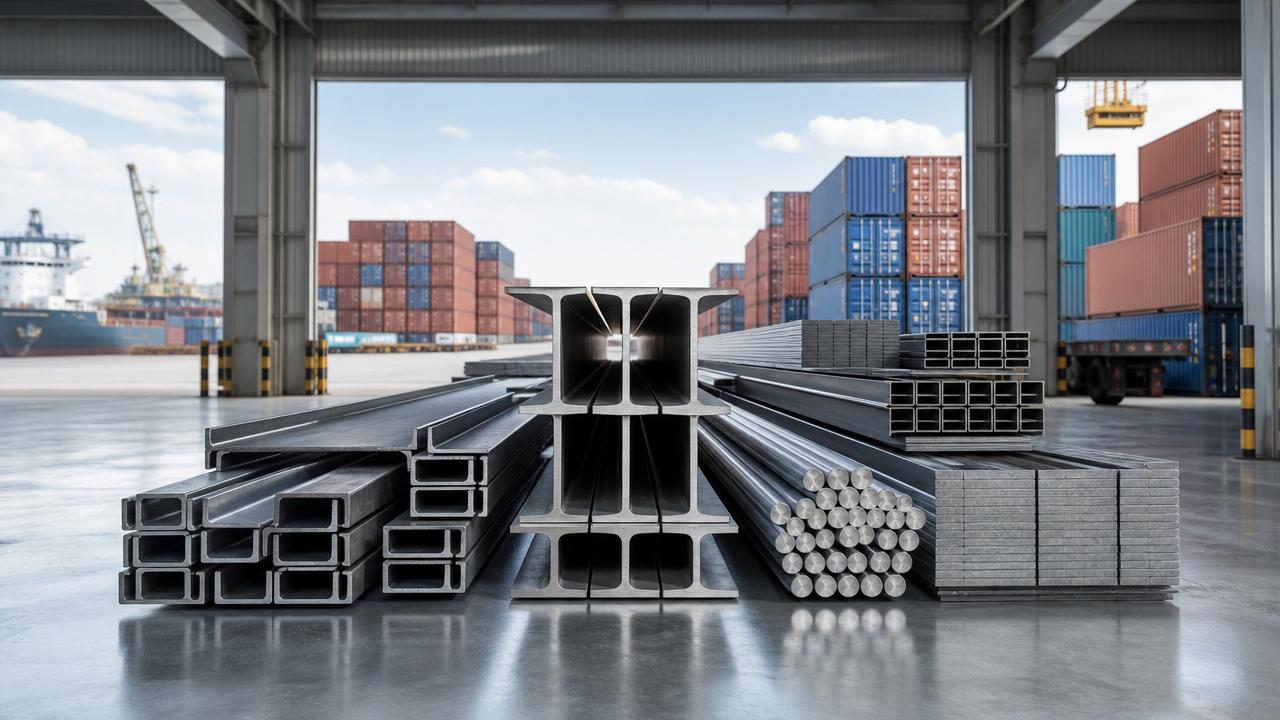
Adherence to global certification systems remains a non-negotiable element within the steel supply chain. Hongteng Fengda’s entire line of structural steel—including angle steel, steel beams, and cold formed profiles—complies with recognized international certifications such as API, ISO9001-2008, and local statutory safety codes. Consistent inspection from raw billet melting to final product loading guarantees dimensional precision and metallurgical uniformity. In port construction projects, quality assurance ensures that steel piles installed below the seabed demonstrate predictable load-bearing characteristics and prolonged corrosion endurance. The company’s internal laboratories perform tensile, impact, and bending tests under simulated marine conditions, validating every batch before shipment. For export compliance, documentation for ASTM, EN, and GB equivalency is prepared, ensuring smooth customs and engineering approvals across multiple continents. This attention to certification and conformity not only mitigates risk for buyers but also strengthens brand reputation in an industry where project delays and safety compliance are tightly regulated.
Trend & Future Insights of Global Steel Pile Market
The future of steel pile for port construction lies in digitized design, green manufacturing, and globalized logistics. Computer simulation technologies now enable precise geotechnical analysis of soil-pile interactions, leading to optimized steel consumption per meter of foundation. Meanwhile, low-carbon manufacturing, such as hydrogen-based smelting, is being integrated by leading steel plants, including Hongteng Fengda's partners. Port modernization programs initiated by international development banks are expanding demand in emerging markets such as Indonesia, Kenya, and Saudi Arabia. With increasingly strict evaluation of environmental impacts, recycled steel and traceability documentation play a decisive role in tender qualification. The adoption of smart coatings capable of self-healing minor surface cracks also exemplifies innovation that extends pile service life. Hongteng Fengda’s continuous upgrades to precision fabrication and smart logistics platforms ensure its global clients benefit from dependable lead times and real-time shipment visibility—key determinants for modern procurement managers, project planners, and distributors managing complex, time-sensitive infrastructure projects.
Why Choose Hongteng Fengda
As a professional structural steel manufacturer and exporter from China, Hongteng Fengda has built lasting partnerships through technical reliability, client-oriented service, and global logistics expertise. The company’s competitive edge lies in its ability to offer full-spectrum structural steel components, including steel channel for mezzanine floors, carbon steel for automotive industry applications, and engineered steel pile systems for ports. Its modern facilities and strict quality control enable consistent production cycles that safeguard clients from market volatility. Whether you are a project director aiming to meet sustainability goals or a distributor focused on cost optimization, Hongteng Fengda offers tailored OEM solutions with guaranteed compliance to ASTM, EN, JIS, and GB standards. The company welcomes collaboration with contractors, importers, and infrastructure developers seeking a reliable supply base for upcoming maritime or industrial projects. Contact Hongteng Fengda today to explore customized steel solutions that ensure strength, stability, and long-term value in your global construction portfolio.
- steel i
- angle steel
- structural steel
- steel beams
- Structural Steel
- Construction Materials
- Steel Beams
- Profile
- Rebar
- Steel Beam
- Steel Channel
- carbon steel
- steel sheet
- steel rebar
- steel profile
- steel pile
- steel bar
- corrugated steel sheet
- carbon steel for automotive industry
- Steel Channel for structural support
- steel pile for port construction
- steel profile for architectural design
- steel rebar for earthquake resistance
- pre-painted steel sheet
- carbon steel for pressure vessels
- Steel Channel for mezzanine floors
Related recommendations
 How Hanwu Steel Supports Faster Supply in the Middle EastHanwu Steel supplier in Middle East for faster, more reliable steel supply. Discover how strong production, export expertise, and custom structural solutions help reduce delays and improve project performance.
 Stainless Steel Pipe Manufacturer: Behind the Scenes of Quality ProductionDiscover precision stainless steel pipe manufacturing with ISO-certified processes, advanced metallurgy & global compliance. Leading manufacturer offering corrosion-resistant solutions for industrial applications.
 Why procurement managers at Chinese port machinery manufacturers switched to Hanwu Steel for construction machinery in Q1 2026Discover why Chinese port machinery leaders chose Hanwu Steel for construction machinery—featuring Z150 steel sheet for shipbuilding & Hot Rolled I Beam for heavy equipment.
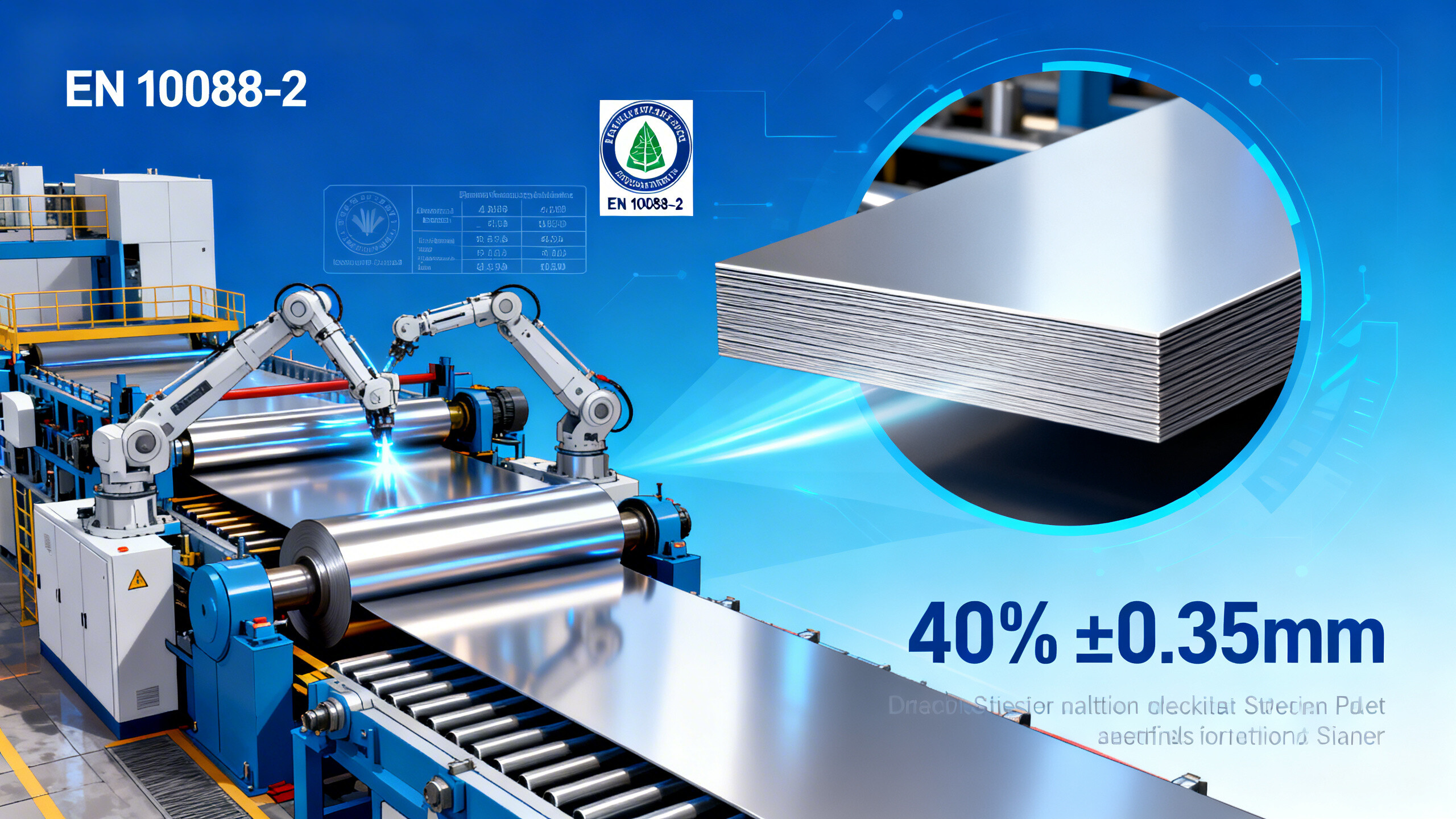
 Company News: New production line launched for flat plate stainless steel for architectural design — capacity up 40% in Q2 2026Flat plate stainless steel for architectural design — now with 40% higher capacity, tighter tolerances & faster lead times. Trusted supplier in Middle East & Southeast Asia.
Please give us a message


Please enter what you want to find