Selecting the right steel rebar for construction projects is key to balancing performance, cost, and longevity. Whether you’re comparing high strength steel rebar grades, corrosion resistant steel rebar for bridge construction, or sourcing an ASTM certified steel rebar supplier in the USA or Europe, understanding material differences can significantly improve your ROI. As a custom steel rebar supplier and manufacturer in China, Hongteng Fengda helps global buyers secure reliable solutions for industrial and infrastructure applications. With years of production expertise, advanced manufacturing technology, and strict quality control, the company supports bridge builders, industrial developers, and distributors to achieve long-term cost performance and structural reliability in all types of construction projects.
Definition and Overview of Steel Rebar Grades
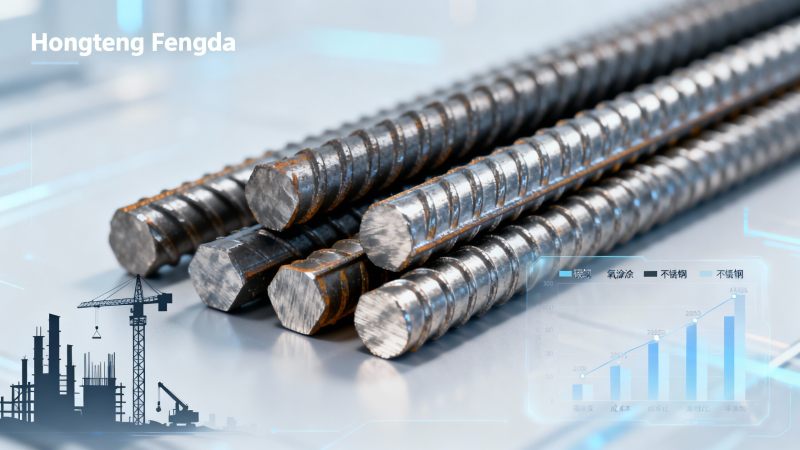
Steel rebar, or reinforcing bar, is a key component in reinforced concrete and masonry structures, designed to enhance tensile strength and improve overall load-bearing capacity. The performance and long-term durability of a structure greatly depend on selecting the proper grade and type of rebar. Common material grades include carbon steel, alloy steel, stainless steel, and epoxy-coated rebars. High strength steel rebar grades are generally used where superior load capacity and reduced material quantities can lower project costs. Corrosion resistant steel rebar, often used in bridge construction and coastal infrastructure, provides extra protection against moisture and chloride attack. ASTM certified steel rebar ensures compliance with international standards such as ASTM A615, ASTM A706, EN10080, and JIS G3112, providing engineers and quality inspectors with predictable performance parameters for projects in the USA and Europe. Properly choosing among these grades means engineers and procurement specialists can achieve an optimal balance between strength, weldability, fatigue life, and price per ton.
Market Overview and Global Supply Chain Insights
Over the last decade, the global demand for steel rebar for construction projects has shown steady growth due to urbanization, infrastructure renewal, and rapid industrial expansion. Particularly, bridge construction and high-rise developments in Asia and North America continue to drive the market. Global buyers increasingly seek corrosion resistant steel rebar and high strength steel rebar manufacturer partnerships to ensure durability and sustainability. As a structural steel manufacturer and exporter from China, Hongteng Fengda plays a strategic role in supporting these needs through stable production capacity and consistent international compliance. In recent years, market intelligence indicates that ASTM certified steel rebar and custom steel rebar supplier channels have become essential for project management teams needing traceable quality and flexible specifications. The European construction sector places high emphasis on safety and CE marking compliance, whereas the USA market tends to evaluate suppliers based on ASTM standards and cost per ton. Materials engineers, purchasing managers, and safety inspection officers all prioritize suppliers who can combine reliability with responsiveness. Advanced pre-painted and corrosion-resistant materials such as the PPGL Steel Sheet are also contributing to the diversification of steel usage in roofing, wall cladding, and industrial manufacturing environments, indicating how diversified steel materials can cross-enhance value in multi-sector construction supply chains.
Comparison Analysis: Material Grades and ROI Evaluation
When comparing steel rebar grades, decision-makers must evaluate both mechanical and economic factors. Carbon steel rebar is cost-effective and widely used but is prone to corrosion if left unprotected. Epoxy-coated bars extend life cycles significantly in bridge decks or coastal areas, while stainless and galvanized versions present even higher resistance but at elevated material costs. High strength steel rebar, marked with higher yield points (e.g., 500 MPa or more), may reduce required material volume by 15–25% for the same structural performance, directly improving ROI for construction companies. A quantitative ROI model often includes parameters such as service environment, expected maintenance cycle, steel rebar price per ton, and lifecycle cost analysis. For example, using corrosion resistant steel rebar in marine infrastructure may initially cost 20% more but substantially reduce repair and replacement budgets over a 25–40-year lifecycle. Procurement specialists and cost controllers evaluate these factors alongside project scale to select the best-suited rebar supplier in the USA or Europe. Having a custom steel rebar supplier capable of delivering ASTM-certified materials with short lead times allows project managers to manage both technical and financial risk efficiently. Hongteng Fengda’s engineering team provides transparent cost breakdowns and supports customers in comparing grades to secure better total cost performance.
Technical Performance and Standards Compliance
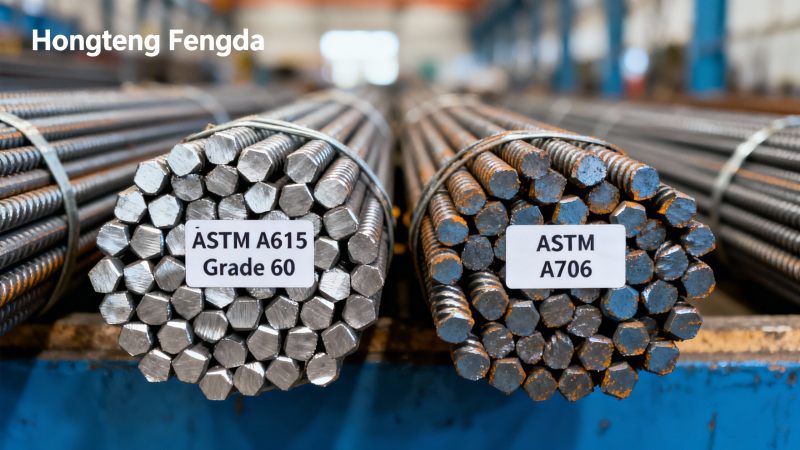
Rebar performance directly influences structural safety and durability. Key parameters include yield strength, tensile ratio, elongation, bonding properties with concrete, and corrosion potential. ASTM certified steel rebar typically falls under specific tensile strength ranges, while EN and JIS standards define composition and dimensional accuracy. For instance, ASTM A615 Grade 60 and Grade 75 are widely accepted for infrastructure projects in North America, while EN10080 B500B and B500C are prevalent across Europe. Hongteng Fengda manufactures steel rebars that comply with these international benchmarks, ensuring consistent mechanical performance and weldability even under fluctuating loads. Moreover, surface treatment technologies—such as epoxy coating or zinc plating—prolong service life under aggressive environmental conditions. By integrating advanced cold forming, straightening, and automated inspection, Hongteng Fengda maintains high production yield and uniform mechanical properties across large batches. Products undergo multi-step quality checks, including tensile and chemical analysis, to ensure ASTM, EN, JIS, and GB compliance. This level of precision and certification helps quality control and safety professionals maintain audit-ready documentation while minimizing field risk. In addition to rebar, the company also supplies complementary materials like pre-painted aluminum-zinc panels, including the PPGL Steel Sheet, whose advanced coating composition of 55% aluminum, 43.4% zinc, and 1.6% silicon demonstrates how corrosion resistance principles are also utilized across product families.
Procurement Guide: How to Choose the Right Rebar Supplier
Procurement decisions in large-scale construction often extend beyond technical parameters to include supplier dependability, logistics efficiency, and post-sales support. When sourcing steel rebar for industrial applications or bridge infrastructure, purchasers should consider five key factors: standards compliance, production capacity, delivery lead time, price transparency, and customization capability. A qualified steel rebar exporter to Europe or the USA must hold mill certificates verifying ASTM or EN compliance, offer clear material traceability, and provide test reports for each batch. Flexible shipment scheduling and stable production ensure that project timelines remain intact even under supply-chain disruptions. Hongteng Fengda’s integrated manufacturing and export capabilities allow clients from multiple regions to access tailored material solutions, whether requiring cut-to-length, coupler-ready bars, or specific corrosion-resistant coatings. The company’s technical advisors also guide project managers through rebar selection based on seismic resistance, temperature variation, and installation requirements. By maintaining open communication channels, engineers and procurement departments can coordinate material logistics efficiently and avoid cost overruns. Reliable lead time and consistent documentation strengthen the confidence of construction firms and distributors, ensuring each ton of steel delivers measurable project value.
Application Scenarios and Industry Use Cases
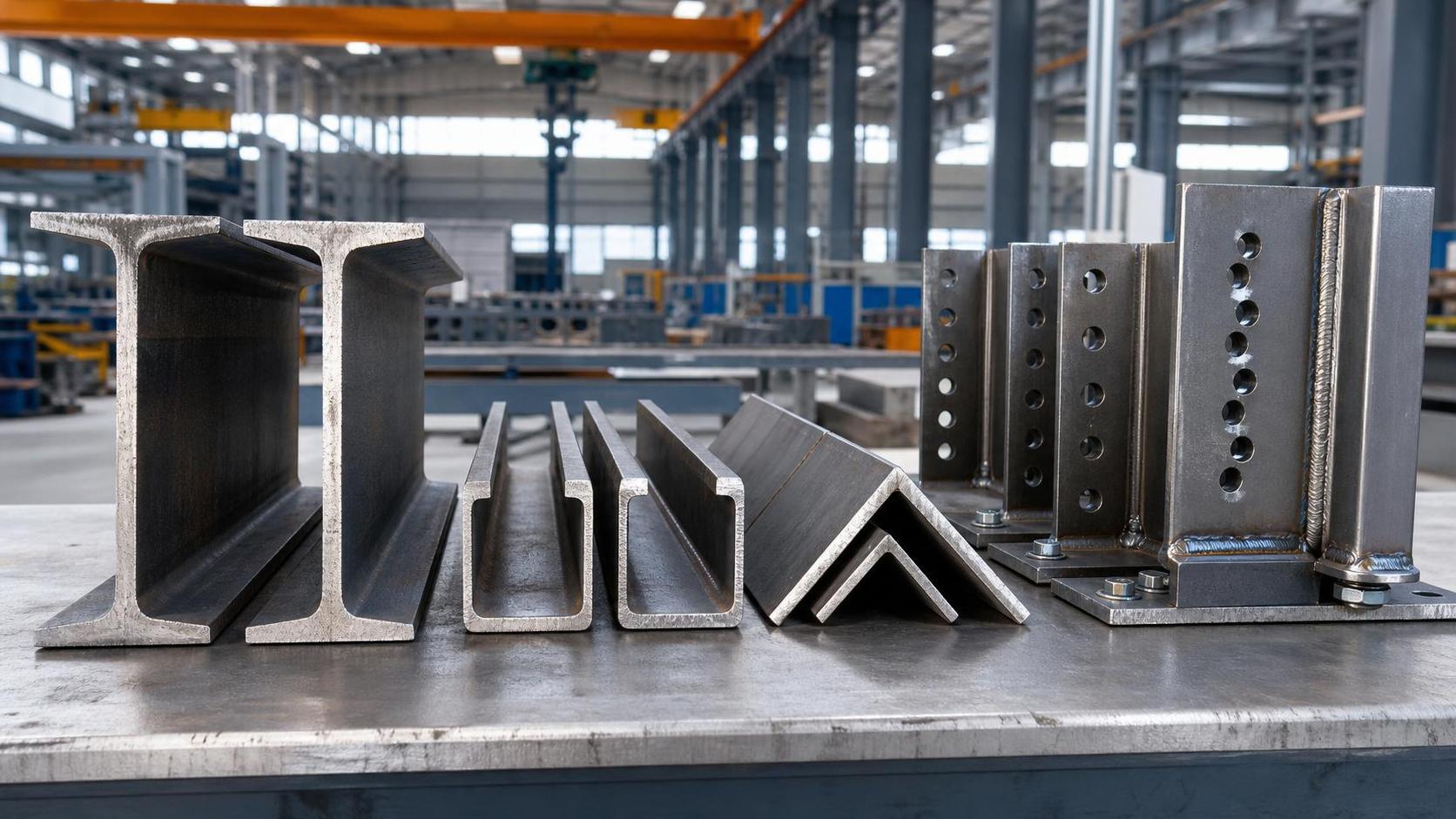
Steel rebar serves as the backbone of infrastructure development. In bridge construction, corrosion resistant steel rebar minimizes maintenance frequency and prevents chloride-induced cracking—a frequent issue in coastal installations. High strength rebar finds major application in high-rise buildings, industrial plants, and heavy-load concrete foundations, where reduced bar diameter allows for more compact reinforcement designs. Industrial applications also include tunnels, oil refineries, and power plants, requiring high tensile performance under heat and vibration. Hongteng Fengda collaborates with international EPC contractors and distributors to supply steel rebar for construction projects across continents. For quality and safety officers, proper documentation and on-time delivery reduce inspection costs and delay risks. For project management and decision makers, product reliability translates directly into reduced overall construction risks. The company also provides complementary structural components like beams, angle steels, channel steels, and cold formed profiles for total project integration. Supporting materials such as high-performance coating panels are widely used in roofing and wall systems for warehouses, factories, and public facilities. This full-spectrum offering enables turnkey construction support—from rebar reinforcement to exterior finishing—under one trusted brand.
Cost Considerations and Long-Term Alternatives
When evaluating the steel rebar price per ton, it's important to factor in lifecycle and maintenance costs. Lower upfront prices may seem attractive, yet frequent corrosion repairs can double long-term expenditure. High strength steel rebar may initially carry a slight cost premium but enables material saving, faster placement, and extended service life. The economic model thus shifts focus from initial purchase to the value-over-time principle. Depending on climate, exposure to de-icing salts, or structural stress levels, engineers might combine multiple grades in one structure—using corrosion resistant steel rebar for exposed zones and standard bars for internal sections. Alternative materials such as fiber-reinforced polymer (FRP) are emerging but remain more expensive and less proven for mass use. Therefore, optimizing steel rebar selection continues to be the primary cost-effective path for most projects. Hongteng Fengda’s production expertise, together with OEM customization services, ensures buyers can secure appropriate grades aligned with budget constraints and project specifications. By integrating flexible supply options, the company assists global partners to improve cash flow and manage raw material volatility better than conventional suppliers. For distributors and agents, such reliability enhances competitiveness in bidding markets, improving profitability and reputation.
Case Studies and Performance Outcomes
In one notable bridge construction project in Southeast Asia, utilizing high strength steel rebar manufactured by Hongteng Fengda resulted in a 12% reduction in steel consumption and a 20% drop in installation time. The corrosion resistant coating significantly extended the estimated bridge service life beyond 50 years with minimal maintenance. Likewise, a European industrial application involving heavy manufacturing foundations benefited from ASTM certified steel rebar meeting A706 grade standards, providing consistent performance under repetitive loading cycles. For North American clients, customized packaging and on-site inspection support facilitated smoother logistics and reduced rework. Such outcomes validate the practical benefits of sourcing from a professional structural steel manufacturer and exporter with internationally recognized capability. Each case reaffirms the importance of integrating material expertise, engineering support, and international compliance. The synergy of technology and experience helps construction teams worldwide ensure structural integrity, timely completion, and optimal ROI. These proven results reflect Hongteng Fengda’s consistent commitment to global project excellence, making the company a trusted partner for demanding engineering challenges.
Trends and Future Insights
Industry trends point toward sustainable materials, digital traceability, and smart construction integration. Demand for corrosion resistant and recyclable steel rebar will increase due to global carbon-neutral targets. Advanced metallurgy and alloying techniques will enable lighter yet stronger reinforcing bars. Furthermore, the digitalization of rebar logistics—such as QR-coded batch tracking—will streamline material management from manufacturing plant to job site. Hongteng Fengda continues to invest in environmentally friendly production lines and automation systems, enhancing both consistency and energy efficiency. Future-ready procurement teams now prioritize not just cost but environmental and lifecycle impact. With expanding infrastructure requirements across emerging economies and refurbishment projects in developed regions, global rebar demand is expected to remain robust for the next decade. Manufacturers that offer integrated solutions—encompassing design consultation, customization, and technical support—will maintain a competitive edge in the international steel marketplace. Hongteng Fengda’s combination of production precision, compliance assurance, and sustainable practices positions it at the forefront of this transformation, providing long-term value to both industrial and infrastructural partners.
Why Choose Hongteng Fengda
As a structural steel manufacturer and exporter from China, Hongteng Fengda delivers measurable benefits through consistent quality, flexible specification, and global distribution capability. With compliance to ASTM, EN, JIS, and GB standards, the company ensures all steel rebar for construction projects meets or exceeds international performance expectations. Production facilities integrate modern equipment, allowing batch-level quality traceability for every ton of material shipped. For decision makers and procurement professionals, this reliability minimizes sourcing risk and reduces long-term maintenance expenses. For project managers and engineers, it reinforces trust in every design calculation. Whether you are a steel rebar supplier in the USA, an exporter to Europe, or a project consultant seeking premium corrosion resistant steel rebar, partnering with Hongteng Fengda means gaining a dependable supply chain ally. The company’s professional team stands ready to provide technical consultation, custom specifications, and responsive logistics support. Reach out today to learn how Hongteng Fengda can enhance your construction ROI with world-class rebar and structural steel solutions tailored to your unique application.
- channel steel
- angle steel
- ASTM standards
- ASTM standard
- structural steel
- Structural Steel
- Corrosion Resistant Steel
- Profile
- Rebar
- Rebar for construction
- Galvanized
- carbon steel
- steel sheet
- steel rebar
- steel rebar for construction projects
- high strength steel rebar manufacturer
- ASTM certified steel rebar
- steel rebar price per ton
- steel rebar for industrial applications
- custom steel rebar supplier
- steel rebar exporter to Europe
- corrosion resistant steel rebar
- steel rebar for bridge construction
Related recommendations
 How to Select a Steel Profile Based on Load, Span, and Fabrication NeedsProfile selection starts with load, span, and fabrication needs. Learn how to compare steel sections for strength, cost, workability, and sourcing efficiency.
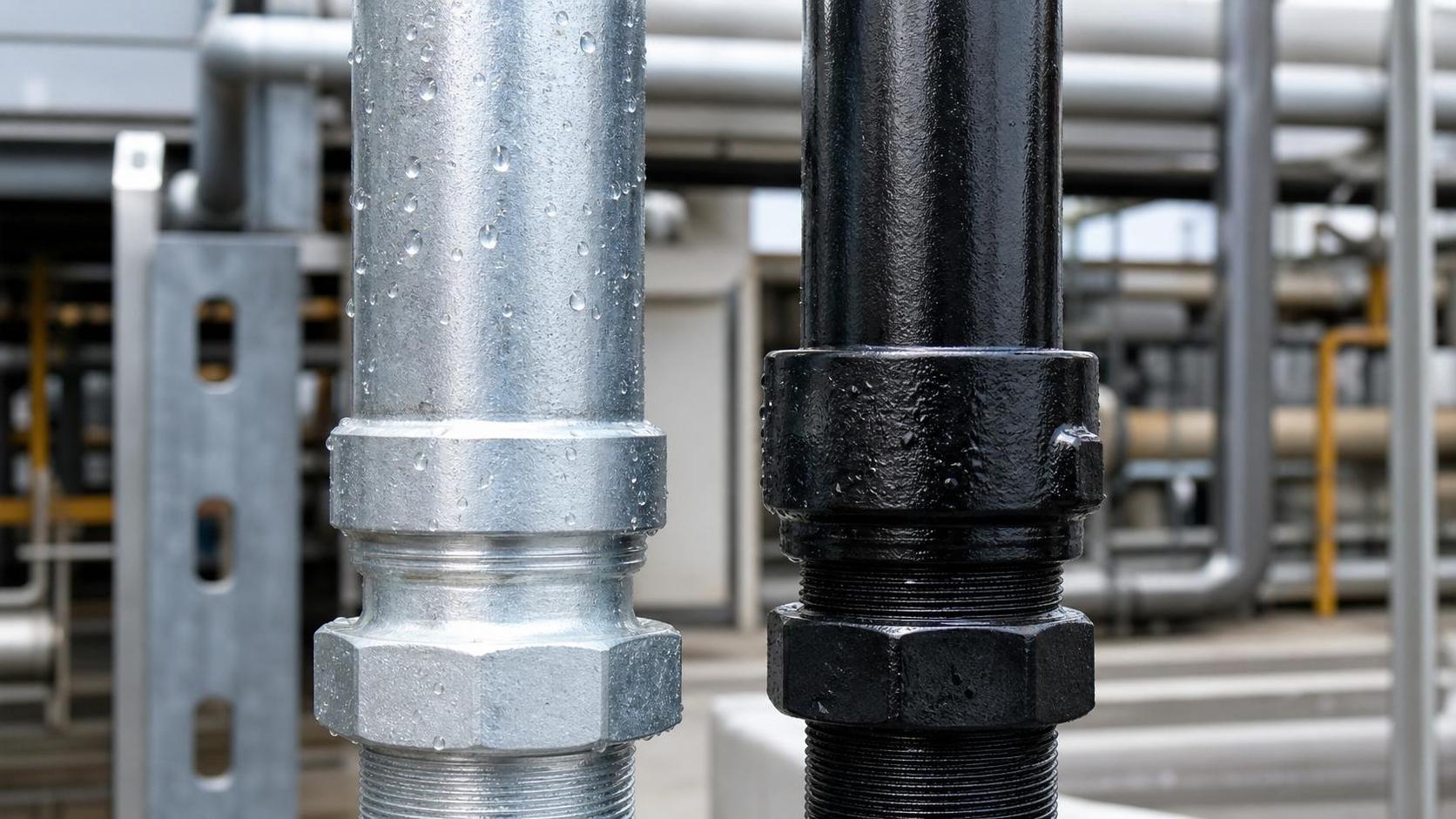
 Galvanized Pipe vs Black Pipe: Which One Fits Water, Gas, or Outdoor Lines?Galvanized pipe or black pipe? Compare the best choice for water, gas, and outdoor lines, with key insights on corrosion, codes, cost, and long-term performance.
 How to Choose Steel Roofing for Warehouses, Farms, and Residential BuildingsSteel Roofing selection depends on building type. Learn how warehouses, farms, and homes differ in corrosion, insulation, drainage, and cost for smarter roofing decisions.
 Hot-Dip Galvanized vs Pre-Galvanized Steel: Which Should You Specify?Hot-dip galvanized vs pre-galvanized steel: compare corrosion resistance, fabrication impact, cost, and standards to specify the right steel solution for durable, compliant projects.
Please give us a message


Please enter what you want to find