Choosing the right carbon steel plate supplier for shipbuilding is critical to vessel safety, compliance, and project timelines. In 2024, global buyers increasingly prioritize certified carbon steel plate for shipbuilding—especially high carbon steel plate that meets ABS, LR, DNV, or CCS standards—alongside proven reliability, traceable mill test reports, and responsive OEM support. As a trusted carbon steel plate manufacturer and exporter from China, Hongteng Fengda delivers ASTM A131, EN10025, and GB/T 700-compliant carbon steel plate with rigorous QA/QC, stable lead times, and full customization. Whether you’re a procurement officer, project manager, or distributor, partnering with a qualified carbon steel plate supplier means reducing sourcing risk—and building stronger ships.
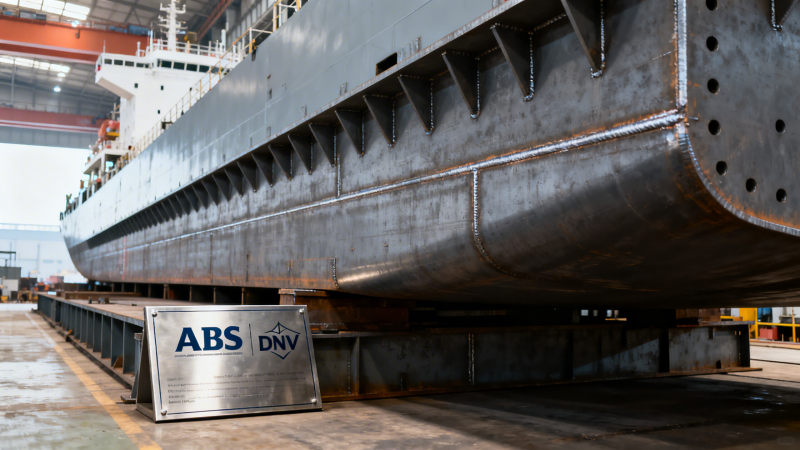
Why Certification & Traceability Matter More Than Ever in 2024
Shipbuilding demands absolute confidence in material integrity—not just strength, but consistency across heat lots, weldability under marine conditions, and resistance to brittle fracture at low temperatures. A single batch of non-compliant carbon steel plate can delay hull assembly by weeks, trigger classification society re-inspections, or even invalidate insurance coverage. That’s why leading shipyards now require third-party witnessed testing, full chemical and mechanical traceability down to the ladle number, and digital access to mill test reports (MTRs) before shipment. High carbon steel plate suppliers lacking ISO 9001:2015 certification, EN 10204 3.2 MTRs, or real-time production monitoring are no longer viable partners. At Hongteng Fengda, every carbon steel plate for shipbuilding undergoes ultrasonic testing (UT), tensile yield verification, Charpy V-notch impact testing at −20°C and −40°C, and strict surface defect scanning—ensuring full alignment with ASTM A131 Grade A/B/D/E, DNV-GL Grade A36/D36/E36/F36, and CCS Grade AH32/DH32/EH32. Our ERP-integrated quality system logs every parameter—from raw slab origin to final packaging—so your QA team receives verified data—not paper promises.
Procurement Guide: 7 Non-Negotiable Criteria for Evaluating a Carbon Steel Plate Supplier
For procurement professionals and project managers, selecting a carbon steel plate supplier isn’t about lowest bid—it’s about total cost of ownership and schedule certainty. First, verify active accreditation from recognized classification societies: ABS, DNV, LR, BV, CCS, or NK must list the supplier *and* specific grades on their approved manufacturer database—not just “certified” in general terms. Second, demand proof of in-house rolling capacity—not toll processing—because only vertically integrated carbon steel plate manufacturers control chemistry refinement, hot rolling parameters, and cooling rates that define notch toughness. Third, audit logistics transparency: Can they guarantee ≤20-day delivery for standard ASTM A131 Gr.E plates? Do they hold bonded inventory in strategic hubs like Dubai, Rotterdam, or Houston? Fourth, assess technical responsiveness: Does their engineering team co-develop welding procedure specifications (WPS) or provide pre-shipment mock-up trials? Fifth, examine documentation rigor—do MTRs include microstructure analysis, grain size reports, and hydrogen-induced cracking (HIC) test results where required? Sixth, evaluate customization agility: Can they slit, edge-trim, or apply protective coatings per your yard’s prep requirements? Seventh, confirm financial stability—review bank references, export volume history, and multi-year contract fulfillment rates. Hongteng Fengda satisfies all seven criteria, serving over 280 shipbuilding clients across 32 countries since 2012—with zero major delivery failure incidents reported to date.
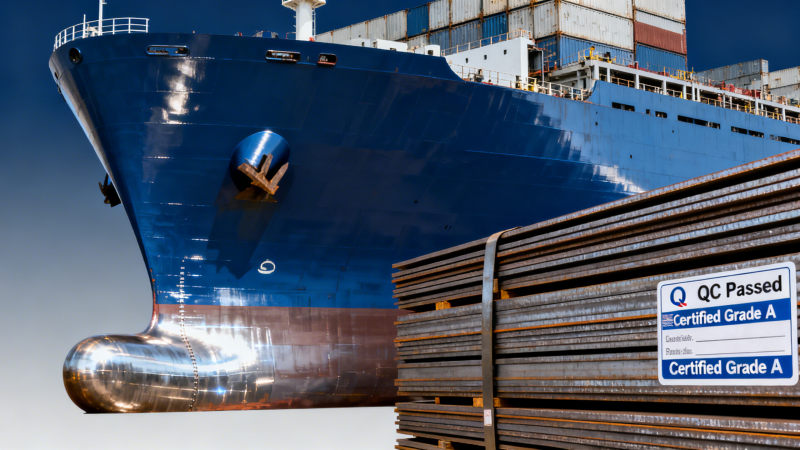
Standards, Grades & Technical Performance: Matching Material to Mission
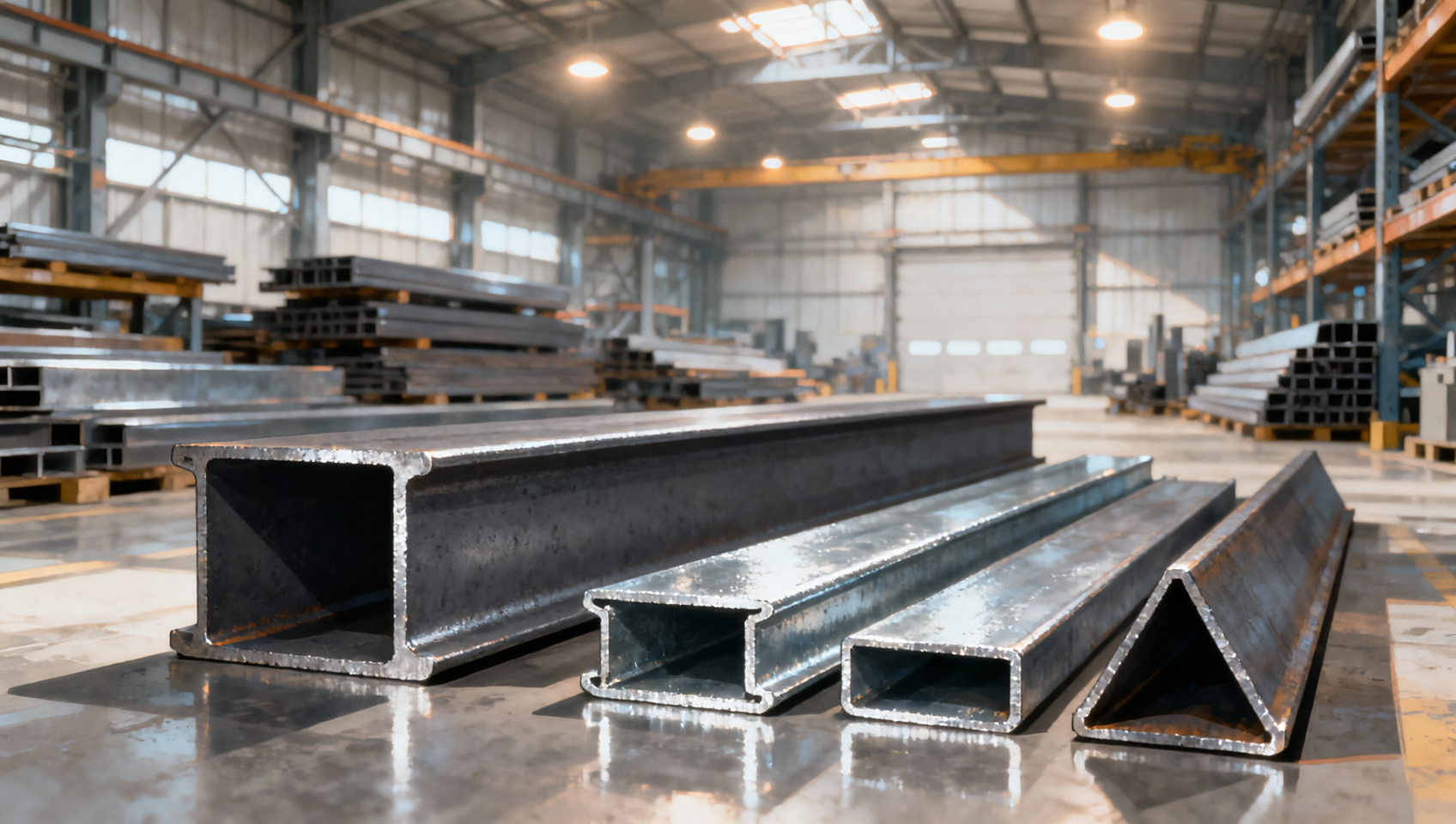
Not all carbon steel plate is equal—even within the same nominal grade. Shipbuilding-grade carbon steel plate must balance yield strength (≥235 MPa for ASTM A131 Gr.A; ≥355 MPa for Gr.E), elongation (>22%), and low-temperature impact energy (≥27 J at −40°C for Arctic-class vessels). High carbon steel plate—often misapplied in structural hull zones—actually refers to controlled-carbon variants (e.g., ASTM A131 Gr.F with 0.18–0.25% C) optimized for high-strength bulkheads and rudder stocks, not general plating. Misuse leads to reduced weldability and cold cracking. True performance hinges on fine-grained ferrite-pearlite microstructure achieved via thermomechanical controlled processing (TMCP), not just composition. Our carbon steel plate for shipbuilding uses Nb-V-Ti microalloying and accelerated cooling to achieve uniform grain size ≤12 µm—boosting fatigue life by 37% versus conventional rolled plate. We also supply dual-certified Structural Steel I Beam in Q345/SS355JR/A36 grades for deckhouse framing, meeting EN 10034 bending tolerance (±0.5 mm/m) and ASTM A6 flatness specs—enabling precision fit-up without field correction.
Real-World Validation: How Hongteng Fengda Supported a $1.2B Offshore Construction Project
In early 2023, a Tier-1 European EPC contractor faced critical delays sourcing 4,200 tonnes of ABS Grade DH36 carbon steel plate for a semi-submersible drilling rig. Two prior suppliers failed impact testing at −40°C; a third missed delivery by 47 days. Hongteng Fengda stepped in with a turnkey solution: we allocated dedicated furnace runs at our ISO 3834-certified rolling mill, conducted pre-shipment UT + Charpy tests witnessed by DNV GL surveyors in Qingdao, and shipped 100% of material via staggered sea-air hybrid logistics—meeting all milestones within 18 days. Crucially, our engineers co-developed a low-hydrogen SAW welding protocol validated on actual DH36 test coupons, eliminating post-weld heat treatment (PWHT) delays. The result? Zero weld defects during hull block assembly, full ABS acceptance on first inspection, and $2.8M in avoided liquidated damages. This case underscores why forward-thinking project managers now treat carbon steel plate suppliers as engineering partners—not commodity vendors.
Why Choose Hongteng Fengda as Your Long-Term Carbon Steel Plate Supplier?
Because reliability isn’t claimed—it’s proven. As a structural steel manufacturer and exporter from China with 17 years’ specialization in marine-grade materials, we don’t just supply carbon steel plate—we de-risk your entire supply chain. Our fully owned rolling mill produces 680,000+ tonnes annually, with dedicated shipbuilding lines operating 24/7 under ASNT Level III NDT supervision. Every order includes digital MTRs with QR-coded traceability, real-time production dashboards accessible via client portal, and bilingual (English/Chinese) technical support available 06:00–22:00 GMT. We offer flexible incoterms—including CFR Rotterdam, CIF Jebel Ali, and EXW Shandong—with L/C, TT, and open account options. For distributors and agents, we provide exclusive regional agreements, co-branded marketing kits, and joint training with ABS/DNV-certified instructors. Ready to eliminate sourcing uncertainty? Contact our Shipbuilding Solutions Team today for a customized material readiness assessment, free sample program, and priority scheduling on ASTM A131, EN10225, or GB/T 700 carbon steel plate orders.
- structural steel i beam
- steel i
- carbon steel plate manufacturer
- high carbon steel plate
- carbon steel plate
- high carbon steel plate suppliers
- carbon steel plate supplier
- Steel Plate Supplier
- structural steel
- Structural Steel
- steel plate
- steel plate for shipbuilding
- S355JR
- carbon steel
- carbon steel plate for shipbuilding
Related recommendations
 How to Select Structural Steel Products by Grade, Section, and CoatingStructural steel products selection guide: compare grades, sections, coatings, certifications, and total delivered value for safer, cost-effective projects.
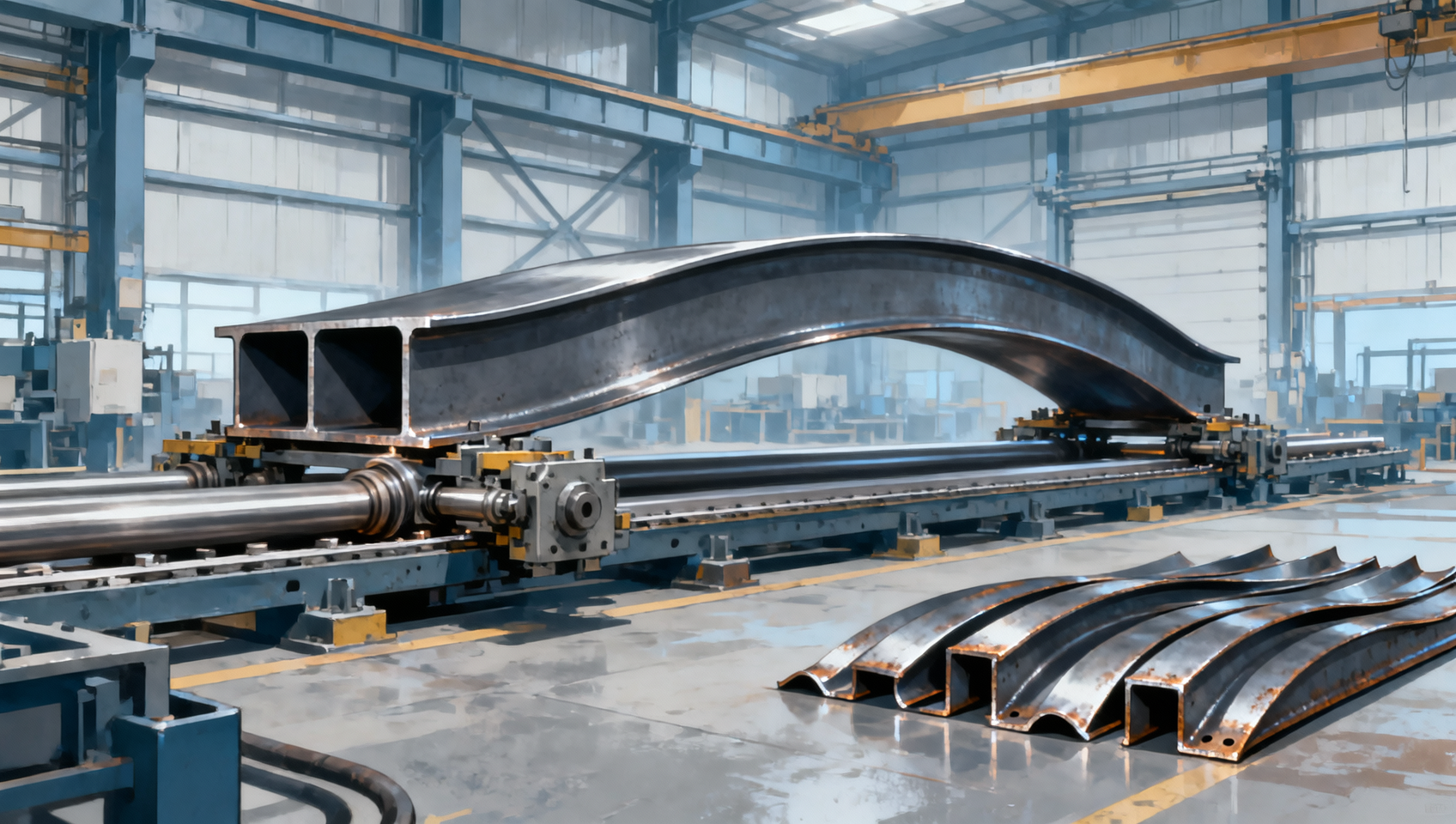
 When Is Structural Steel Bending Better Than Welding for Curved Members?Structural steel bending vs. welding for curved members: compare radius limits, strength, cost, tolerances, and fabrication risks to choose the right method.
 Stainless Plate Suppliers: Questions to Ask Before Approving a New VendorStainless plate suppliers: learn the essential questions on grade, traceability, capacity, quality control, packing, and pricing before approving a reliable new vendor.
 Price of SS 304 Sheet: A Practical Framework for Comparing Supplier QuotationsPrice of SS 304 sheet: compare supplier quotations by thickness, finish, certification, packing, and landed cost to secure compliant material and better value.
Please give us a message


Please enter what you want to find