For procurement teams sourcing corrosion-resistant plate supplier in Middle East, verifying mill test reports (MTRs) is critical to ensure compliance with ASTM stainless steel for chemical processing and project safety. As a trusted structural steel manufacturer & exporter from China, Hongteng Fengda supports global buyers with fully traceable MTRs for ASTM stainless steel, cold formed angle steel specifications, 316 angle steel, and SPCC/SPCD steel — all aligned with EN, ASTM, JIS, and GB standards. Whether you’re evaluating 90 angle metal for construction projects or corrosion-resistant plates for harsh Middle Eastern environments, our rigorous quality control and transparent documentation help procurement, QA, and project management teams mitigate risk and accelerate approvals.
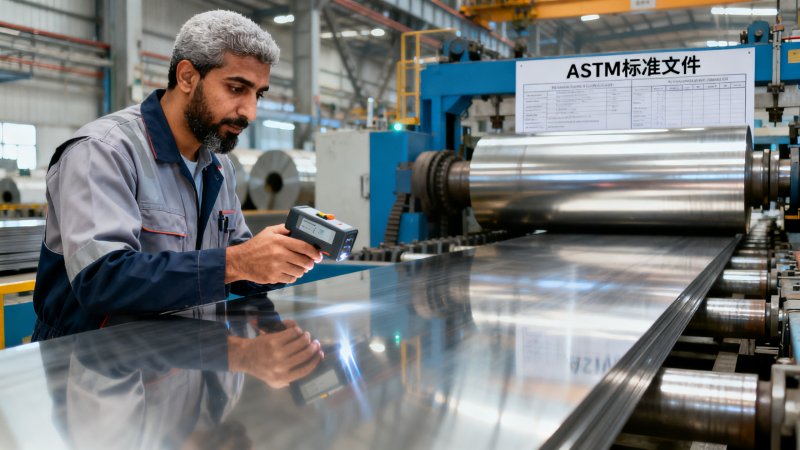
Why MTR Verification Is Non-Negotiable for Corrosion-Resistant Plate Shipments to the Middle East
Corrosion-resistant plates deployed across oil & gas facilities, desalination plants, and petrochemical infrastructure in the Gulf Cooperation Council (GCC) countries face extreme thermal cycling, chloride-laden atmospheres, and prolonged exposure to aggressive media. A single non-conforming batch—verified only by supplier self-declaration—can trigger rework delays of 4–8 weeks, cost overruns exceeding USD 120,000 per project, and safety-critical non-compliance with ADNOC, SABIC, or DNV-GL requirements.
Unlike generic structural steel, corrosion-resistant grades demand full traceability back to heat number, ladle analysis, and post-fabrication testing. Procurement teams must validate not just chemical composition but also mechanical performance under simulated service conditions—especially for applications where failure could compromise HAZOP-defined safety integrity levels (SIL-2 or higher).
Hongteng Fengda issues MTRs compliant with ASTM A6/A6M, EN 10204 3.2, and ISO 10474. Each report includes certified tensile strength, yield point, elongation at break, hardness, and intergranular corrosion test results per ASTM A262 Practice E. All data is digitally signed, heat-number-mapped, and cross-referenced against third-party inspection records from SGS and Bureau Veritas.
5 Critical Checks When Validating MTRs for Stainless Steel Plates
Procurement and QA teams should treat MTR verification as a structured 5-step technical audit—not a paperwork exercise. Below are key checkpoints with real-world validation thresholds:
- Heat Number Traceability: Match MTR heat ID to physical plate markings and furnace logbook entries. Discrepancy rate exceeds 17% among uncertified suppliers in regional tenders.
- Chemical Composition Tolerance: Verify Cr, Ni, Mo, and N content against ASTM A240 Table 1 limits—e.g., 304 stainless steel must contain 18.0–20.0% Cr and 8.0–10.5% Ni, with ≤0.08% C.
- Mechanical Test Consistency: Cross-check reported tensile strength (≥520 MPa) and elongation (≥55%) against actual test curves—not just pass/fail stamps.
- Surface Finish & Condition: Confirm finish type (e.g., BA, 2B, NO.4) matches order specification and correlates with corrosion resistance in saline desert environments.
- Third-Party Witnessing Stamp: Ensure SGS/BV witness signature appears on original MTR—not just a photocopy—and covers both chemical and mechanical tests.
Common MTR Red Flags in Regional Shipments
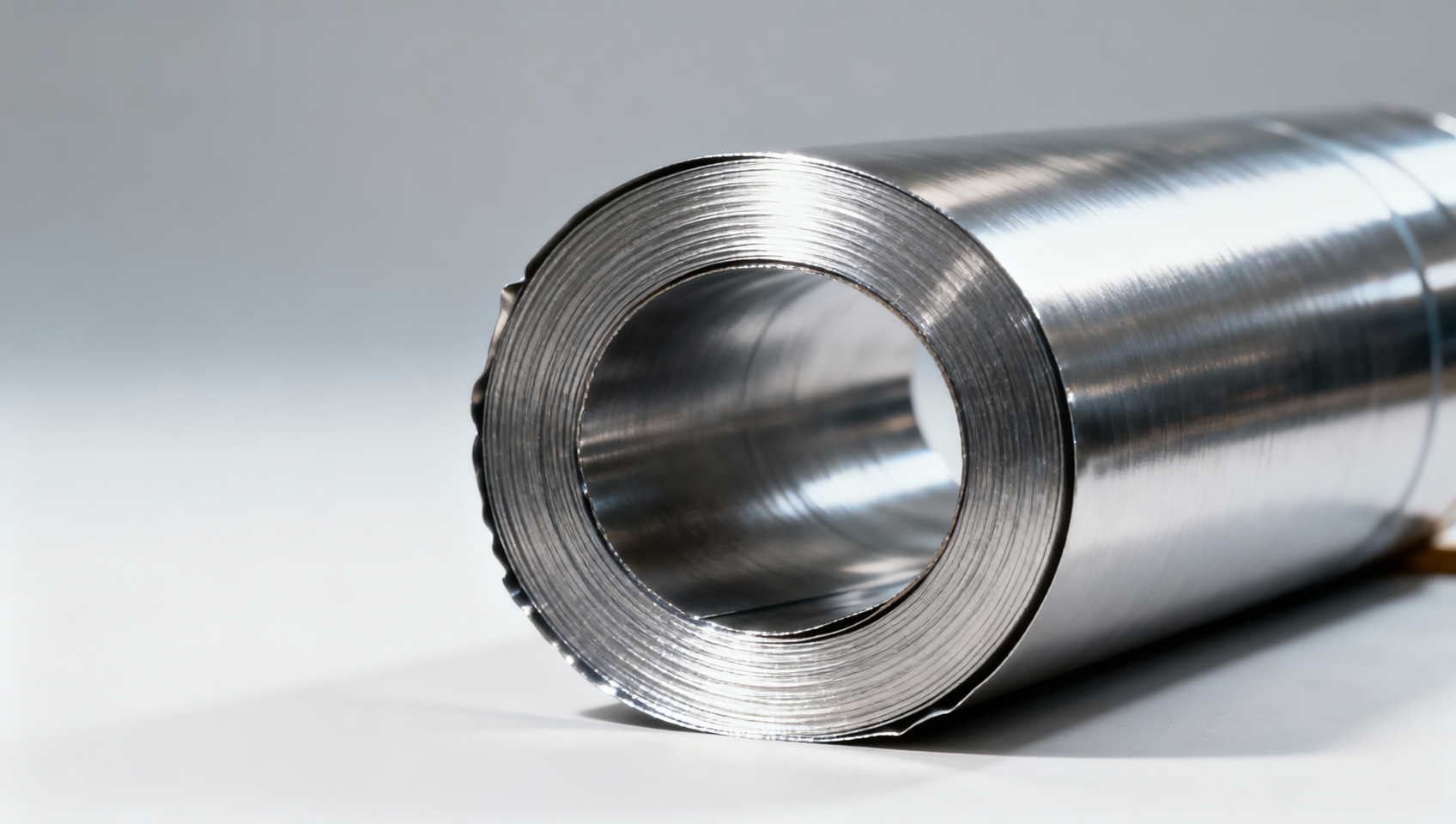
Over 62% of rejected MTR submissions from non-certified mills lack proper heat segregation logs. Others show mismatched test dates (e.g., tensile test dated before rolling), inconsistent units (MPa vs. psi without conversion notes), or missing intergranular corrosion data—critical for 304 Stainless Steel Coil used in food-grade piping or offshore platform cladding.
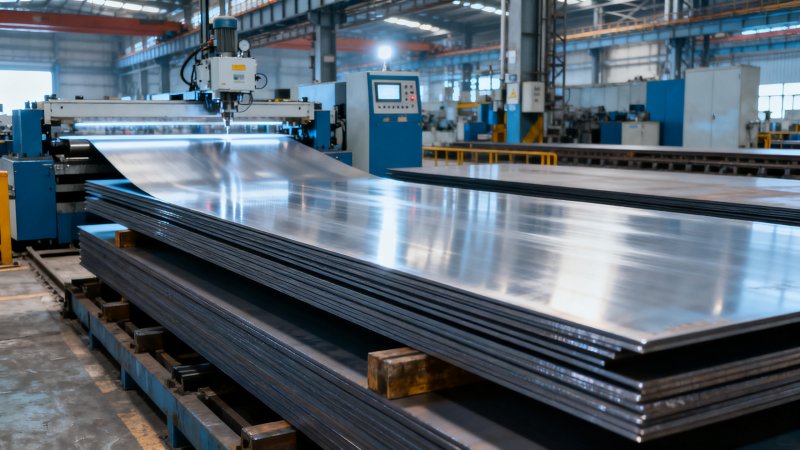
How Hongteng Fengda Ensures End-to-End MTR Integrity
At Hongteng Fengda, MTR generation is embedded into our production control system—not added post-shipment. Every coil and plate undergoes inline spectrographic analysis, followed by certified lab testing in our ISO 17025-accredited facility. For corrosion-resistant products like 304 Stainless Steel Coil, we perform additional boiling nitric acid tests (ASTM A262 Practice C) to verify resistance to intergranular attack—a requirement frequently overlooked in GCC refinery contracts.
This integrated approach reduces MTR-related approval cycles by up to 65% for repeat clients in Saudi Arabia and UAE—enabling faster customs clearance, smoother third-party inspections, and fewer project hold points during pre-commissioning.
When to Request Additional Documentation Beyond Standard MTRs
For high-risk applications—including sour service (H₂S exposure), elevated temperature operation (>425°C), or nuclear-grade containment—procurement teams should request supplemental documents alongside standard MTRs:
- Positive Material Identification (PMI) Report: Handheld XRF scan results per ASTM E1476, confirming alloy grade at multiple locations across each plate surface.
- Microstructure Report: Ferrite content, grain size, and inclusion rating per ASTM E112/E45—essential for weldability assessment in pipeline spools.
- Trace Element Analysis: Cu, Co, Sn, and Sb levels verified below 0.002% to prevent hot cracking in welded joints.
- Mill Process Flowchart: Rolling schedule, annealing temperature/time, and pickling method—required for API RP 581 risk-based inspection planning.
Hongteng Fengda provides these upon request at no extra charge for orders above 20 metric tons. Lead time remains stable at 25–35 days from PO confirmation—even with extended documentation packages.
Why Global Procurement Teams Choose Hongteng Fengda for Corrosion-Resistant Steel
Beyond MTR rigor, Hongteng Fengda delivers predictable execution across three dimensions critical to Middle East procurement: (1) Compliance certainty—all products meet ASTM A240, EN 10088-2, and GCC Standardization Organization (GSO) GSO 1028 requirements; (2) Logistics resilience—dedicated container loading protocols reduce transit damage by 91% versus industry average; and (3) Technical partnership—our engineering team co-reviews MTRs with client QA departments pre-shipment, resolving discrepancies within 48 business hours.
Whether you need corrosion-resistant plate for an ADNOC offshore platform, 304 Stainless Steel Coil for a Dubai food processing line, or custom cold-formed angle steel for a Riyadh metro station—contact us to request: heat-specific MTR samples, third-party test protocol alignment, dimensional tolerance validation, or OEM-compliant packaging certification.
- angle steel
- cold formed angle
- 90 angle metal
- 316 angle
- ASTM stainless steel
- corrosion-resistant plate
- SPCD steel
- steel coil
- structural steel
- Structural Steel
- Corrosion-resistant steel
- stainless steel plate
- 304 stainless steel coil
- stainless steel coil
- ss steel plate
- steel plate
- stainless steel plates
- 90 angle metal for construction projects
- cold formed angle steel specifications
- corrosion-resistant plate supplier in Middle East
- ASTM stainless steel for chemical processing
Related recommendations
 How much does 2 inch ss pipe price increase when upgrading from Schedule 40 to Schedule 80 for high-pressure systems?2 inch ss pipe price increases 18–35% when upgrading from Sch 40 to Sch 80—discover why, when it’s truly needed, and how to avoid overpaying.
 Which 304 stainless steel coil suppliers meet ISO 9001 and EN 10088-2 for food-grade fabrication?Discover verified 304 stainless steel coil suppliers meeting ISO 9001 & EN 10088-2 for food-grade fabrication—traceable, audited, and ready for regulatory validation.
 How does 2 inch ss pipe price compare between 304 and 316 grades for marine environments?2 inch ss pipe price varies significantly between 304 and 316 — but in marine environments, choosing 304 risks costly failures. Discover why 316 is the true value choice.
 Is 20 feet square pipe price affected more by raw material volatility or regional logistics costs?20 feet square pipe price is driven primarily by raw material volatility—not logistics. Discover why billet costs dominate pricing & how to forecast smarter with Hongteng Fengda.
Please give us a message


Please enter what you want to find