As infrastructure projects tighten QA scrutiny ahead of 2026 compliance deadlines, procurement teams worldwide are asking: Is cheap steel from China reliable for construction — especially when lead time and MOQ risks impact project timelines? For structural steel buyers in North America, Europe, and beyond, reliability hinges not on price alone, but on certified quality (ASTM/EN/GB), transparent wire products lead time supplier in China, and realistic steel procurement lead time planning for industrial projects. This checklist helps QA teams verify if a Chinese structural steel manufacturer — like Hongteng Fengda — truly balances cost, compliance, and consistency.
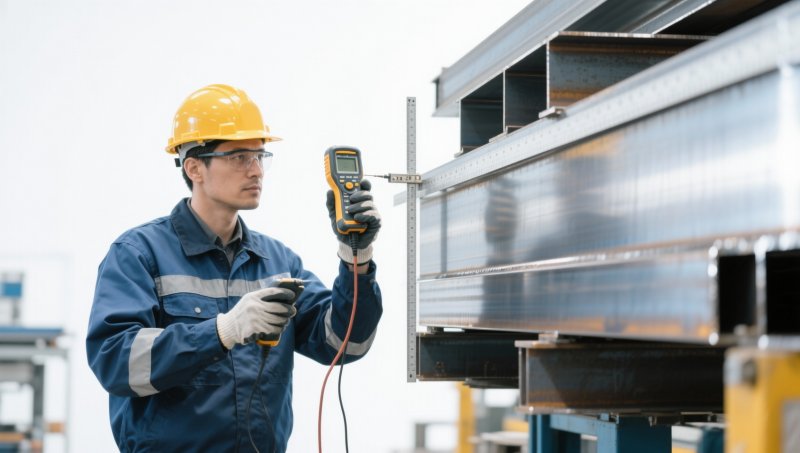
Why “Low-Cost” Doesn’t Mean “Low-Trust” — When Quality Systems Are Non-Negotiable
The perception that low-cost Chinese steel equates to compromised integrity is outdated — but only if procurement decisions are grounded in verifiable systems, not assumptions. Hongteng Fengda operates under ISO 9001-certified quality management protocols, with 100% traceability from raw material batch logs to final mill test reports. Every structural component undergoes three-stage inspection: incoming raw material verification (including carbon/sulfur content via OES analysis), in-process dimensional checks at 3 critical production nodes, and post-finish mechanical testing per ASTM A6/A6M or EN 10025 standards.
Crucially, compliance isn’t just about passing a one-time audit. Hongteng Fengda maintains dual-standard certification across ASTM A36, EN S235JR, and GB/T 700 Q235B — enabling seamless substitution without re-engineering approvals. Their internal QA cycle includes 7–10 business days for full third-party lab validation (e.g., SGS or Bureau Veritas), with digital access to real-time test certificates via secure client portal.
For infrastructure projects targeting 2026 regulatory alignment — especially those governed by U.S. FHWA 23 CFR Part 635 or EU Construction Products Regulation (CPR) Annex ZA — pre-shipment conformity documentation must include heat number linkage, tensile/yield strength results (±5 MPa tolerance), and elongation-at-break data. These aren’t optional add-ons; they’re mandatory for customs clearance and site acceptance in 12+ major markets.
The 2026 QA Compliance Checklist: 6 Must-Verify Criteria for Structural Steel
Below is a field-tested verification framework used by QA leads at Tier-1 EPC contractors across Southeast Asia and the Middle East. Each item maps directly to enforceable clauses in ASTM A6, EN 10210, and GB/T 11263 — with failure at any point triggering automatic hold-and-review.
This table reflects actual thresholds applied during pre-shipment audits for rail viaducts in Saudi Arabia and bridge girders in Ontario. Notably, the zinc coating specification aligns precisely with requirements for Metal Coil Wire used in corrosion-prone barrier isolation applications — where consistent 8–25 g/m² coverage prevents premature red rust formation in coastal or high-humidity environments.
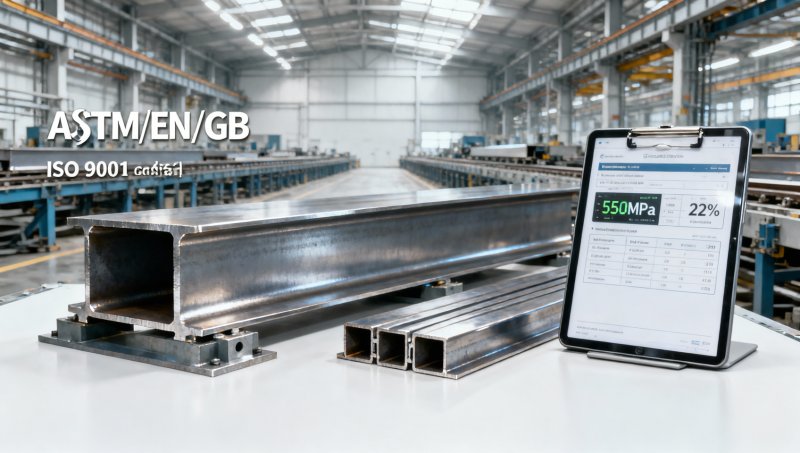
Lead Time Transparency: How Realistic Planning Prevents Costly Delays
“Lowest price” collapses under pressure when lead times shift unexpectedly. Hongteng Fengda publishes live production capacity dashboards updated every 72 hours, showing active furnace schedules, coil inventory levels (tracked down to 50-kg increments), and confirmed port slot availability. Their standard lead time for ASTM A992 beams is 25–35 days FOB Shanghai — but this assumes confirmed PO with approved drawings within 48 hours of quotation.
Critical nuance: MOQs vary by profile complexity. For standard hot-rolled I-beams (e.g., HEA 200), MOQ is 20 metric tons. For custom cold-formed truss components requiring CNC punching and robotic welding, MOQ rises to 80 tons — but lead time remains fixed at 38–42 days due to dedicated cell-based production lines.
Buyers gain 12–18% schedule buffer by selecting suppliers offering staggered delivery windows. For example, splitting a 200-ton order into four 50-ton shipments spaced 7 days apart allows just-in-sequence erection — reducing on-site storage costs by up to $14,500 per project (based on 2025 GCC warehouse rate benchmarks).
Beyond Beams: Supporting Infrastructure with Precision Wire Solutions
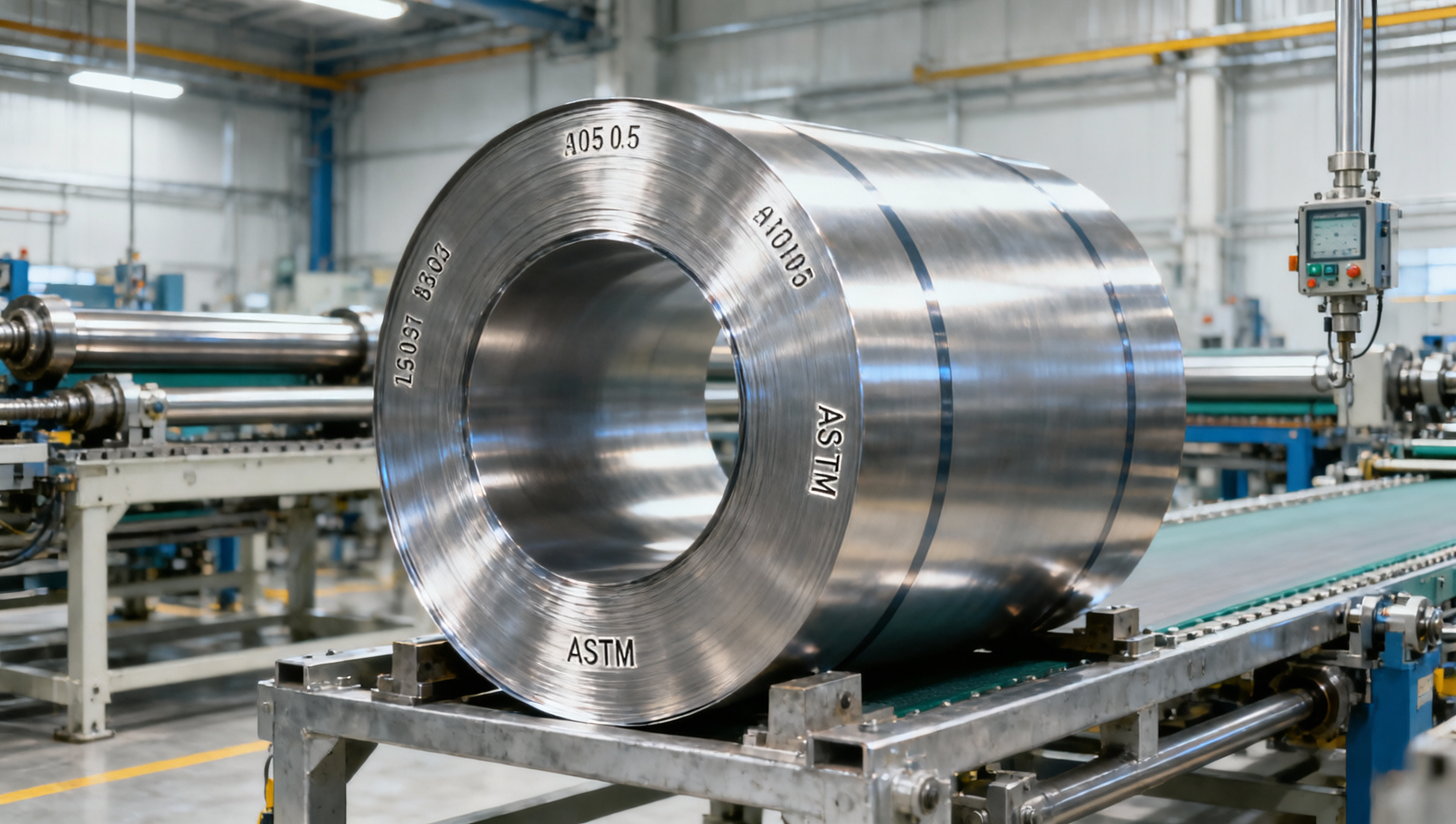
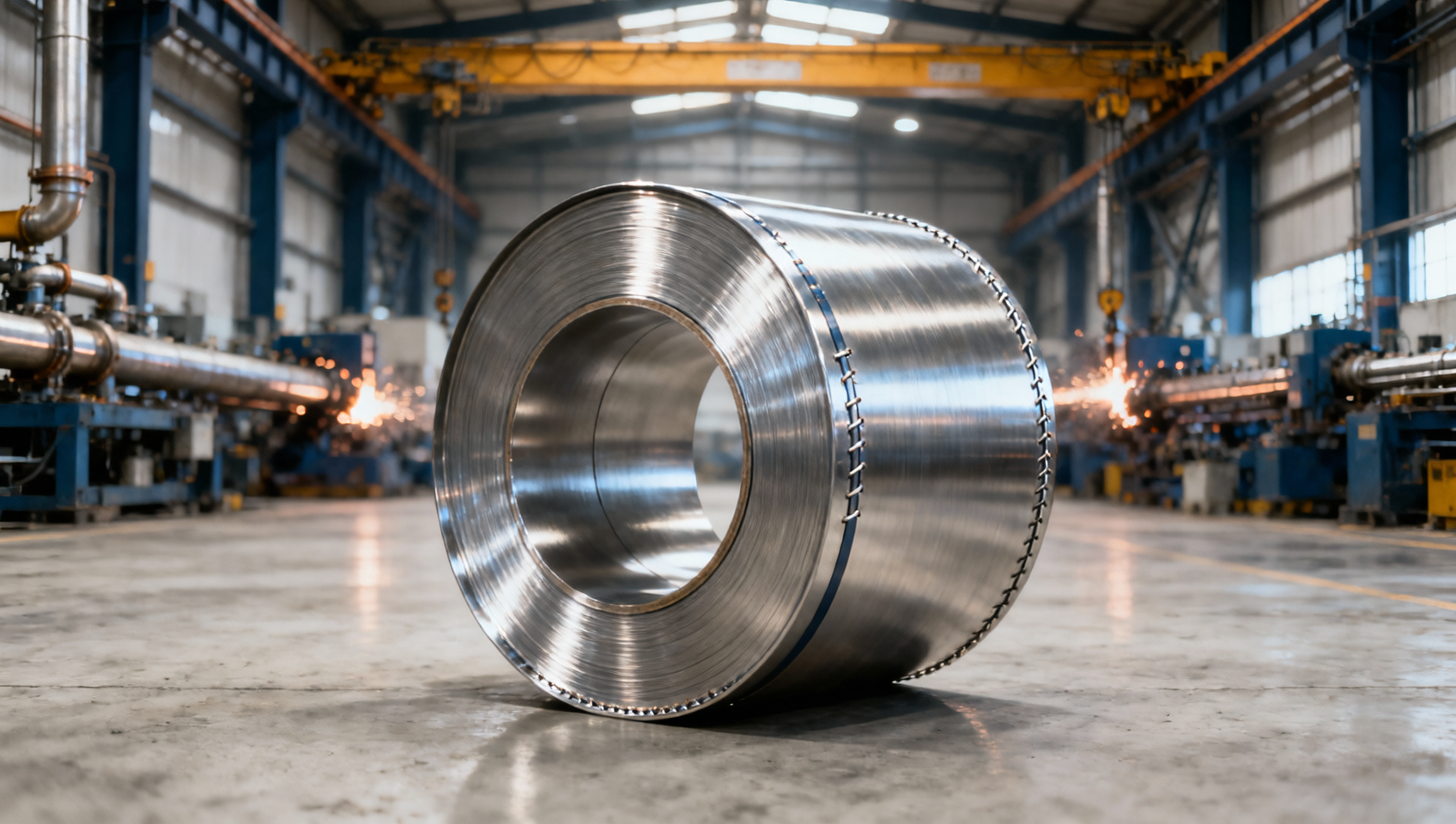
Infrastructure resilience extends beyond primary load-bearing elements. Reinforcing mesh, fencing, tie wires, and filter baskets rely on consistent base material performance. Hongteng Fengda’s Metal Coil Wire — available in Q195 and Q235 grades — delivers precise tensile strength (350–550 MPa) and ductility (>20% elongation) required for seismic-grade wire mesh fabrication. Its bright, smooth surface ensures optimal weldability in automated MIG processes, while the controlled 0.25–5.0 mm diameter range supports everything from fine decorative latticework to heavy-duty livestock containment barriers.
Packaging reinforces reliability: coils are wound with plastic film inner layers and protected by woven polypropylene outer bags — validated to withstand 96-hour salt-spray exposure without coating degradation. This matters for marine terminals or desert logistics hubs where ambient humidity fluctuates between 15% and 95%.
These specifications reflect real-world validation — not theoretical claims. All wire products ship with QR-coded labels linking to batch-specific test data, enabling instant verification by site engineers using mobile devices.
Actionable Next Steps for Procurement & QA Teams
Start your 2026 readiness assessment today: Request Hongteng Fengda’s free Structural Steel Compliance Kit — including editable QA checklists, sample MTR templates aligned with ASTM/EN/GB, and a 90-day lead time forecasting tool. Their engineering team provides complimentary drawing review (ASME Y14.5 compliant) and offers joint third-party audit coordination with SGS or TÜV.
For immediate project support, contact their dedicated infrastructure solutions desk. They respond to RFQs within 4 business hours and provide binding quotations with locked lead times valid for 15 calendar days — eliminating last-minute cost escalations.
Trusted infrastructure begins with trusted steel — verified, documented, and delivered on time. Let Hongteng Fengda become your structural steel partner for 2026 and beyond.
- metal coil wire
- ASTM A36
- structural steel
- Structural Steel
- I-Beam
- wire mesh
- Profile
- Wire Products
- H-beam
- is cheap steel from China reliable
- wire products lead time
- steel procurement lead time planning
- Galvanized
- steel procurement lead time planning for industrial projects
- wire products lead time supplier in China
- is cheap steel from China reliable for construction
Related recommendations
") Stainless Steel Tube Coil vs. Straight Tube: Total Cost of Ownership in HVAC Retrofit Projects (Installation Labor, Leak Points, Space Savings)Stainless steel tube coil cuts HVAC retrofit TCO by slashing labor, leaks & space needs—discover how coil outperforms straight tube in real-world retrofits.
Stainless Steel Tube Coil vs. Straight Tube: Total Cost of Ownership in HVAC Retrofit Projects (Installation Labor, Leak Points, Space Savings)Stainless steel tube coil cuts HVAC retrofit TCO by slashing labor, leaks & space needs—discover how coil outperforms straight tube in real-world retrofits. Steel Coils Suppliers vs. Direct Mills: Lead Time, MOQ, and Custom Slitting Flexibility Compared for Mid-Volume BuyersSteel coils suppliers offer faster lead times, lower MOQs (5–10 tons), and precision custom slitting—ideal for mid-volume structural fabricators seeking agility, quality, and cost control.
 How to Vet Stainless Steel Coil Suppliers: 7 Due-Diligence Checks for Quality, Traceability, and ISO ComplianceStainless steel coil suppliers vetted right mean zero surprises on site. Discover 7 field-tested due-diligence checks for quality, full traceability & real ISO compliance.
 Stainless Coil Pipe vs. Seamless Pipe: When to Choose Welded Coiled Tubing for High-Pressure Fluid SystemsStainless coil pipe delivers unmatched efficiency for high-pressure fluid systems—superior continuity, faster installation, and proven weld integrity vs. seamless.
Please give us a message


Please enter what you want to find