Threading galvanized steel conduit can be more difficult than many operators expect. The zinc coating that protects the conduit from corrosion also increases surface resistance, affects cutting smoothness, and can wear threading tools faster. Understanding why galvanized steel conduit is hard to thread helps users improve efficiency, reduce tool damage, and achieve cleaner, more reliable threaded connections in practical applications.
Why does galvanized steel conduit resist threading more than plain steel?
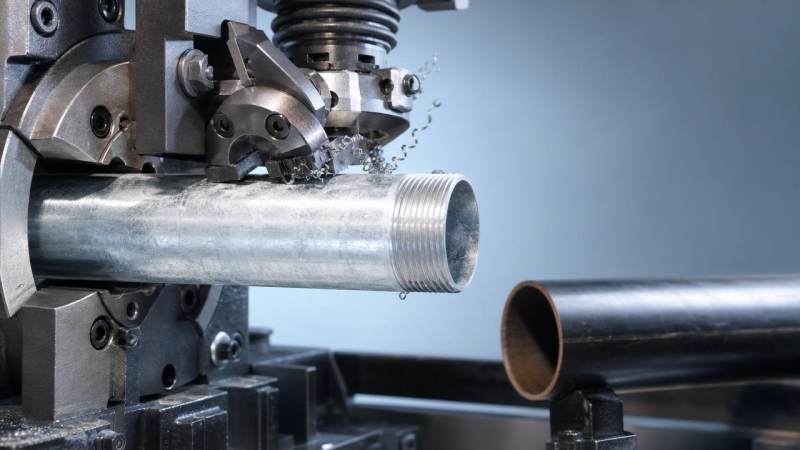
For operators in construction, electrical installation, and industrial maintenance, galvanized steel conduit often feels tougher to thread than black steel or uncoated pipe. The reason is not only the base steel. It is the combination of steel hardness, zinc coating behavior, friction during cutting, and the condition of the threading machine or die head.
Galvanized steel conduit is designed for corrosion protection. That protective zinc layer is valuable in wet, outdoor, or industrial environments, but it changes the cutting contact between the die teeth and the pipe surface. Instead of biting cleanly into bare steel, the tool must first cut through or displace the zinc layer before forming accurate threads.
In practice, many threading problems come from heat buildup, poor lubrication, worn dies, or conduit with inconsistent wall thickness. Operators may think the conduit itself is defective, but the real issue is often the interaction between coating, tooling, and setup. In steel projects, small deviations quickly turn into wasted labor, rework, and fitting leaks.
- The zinc surface increases friction during the first cutting contact.
- Galvanized debris can accumulate on dies and reduce cutting sharpness.
- Improper cutting oil causes heat and rough thread formation.
- Low-quality conduit or poor dimensional control creates unstable threading results.
What exactly makes galvanized steel conduit hard to thread on site?
The difficulty of threading galvanized steel conduit usually comes from several overlapping factors. Operators who understand each one can troubleshoot faster and reduce tool wear. The issue is rarely caused by one variable alone.
1. Zinc coating changes the cut
The coating creates an extra layer for the dies to penetrate. During the first turns, the die teeth scrape and deform zinc before reaching the steel substrate. This can make the start of the thread feel rough, especially if the conduit surface is uneven or the coating thickness varies.
2. Increased friction raises heat
Heat is one of the biggest reasons galvanized steel conduit becomes difficult to thread. Once the die and conduit heat up, lubrication breaks down faster. The zinc can smear, chips become sticky, and the thread finish deteriorates. Excess heat also shortens die life and can distort thread accuracy.
3. Die wear becomes more obvious
A die set that still works on plain carbon steel may perform poorly on galvanized steel conduit. Slight edge dullness causes chatter, incomplete thread forms, or torn surfaces. Because galvanized conduit demands a cleaner initial bite, worn dies show problems earlier.
4. Steel quality and dimensional consistency matter
Not all conduit is made to the same process control level. If outside diameter, wall thickness, or roundness varies beyond acceptable tolerance, threading becomes inconsistent. Structural steel and conduit supply for international projects often requires close attention to ASTM, EN, JIS, or GB-related production control because small dimensional errors affect field productivity.
The table below shows the most common reasons galvanized steel conduit is hard to thread and what operators usually observe during real installation work.
For operators, this means good threading results depend on both the conduit and the full process chain. A better pipe alone does not solve problems if lubrication, die condition, and machine speed are ignored.
How does galvanized steel conduit compare with black steel conduit for threading?
Many buyers and workshop teams compare galvanized steel conduit with uncoated black steel when choosing materials for fabrication or installation. From a threading perspective, black steel is generally easier to cut. From a service-life perspective, galvanized steel conduit is often the more durable choice where corrosion matters.
This trade-off is important for purchasing decisions. A lower upfront processing difficulty does not always mean lower total project cost. Replacing corroded conduit in a harsh environment is usually more expensive than managing slightly tougher threading at the beginning.
The following comparison table helps users judge when galvanized steel conduit is worth the additional threading effort.
If your application includes exposure to moisture, rooftop service, industrial washdown, or outdoor routing, galvanized steel conduit often remains the practical choice. The correct goal is not to avoid galvanized material, but to control the threading process properly.
What operating methods improve threading performance?
Operators can significantly improve results by treating galvanized steel conduit as a process-sensitive material rather than a routine pipe job. Small changes in preparation often produce a visible difference in thread finish, speed, and die life.
Recommended shop and field practices
- Inspect the conduit end before threading. Burrs, dents, or out-of-round sections make the die start unevenly.
- Use sharp dies intended for steel conduit work. Replace sets before they become visibly rounded.
- Apply sufficient cutting oil continuously. This is critical for galvanized steel conduit because it reduces friction and carries chips away.
- Control machine speed. Excessive speed raises heat and often damages thread quality more than it saves time.
- Clean die heads regularly. Zinc-rich chips and fine steel particles can accumulate faster than many teams expect.
- Verify finished threads with fittings or thread gauges where required by project quality procedures.
These methods are especially important on large projects where hundreds of conduit joints are threaded in sequence. Process discipline protects both labor efficiency and connection reliability.
Why do material consistency and supply quality matter so much?
When galvanized steel conduit is hard to thread, the discussion should not focus only on machine settings. Material consistency is a major factor. If the conduit diameter, straightness, or coating condition varies from batch to batch, operators lose time adjusting equipment and inspecting threads manually.
This is where experienced steel manufacturers add value. Hongteng Fengda supplies structural steel products for global construction and industrial use, with attention to production stability, quality control, and international standards such as ASTM, EN, JIS, and GB. For buyers, this kind of manufacturing discipline reduces sourcing risk and supports predictable downstream processing.
In practical procurement, many projects require more than one steel solution. For example, conduit systems may be installed alongside roof structures, wall systems, framing members, or equipment enclosures. In such cases, material coordination can simplify supply planning. A related option for corrosion-resistant building and enclosure applications is Color Coated Galvalume Steel Coil PPGL, which is widely used in roofing, wall panels, door panels, appliances, furniture, and traffic-related sheet applications.
That product is based on aluminum-zinc plated steel coil or color coated aluminum-zinc plated steel coil, with thickness from 0.13 mm to 0.8 mm, width from 600 mm to 1250 mm, customizable length, and coating options such as PE, SMP, HDP, and PVDF. Its value lies in corrosion resistance, heat resistance, processing convenience, and a clean surface finish. While it is not a conduit material, it shows how selecting the right coated steel for the right function can improve both durability and manufacturing efficiency across a project.
What should buyers and operators check before purchasing galvanized steel conduit?
If your team frequently threads galvanized steel conduit, purchasing should not be based on price alone. A cheaper batch can raise total cost through slower production, damaged dies, and more rejected pieces. Operators, supervisors, and buyers should align on the same evaluation points.
The table below can be used as a practical procurement checklist for conduit used in threading-heavy applications.
A buyer who includes these points in supplier communication will usually prevent more field problems than one who focuses only on unit price. In steel sourcing, consistent processing performance is a real cost factor.
Common mistakes when threading galvanized steel conduit
Many threading failures repeat the same patterns. Operators can avoid them if the team treats the process as controlled metalworking rather than simple pipe preparation.
- Using old dies too long because they still “seem usable” on softer or uncoated material.
- Running at high speed to save time, which often creates more rework than productivity.
- Applying too little cutting oil, especially during long production runs.
- Ignoring conduit-end preparation after cutting, leaving burrs or deformation in place.
- Buying mixed-quality batches without confirming dimensional and coating consistency.
These mistakes are costly because they affect not just one joint, but the entire installation sequence. Thread problems slow coupling, increase alignment issues, and may force operators to remake finished sections.
FAQ about galvanized steel conduit and threading
Can galvanized steel conduit damage threading dies faster?
Yes, it can. The zinc coating increases friction at the cut and can trap debris around the die teeth. If lubrication is poor or the dies are already worn, tool life often drops noticeably compared with plain steel applications.
Is galvanized steel conduit always the better choice?
Not always. For dry indoor environments with low corrosion risk, black steel may be easier to process. But where moisture, weather exposure, or industrial conditions exist, galvanized steel conduit often provides better lifecycle value despite tougher threading.
What is the first thing to check if threads come out rough?
Check the die condition and cutting oil flow first. These are the most common causes of rough threads. Then inspect the conduit end for burrs, ovality, or damage from cutting and handling.
Should buyers ask suppliers about standards and tolerances?
Absolutely. Asking about dimensional consistency, coating condition, and standard compliance helps buyers avoid hidden processing costs. In steel projects, stable quality often matters more than a small price difference.
Why choose us for steel sourcing and project support?
For users and operators, the real challenge is not only understanding why galvanized steel conduit is hard to thread. It is finding a steel supply partner that supports reliable processing, stable quality, and predictable delivery across the full project.
Hongteng Fengda focuses on structural steel manufacturing and export for global construction, industrial, and manufacturing projects. Our product scope includes angle steel, channel steel, steel beams, cold formed steel profiles, and customized structural steel components, with support for standard specifications and OEM supply.
If you are evaluating steel materials for threaded installation systems or related building and industrial applications, you can contact us to discuss specific needs such as parameter confirmation, product selection, delivery schedule, custom fabrication, applicable standards, sample support, and quotation planning. Clear technical communication at the sourcing stage helps reduce field problems and control total project cost.
Please give us a message


Please enter what you want to find