When evaluating ventilation or air distribution systems in humid environments, the performance of a galvanized sheet metal pipe becomes a critical technical concern. Its corrosion resistance, durability, and long-term stability can directly affect system reliability, maintenance frequency, and operating costs. For technical evaluators, understanding how galvanized sheet metal pipe responds to moisture, condensation, and airflow conditions is essential before selecting a material for industrial or commercial applications.
Why humid air systems require a checklist approach
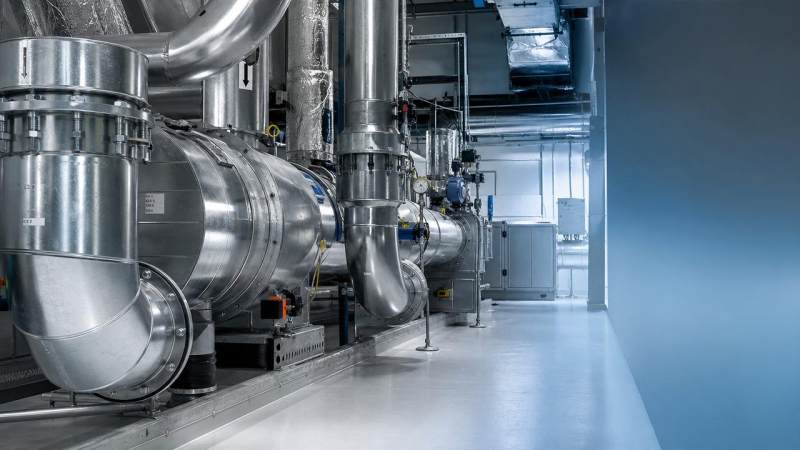
A humid air system does not fail from moisture alone. Failure usually comes from combined factors such as condensation, poor drainage, contaminated air, and coating damage.
That is why a simple yes-or-no answer is not enough. A galvanized sheet metal pipe can work well in many humid conditions, but only within clear limits.
A checklist helps compare coating quality, dew point exposure, indoor chemistry, maintenance access, and service life requirements before final material selection.
Can galvanized sheet metal pipe handle humid air systems?
Yes, in many cases it can. Galvanized sheet metal pipe is widely used in HVAC, dust collection, general ventilation, and light industrial air handling.
Its zinc coating protects the steel substrate from normal atmospheric moisture. In moderately humid indoor environments, this protection is often adequate and cost-effective.
However, high humidity alone is not the only issue. Standing condensate, chlorides, acids, alkalis, and warm wet cycles can shorten service life quickly.
So the right answer is conditional: a galvanized sheet metal pipe handles humid air systems well when the environment is controlled, the coating remains intact, and drainage is properly designed.
Core checklist for evaluating suitability
- Confirm humidity level and dew point behavior. Check whether moisture stays in vapor form or repeatedly condenses on the inner wall during operation or shutdown.
- Inspect air chemistry before selection. Determine whether the humid air contains salt, sulfur compounds, cleaning agents, fumes, or acidic particles that attack zinc coatings.
- Verify coating thickness and galvanizing quality. Thicker, uniform zinc layers perform better where moisture exposure is frequent and minor abrasion may occur.
- Review operating temperature range. Warm, wet air followed by cooling creates condensation risk, especially near bends, joints, and uninsulated sections.
- Check system design for drainage. Include slope, drain points, and access openings so trapped water does not remain inside the galvanized duct or pipe.
- Protect cut edges and seams. Zinc coating is weaker at fabricated edges, which often become the first corrosion points in humid service.
- Evaluate insulation strategy carefully. Exterior insulation may prevent sweating, while poor insulation can hide corrosion or trap moisture against the metal.
- Assess cleaning and inspection frequency. A galvanized sheet metal pipe lasts longer when dirt, biofilm, and standing water are removed before coating breakdown begins.
- Compare expected service life with risk tolerance. Short-cycle commercial systems may accept galvanized steel, while aggressive long-life installations may need stainless alternatives.
- Review joining methods and accessories. Fasteners, flanges, hangers, and sealants should be compatible to reduce galvanic corrosion and leakage in wet conditions.
Where galvanized sheet metal pipe performs well
General indoor HVAC and ventilation
For offices, workshops, warehouses, and standard commercial interiors, galvanized sheet metal pipe usually performs well if humidity is moderate and condensation is limited.
In these systems, the zinc layer provides practical corrosion resistance at a lower cost than stainless steel. Good sealing and proper insulation usually make the difference.
Intermittent humid air handling
Temporary humidity spikes are less severe than constant wet exposure. If the pipe dries between cycles, zinc protection can remain effective for a long period.
This is common in seasonal ventilation systems or production areas where moisture varies by process schedule rather than staying continuously saturated.
Where extra caution is necessary
High-condensation systems
If a humid air stream cools inside the line, water can collect at low points. Persistent wetness accelerates white rust and later red rust once zinc is consumed.
In these cases, a galvanized sheet metal pipe may still be used, but only with strong drainage design, edge protection, and regular inspection intervals.
Corrosive industrial air
Humid air mixed with chlorides, acidic vapors, or chemical residues is much harder on zinc than clean moist air. Food processing, chemical plants, and coastal facilities need stricter review.
For filtration or screening support components in these environments, corrosion-resistant materials are often preferred. One example is Stainless Steel Welded Mesh, available in grades such as SS 201, 304, 304L, 316, 316L, and 430 for filters, sieves, architecture, residences, and industrial uses.
With mesh options from 2 to 635 mesh, wire diameters from 0.0008″ to 0.12″, and strong resistance to rust, corrosion, acid, alkali, heat, and chemicals, it suits areas where galvanized parts may face faster degradation.
Commonly overlooked risks
Ignore shutdown conditions and hidden corrosion may begin. Many systems are safe during operation but sweat heavily when airflow stops and surfaces cool.
Underestimate seam exposure and failure often starts early. Lock seams, weld areas, and cut ends do not always retain the same zinc protection as flat surfaces.
Mix incompatible metals and galvanic attack may appear. Wet contact between galvanized steel and more noble metals can speed localized corrosion.
Assume coating solves every moisture problem and service life will disappoint. No zinc coating performs well when water remains trapped for long periods.
Skip maintenance access and inspection becomes impractical. Without access doors or removable sections, small corrosion spots remain unseen until leakage develops.
Practical selection and execution advice
- Measure actual moisture conditions instead of relying on assumptions. Record relative humidity, temperature swing, and condensate behavior across the full operating cycle.
- Specify galvanizing quality clearly in procurement documents. Include coating expectations, fabrication standards, edge treatment, and corrosion inspection criteria.
- Design for drainage from the beginning. Add slope, drain ports, and low-point management where humid air can cool and deposit water.
- Seal joints properly to reduce leakage and moisture entry. Poorly sealed connections can pull in ambient humid air and increase interior condensation.
- Insulate sections that cross temperature zones. This reduces external sweating and stabilizes surface temperature on the galvanized steel wall.
- Upgrade material where chemistry is aggressive. If chloride, acid, or washdown exposure is continuous, stainless steel may be the safer long-term choice.
Support from a reliable steel supply partner
Material performance depends not only on design, but also on manufacturing consistency. Stable steel quality, standard compliance, and dependable delivery reduce installation and lifecycle risks.
Hongteng Fengda, a structural steel manufacturer and exporter from China, supplies angle steel, channel steel, beams, cold formed steel profiles, and customized structural steel components.
With modern production facilities and strict quality control, its products comply with ASTM, EN, JIS, and GB standards, supporting global construction and industrial projects with reliable lead times.
Conclusion and next-step guide
A galvanized sheet metal pipe can handle humid air systems, but only when moisture exposure stays within manageable limits and corrosion risks are addressed in design.
Use a checklist before selection: check condensation, air chemistry, coating quality, drainage, insulation, seams, and maintenance access. These factors matter more than humidity alone.
If the environment is clean and moderately humid, galvanized steel is often practical and economical. If wet cycles are severe or chemicals are present, move toward more corrosion-resistant materials.
The best next step is simple: review actual operating conditions, map corrosion points, and match the pipe material to service life expectations before installation begins.
Please give us a message


Please enter what you want to find