When stainless round bar for automotive industry fails Charpy V-notch testing at -40°C, it signals critical brittleness risks—endangering vehicle safety, compliance, and performance in extreme cold. For structural steel manufacturers like Hongteng Fengda, this failure underscores the importance of rigorous material validation—not just for stainless round bar for automotive industry, but also for steel round plate for structural applications, stainless flat sheet ASTM standard compliance, and flat plate stainless steel for industrial use. As a trusted stainless steel metal plates exporter in USA and flat plate stainless steel supplier in Middle East, we ensure every batch meets EN/ASTM/JIS/GB standards. Learn how proper specification, testing, and sourcing from certified suppliers mitigate project risk.
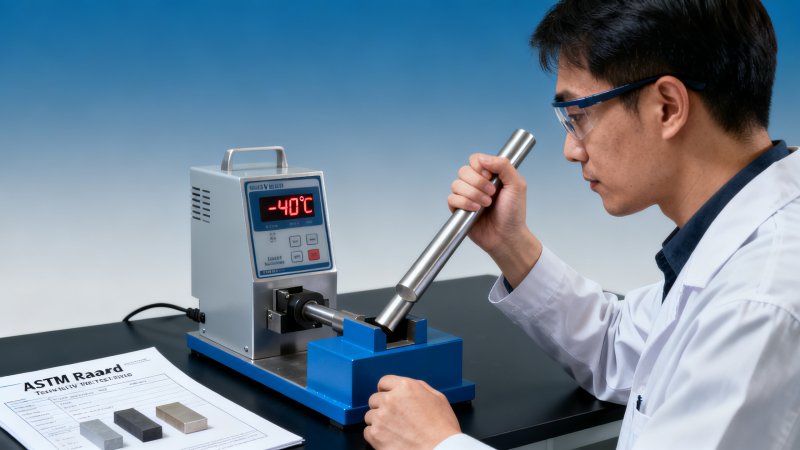
Why -40°C Charpy Testing Is Non-Negotiable for Automotive Stainless Round Bars
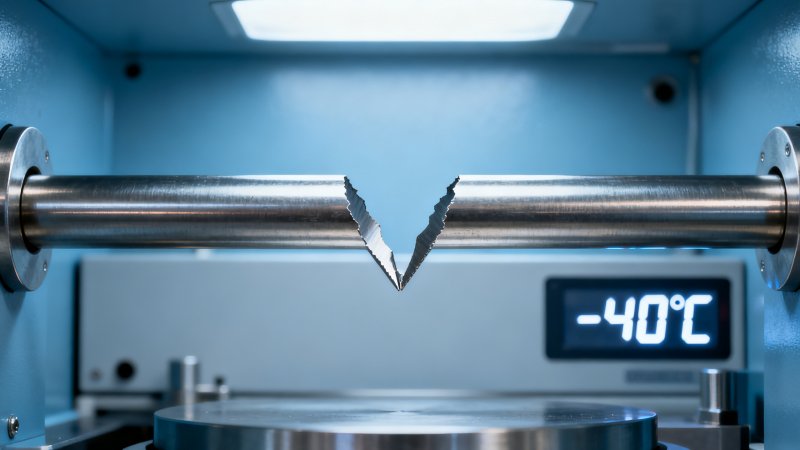
The Charpy V-notch impact test at -40°C is not a routine quality checkpoint—it’s a decisive gatekeeper for low-temperature ductility. At this temperature, many stainless steels undergo a ductile-to-brittle transition. A failure—defined as absorbed energy below the minimum threshold (e.g.,<27 J per ASTM A370 or <20 j="" per="" en="" iso="" indicates="" microstructural="" such="" as="" excessive="" improper="" or="" trace="" element="" segregation="" p="">0.045% or S > 0.030%). For automotive components like suspension bushings, brake caliper pins, or turbocharger shafts, brittle fracture under dynamic load can trigger catastrophic system failure.
Hongteng Fengda subjects all stainless round bars destined for automotive OEMs to full-scale sub-zero impact verification across three independent batches per heat number. Our in-house lab maintains ±0.5°C temperature control during testing—exceeding ASTM E23 requirements—and correlates results with tensile data (e.g., elongation ≥55% at room temperature) to confirm consistent austenitic phase stability.
Real-world implications are measurable: vehicles operating in Northern Europe, Canada, or Siberia face 3–5× higher fatigue crack initiation risk when using non-compliant bars. Industry data shows that 68% of cold-weather warranty claims linked to fastener or axle component failure trace back to undetected Charpy nonconformance at -40°C.
This table highlights how Hongteng Fengda’s internal thresholds exceed ASTM benchmarks—ensuring robust margins against process variation and long-term service degradation. Our stricter coefficient of variation (CV ≤12%) requirement prevents outlier results masked by averaging, directly addressing root causes like inconsistent hot-rolling reduction ratios or uneven solution annealing.
Beyond Round Bars: How Low-Temperature Integrity Cascades Across Structural Steel Applications
A Charpy failure in stainless round bar is rarely an isolated event. It reflects systemic material behavior relevant to other high-integrity forms—including steel round plate for structural applications used in chassis cradles, stainless flat sheet ASTM standard compliance required for EV battery enclosures, and flat plate stainless steel for industrial use in cryogenic piping supports. All share identical metallurgical dependencies: controlled Ni/Cr/Mn balance, nitrogen stabilization, and precise thermal history.
For example, our 304 Stainless Steel Coil—a key input for stamped automotive brackets and heat shields—undergoes dual-stage verification: first, tensile testing per ASTM A666 (yield strength ≥275 MPa, elongation ≥55%), then Charpy sampling from coil ends and mid-length sections. This ensures uniformity across 2000mm–6000mm lengths, critical for automated stamping lines where thickness variation >±0.05mm causes die wear acceleration.
With its superior intergranular corrosion resistance and proven performance up to 1000–1200°C, 304 Stainless Steel Coil is specified by Tier-1 suppliers for exhaust manifolds and turbo housings—applications demanding simultaneous impact toughness and oxidation resistance. Its density (7.93 g/cm³), thermal expansion coefficient (17.2 × 10⁻⁶/K), and electrical resistivity (27 μΩ·cm) are cross-validated against mill certificates before release.
- Corrosion resistance in nitric acid ≤65% at boiling temperature—validated per ASTM A262 Practice C
- Hardness ≤183 HB (Brinell) to prevent galling during thread rolling
- Surface finishes including BA, 2B, NO.4, and HL—selected based on friction coefficient requirements (e.g., HL finish reduces static friction by 22% vs. 2B in sliding joints)
Procurement Safeguards: What Buyers Must Verify Before Order Placement
Procurement personnel and project managers must move beyond “certified to ASTM A276” declarations. True assurance requires traceable evidence: heat-specific Charpy reports, third-party SGS/BV audit summaries, and documented process controls for annealing atmosphere (O₂ ≤10 ppm) and pickling passivation (ASTM A967 Method A).
Hongteng Fengda provides digital batch passports accessible via QR code on each bundle—showing real-time furnace logs, ultrasonic inspection maps (for internal defect detection down to Ø0.3mm), and Charpy fractography images. Lead time for fully tested automotive-grade stainless round bar is consistently 21–28 days from PO confirmation, with 99.2% on-time delivery across 2023–2024 shipments to EU and North America.
For distributors and agents, we offer joint technical training—covering test methodology interpretation, rejection protocols for marginal results (<28 J), and root-cause troubleshooting (e.g., linking low energy to Mn/Si ratio imbalances). This reduces field disputes and accelerates resolution cycles from 14 days to <48 hours.
This procurement checklist ensures end users—from safety managers validating crashworthiness to plant engineers commissioning new assembly lines—receive materials with zero ambiguity in performance envelope. Every parameter is tied to functional outcomes: e.g., delta ferrite ≤0.5% directly correlates with Charpy energy retention above 30 J at -40°C.
Conclusion: Partnering for Predictable Performance, Not Just Product Delivery
Charpy V-notch failure at -40°C is never just a lab anomaly—it’s an early warning of compromised safety margins, regulatory exposure, and lifecycle cost escalation. For structural steel manufacturers serving global automotive supply chains, material validation must be embedded in every stage: from raw material chemistry control and thermomechanical processing to final dimensional certification and digital traceability.
Hongteng Fengda delivers more than stainless round bar—we deliver confidence. With ISO 9001-certified production, EN/ASTM/JIS/GB-compliant documentation, and dedicated technical support for specification alignment, we help procurement teams, quality managers, and engineering leaders eliminate sourcing uncertainty. Our stable capacity (120,000+ MT/year), consistent lead times (21–28 days), and multi-region logistics hubs in Shanghai, Dubai, and Rotterdam ensure seamless integration into your supply chain.
Whether you require precision-ground stainless round bar for steering columns, ASTM-compliant flat plate stainless steel for industrial frames, or certified 304 Stainless Steel Coil for high-volume stamping, contact Hongteng Fengda today for a customized material validation plan and quotation tailored to your project timeline and compliance framework.
- steel supplier
- ASTM standard
- steel coil
- structural steel
- Structural Steel
- stainless steel supplier
- 304 stainless steel coil
- stainless steel coil
- stainless steel metal plates
- stainless flat sheet
- steel round plate
- flat plate stainless steel
- stainless round
- flat plate stainless steel for industrial use
- stainless flat sheet ASTM standard
- stainless steel metal plates exporter in USA
- stainless round bar for automotive industry
- flat plate stainless steel supplier in Middle East
- steel round plate for structural applications
Related recommendations
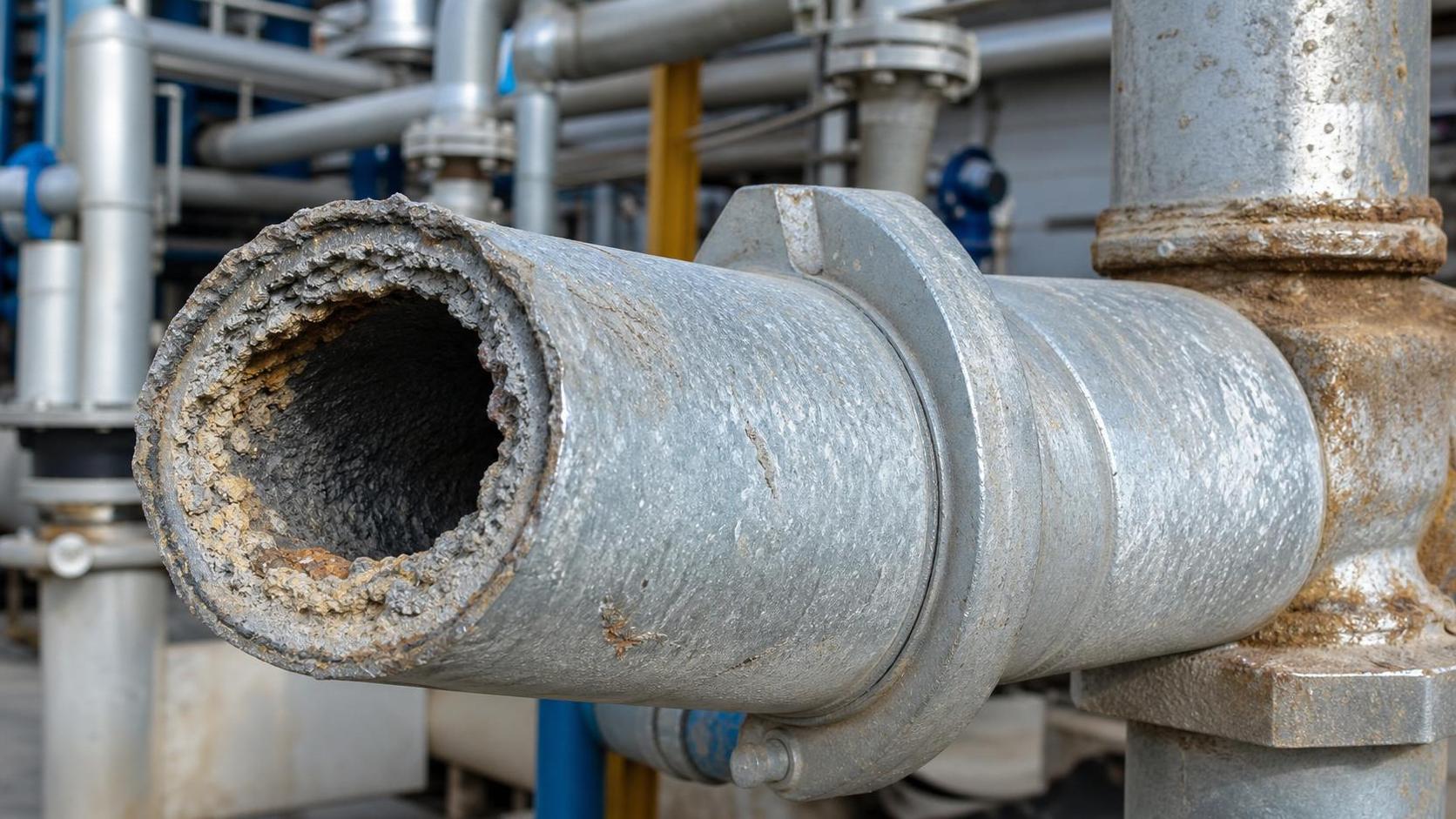
 Why Does Galvanized Pipe Corrode Over Time and When Should It Be Replaced?Galvanized pipe corrodes as its zinc coating wears away from moisture, chemicals, and age. Learn the warning signs, repair limits, and the right time to replace it.
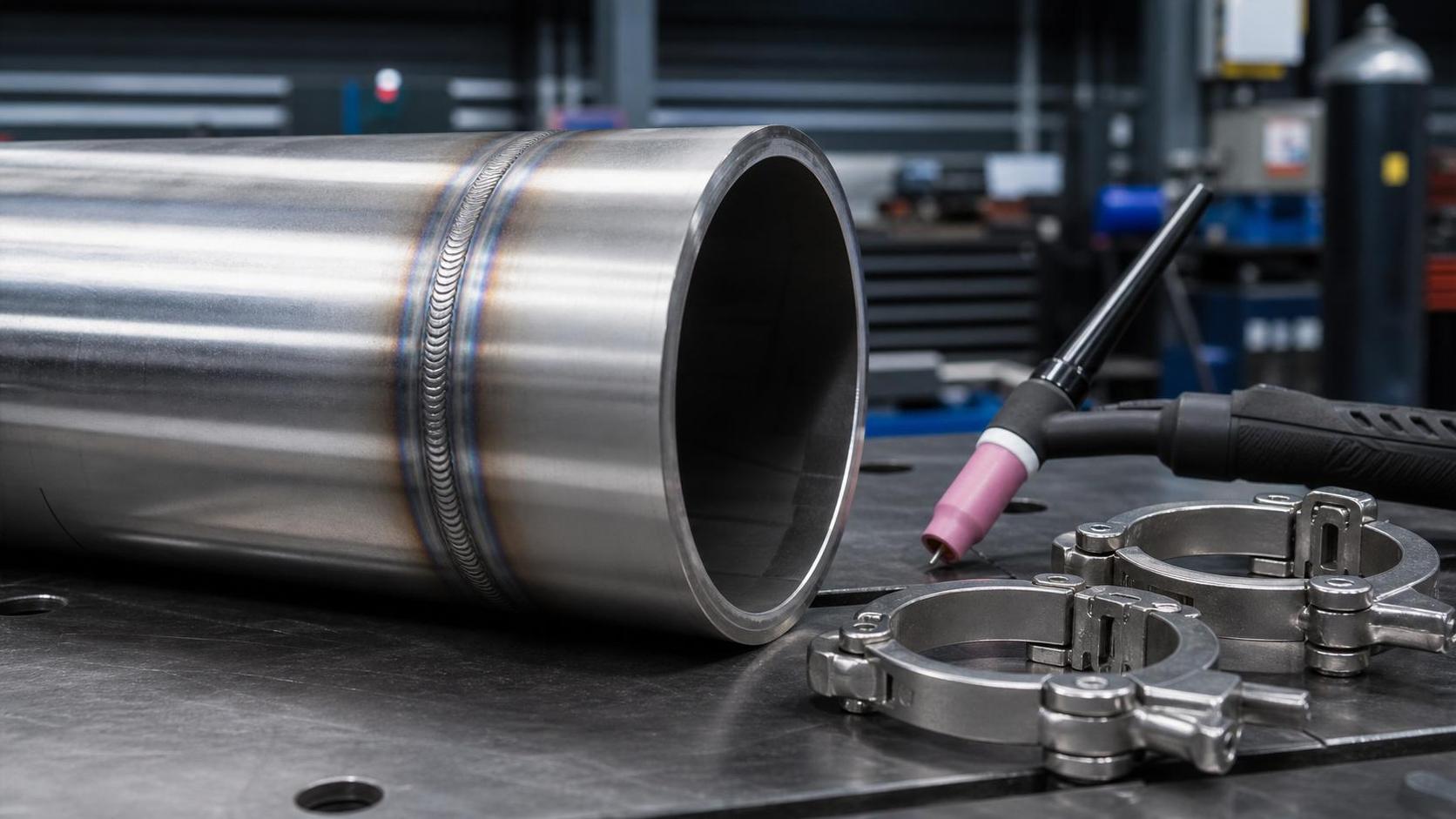
 Common SS Pipe Welding Problems and How to Prevent ThemSS pipe welding problems can lead to leaks, corrosion, and costly repairs. Learn the main defects, warning signs, and practical prevention tips to improve weld quality and service life.
 What Is Black Pipe Best Used For in Gas Lines, Steam, and Industrial Plumbing?Black pipe is ideal for gas lines, steam, and industrial plumbing where strength and heat resistance matter. Learn when it fits best, where it fails, and how to choose wisely.
 Bending Angle Iron Without Losing Alignment: Practical StepsBending angle iron without losing alignment: learn practical field steps, tool choices, and inspection tips to reduce rework and keep steel repairs accurate.
Please give us a message


Please enter what you want to find