Electrical conduit pipe prices in 2026 will be shaped by steel costs, coating requirements, compliance standards, and supply chain conditions. For buyers comparing an electrical conduit pipe price list, understanding how steel conduit for electrical wiring relates to ASTM steel pipe quality, project specifications, and sourcing strategy is essential for making cost-effective decisions without compromising safety, durability, or long-term project performance.
Why will electrical conduit pipe prices change in 2026?
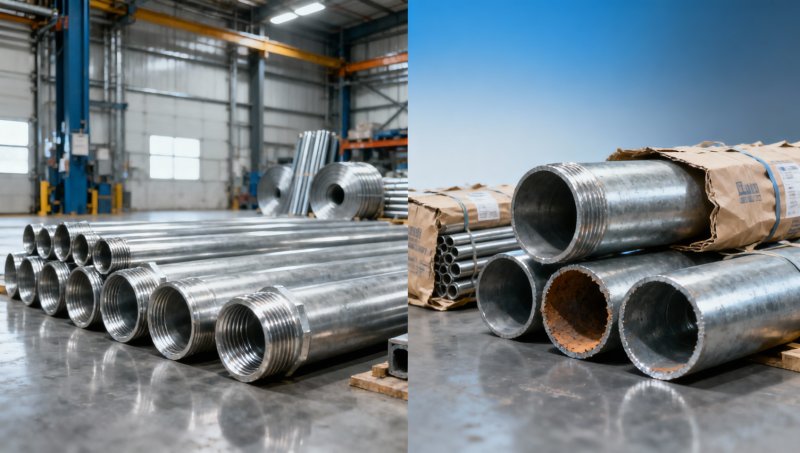
For most buyers, the first question is simple: why does one electrical conduit pipe quote differ so much from another? In 2026, the answer will still come down to 4 core cost drivers: base steel prices, zinc or surface treatment costs, manufacturing precision, and regional logistics. For steel conduit for electrical wiring, even a small change in wall thickness tolerance or coating weight can move the final price noticeably.
Procurement teams also need to look beyond the visible unit price. A lower electrical conduit pipe price may exclude testing, bundled documentation, end treatment, or export packaging. In cross-border steel purchasing, total landed cost often matters more than ex-works price, especially when projects require ASTM, EN, JIS, or GB-aligned production and traceable quality records.
From a market perspective, conduit pipe pricing is linked to steelmaking inputs and factory scheduling cycles. Carbon steel feedstock, galvanizing demand, port congestion, and 2–6 week procurement windows can all affect timing. Buyers planning public infrastructure, industrial installations, or commercial construction should compare quotes based on the same specification set, not just the same nominal diameter.
For project managers and finance approvers, price analysis should include service stability. A supplier with controlled production, stable lead times of 15–35 days, and export experience can reduce hidden costs caused by delays, mismatch claims, or reordering. That is especially important when conduit is part of a broader steel package in structural or industrial projects.
Main factors that usually move conduit pipe costs
- Raw material grade and steel chemistry, especially where ASTM steel pipe requirements or equivalent standards affect consistency.
- Pipe dimensions such as outer diameter, wall thickness, and length, because heavier sections directly increase steel consumption.
- Surface finish options including black, oiled, passivated, or galvanized treatment, each carrying different processing cost.
- Testing, compliance files, packing method, and shipping route, which can add substantial value in export transactions.
A practical cost breakdown buyers can use
Before reviewing an electrical conduit pipe price list, it helps to separate price into material cost, process cost, compliance cost, and delivery cost. This makes supplier offers easier to compare and helps technical evaluators explain why one proposal is more suitable for the application.
This breakdown is useful because it highlights where savings are safe and where they are risky. Reducing unnecessary packaging or optimizing order consolidation may save money. Cutting compliance checks, coating thickness, or required tolerances may create larger replacement or installation costs later.
Which specifications have the biggest impact on an electrical conduit pipe price list?
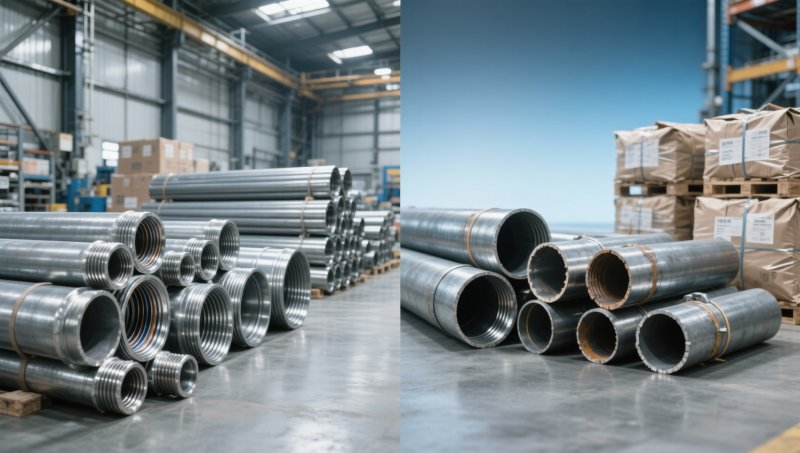
When technical and procurement teams compare suppliers, specification alignment is the most common issue. An electrical conduit pipe price list only has meaning when diameter, wall thickness, length, coating, end finish, and standard reference are clearly matched. In many RFQs, a price gap comes from different assumptions, not from true supplier advantage.
Thickness is usually one of the biggest variables. If two pipes share the same outside diameter but different wall thicknesses, the heavier version uses more steel and often requires more forming and coating input. For projects with long cable runs or exposed environments, that extra cost may be justified by better mechanical protection and service life.
Surface treatment is another major factor. Black steel conduit may have a lower initial price, but galvanized conduit is often preferred where corrosion resistance matters over 5–15 years of service. Buyers should also verify whether the quote refers to pre-galvanized or hot-dip galvanized processing, since the two options carry different cost and protection levels.
Length and fabrication detail matter as well. Standard lengths can reduce waste and speed production, while custom cuts, threading, coupling, or bundled marking increase unit cost. For distributors and contractors, balancing standard stock sizes with project-specific customization is often the best way to control both budget and delivery risk.
Key specification variables to confirm before asking for price
The following table helps technical evaluators, purchasers, and project owners align requirements before they request quotations for steel conduit for electrical wiring. It also reduces repeated revisions and helps suppliers quote faster within 24–72 hours for standard items.
The table shows why asking for “the cheapest conduit” rarely produces a reliable result. Better outcomes come from matching the pipe to application conditions, installation method, and approval requirements. That is especially relevant in steel projects where conduit may need to coordinate with frames, supports, or prefabricated components.
How related steel products can influence procurement planning
In many construction and industrial projects, buyers do not source electrical conduit in isolation. They often combine it with structural sections, support brackets, or fabricated accessories. In that context, related carbon steel items can help optimize container loading and procurement efficiency. For example, Q235 Carbon Steel Round Bar may be considered for fabrication support, railing, handrail, furniture, or general construction uses where excellent strength and wear resistance are needed.
This product range typically covers diameters from 5–2500 mm and common lengths such as 2 m, 5 m, 6 m, and 12 m, with finish options including passivation, oiling, galvanized, lacquer sealing, phosphating, black painting, or anti-rust oil. For distributors or project buyers managing mixed steel cargo, combining conduit orders with compatible standard export seaworthy packaging can reduce freight inefficiency and improve supply coordination.
A second planning point is minimum order quantity. Different minimum order quantities lead to different product prices across carbon steel categories, so integrated sourcing should be discussed early. This is particularly useful when buyers need standard specifications plus OEM processing under ASTM, DIN, JIS, GB, or EN-oriented workflows.
How should buyers compare black steel, galvanized steel, and compliance-driven options?
Not every project needs the same conduit solution. Some indoor commercial installations can use simpler carbon steel conduit, while outdoor, humid, or corrosive environments usually justify more protective finishes. The correct comparison is not just black versus galvanized; it is initial price versus lifecycle suitability, maintenance burden, and approval risk.
Black steel conduit may appeal where budgets are tight and the installation environment is controlled. Galvanized conduit generally costs more because zinc coating and added processing increase manufacturing input. However, when the conduit will be exposed to moisture, storage delays, or multi-year service conditions, galvanized products can reduce replacement and maintenance interruptions over time.
Compliance-driven options deserve special attention. Some buyers focus only on price per ton or price per length, but project acceptance may depend on mill test documentation, dimensional traceability, or standard-specific inspection. For infrastructure, public works, and export projects, a missing document can delay approval more than a moderate price difference ever would.
Decision-makers should therefore compare conduit in 3 dimensions: installed cost, compliance cost, and operational risk. A pipe that is 3%–8% cheaper on paper may become more expensive if it requires reinspection, repacking, or replacement after arrival. That is why experienced steel exporters emphasize full-specification review before production release.
Comparison table for common purchasing decisions
The table below gives a practical framework for comparing conduit options in electrical, industrial, and project-based purchasing. It is especially useful for procurement teams balancing cost with service conditions and quality expectations.
For most serious buyers, the best choice is not always the lowest visible line item. The better decision is the option that matches environment, standards, and schedule without generating rework. This is where a manufacturer with modern facilities, broad structural steel experience, and disciplined quality control can add real value.
What purchasing teams should verify in 5 checkpoints
- Confirm whether the quoted conduit follows the exact diameter and wall specification in the project file.
- Check if the coating type is clearly defined and suitable for indoor, outdoor, or humid service conditions.
- Verify which inspection documents are included, such as mill certificates or dimensional reports.
- Review packing and shipping assumptions, especially for 20–30 day sea freight planning.
- Ask whether customization affects minimum order quantity, lead time, or unit price.
What do standards, quality control, and sourcing strategy mean for total cost?
Standards and quality control are often treated as paperwork issues, but they directly influence cost, project timing, and risk exposure. In electrical conduit procurement, ASTM steel pipe expectations, EN or JIS references, and customer drawings all shape what the manufacturer must control during production. If these requirements are unclear at the RFQ stage, the quotation may later need revision.
For quality teams and safety managers, consistency matters as much as nominal compliance. Dimensional accuracy, weld quality, coating condition, and packing protection should be reviewed in a structured way. A practical inspection plan usually includes 4 stages: raw material verification, in-process control, final dimensional check, and pre-shipment review. That sequence helps reduce claim risk after arrival.
Sourcing strategy also affects total cost. A fragmented supply model may look flexible, but it can create mixed quality, document inconsistency, and unpredictable delivery. By contrast, working with an established structural steel manufacturer and exporter can simplify coordination when conduit orders are linked to beams, channels, angle steel, cold formed profiles, or customized steel components in the same project package.
Hongteng Fengda supports global buyers across North America, Europe, the Middle East, and Southeast Asia with stable production capacity, strict quality control, and dependable lead times. For purchasers managing both technical approval and budget pressure, that matters because a reliable supplier reduces sourcing risk, supports specification alignment, and helps projects move forward with fewer disruptions.
Typical review points before order confirmation
- Material grade and applicable standard reference, especially where ASTM, EN, JIS, or GB alignment is requested.
- Coating method, visual surface condition, and packing method for storage and marine shipment.
- Quantity split by size, because mixed dimensions affect batching efficiency and final quotation.
- Required lead time, with realistic planning windows such as 2–4 weeks for standard production and longer for custom processing.
Common mistakes that increase conduit purchase cost
One common mistake is comparing quotes with incomplete technical details. Another is selecting the lowest unit price without checking whether testing, document support, or export packaging are included. A third mistake is underestimating the cost of late changes. Once production starts, revisions to thickness, finish, or end treatment can affect both lead time and inventory usability.
A better approach is to align 3 things before purchase approval: technical requirement, inspection expectation, and delivery schedule. That allows finance, engineering, and procurement to evaluate the same risk profile. In steel industry sourcing, this cross-functional clarity usually produces better cost control than aggressive price bargaining alone.
FAQ and next-step guidance for 2026 conduit buyers
Buyers searching for electrical conduit pipe prices in 2026 are usually trying to answer two practical questions: what will the project really cost, and how can risk be reduced before ordering? The answers depend on specification accuracy, supplier capability, standard requirements, and shipping planning. The FAQ below addresses the most common procurement concerns.
These questions are especially relevant for contractors, distributors, technical reviewers, project managers, and enterprise decision-makers who need both commercial clarity and reliable execution. In most cases, better front-end communication saves more than aggressive price pressure during the final quote stage.
If you are comparing multiple conduit suppliers, it is worth preparing a clear requirement sheet with size range, coating type, standards, quantity split, packing preference, and target delivery window. That single step can shorten quotation cycles and improve supplier response quality within 1–3 business days.
It also helps to discuss whether your project includes related structural steel products. Combined sourcing can improve container efficiency, document control, and communication flow, particularly for export projects with tight milestones.
How do I compare an electrical conduit pipe price list correctly?
Use the same basis for every supplier: diameter, wall thickness, length, coating, end finish, quantity, standard, and document requirement. Also compare lead time, packing, and shipping terms. If one offer is much lower, check whether it excludes galvanizing, testing, or export packing. A correct comparison should cover at least 6 items, not just price per meter or price per ton.
Is galvanized steel conduit always worth the extra cost?
Not always. For dry indoor environments, black steel conduit may be acceptable if local code and project conditions allow it. For outdoor, humid, or longer-service installations, galvanized conduit often delivers better lifecycle value. The decision should be based on service environment, maintenance access, and expected use duration, typically 5–15 years or more for many project scenarios.
What lead time should buyers expect in 2026?
For standard conduit sizes, production often falls within a 15–35 day range depending on quantity, finish, and mill schedule. Customized processing, mixed sizes, or extra testing may extend that window. Sea freight and inland delivery should be planned separately, especially when procurement is tied to project milestones or multi-item steel cargo.
What should quality and safety teams request before approval?
They should request clear standard references, dimensional confirmation, surface treatment details, packing method, and relevant quality documents. If the project is sensitive, ask for sample review or pre-shipment inspection arrangement. In practice, 4 checks are especially useful: size verification, coating confirmation, document review, and packaging condition assessment.
Why choose us for structural steel and project-based conduit sourcing?
For buyers evaluating electrical conduit pipe prices in 2026, the best supplier is not simply the one with a low quote. It is the partner who can align steel quality, specification clarity, export execution, and delivery reliability. Hongteng Fengda is a professional structural steel manufacturer and exporter from China, serving global construction, industrial, and manufacturing projects with standard products and customized solutions.
Our strength is not limited to one category. We support buyers with angle steel, channel steel, steel beams, cold formed steel profiles, customized structural steel components, and related export coordination. This helps customers who want fewer sourcing gaps, more consistent quality control, and better planning across mixed steel procurement packages.
If you are reviewing steel conduit for electrical wiring or comparing an electrical conduit pipe price list, you can contact us for practical support on 6 key topics: parameter confirmation, suitable material and finish selection, delivery schedule planning, OEM or custom processing, certification and standards alignment, and sample or quotation communication. This is especially valuable when your team includes engineering, procurement, finance, and project management stakeholders with different approval priorities.
Share your required sizes, quantity range, coating preference, applicable standard, destination port, and target timeline. We can help you review specification logic, identify cost-sensitive variables, and build a sourcing plan that balances safety, compliance, and budget control for 2026 purchasing.
Please give us a message


Please enter what you want to find