When choosing between Steel Angles and U Channel Steel for construction or industrial applications, material performance, stability, and cost efficiency are critical considerations. Understanding how each section behaves under load helps engineers, purchasers, and project managers make informed decisions. As a professional structural steel manufacturer and exporter, Hongteng Fengda provides in-depth insights into the structural advantages, economic value, and application suitability of both profiles, helping global buyers achieve optimal project results.
Definition and Structural Overview
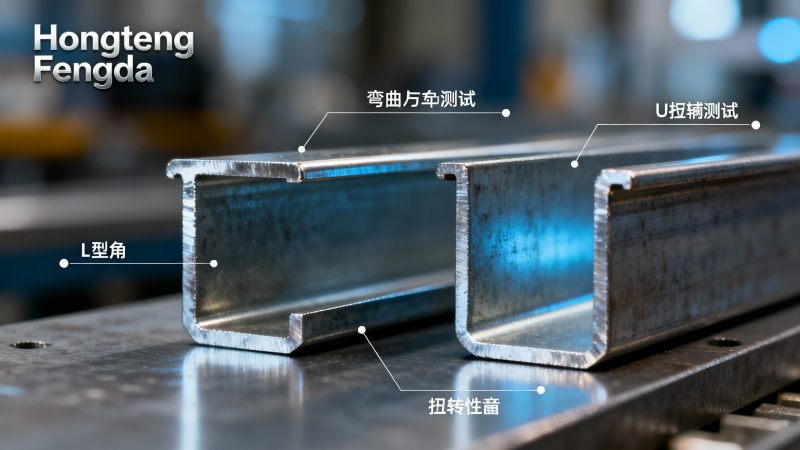
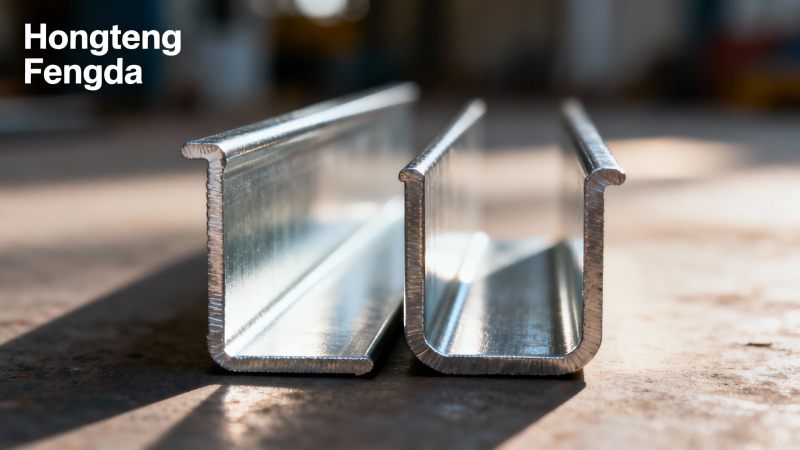
Steel Angles and U Channel Steel represent two of the most fundamental components in modern engineering and structural manufacturing. Steel Angles, sometimes referred to as L-shaped sections, are characterized by their perpendicular legs that form a 90-degree corner. They provide high resistance to bending and torsion, particularly in peripheral framing and corner reinforcement. U Channel Steel, in contrast, exhibits a U-shaped cross-section that can support significant vertical and horizontal forces, making it ideal for frameworks, holding structures, and enclosures requiring consistent strength over longer spans. Both profiles can be hot-rolled or cold-formed, with specific dimensional variances based on ASTM, EN, JIS, and GB standards. From a design perspective, the geometry of U Channel Steel offers better symmetry under uniform loads, while Steel Angles provide efficient material distribution for localized support points. This dual comparison highlights how each profile satisfies the unique balance between form factor, load-bearing capacity, and cost in construction and mechanical systems.
Market Overview: Trends and Material Demands
The global structural steel market continues to expand as urbanization accelerates and infrastructure projects gain momentum across continents. North America, the Middle East, and Southeast Asia are witnessing increased investments in civil engineering, renewable energy frameworks, and modular building systems. Demand for Steel Angles and U Channel Steel is closely tied to governmental infrastructure programs and energy transition projects that prioritize material efficiency and sustainability. Manufacturers like Hongteng Fengda leverage modern production facilities to supply both standard and custom designs, ensuring compliance with ASTM A36, S235JR, and Q235 mechanical properties. The integration of efficient production lines allows consistent supply of high-strength profiles with reduced tolerance variations. Furthermore, due to rising emphasis on lifecycle cost optimization, many contractors now evaluate total operational performance—structural durability, fabrication time, weldability, and recyclability—in addition to raw material cost. In this context, both U Channel Steel and Steel Angles play complementary roles, depending on the stress distribution schemes and design objectives of each project.
Technical Performance and Mechanical Comparison
Evaluating mechanical performance is key when selecting between Steel Angles and U Channel Steel. When subjected to bending or torsion, U channels exhibit higher flexural stiffness along their vertical axis, offering balanced resistance against load deflection. Conversely, Steel Angles demonstrate superior shear performance in jointed sections and corner assemblies. For detailed mechanical assessment, parameters such as yield strength, modulus of elasticity, and tensile ratio must be considered:
When integrated into welding or bolting systems, both materials demonstrate good weldability, meeting the needs of general construction, heavy machinery fabrication, and modular unit design. Supporting materials such as Flat Rolled Steel Coil with models A36, Q235, and S235JR can be used as complementary reinforcements or for producing customized channel components. This product offers a tensile strength of 400–550MPa and good elongation, making it an ideal base material for forming precision profiles across infrastructure and automotive applications.
Application Scenarios and Engineering Use Cases
In real-world projects, both Steel Angles and U Channel Steel serve specialized purposes. Steel Angles are widely used in bracing frames, lattice towers, and rail systems where complex load paths require intersecting support at 90-degree joints. Their ability to distribute stress makes them a preferred choice in telecommunications towers, bridges, and frames subjected to variable wind pressure. U Channel Steel, on the other hand, excels in floor systems, purlins, and beams where continuous support optimizes load transfer. In transportation manufacturing, U Channel profiles enhance rigidity without unnecessary weight, supporting the pursuit of energy-efficient vehicles. In industrial plants, cold-formed U sections provide precise alignment for machinery and conveyors. For construction engineers or procurement managers, the right choice depends on the combination of span design, expected load type, and installation simplicity. Hongteng Fengda assists clients by simulating structural behavior through CAD modeling and finite element analysis, ensuring the profile matches strength-to-cost ratios. Integration with additional materials such as high-performance rolled coils or beams broadens design flexibility.
Cost and Supply Chain Analysis
From a cost-efficiency standpoint, material selection involves balancing unit weight, manufacturing complexity, and lifecycle maintenance. U Channel Steel tends to be slightly more expensive per ton due to higher steel usage per meter and its forming geometry. However, in long-span structures, the superior stiffness can save additional framing cost, resulting in overall savings in total system weight. Steel Angles deliver cost advantages in smaller assemblies or welded frameworks requiring frequent cutting or joining. Their simpler geometry facilitates low waste during fabrication. Hongteng Fengda optimizes pricing through scalable production of both profiles, integrating advanced flattening, forming, and galvanizing processes. For buyers, understanding the correlation between dimensions, production method, and logistics cost is essential to minimize procurement risk. When combining sections in large frameworks—such as storage tanks, purlins, or truck chassis—pairing horizontal U Channel Steel with vertical angle reinforcements achieves cost-effective stability.
Standards and Certification Overview
Compliance with standards underpins durability and global market acceptance. All structural steels provided by Hongteng Fengda meet ASTM, EN, JIS, and GB specifications. This ensures dimensional consistency, controlled chemical composition, and performance repeatability. Whether dealing with A36 U Channels, Q235 Angles, or precision cold-rolled components, certificates of compliance validate conformity to tensile strength, elongation, and impact resistance criteria. International buyers, especially from Europe and North America, require dual certification for cross-border approval. Accordingly, Hongteng Fengda offers mill test reports and third-party inspection according to ISO and CE systems. Complementary materials such as coated Flat Rolled Steel Coil can also be supplied under same certification to facilitate downstream forming and integration into complex assemblies.
Procurement and Selection Guide
Procurement professionals and technical evaluators must align mechanical performance requirements with project-specific conditions. The selection should consider length span, corrosion exposure, fabrication processes, and compatibility with fasteners or weld metal. For light structures like elevators and interior fittings, Steel Angles are often favored for their adaptable geometry and low installation weight. Conversely, U Channel Steel is preferred when consistent load distribution and rigidity are priorities, such as in rail tracks or gantry supports. Evaluating supplier availability and support services is equally vital. Hongteng Fengda’s integrated supply chain management, combined with digital order tracking and on-time delivery, provides stakeholders a reliable pathway for sourcing high-quality structural shapes with minimal delay. For long-term procurement contracts, flexible customization options—surface finishing, galvanization, or punching design—maximize project integration benefits and reduce reworking costs.
FAQs and Common Misunderstandings
1. Is U Channel Steel stronger than Steel Angles? Strength depends on the loading direction—U Channels have better bending stiffness vertically, while Steel Angles handle corner loads more efficiently. 2. Can they be welded together? Yes, both can be welded with common mild steel electrodes or GMAW processes without losing structural integrity when proper preheating or cooling is performed. 3. Are both cost-effective for small projects? Yes, Angles tend to be cheaper per meter, making them more suitable for modular frames and small fabrications. 4. Is corrosion resistance similar? Surface treatments such as galvanization or epoxy coating can ensure comparable performance under corrosive environments. 5. Can customized shapes be produced? Hongteng Fengda offers OEM solutions, accommodating custom dimensions, punching, and finishing for both U Channel Steel and Steel Angles.
Why Choose Hongteng Fengda
Hongteng Fengda, as a leading structural steel manufacturer and exporter from China, combines high production capability with strict quality management. Serving clients across North America, Europe, the Middle East, and Southeast Asia, the company ensures stable supply chains with dependable lead times. Advanced cold-forming and rolling facilities produce Steel Angles, U Channel Steel, beams, and customized profiles that comply with international standards. Our professional engineering support and technical consultation help buyers achieve safer, more efficient designs. By offering certified materials, competitive pricing, and consistent after-sales service, we aim to be your trusted long-term steel partner. For project inquiries or cooperation on tailored structural solutions, contact Hongteng Fengda today and experience how true reliability in steel engineering transforms your construction performance.
Related recommendations
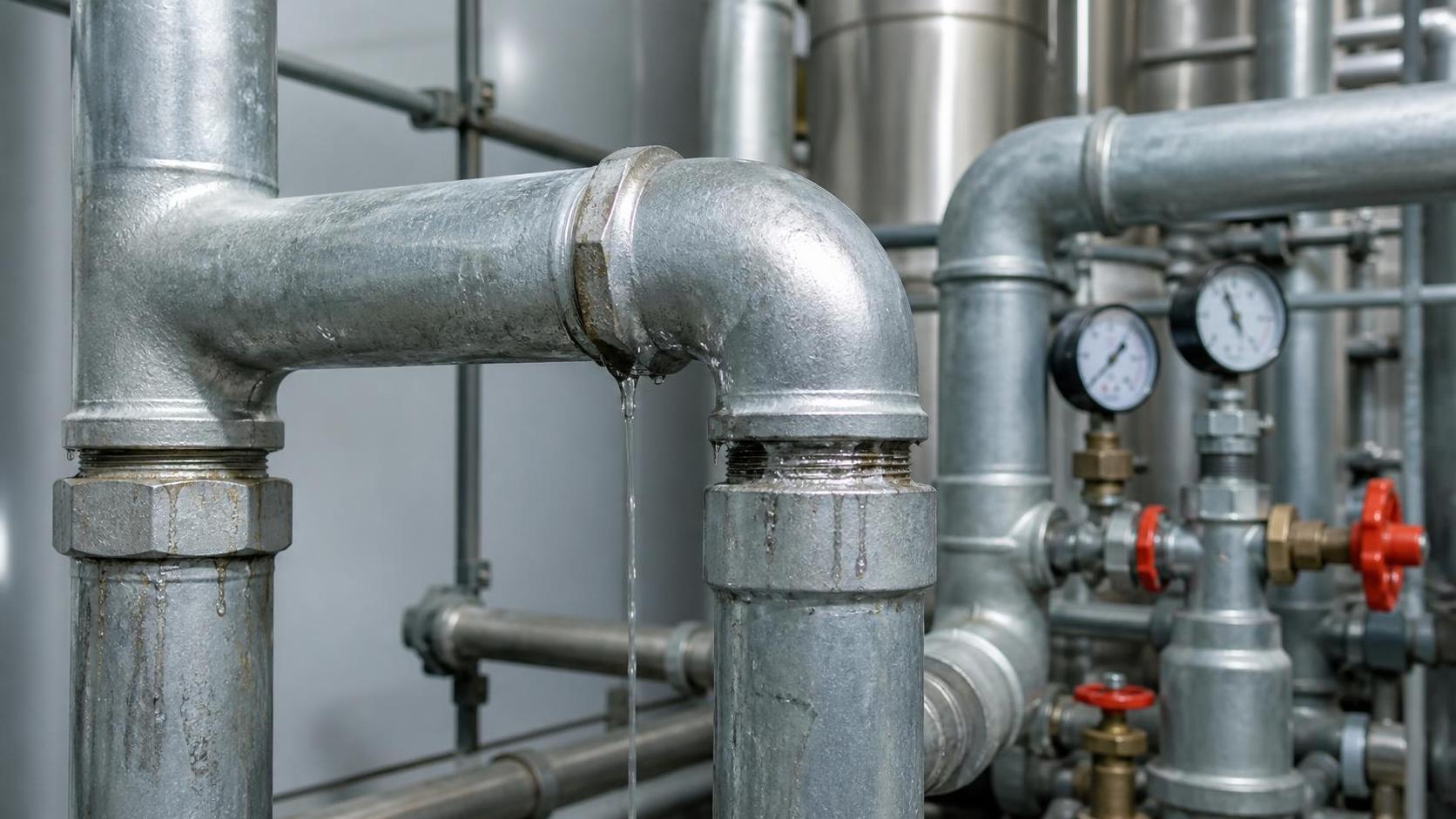
 Common Leak Risks When Using Galvanized Pipe for Plumbing SystemsGalvanized pipe for plumbing can hide corrosion, joint wear, and pressure-related leak risks. Learn the key warning signs, causes, and smart maintenance actions to prevent costly failures.
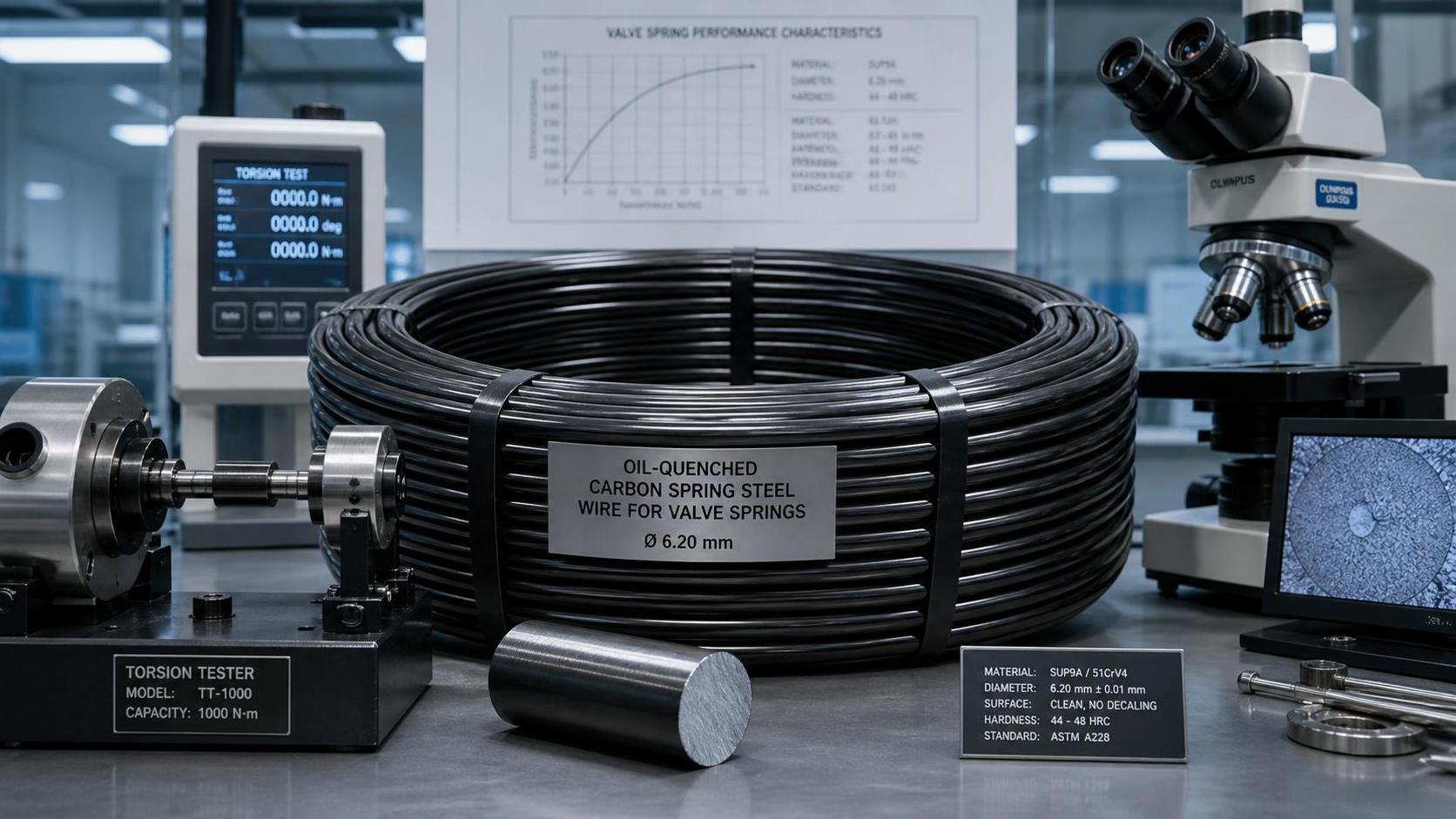
 Oil Tempered Carbon Steel Wire for Valve Spring: What Standards and Tests Matter?Oil tempered carbon steel wire for valve spring: learn which JIS, EN, and ASTM standards, decarburization checks, surface inspections, and fatigue-related tests truly protect spring life.
 Rebar for Foundation: Grade, Cover, and Spacing Mistakes to AvoidRebar for foundation guide: avoid costly grade, cover, and spacing mistakes that weaken durability, bonding, and concrete flow. Learn practical checks before the pour.
 Steel Tubing Dimensions: OD, Wall Thickness, and Gauge DifferencesSteel tubing dimensions explained clearly: compare OD, wall thickness, and gauge differences to avoid sizing mistakes, improve fit, and choose the right steel tube with confidence.
Please give us a message


Please enter what you want to find