When equipment or structures operate in damp, humid, or splash-prone conditions, choosing the right material matters. Stainless steel 304 coil is widely used for its corrosion resistance, clean surface, and reliable forming performance, but is it the best option for every wet environment? This article helps operators and end users understand its strengths, limits, and practical applications before making a sourcing or usage decision.
Is stainless steel 304 coil a good choice for wet environments?
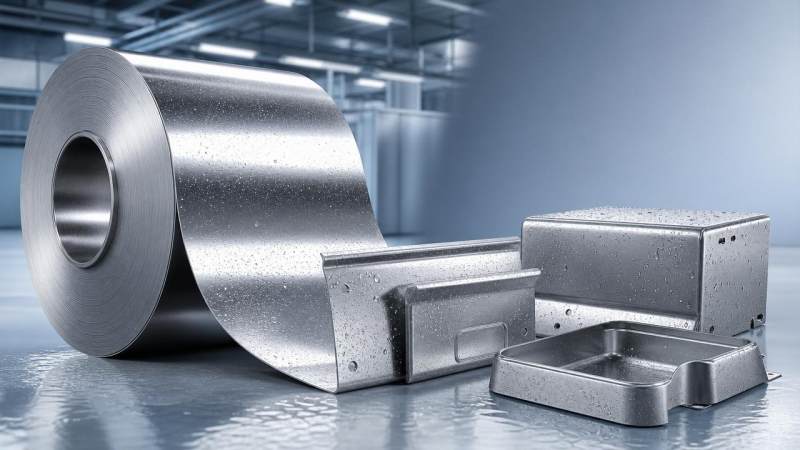
In most mild to moderately wet environments, stainless steel 304 coil is a practical and reliable choice. It resists rust better than ordinary carbon steel and performs well in humidity, condensation, and frequent washing.
However, it is not the best answer for every situation. If the environment contains salt, chlorides, aggressive cleaners, or stagnant moisture, 304 may stain, pit, or corrode earlier than users expect.
For operators, the key question is not simply whether stainless steel 304 coil is “good.” The real issue is whether the actual water exposure, cleaning routine, and surrounding chemicals match what 304 can handle long term.
If the setting is indoor, clean, and only occasionally wet, 304 often delivers excellent value. If the setting is coastal, chemical-heavy, or continuously soaked, a more resistant grade may be safer.
What makes 304 stainless steel useful in damp working conditions?
The main advantage of 304 stainless steel is its chromium and nickel content. These elements help form a passive protective layer on the surface, which slows down oxidation and improves corrosion resistance.
For end users, this means less visible rust, a cleaner appearance, and lower maintenance compared with painted carbon steel or untreated mild steel. It also supports reliable forming for panels, covers, housings, and fabricated parts.
Another benefit is hygiene. The surface of stainless steel 304 coil is easy to clean, which makes it common in food handling areas, kitchen equipment, utility spaces, and light industrial environments.
It also tolerates temperature changes better than many coated or lower-grade materials. In wet environments where parts may see warm water, steam, or repeated washdowns, this stability is useful in day-to-day operation.
Where does 304 perform well, and where does it start to struggle?
304 usually performs well in indoor wet areas such as processing rooms, machine covers, storage areas, ventilation components, and equipment exposed to fresh water or moisture in the air.
It is also commonly used in architectural trims, tanks, sinks, cabinets, and fabrication parts where appearance matters and the environment is not chemically aggressive. In these conditions, service life can be very satisfactory.
Problems begin when chlorides enter the picture. Sea air, saltwater spray, deicing salts, bleach-based cleaners, and some industrial chemicals can attack the passive layer and cause pitting corrosion.
Pitting is especially important because it may begin as small surface marks but can develop into deeper localized damage. Operators may not notice the issue early until staining or rough spots appear.
Stagnant water is another concern. If water stays trapped in crevices, overlaps, or poorly drained sections, oxygen access becomes uneven, and corrosion risk rises even if the material itself is generally corrosion resistant.
So, 304 is suitable for many wet environments, but not all wet environments are equal. The difference between clean fresh water and chloride-rich moisture is critical when selecting material.
How can operators judge whether their wet environment is mild or aggressive?
A practical way to decide is to look at the actual exposure pattern. Is the surface only exposed to humidity, or does it face direct splash, standing water, cleaning agents, or salt contamination?
If the equipment is indoors and cleaned with neutral detergents, 304 is often appropriate. If the surface is washed daily with chlorinated products or exposed to saline moisture, caution is needed.
Ask how long water stays on the material. Short-term splashing with good drainage is much less severe than trapped moisture around joints, fasteners, folded edges, or contact points with other materials.
Also consider temperature and airflow. Warm, wet, low-ventilation environments can speed up surface attack, especially when contaminants dry and concentrate on the metal after repeated exposure cycles.
From an operator perspective, the most useful field questions are simple: What touches the steel, how often, how long does it stay wet, and what is left behind after drying?
What corrosion problems should users watch for in real operation?
The first issue is tea staining or brown discoloration. This does not always mean structural failure, but it is a warning sign that the surface environment is harsher than expected or cleaning is insufficient.
The second issue is pitting. Small pits can appear where chlorides settle and remain. These often form in corners, under deposits, around weld zones, or in areas that are difficult to rinse properly.
Crevice corrosion is another risk. If stainless steel 304 coil is fabricated into overlapping sections, bolted joints, or tight gaps, moisture can remain trapped and create a localized attack zone.
Surface contamination also matters. If carbon steel dust, grinding particles, or iron tools contaminate stainless surfaces during fabrication or installation, rust marks can appear and be mistaken for failure of the stainless itself.
For users, early inspection should focus on edges, drainage points, seams, and areas that receive chemical splash. These are often the first places where corrosion starts in wet service.
How does 304 compare with other material options for wet exposure?
Compared with ordinary carbon steel, 304 is far better in corrosion resistance and usually needs less protective maintenance. It also offers a cleaner finish and longer appearance retention in damp conditions.
Compared with 316 stainless steel, however, 304 is less resistant to chlorides. If the environment includes seawater, coastal mist, or strong disinfectants, 316 is often the safer long-term material choice.
Compared with coated steel products, the decision depends on application type. In structural or enclosure design, coated materials can be economical when direct abrasion or cut-edge exposure is controlled well.
For example, in building envelope applications, Color Coated Galvanized Steel Sheet PPGI may be selected for roofing, wall systems, warehouses, farms, garages, and public buildings where appearance, lightweight handling, and large-area coverage matter.
Such coated sheets can offer high corrosion resistance, attractive finishes, and easy installation. Depending on coating type, thickness, and environment, they may be better suited to wide building surfaces than stainless components.
That said, stainless steel 304 coil remains more suitable where a bare metallic surface, hygiene, frequent cleaning, or fabricated equipment parts are required. The right choice depends on contact conditions and function, not just price.
What fabrication and installation details affect performance in wet conditions?
Material grade matters, but design and handling matter almost as much. Even good stainless can underperform if fabricated with poor drainage, rough welds, trapped seams, or contaminated tooling.
Smooth surfaces are easier to keep clean and dry. If operators can choose, polished or properly finished surfaces usually perform better than rough finishes in splash-prone or washdown areas.
Drainage should be built into the design. Horizontal surfaces that hold water, hidden recesses, and tightly closed cavities increase the chance of corrosion, staining, and difficult cleaning during service.
Welding and post-fabrication cleaning are also important. Heat tint, residue, and embedded contaminants should be removed properly so the passive layer can recover and protect the surface effectively.
During installation, avoid direct contamination from carbon steel contact where possible. Separate storage, clean tools, and controlled handling reduce the risk of rust marks that later create confusion for users.
What maintenance helps stainless steel 304 coil last longer in wet environments?
Regular cleaning is one of the most effective ways to protect 304. Dirt, salts, and chemical residues should not be allowed to accumulate, especially in areas with repeated splash or poor airflow.
Use cleaners suitable for stainless steel whenever possible. Harsh chloride-containing products, if used repeatedly, can shorten service life and increase the likelihood of staining or localized corrosion.
After washing, rinsing matters. Residual detergent or disinfectant left on the surface can become concentrated as it dries. A clean water rinse and good drying conditions support better long-term performance.
Routine inspection should include welds, fasteners, crevices, and low points where water collects. Catching light staining early is much easier than waiting until corrosion becomes visible and harder to remove.
Operators should also report any process change. A new cleaning chemical, higher wash frequency, or relocation near marine exposure can change whether stainless steel 304 coil remains the right fit.
When should users choose 304 with confidence, and when should they reconsider?
Choose 304 with confidence when the environment is mainly humid, occasionally wet, regularly cleaned, and free from significant chloride exposure. This includes many indoor industrial, commercial, and utility applications.
It is also a solid choice when users need good formability, a neat metallic finish, and reliable everyday corrosion resistance without moving to a higher-cost stainless grade unnecessarily.
Reconsider 304 when the application faces salt spray, marine air, chlorine-based sanitation, chemical residues, or constant wetness. In these cases, the lower upfront cost may lead to higher maintenance or earlier replacement.
If appearance is critical, be even more careful. A material can remain functional while still developing stains that users consider unacceptable in visible equipment or architectural applications.
The best decision comes from matching the steel grade to the exact service environment, not from assuming all stainless steels behave the same in all wet conditions.
Final takeaway for operators and end users
Stainless steel 304 coil is a very good material for many wet environments, but it is not automatically the best for every one of them. Its real strength is dependable performance in clean, mild, and moderately damp service.
If your environment involves fresh water, humidity, and regular maintenance, 304 is often a smart and cost-effective option. If chlorides, aggressive cleaners, or trapped moisture are part of daily operation, evaluate alternatives carefully.
For users and operators, the most practical approach is simple: check the water source, cleaning chemicals, drainage conditions, and exposure frequency before deciding. That is what determines whether 304 will perform well over time.
When selected correctly and maintained properly, stainless steel 304 coil can deliver long service life, good appearance, and dependable daily use. When selected without considering the actual wet environment, it may disappoint sooner than expected.
Please give us a message


Please enter what you want to find